The benefits of rebounding exercise sound almost too simple. You stand on a small, springy mat and move. Yet this modest bit of kit has a loyal following among people who find running dull, gyms overwhelming or evenings far too short.
After work, the last thing you want is a trip across town for a fitness class. But ten minutes on a mini trampoline in your living room? That feels manageable. And easy to fit in is what turns good intentions into a habit.
Done regularly, controlled bouncing can support your cardiovascular fitness, balance, coordination, muscular endurance and core. The cushioned surface can also feel kinder than pounding the pavement.
Your results depend on how hard you work, how often you show up and your own circumstances. Rebounding isn’t magic. But it’s more useful than you might think, and a lot of what you’ve read online about it is wrong. So what makes it different, and what can you realistically expect? Keep reading to discover the benefits of rebounding and what else this little mat can do for you. Let’s start there.
What Is Rebounding Exercise and How Does It Work?
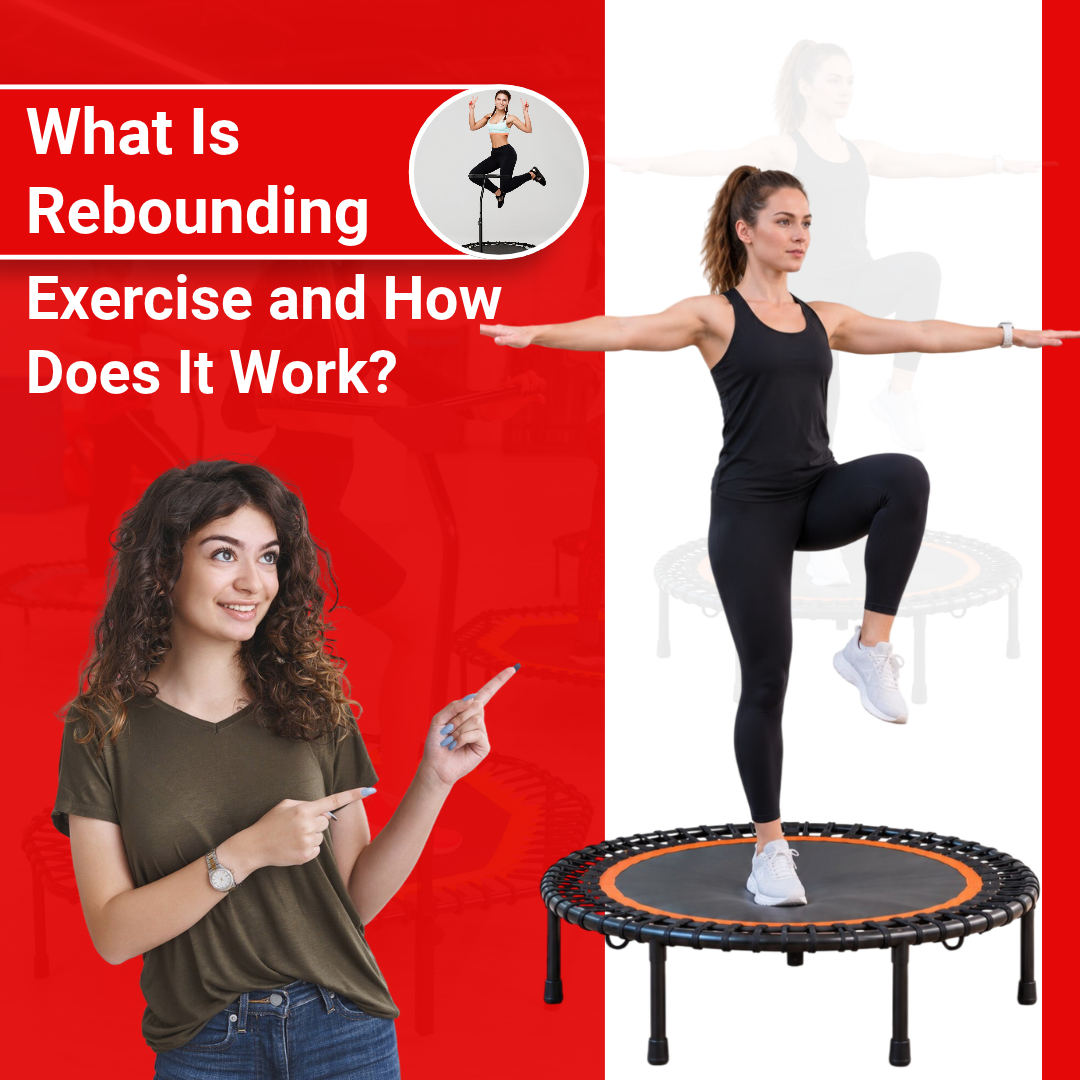
Rebounding is an exercise done on a small trampoline, often called a ‘rebounder‘. You might march, bounce gently, jog on the spot or add a few controlled jumps. Think of it as a workout where the floor gives a little back.
How Does a Rebounder Turn Simple Bouncing Into a Workout?
The mat springs as you move. Your legs, hips and core work to keep you steady, and your heart rate rises as the pace picks up. Intensity is entirely up to you. You can keep it light with a gentle march, or push harder with faster, bigger movements once you’re confident.
What Makes Rebounding Different From Regular Trampoline Jumping?
A garden trampoline is built for big, playful jumps. Rebounding is about control. You stay low, keep your posture tall and focus on rhythm rather than height. Rebounders also vary in size, bounce feel and handle bar design, so it pays to choose one that suits you. More on that later.
First, the big question: what do you actually get out of it?
How Can Rebounding Exercise Improve Your Health?
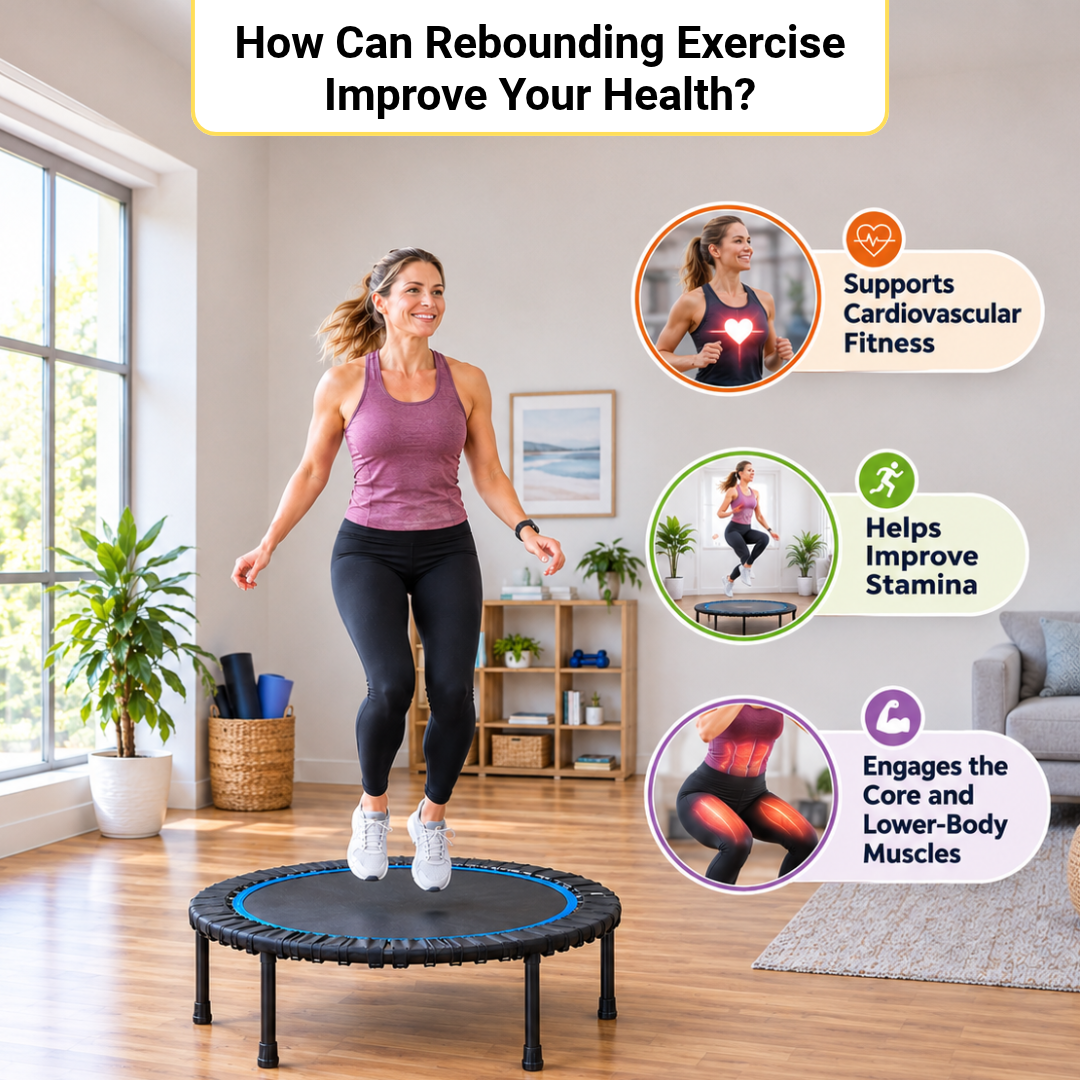
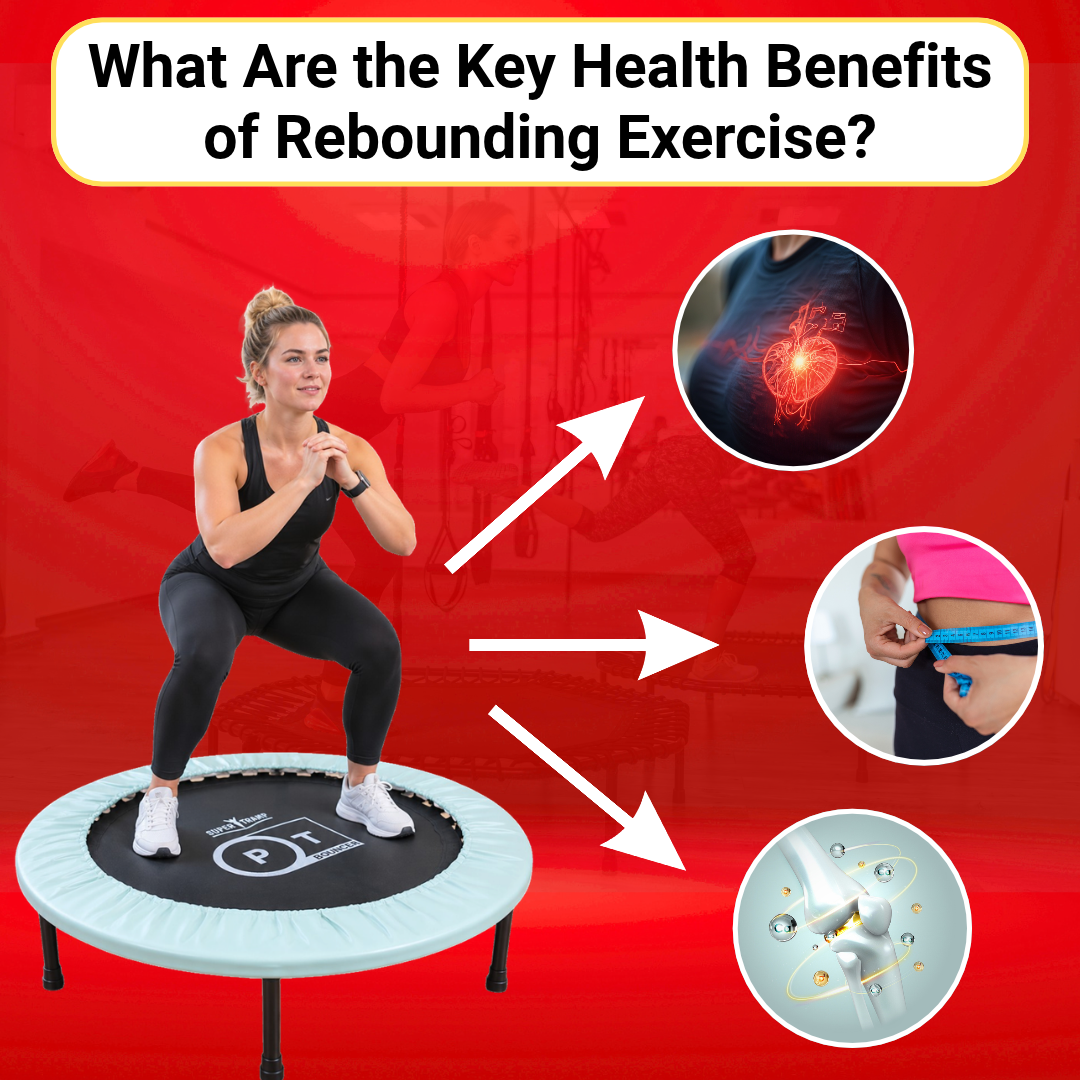
The main health benefits of rebounding exercise include improved cardiovascular fitness, better balance and coordination, greater muscular endurance and increased physical activity. Depending on the routine, rebounding can also challenge the core and support weight management as part of a balanced lifestyle.
Let’s look at each one:
Supports Cardiovascular Fitness
When you bounce, your heart beats faster, and your breathing deepens. That’s aerobic exercise, the kind that keeps your heart and lungs in good shape. Regular aerobic activity is a cornerstone of healthy living, according to NHS guidance.
How much you gain depends on pace and time. A slow march is gentle. A brisk, rhythmic session can leave you properly out of breath.
Can Rebounding Help Improve Stamina?
It can, if you keep at it. Start with a few minutes and add a little time each week. As your fitness grows, the same routine feels easier, and you can lift the pace or stretch the session.
Helps Improve Balance and Coordination
Standing on a moving surface asks your body to make tiny adjustments all the time. Your feet, ankles and legs react, while your arms and torso help you stay upright. That’s balance and coordination in action.
For beginners, simple beats fancy. Controlled marching and gentle bounces build confidence far better than complicated jumps you can’t yet manage.
Engages the Core and Lower-Body Muscles
Your thighs, glutes and calves do plenty of work as you bounce. Your tummy muscles join in too, because they help keep your body steady.
What Are the Benefits of Rebounding for Core Strength?
Balancing during controlled movements can engage your core. Results depend on your technique, the moves you choose and how you progress over time. Rebounding works well alongside dedicated strength training. It doesn’t replace it.
Offers a Potentially Lower-Impact Way to Exercise
A flexible mat can cushion each landing. Many people find this feels gentler than running on tarmac or jumping on a hard floor.
But “lower impact” doesn’t mean “injury-proof”. It isn’t right for everyone. If you have joint concerns or a medical condition, speak to a healthcare professional first.
Makes Regular Movement Easier to Maintain
The best workout is the one you actually do. A compact rebounder lives in a corner of the lounge, so there’s no travel, no kit bag and no waiting for a class. Ten minutes between meetings or after the school run is enough to start a habit. Rebounding isn’t easier or better than other exercises for everyone, but for many people, convenience wins.
How Can Beginners Start a Safe and Effective Rebounding Routine?
Ready to try it? Here’s how to begin without overdoing it.
What Are the Main Health Benefits of Rebounding Exercise for Beginners?
Beginners can use rebounding to build a regular movement habit, practise balance and coordination, and gradually grow their cardiovascular endurance. Your results depend on consistency, technique and sensible progression.
A Simple Beginner Rebounding Routine
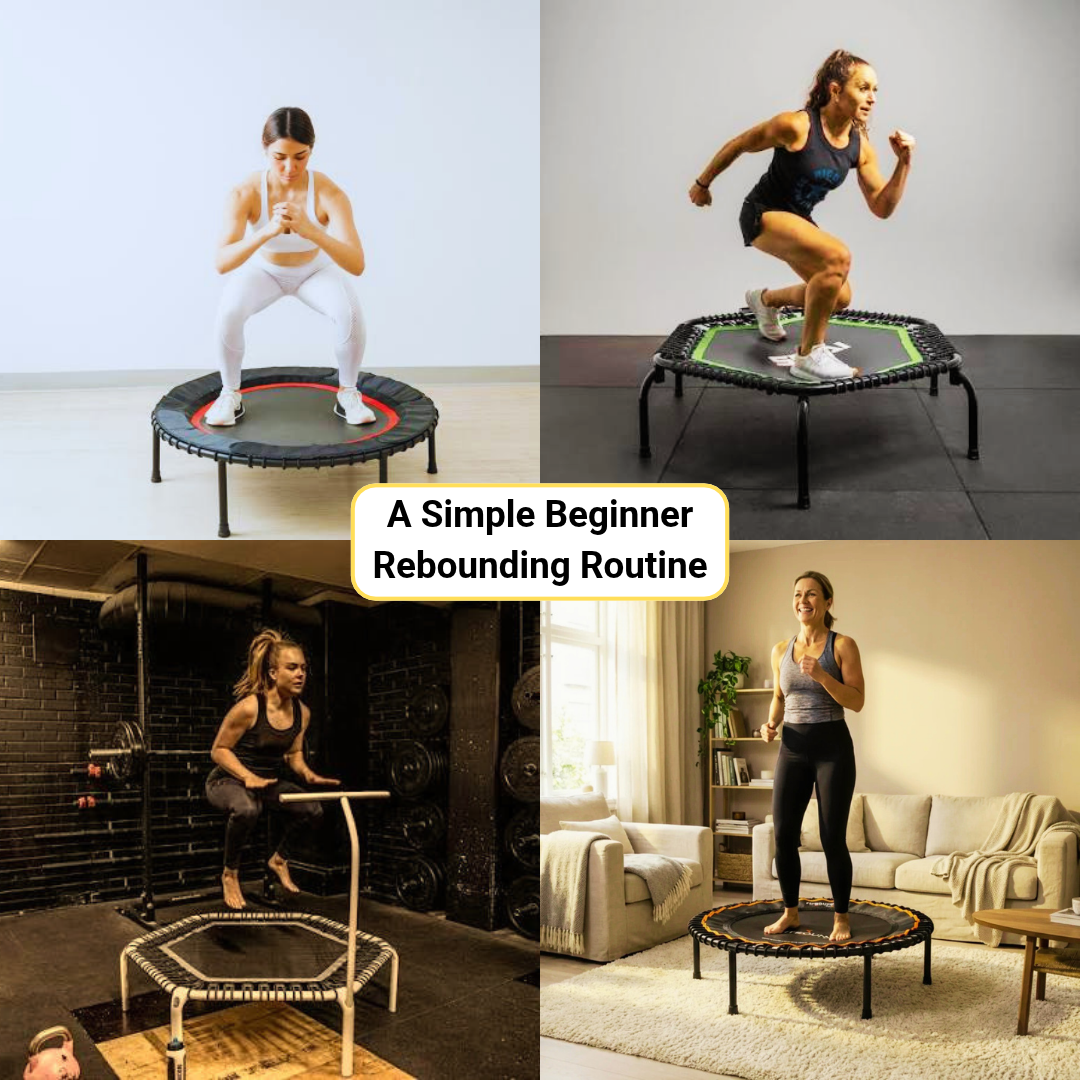
This is a 9-minute session. Adjust it to suit your ability and your rebounder’s manufacturer guidance.
- Warm up (2 minutes): March gently on the spot. Get used to standing on the mat. If your balance feels uncertain, skip the bouncing for now.
- Gentle bouncing or marching (3 minutes): Keep your feet low and your movements controlled. You should be able to breathe comfortably.
- Easy variations (2 minutes): Try gentle weight shifts or alternating steps, but only if you feel stable.
- Cool down (2 minutes): Slow down gradually. Step off carefully and let your breathing settle.
How Often Should Beginners Use a Rebounder?
Start with short sessions a few times a week. When it feels easy, add a minute or two, or lift the pace slightly. Over time, work towards the NHS recommendation of at least 150 minutes of moderate activity a week for adults, plus strength exercises on two days.
What Safety Precautions Should Beginners Follow?
- Place the rebounder on a stable, level surface with plenty of clearance, including above your head.
- Check the frame, mat, springs or elastic cords before each use.
- Follow the manufacturer’s weight limit and instructions.
- Avoid high jumps until your basic control improves.
- Stop if you feel pain, dizziness or unusual breathlessness.
What Accessories Are Recommended for a Rebounding Routine?
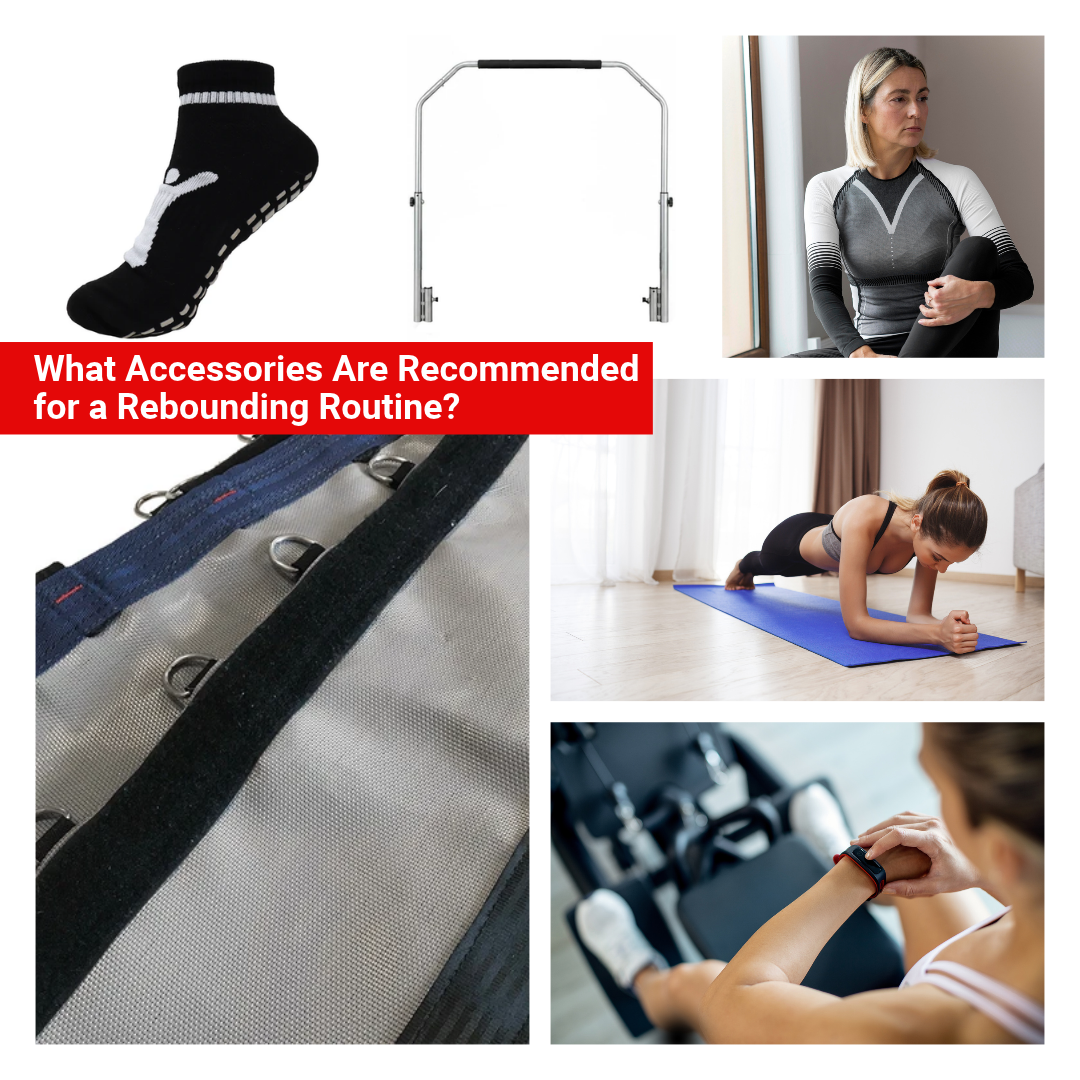
You don’t need much. But a few extras can make your sessions safer and more comfortable.
- Stability Handlebar: Can help beginners who want extra balance support. Make sure it’s designed for your specific rebounder.
- Fitness Mat: Can protect suitable flooring and mark out your space. It shouldn’t affect the rebounder’s stability.
- Trampoline Grip Socks: Trampoline grip socks provide extra grip on the trampoline mat and help you feel more secure while exercising. Choose a comfortable pair that allows your feet to move naturally.
- Supportive Workout Clothing: Lets you move freely and comfortably.
- Water Bottle: Keeps hydration within reach.
- Fitness Tracker: Can help you track time and heart rate, though readings aren’t always accurate.
How Can You Get the Most From Rebounding Exercise Over Time?
The real payoff of rebounding comes from sticking with it. Here’s how to keep going.
Build Consistency Before Increasing Intensity
Get a manageable routine in place first. Three short sessions a week you actually do beat one heroic session you dread. Once it feels natural, add time or try tougher moves.
Combine Rebounding With Other Forms of Exercise
A balanced week might include:
- Walking or other aerobic activity
- Resistance exercises to build strength
- Suitable weight-bearing activities for bone health
- Balance and mobility work where appropriate
Choose the Right Rebounder for Your Needs
Think about stability, available space, weight capacity, bounce feel and build quality. The best rebounder is the one that supports your exercises and feels safe and comfortable to use. No single model guarantees better fitness results. Always follow the manufacturer’s guidance.