Did you know your body has a powerful detox system that depends almost entirely on movement? Unlike your heart, which pumps blood automatically, your lymphatic system relies on physical activity to function properly. Yet, many people lead sedentary lifestyles, leaving this vital system sluggish and less effective.
If you often feel tired, bloated, or prone to frequent illnesses, your lymphatic system might not be working as efficiently as it should. But you do not need complicated routines or expensive treatments to support it. Easy, fun activities can have a significant impact.

This is where the right trampoline benefits for the lymphatic system come into focus. Rebounding, or gentle bouncing on a trampoline, offers a natural, low-impact way to stimulate lymph flow, improve detoxification, and enhance overall wellbeing. In this blog, you will discover how trampolining supports your body from the inside out and how you can make it part of your daily routine. Let’s start with understanding the lymphatic system.
What the Lymphatic System Does and Why It Matters?
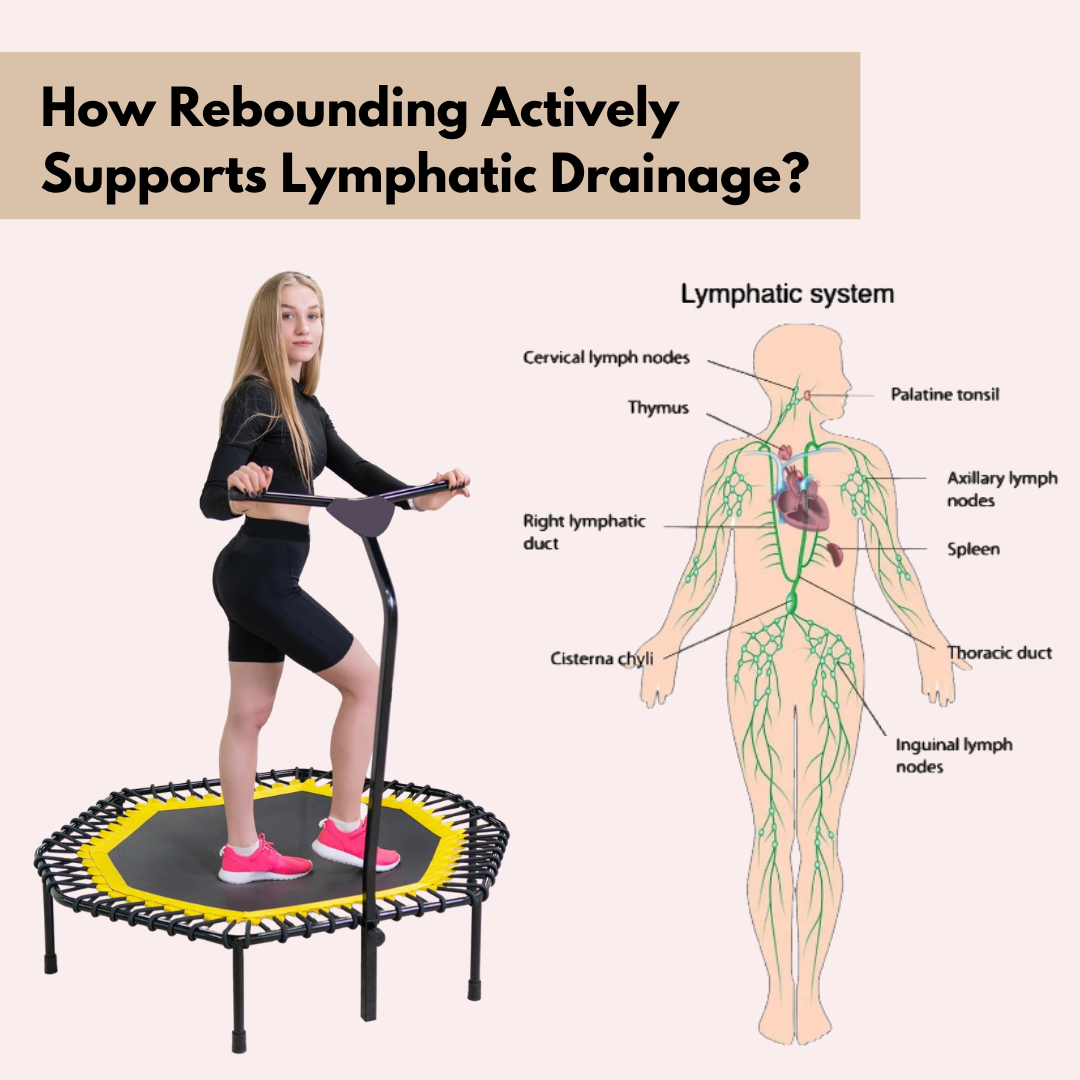
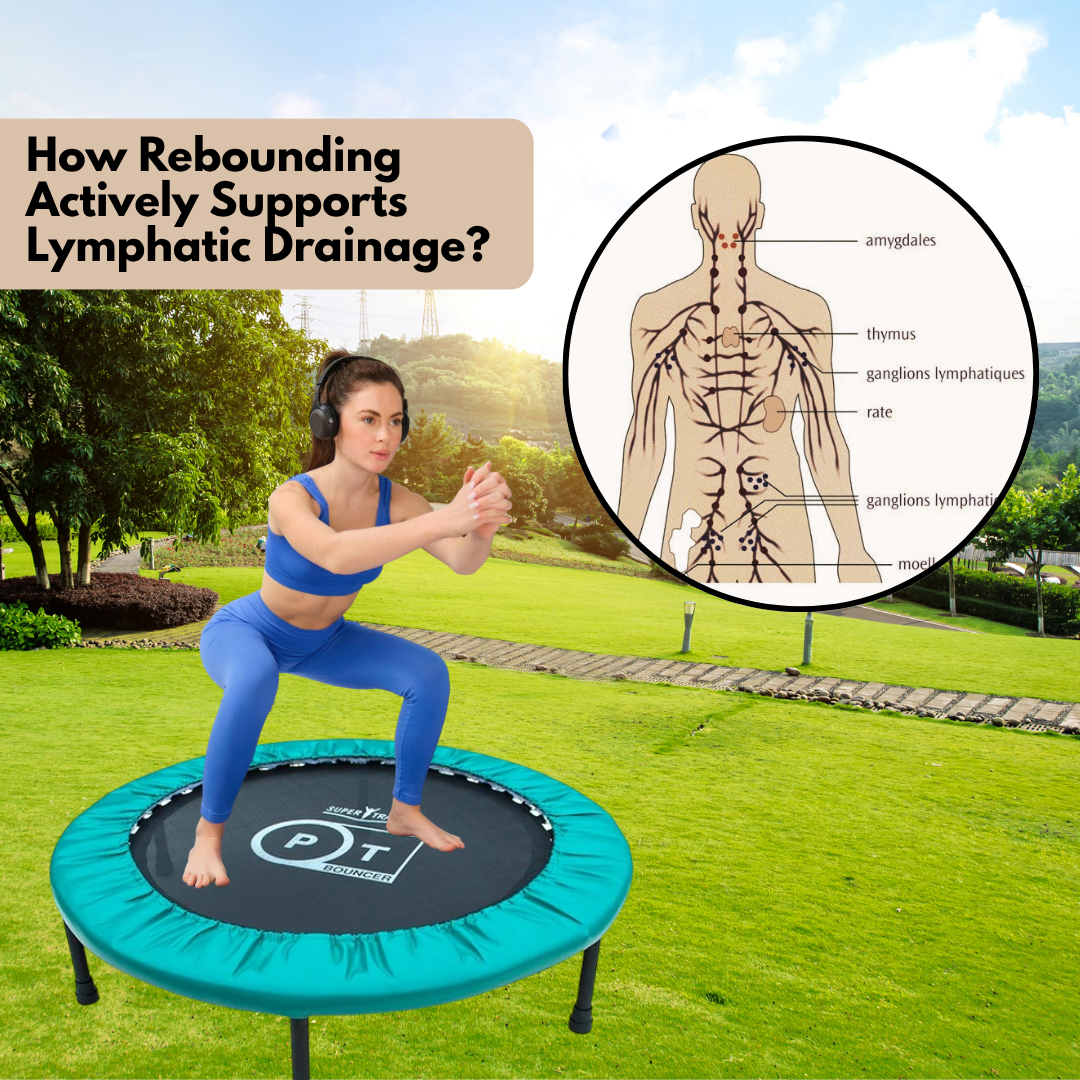
The network of tissues, organs, and veins that transport lymph fluid throughout the body is known as the lymphatic system. This fluid contains white blood cells, proteins, and waste materials. It acts as a cleaning system, removing toxins and supporting immune defence while maintaining fluid balance.
The lymphatic system plays a crucial role in maintaining your body’s internal balance. It works quietly in the background, yet its impact on your health is significant. Understanding how it functions helps you appreciate why movement is essential.
Movement is essential for lymph flow because, unlike the circulatory system, the lymphatic system does not have a central pump. It relies on muscle movement, breathing, and physical activity to keep fluid moving throughout the body. Without regular movement, lymph can become stagnant, which may lead to fatigue and a weakened immune response.
Now that you understand the basics, let’s explore how trampolining can actively support this system.
4 Proven Ways Rebounder Enhances Lymphatic Drainage
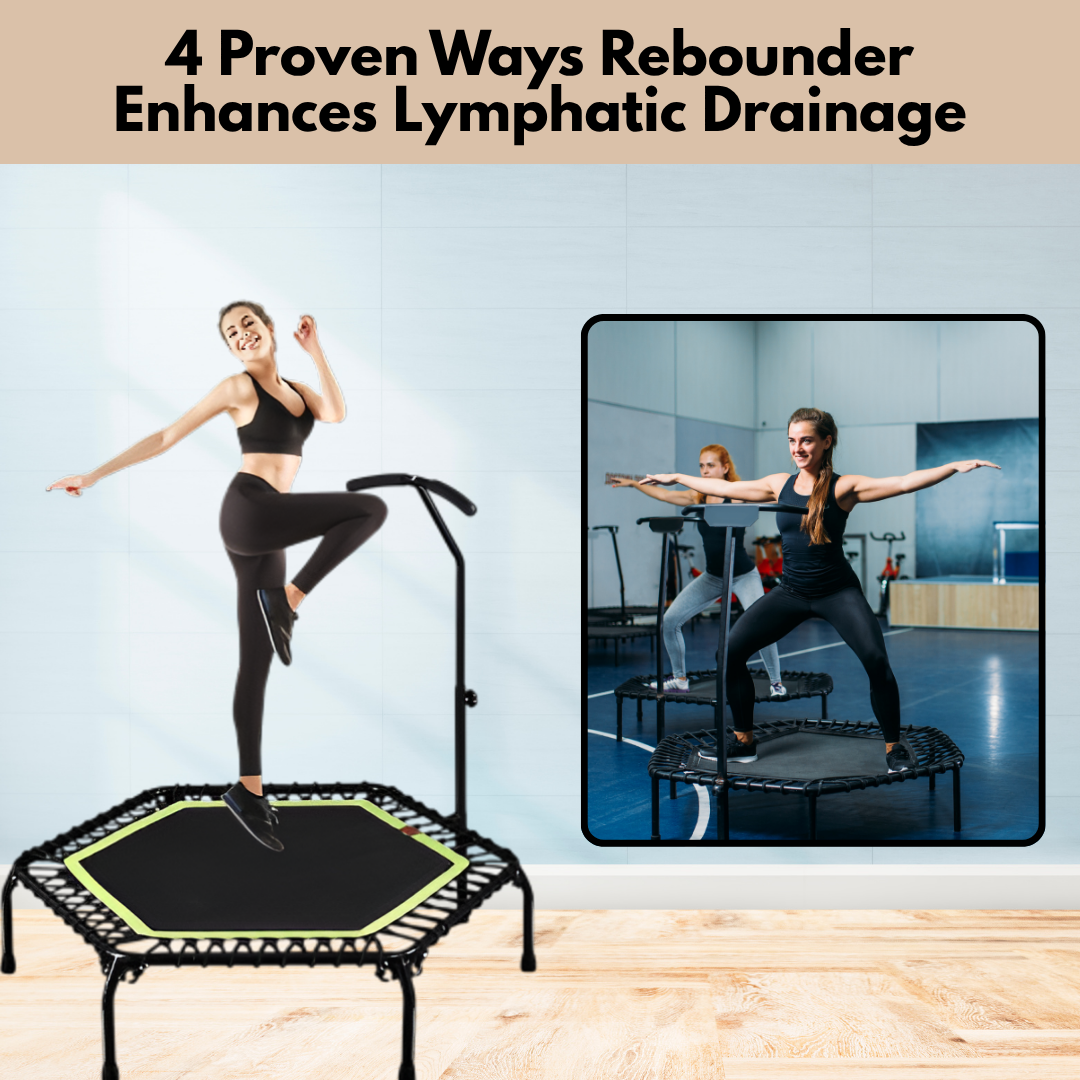
A rebounder does more than just add bounce to your routine. It creates a steady, controlled movement that helps your lymphatic system work the way it should.
1. Works Better Than Intense Movement
Many people assume harder workouts give faster results, but lymphatic drainage responds better to controlled motion. Gentle rebounding keeps your body relaxed while still activating fluid movement.
- Keep your feet lightly connected to the mat.
- Focus on small, consistent bounces instead of height.
- Maintain a steady rhythm for 10–15 minutes.
This approach reduces strain and keeps the lymph fluid moving without overwhelming your system.
2. Improves Fluid Circulation
The vertical motion of rebounding creates a natural shift in pressure across your body. This pressure change helps push lymph fluid through narrow pathways.
- Upward motion reduces pressure and allows fluid to spread.
- Downward motion gently pushes fluid forward.
- Repeated cycles prevent fluid build-up.
Over time, this simple motion supports smoother circulation without needing complex techniques.
3. Tissue Compression Supports Lymph Flow
Each bounce creates a light compression across muscles and tissues. This action directly impacts lymph vessels, which rely on movement to function.
- Compression pushes stagnant fluid forward.
- Release allows vessels to refill and continue flow.
- Regular bouncing keeps this cycle active.
Think of it as a natural pump that works every time your feet touch the mat.
4. Better Oxygen Flow Supports
Rebounding does not just move lymph fluid; it also improves how oxygen reaches your cells. This supports better performance across your body.
- Improved blood circulation increases oxygen supply.
- Cells receive nutrients more efficiently.
- Energy levels stay more stable throughout the day.
When your body gets enough oxygen, every system, including the lymphatic system, works more effectively.
Now that you understand how rebounding supports lymphatic drainage, the next step is choosing the right trampoline that helps you perform these movements safely and effectively.
Tips to Choose a Trampoline That Actually Supports Lymphatic Flow
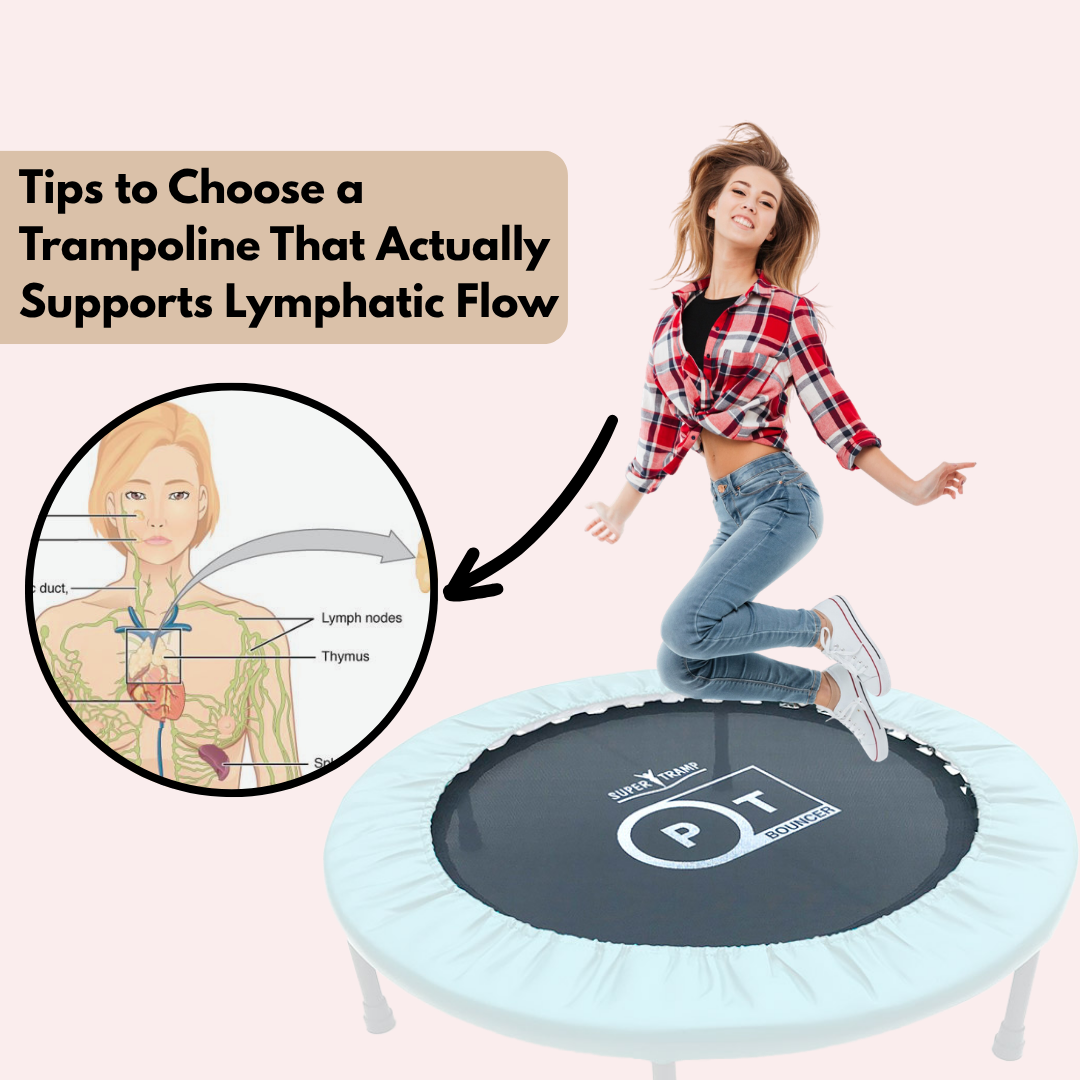
Selecting the right trampoline ensures safety, comfort, and effectiveness. A well-designed trampoline enhances your experience and helps you stay consistent with your routine.
What to Look for in a Trampoline
Choosing the right trampoline lays the foundation for safe and effective lymphatic movement. The right features not only improve comfort but also help you stay consistent with your routine.
- Size and stability: Choose a trampoline that suits your available space while offering a stable base. During use, a strong frame guarantees confidence and safety.
- Quality of springs or bungee cords: High-quality springs or bungee systems provide smoother movement and better shock absorption. This improves comfort and reduces strain on joints.
- Safety features such as handlebar support: Fitness trampoline handlebars can offer additional balance, especially for beginners. Safety features help you focus on movement without worrying about stability.
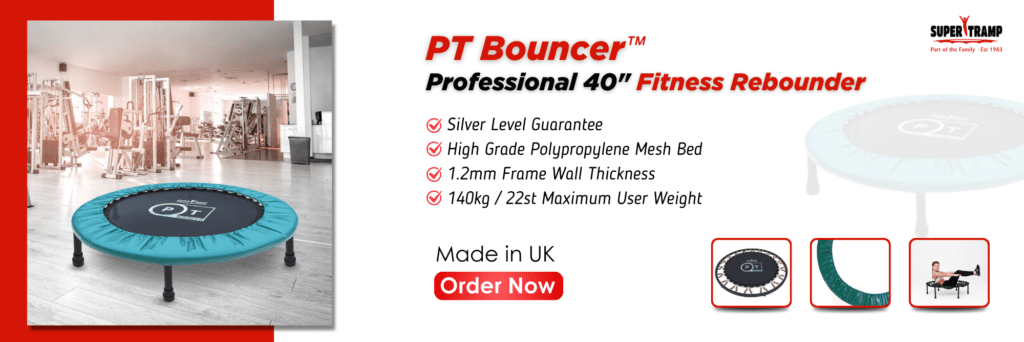
Mini Rebounders vs Full-size Trampolines
Understanding the difference between mini rebounders and full-size 14ft trampolines helps you make a practical choice based on your space and fitness goals. Each option offers unique benefits, but your daily routine and environment will guide the best fit.
- Compare benefits for home use: Mini rebounders are compact and ideal for indoor use, making them perfect for daily lymphatic exercises. Full-size trampolines offer more space and versatility but may require outdoor setup, gymnastic training, etc. For lymphatic health, rebounders are often the most practical choice.
Safety Considerations Before Buying
Focusing on safety ensures you get long-term value without compromising your wellbeing. The right safety features allow you to exercise with confidence and reduce the risk of injury.
- Weight capacity: Always check the weight limit to ensure the trampoline can support you safely.
- Non-slip surface: A secure, non-slip mat reduces the risk of accidents and improves confidence during use.
- Frame durability: A strong, durable frame ensures long-term use and consistent performance.
With the right equipment in place, you can enjoy even more health benefits beyond lymphatic support.
Other Health Benefits of Trampoline Jumping

Trampolining does more than support the lymphatic system. It contributes to overall physical and mental wellbeing in a variety of ways.
1. Improves Cardiovascular Health
Frequent bouncing enhances circulation and raises heart rate. This strengthens the heart and enhances endurance over time.
2. Enhances Balance and Coordination
Your equilibrium is tested by a trampoline’s shaky surface. This improves coordination, agility, and body awareness.
3. Supports Weight Management
Trampolining burns calories while remaining enjoyable. It encourages consistency, which is key for maintaining a healthy weight.
4. Reduces Stress and Improves Mood
Endorphins, which lower stress and elevate mood, are released during physical activity. Trampolining combines exercise with fun, making it an effective stress reliever.
5. Strengthens Muscles and Joints
The repeated motion engages core muscles, legs, and stabilisers. At the same time, it protects joints by reducing impact compared to running or jumping on hard surfaces.
With so many advantages, it is clear why trampolining stands out as a complete wellness activity.