Looking to improve your heart health but bored with running or working out at the gym? You are not alone. Many find it difficult to find a type of physical activity that not only helps strengthen the heart but also is easy on the joints and something that they actually enjoy doing. This is why trampoline exercise may be just what the doctor suggests. Not only is it a fun way to pass time, but it can also provide you with an excellent workout and help you maintain a healthy heart.
Bouncing on a trampoline is excellent for the cardiovascular system. It can help improve heart health, lung capacity, and blood circulation while putting less stress on the joints than running. Overall, it is a great form of exercise that can help people of all ages get a good heart health workout in a short amount of time.
It has become increasingly popular among fitness influencers looking for new ways to challenge themselves physically as well as families who want their kids involved in something they can enjoy together. And even medical professionals are starting to think of them as something of a serious aerobic aid and, when used correctly, provide a great all-round workout to the heart and circulation.
This article looks at exactly what happens to the heart when bouncing on a trampoline, the research, how it compares to other forms of exercise such as running and how you can get the most out of it without putting your bones to pieces.

How Trampolining is Good for Your Heart?
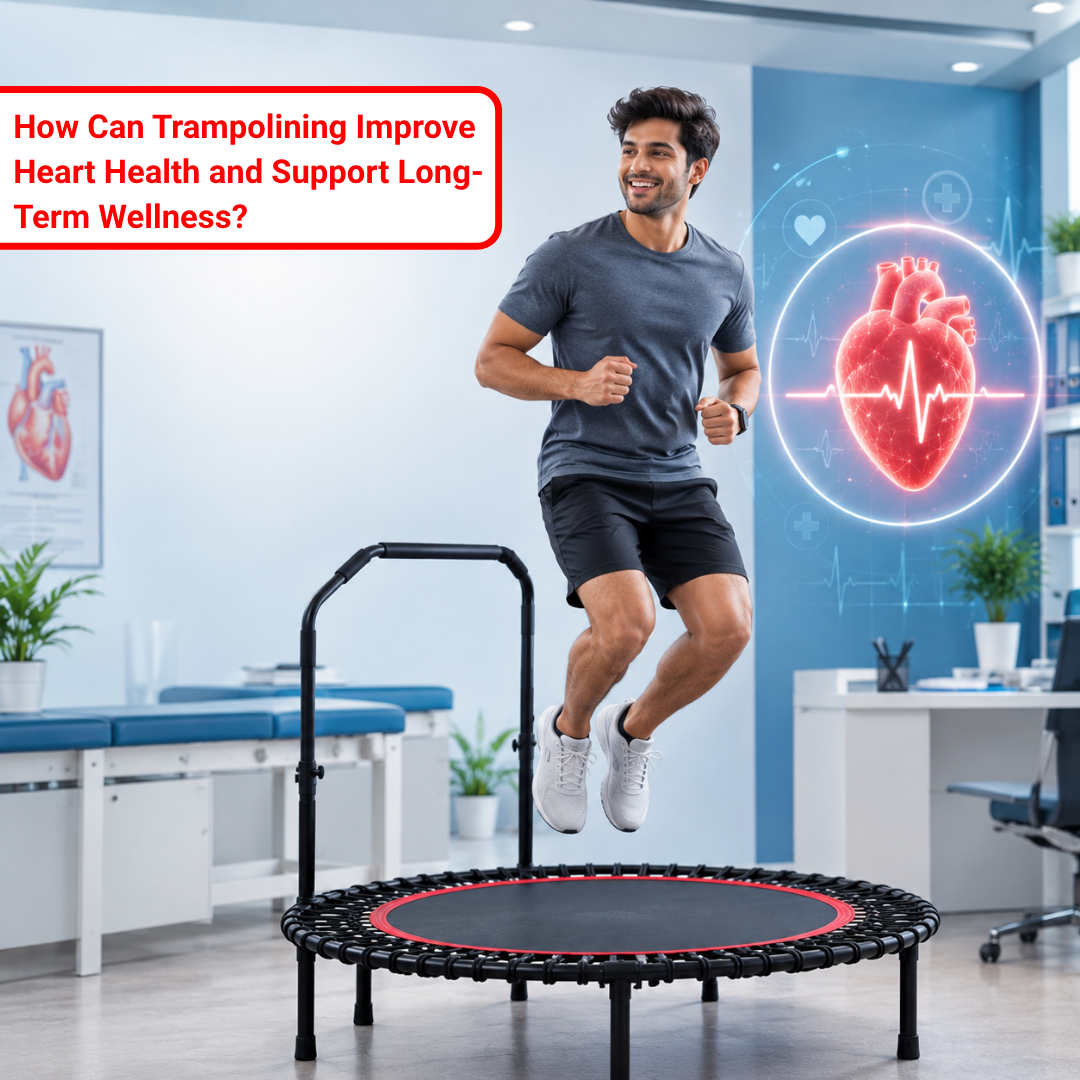
Yes, when performed regularly and with moderate intensity. Trampolining can be classified as an aerobic activity, which means that it increases the heart rate as well as the amount of oxygen in the blood and thus causes active work of circulation.
- The heart starts to beat faster within a few minutes of jumping, as it happens when walking or running at a moderate pace.
- This exercise is considered to be a cardiovascular workout due to the fact that it involves a longer period of moderate activity as opposed to short and intense workouts.
What Happens to Your Heart When You Jump on a Trampoline?
Your heart rate will increase in line with how vigorously you are bouncing on the trampoline. Gentle bounces are classed as light/aerobic exercise, while jump-ups and use of the arms can lead to more vigorous activity. Why is it classed as a cardiovascular exercise? It involves elevating the heart rate for a prolonged period of time rather than just a series of isolated efforts, which is what the NHS classifies as aerobic exercise. As a form of exercise, the movement of blood around the body works the heart and is assisted by the muscles in the legs and the downward force of gravity as you land back on the trampoline.
Regular bouncing on an above-ground trampoline works your heart the way any consistent cardio does: gradually, through repetition, not through a single dramatic session.
Can Trampolining Strengthen Your Heart Muscle?
A heart is a muscle, and like any muscle, it can be trained. It will grow stronger when it’s put under strain on a regular basis. When you do things like going on a run or hopping up and down on a trampoline, your heart is working harder to pump more blood to your muscles with every beat. This is why people who exercise on a regular basis tend to have a lower resting heart rate. You start to get better at endurance activities the longer you do them, too. Something that made you gasp for air after two minutes in the first week becomes ten minutes easy in the sixth.
Does Trampolining Help Improve Cardiovascular Endurance?
Stamina is gained through the activity on the trampoline in the same manner as in other forms of aerobic activity – that is, through regular practice rather than through particularly intense workouts. Cardiovascular endurance is important for your heart – and for your general well-being – because it determines how well you can cope with everyday physical activities like climbing stairs, shopping, and playing with your children.
Heart health is just one of the many benefits of trampolining. Looking to achieve other fitness goals too? Discover how a trampoline supports healthy weight gain and learn how bouncing can help you build strength, improve fitness, and reach your wellness goals.
Can Trampolining Support Long-term Wellness Beyond Heart Health?
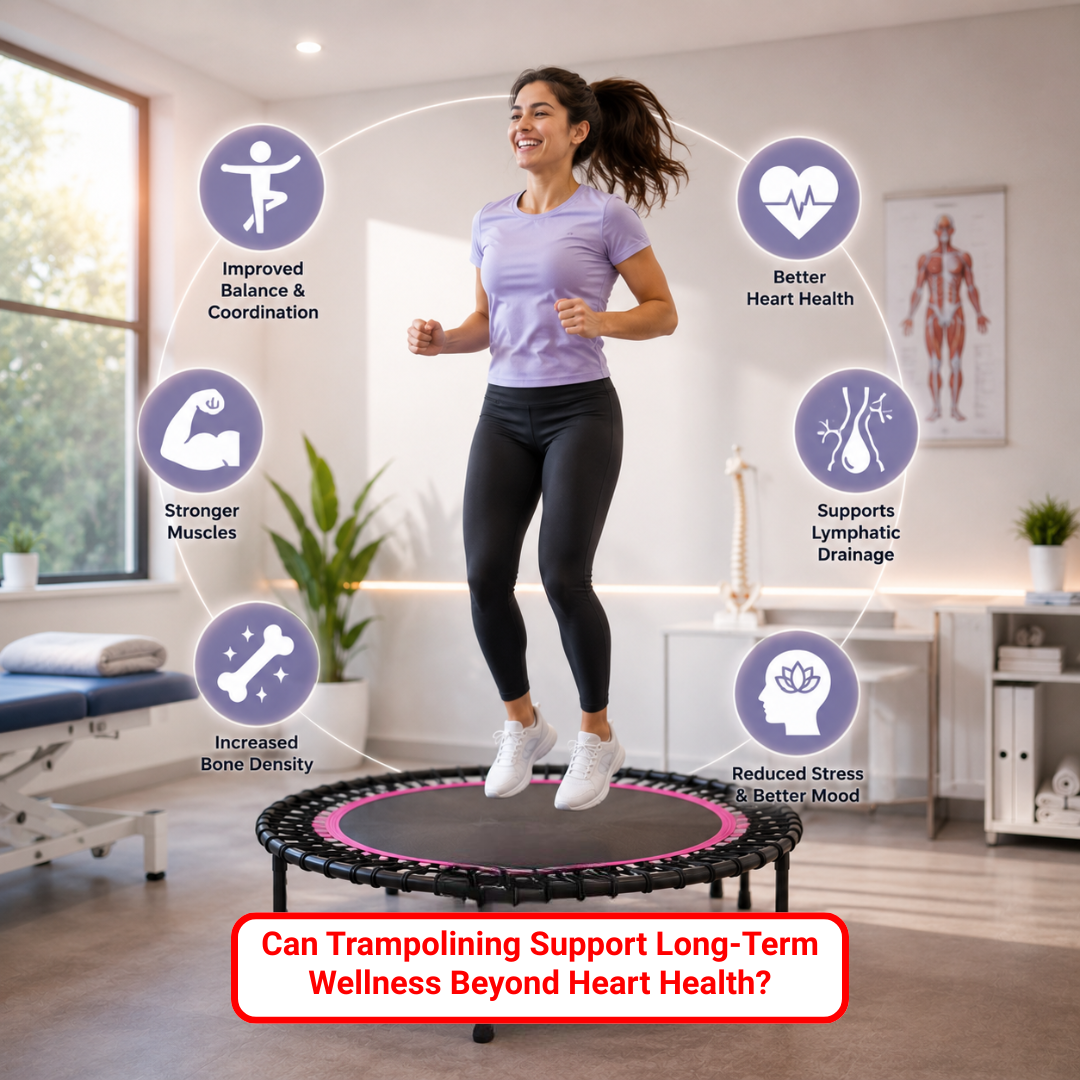
While the heart benefits hugely from the activity, trampolining is an excellent exercise for other reasons, too, and that’s why it’s physiotherapists’ recommendation.
Trampolining Benefits for the Entire Body
- Balance and coordination are improved due to the need for fine motor control on a wobbly surface.
- Your muscles are worked out as you jump up and down.
- Bone density is increased, the same way as when walking or running.
- Lymphatic vessels are drained, which is a unique benefit compared to other forms of exercise, according to many rebounding instructors.
Can Trampolining Improve Mental Wellbeing?
Exercise, in general, is associated with decreased stress and anxiety due to the production of endorphins and the opportunity to take a break from screens or a hectic work schedule. Trampolining is likely to fall into this category by virtue of its appeal – an exercise that one looks forward to is much more likely to be engaged in than one that you do not enjoy.
Overall health and improved sleep patterns are also benefits of exercise, as working out during the day is one of the most reliable methods for improving one’s sleep quality.
Is Trampolining Safe for Everyone?
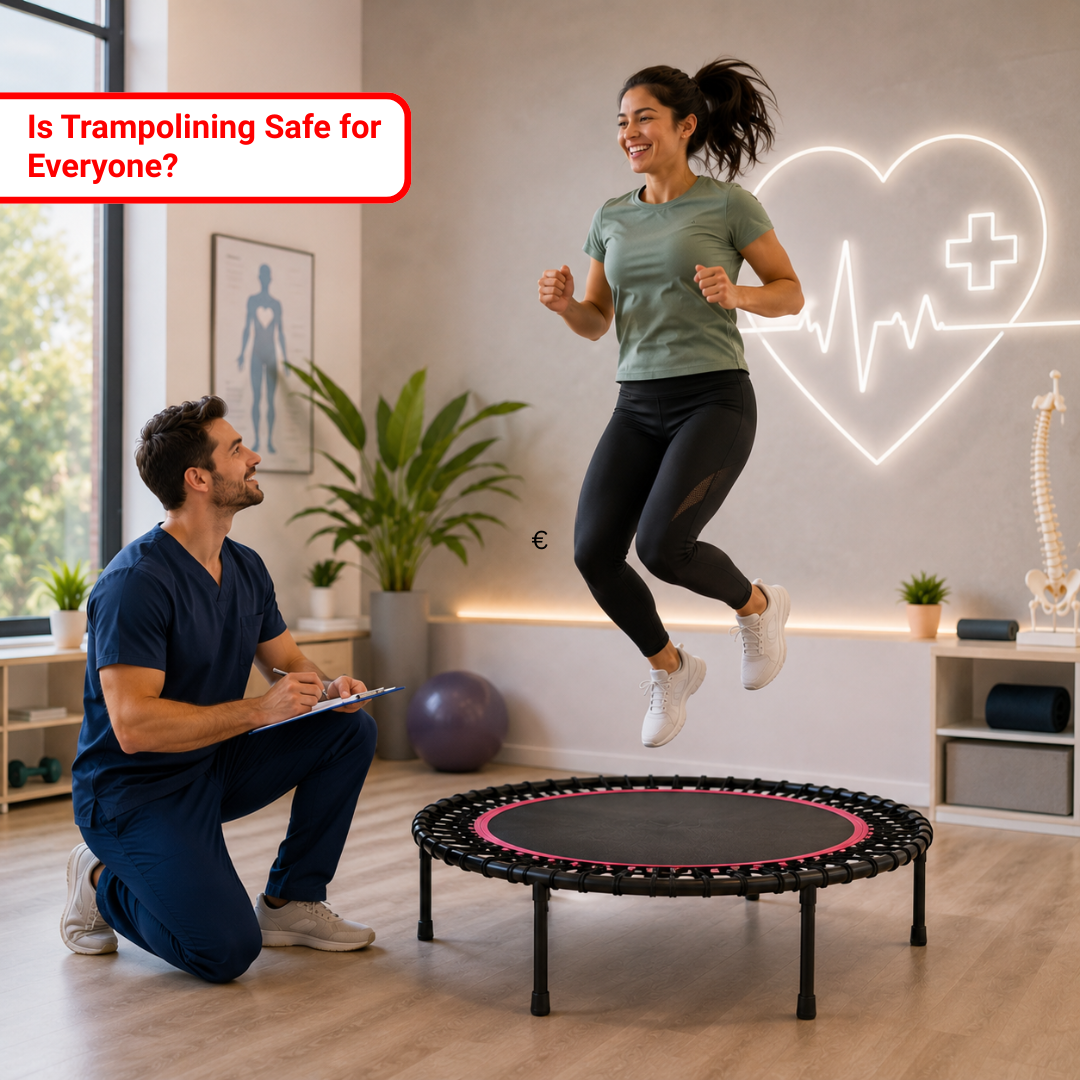
Trampolining is suitable for most people who want to give low-impact exercise a try, including families who enjoy exercising together and older people looking for a less vigorous alternative to running.
However, people with heart conditions, those who have recently had surgery, and those with balance issues must consult a medical professional to discuss whether the activity is right for them. It is the same advice the NHS offers to people considering doing any form of vigorous exercise.
A Few Basics for Safer Sessions
- Warm up with a few minutes of gentle bouncing before increasing intensity.
- Build up gradually rather than jumping straight into long, high-effort sessions.
- Use a safety enclosure, particularly for beginners or family use.
- Jump one person at a time — most trampoline injuries happen with multiple users on the mat simultaneously.
- Check the mat, springs and frame before each session for wear or damage.
Best Trampoline for Heart Health
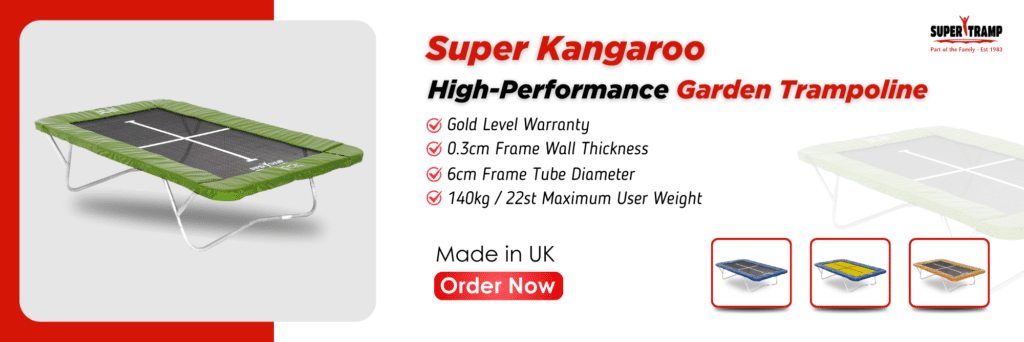
Should You Choose a Garden Trampoline or a Rebounder?
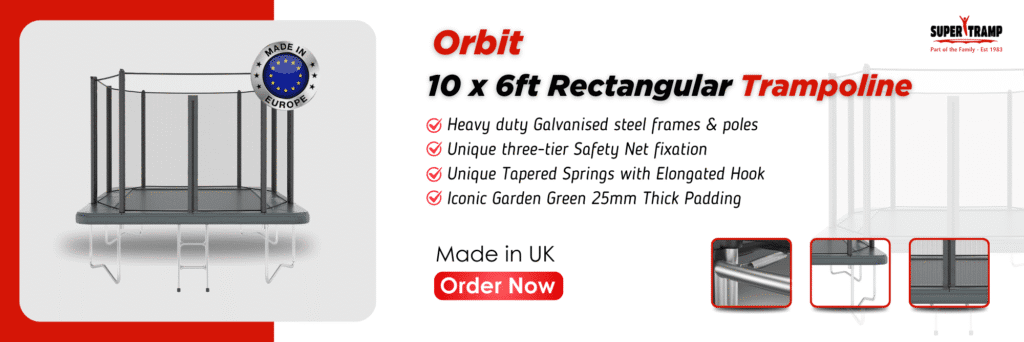
A full-size garden trampoline is ideal for those with enough space who wish to involve their whole family in exercise, while the mini rebounder is best for those seeking a cardio workout without weather or space limitations. We cannot say that one is better than the other: it depends on whether someone wants to work out alone or with their family, how much space they have, and their budget.
Which Trampoline Features Improve Comfort and Safety?
Look for a good jump mat with uniform tension, good galvanised springs, a proper safety enclosure, heavy frame pads if you’re serious about using it (and not just kids), and weather-resistant coatings if you’re planning on leaving it outside year-round (British weather does tend to erode thin steel coatings).
Trampoline Accessories Help You Exercise More Safely
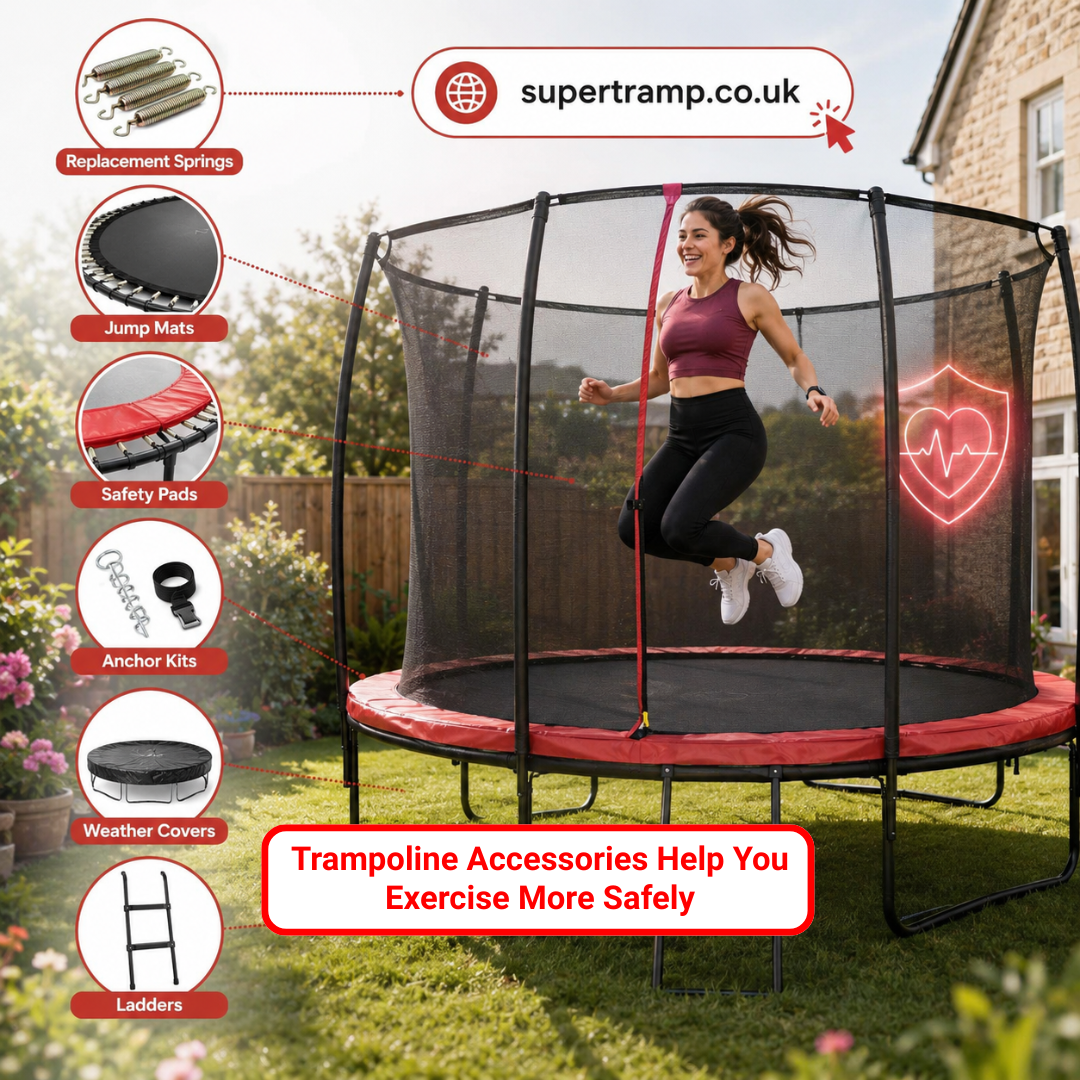
Trampoline safety enclosures serve more purposes than just protecting you from falling – for the more nervous beginner, the fact that they’re there helps them push through their fear and try something new. Most people who own one will be able to identify signs of wear before it becomes a problem, so long as they’re checked on a regular basis. The important parts you should eye are the following:
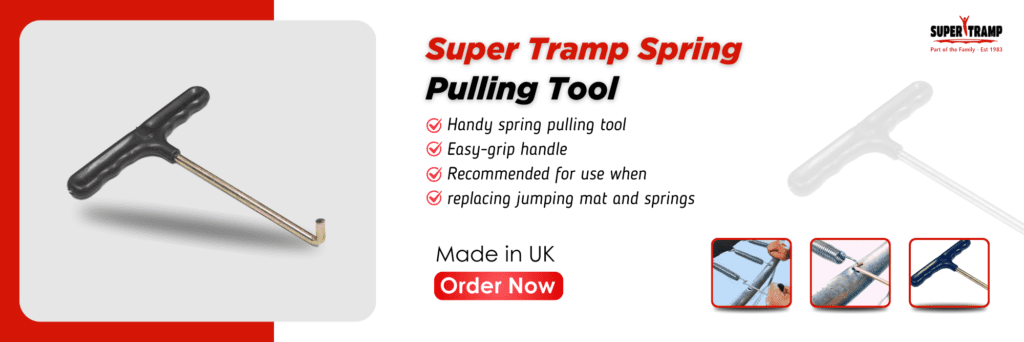
Replacement Springs
- Worn springs change bounce quality and increase joint strain.
Jump Mats
- UV exposure and repeated use weaken the fabric over years.
Safety Pads
- These cover the trampoline springs and frame edges. Cracked padding is a genuine injury risk.
Anchor Kits
- Anchor kits are essential in exposed UK gardens where wind can shift or lift a trampoline.
Weather Covers
- Weather covers extend the trampoline’s lifespan considerably over a British winter.
Ladders
- Ladders are useful for older adults or anyone with limited mobility getting on and off safely.