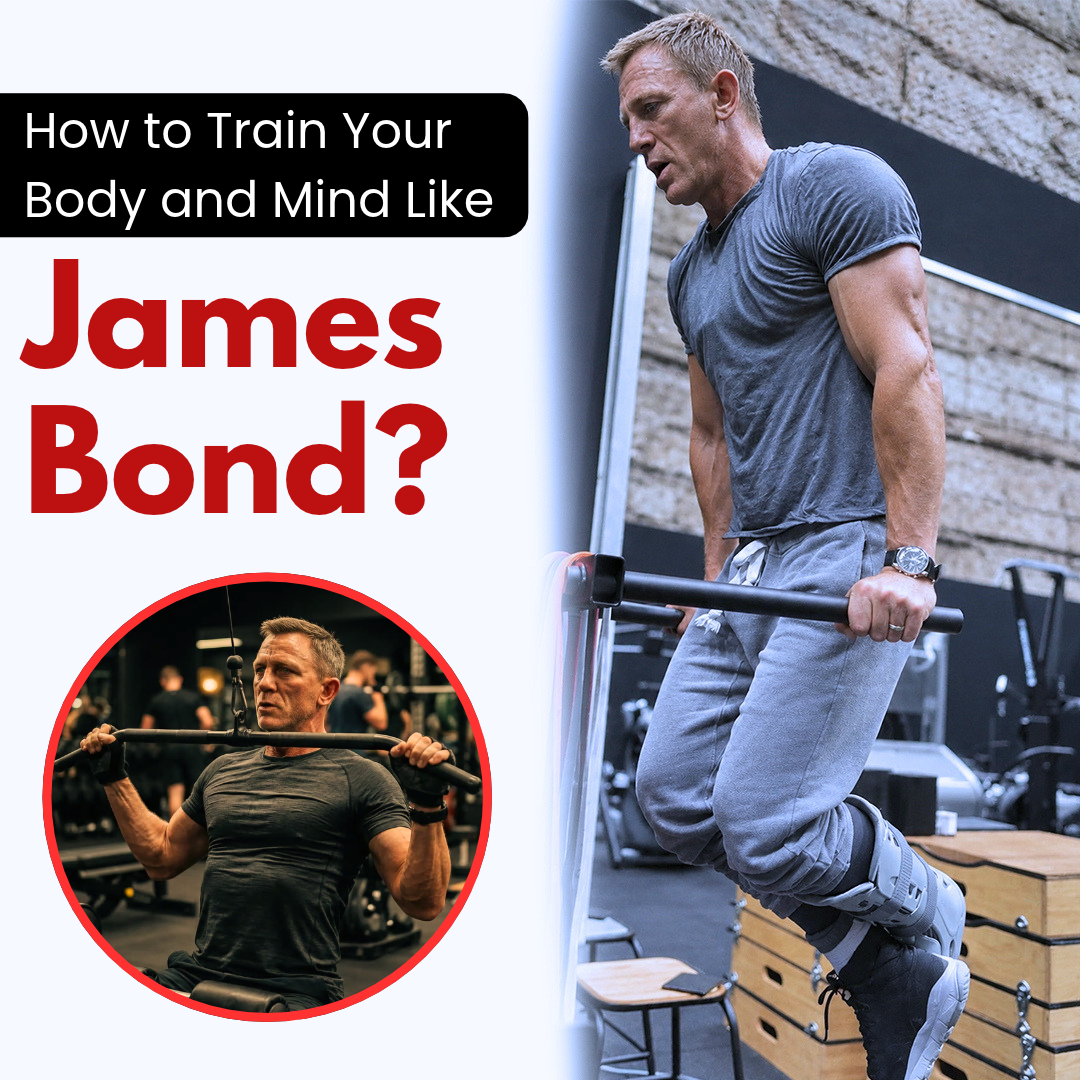
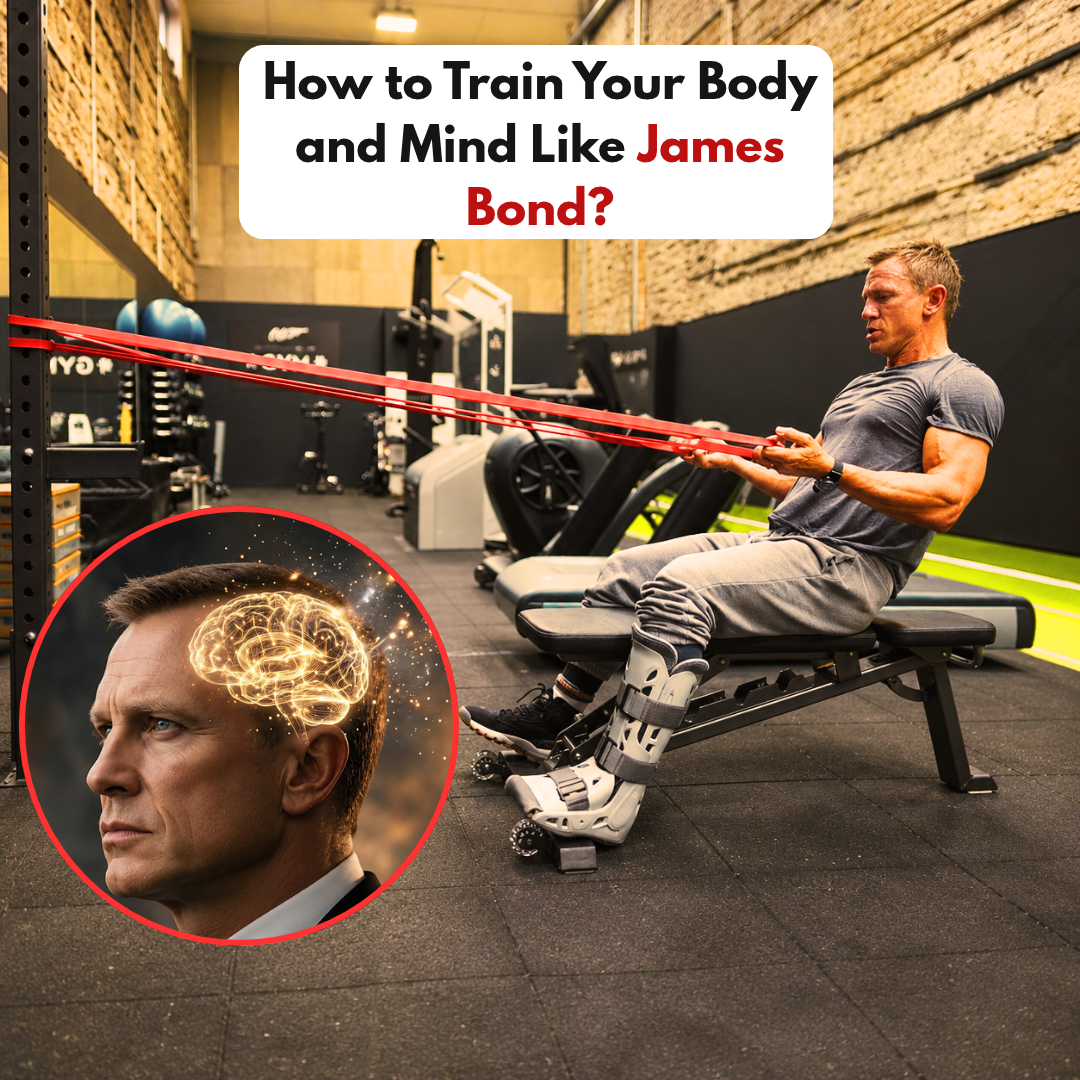
James Bond never seems out of breath. He sprints across a rooftop, takes a tumble, then straightens his jacket and carries on. It’s fiction, of course. But the qualities behind it are real: strength, stamina, balance, quick reactions and a calm head when plans go wrong.
Think back to the last time you watched a Bond film. Maybe it was the construction-site chase in Casino Royale, where he leaps between cranes without a flicker of doubt. Maybe it was the fight on top of a moving train in Skyfall. Or maybe it was a quiet moment: a tense card table, a locked room, a plan falling apart. Somewhere in the middle of it, you probably thought, “How is he so fit? And how does he stay so calm?”

That feeling isn’t just movie magic to admire from the sofa. The fitness and focus on screen come from habits anyone can start: steady training, smart recovery and a mind taught to stay composed. You won’t be chasing villains across rooftops, but you can feel stronger, move better and handle a stressful day with a clearer head.
You can build all of those without a villain on your tail. If you want to train like James Bond, you don’t need a luxury gym or a film budget. You need a sensible mix of strength, cardio, balance, focus and rest. A little fun helps too. That’s where trampolining comes in, as a playful way to practise coordination and keep moving.
So why not start now? Let’s look at what it really takes.
What Does It Really Take to Train Like James Bond?
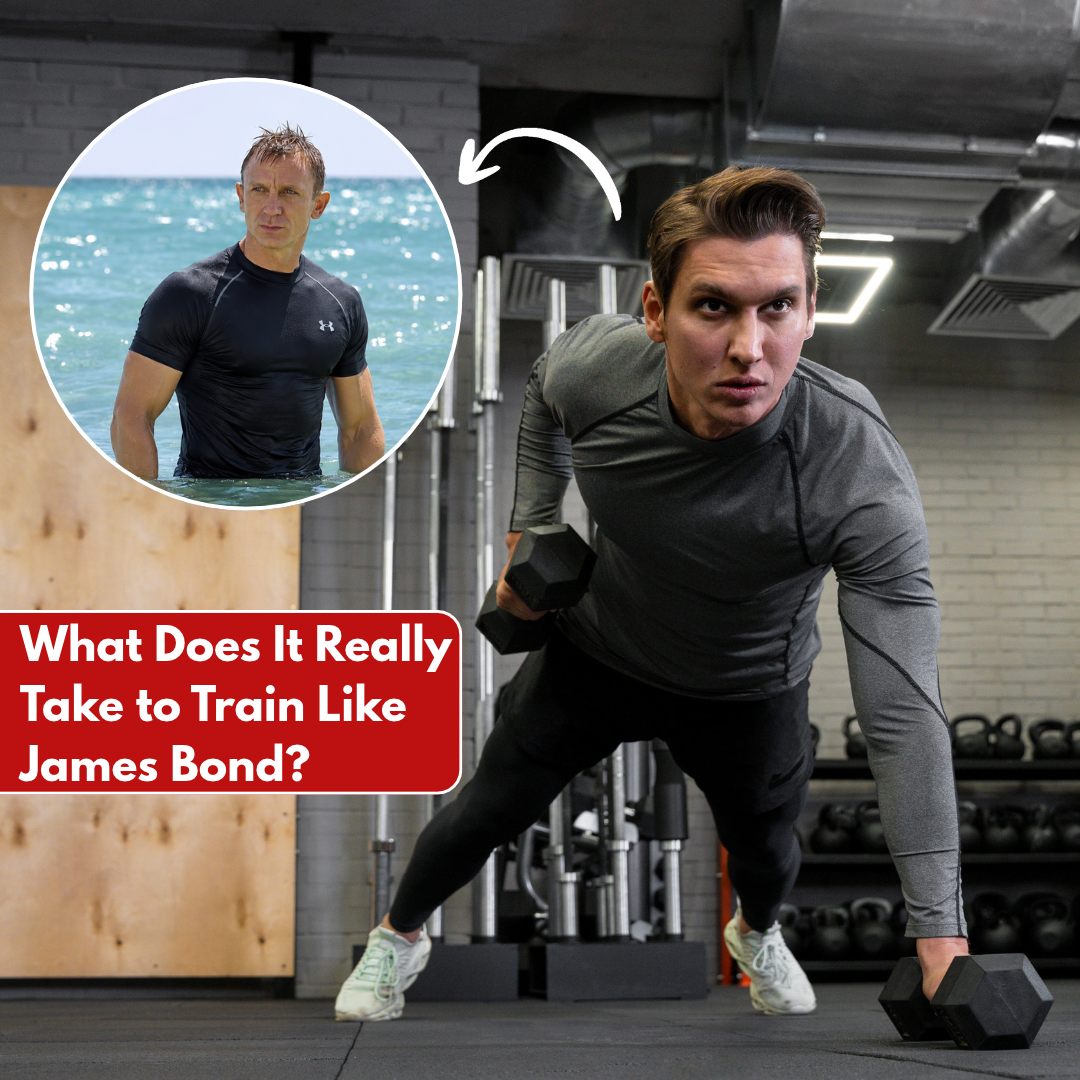
The 007 lifestyle is make-believe. The fitness behind it isn’t. Strength, endurance, agility and composure can all be trained with steady, realistic effort. Think of this as a James Bond-inspired fitness routine. It isn’t a copy of any actor’s programme. It’s a simple plan for ordinary weeks, ordinary homes and ordinary schedules.
Build Strength Without Sacrificing Agility
Bond’s strength looks useful rather than showy. That’s the kind worth building. It helps you carry shopping, climb stairs and move well.
Start with bodyweight exercises. Squats, push-ups and lunges need no kit. The NHS advises adults to do strength activities on at least two days a week, so even two short sessions count. Keep your form tidy and add reps slowly.
Train Your Stamina for the Unexpected
Stamina is what keeps you going when the day throws a surprise at you. The NHS suggests adults aim for at least 150 minutes of moderate activity a week. That sounds big, but it breaks down easily. Think 30 minutes, five days a week.
Brisk walking, cycling and swimming all work well. So do short trampoline sessions. A simple check helps: you should be able to talk, but not sing.
But fitness is only half the story. What makes Bond so impressive is how quickly he adapts when things change.
Actors Who Played the Legendary Role of James Bond and Their Workout Routines
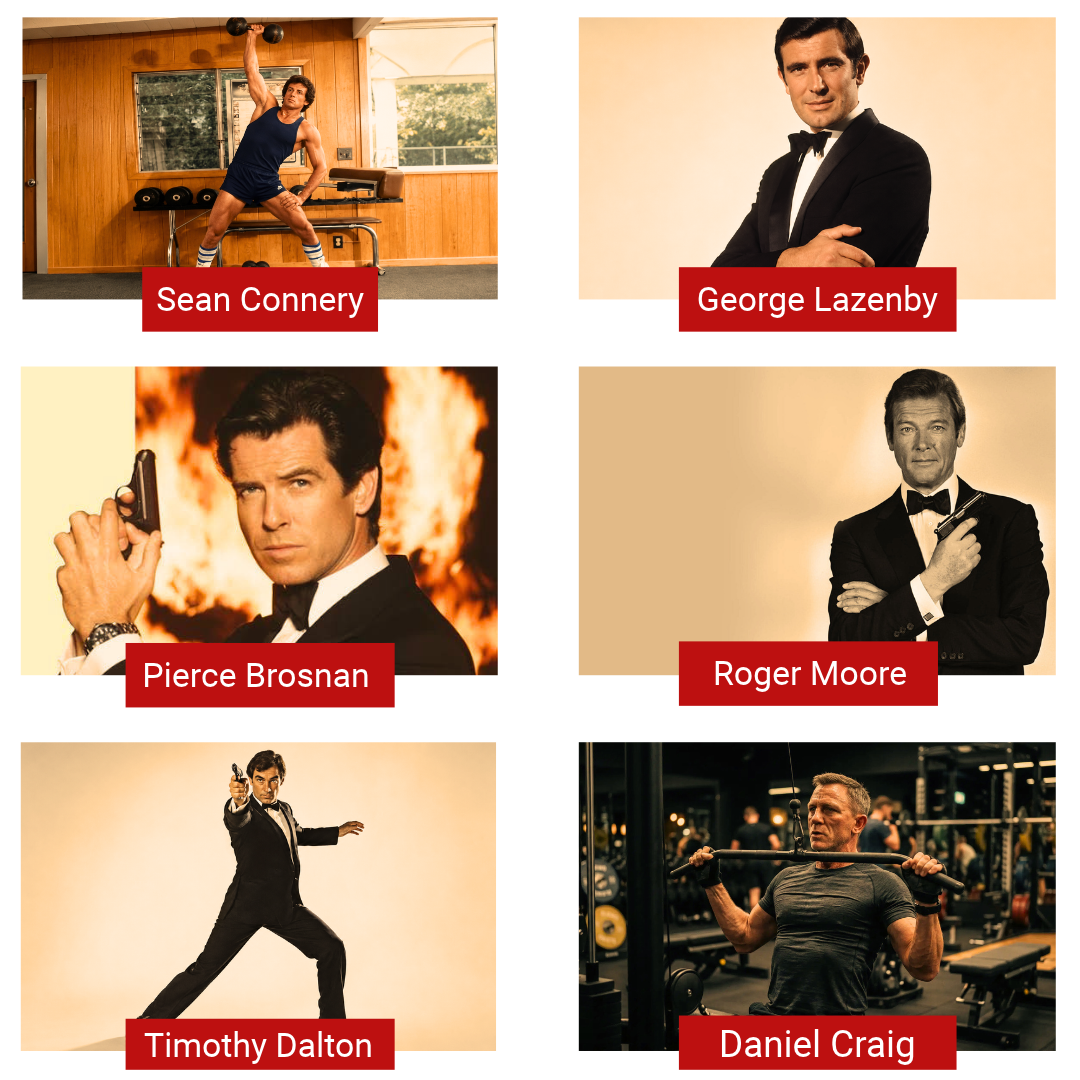
Every Bond actor trained differently. Some lifted heavy, some were fenced, and one barely stepped into a gym. These details come from interviews and press reports, so treat them as inspiration, not a strict plan. What matters is what you can learn from each of them.
Sean Connery: Lifting Weights for Strength
Before he was 007, Connery was a serious bodybuilder and entered the Mr Universe contest in the 1950s. His training was built around weights: heavy, simple lifts that built a broad, powerful body.
What You Can Learn
Strength takes time, and basic moves do the job. Squats, push-ups and lunges, done regularly, build the same kind of foundation.
George Lazenby: Combat Training
Lazenby came to Bond with almost no acting experience, so he leaned on physical preparation. He reportedly trained in boxing and martial arts for the fight scenes in On Her Majesty’s Secret Service.
What You Can Learn
Learning a skill keeps training exciting. Fighting-style workouts like shadow boxing or kickboxing classes build quick movement and good coordination.
Roger Moore: Light and Easy Movement
Moore played Bond with charm and a raised eyebrow, and he was never known as a gym fanatic. His approach was relaxed, with plenty of walking and staying active, and he never took fitness too seriously.
What You Can Learn
You don’t need hard workouts to stay active. A daily walk or a gentle bounce on a trampoline is still real movement, and it’s easy to keep up for years.
Timothy Dalton: Fencing and Stage Fitness
Dalton came from classical theatre, where acting is physical work. He trained in fencing, which builds footwork, speed and sharp reactions, and he was known for doing much of his own action.
What You Can Learn
Fencing, dance, climbing or trampolining all improve timing, balance and control.

Pierce Brosnan: A Mix of Cardio and Weights
Brosnan’s Bond was smooth, athletic and polished. His fitness is generally described as a blend of running, swimming and weight training, which gave him a lean, fit look without extreme bulk.
What You Can Learn
A little of everything works. Mixing cardio, strength and fun activities through the week keeps you fit and stops boredom.
Daniel Craig: The Full-Body Workout
Craig has the most visibly trained Bond body of all. For Casino Royale and later films, he reportedly did a varied mix of weight training, pull-ups, push-ups, kettlebells, running, swimming, rowing and stretching. The aim was a lean, strong, athletic build that could handle long action scenes.
What You Can Learn
Variety and consistency beat any single exercise. You don’t need his schedule. You need regular sessions that mix strength, cardio and recovery.
How to Become Like Them
Notice the pattern. Connery built strength, Lazenby learned to fight, Moore kept things easy, Dalton mastered a skill, Brosnan mixed it up, and Craig did a bit of everything. None of them copied each other, and you don’t have to either.
- Start where you are. Ten minutes a day counts.
- Pick your Bond. Love lifting? Train like Connery. Want variety? Train like Craig. Want something fun? Try a trampoline session and enjoy the ride.
- Mix strength, cardio and balance across the week, using the plan in this guide.
- Rest like a pro. Recovery is where your body gets stronger.
The best Bond workout is the one you enjoy enough to keep doing.
Master Agility, Balance and Quick Reactions
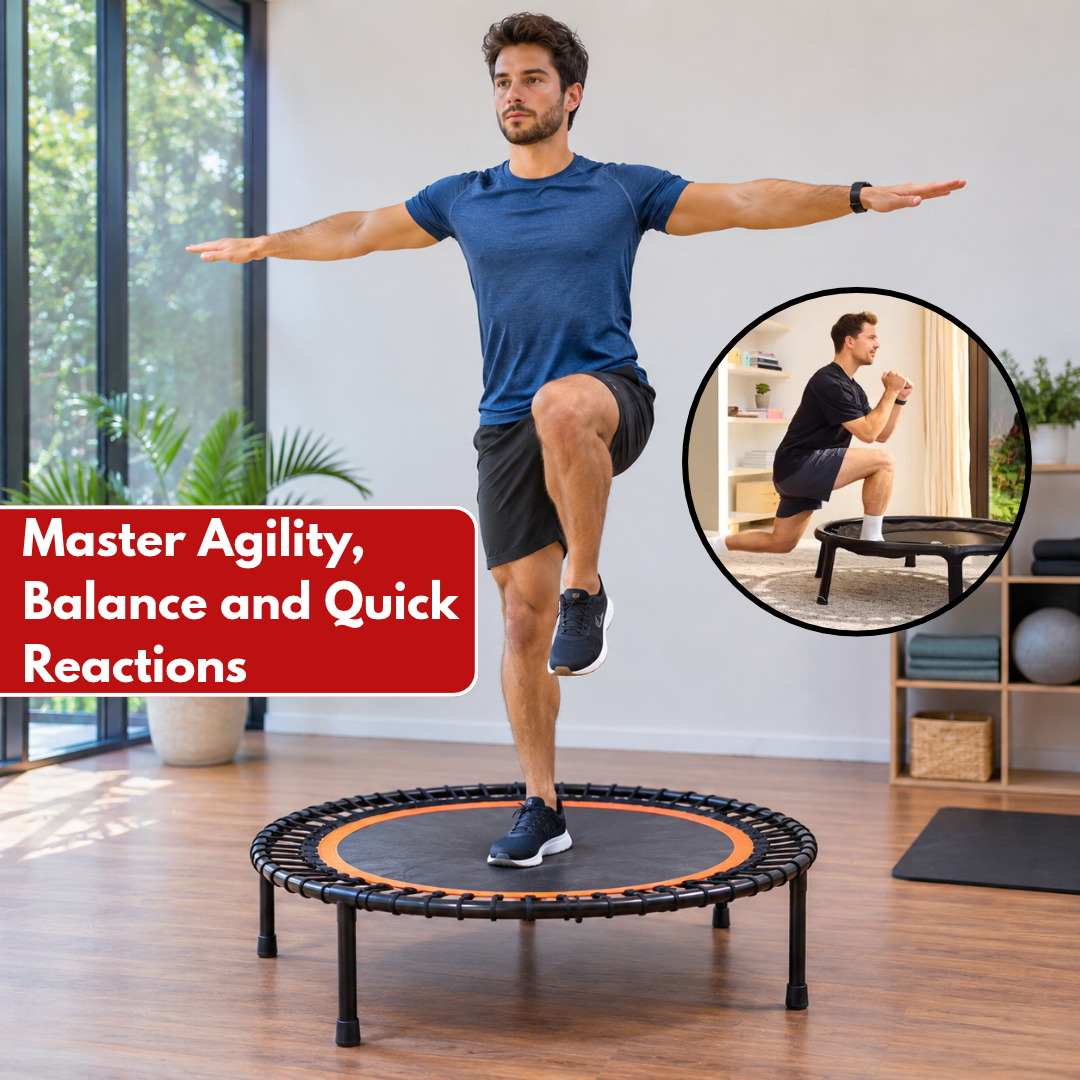
Agility is your ability to change direction and stay in control. Balance is what keeps you steady while you do it. Both matter far beyond the cinema, from a fast game of five-a-side to a muddy footpath after the rain.
Trampolining suits this well. The surface moves beneath you, so your body keeps adjusting. You can’t claim it will transform your reflexes. But it gives you a fun way to practise staying in control.
Improve Your Coordination One Movement at a Time
Coordination is your body’s teamwork. Arms, legs, core and eyes all need to agree. Small, controlled jumps ask you to time your landings and keep your posture tall. Do them often, and movement starts to feel smoother.
Make Balance Part of Your Training
Good balance is easy to ignore until you lose it. It helps you step off a kerb, turn on wet pavement or stay steady on one leg while putting on your shoes. A few minutes of balance work, twice a week, is a smart habit. Stand on one foot while you brush your teeth. Then try the weight shifts below.
Turn Your Trampoline Into an Agility Session
Here’s a simple nine-minute session for beginners. Adjust it to your fitness level, as this is an example, not personal exercise advice.
- Two minutes: gentle bouncing to warm up.
- Three minutes: controlled, low jumps.
- Two minutes: steady posture and consistent landings.
- Two minutes: gentle bouncing to cool down.
Safety comes first. Follow the manufacturer’s instructions and allow one jumper at a time. Skip flips and risky stunts. If you have an injury or health condition, or you’re pregnant, check with your GP or physio before you start.
If you’re choosing equipment for home workouts, a fitness trampoline is designed with exercise in mind.
5 Trampoline Exercises to Train Your Body and Mind Like James Bond
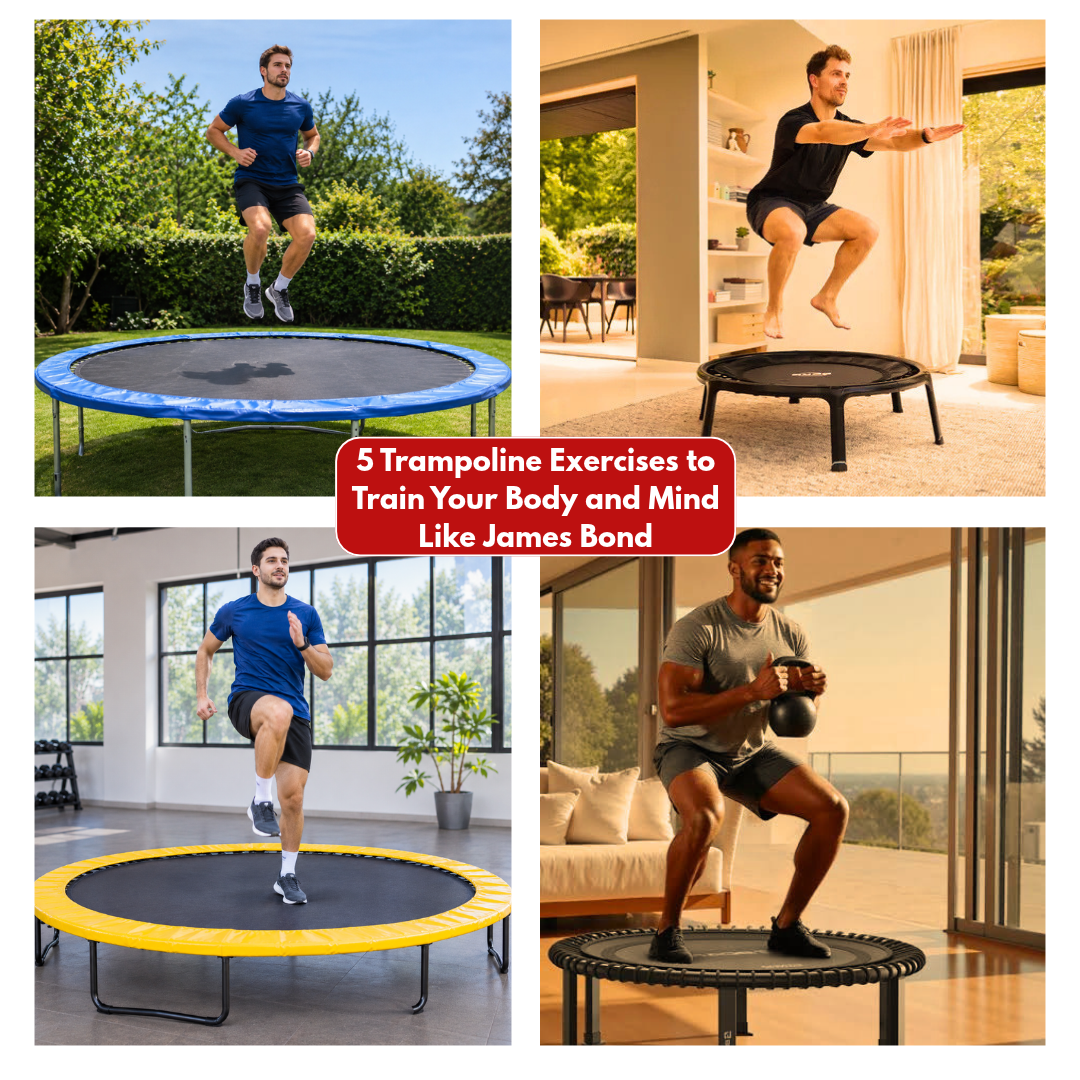
You don’t need daring stunts to get started. Simple, controlled movements make exercise more engaging. They also ask your body to move with awareness. Try these five in order. Start with 30 seconds each and build up gradually.
1. Basic Bounce for Cardio and Energy
Stand tall with your feet hip-width apart. Bounce gently, keeping your feet low and your knees soft. This raises your heart rate and wakes up your legs. It’s the easiest way to practise cardio on a garden trampoline.
2. Jogging on the Spot for Stamina
Switch to a light jog, lifting your feet just a little. Keep your arms relaxed. The change in rhythm adds variety. It also tests your endurance and coordination as the mat moves beneath you.
3. Side-to-side Weight Shifts for Balance
Stay low and gentle. Shift your weight from one foot to the other, as if you’re rocking in slow motion. You barely leave the mat. It trains body control and steadiness, which is good practice for everyday balance.
4. Controlled Mini Jumps for Coordination
Make small, even jumps. Aim for the same height and the same landing each time. Notice your posture, your timing and how softly you land. Precision beats height every time.
5. Mindful Bouncing for Focus and Relaxation
Slow down. Bounce gently and follow your breath. Feel the rhythm in your feet and the movement in your body. Let other thoughts drift past. It won’t solve every problem, but it gives a busy mind a short break while your body stays active.
You may not be leaping across rooftops. But these exercises make movement more enjoyable. Start at a comfortable pace and build up slowly. After all, even a secret agent needs a sensible training plan.
Regular movement can do more than keep your body active. It may also support better focus, coordination and mental well-being. Explore how trampoline jumping may benefit brain function and help you feel more mentally refreshed.
Train Your Mind to Stay Calm Under Pressure
Bond’s composure is part of what makes him effective. You can borrow the idea for work deadlines, tricky conversations and long, stressful days. Calm is a skill, and like any skill, it improves with practice.
Practise Focus Instead of Multitasking
During exercise, give your full attention to one thing. Notice your breathing, your posture and how each movement feels. This builds present-moment awareness. That’s handy when your phone is buzzing and three tabs are open.
Use Movement to Reset a Busy Mind
A short break can help you return to a task feeling fresher. Step away from the screen. Try a few minutes of gentle bouncing, a walk round the block or a stretch. It won’t make you a genius or wipe out stress. But a change of scene often clears the head.
Create a 007-inspired Fitness Routine You Can Actually Stick to
Here’s a flexible weekly example for generally healthy adults. Adjust the intensity to suit you.
Day | Focus | Ideas |
Monday | Strength | Squats, push-ups, lunges |
Tuesday | Agility and coordination | Short, controlled trampoline session |
Wednesday | Active recovery | Walking, stretching, mobility work |
Thursday | Cardio and stamina | Brisk walking, cycling or swimming |
Friday | Strength and balance | Simple strength moves, balance work |
Saturday | Fun movement | Trampolining or any activity you love |
Sunday | Rest and reset | Recover and plan the week |
Keep Your Training Short Enough to Repeat
Consistency beats heroics. A 20-minute session you repeat is better than a punishing hour you dread. Start small. Progress gradually. Leave room to recover.
Make Fitness Something You Look Forward To
Most of us quit workouts that feel like chores. We keep the ones we enjoy. That’s why playful movement matters. A rectangular trampoline can turn a spare ten minutes into something you actually want to do, whether you’re warming up before a run or just bouncing after work.
Eat, Sleep and Recover Like a Secret Agent

Bond-inspired training isn’t about pushing hard every day. Recovery is where your body adapts and your energy returns. Look after it, and you’ll train better and feel better.
Fuel Your Body for Energy and Performance
Keep it simple. Build meals around vegetables, fruit, whole-grain carbohydrates and protein sources like fish, eggs, beans or lean meat. Drink water through the day. The NHS Eatwell Guide is a good, balanced reference. No extreme diets are needed.
Make Sleep Part of Your Training Plan
Sleep supports recovery, concentration and everyday energy. The NHS says most adults need between six and nine hours. A regular bedtime and a screen-free wind-down can help.
Know When to Take a Break
Rest days are part of the plan. Ease off if you notice sharp pain, soreness that lingers or unusual tiredness. More exercise isn’t always better. If something feels wrong, speak to a health professional.