
Have you ever felt that staying fit means pushing your body to the limit, jumping through intense routines, or spending hours at the gym? For many people, that approach feels exhausting, unrealistic, or even risky for their joints. If you have ever avoided workouts because they felt too demanding, time-consuming or painful, you are not alone in thinking this way.
But reality is that you do not need high-impact exercises to stay active and healthy. Low-impact cardio gives you a practical way to improve your fitness without putting pressure on your knees, hips, or ankles. It allows you to move consistently, build strength, and improve endurance, all from the comfort of your home.

In this blog, you will discover the real benefits of low-impact trampoline cardio and a wide range of exercises you can easily include in your daily routine. You will also learn how to build a balanced workout plan that suits your lifestyle.
Let’s take a smarter approach to fitness that works with your body, not against it.
Proven Benefits of Low-Impact Cardio at Home
Low-impact cardio is not about doing less. It is about doing what works best for your body while still achieving results. These exercises, like simple jumping jacks on an affordable garden trampoline, help you stay consistent without feeling overwhelmed or risking injury. Let’s break down why this makes such a difference in everyday fitness.
1. Protects Your Joints
Low-impact cardio reduces stress on your joints by avoiding harsh, repetitive movements. Instead of jumping or landing heavily, you perform controlled actions that keep your body moving smoothly. This makes it easier to stay active without discomfort, especially if you have previous injuries or joint sensitivity. Over time, this gentle approach helps you build strength and mobility while maintaining long-term joint health.
2. Ideal for All Ages
One of the biggest advantages of low-impact cardio is its flexibility. Beginners can start with simple movements and simple equipment like trampolines to build confidence gradually, while experienced individuals can increase intensity by adjusting speed or repetitions. It also works well for older adults who want to stay active without risking injury. This adaptability ensures that anyone can benefit from it, regardless of their starting point.
3. Fits Into a Busy Routine
You do not need a large space or long hours to stay active. Most low-impact exercises can be done in short sessions, making them ideal for busy schedules. You can fit them into your day before work, during breaks, or in the evening. With convenience covered, let’s see how this approach supports your overall health.
4. Supports Weight Management and Cardiovascular Health
Consistent low-impact in-ground trampoline workouts help burn calories and improve cardiovascular health. By maintaining a steady heart rate, these exercises support endurance and better circulation. Over time, this contributes to improved energy levels and weight management. It shows that you can achieve meaningful results through consistency rather than intensity.
Amazingly & Efficient Low-Impact Trampoline Cardio Workouts at Home
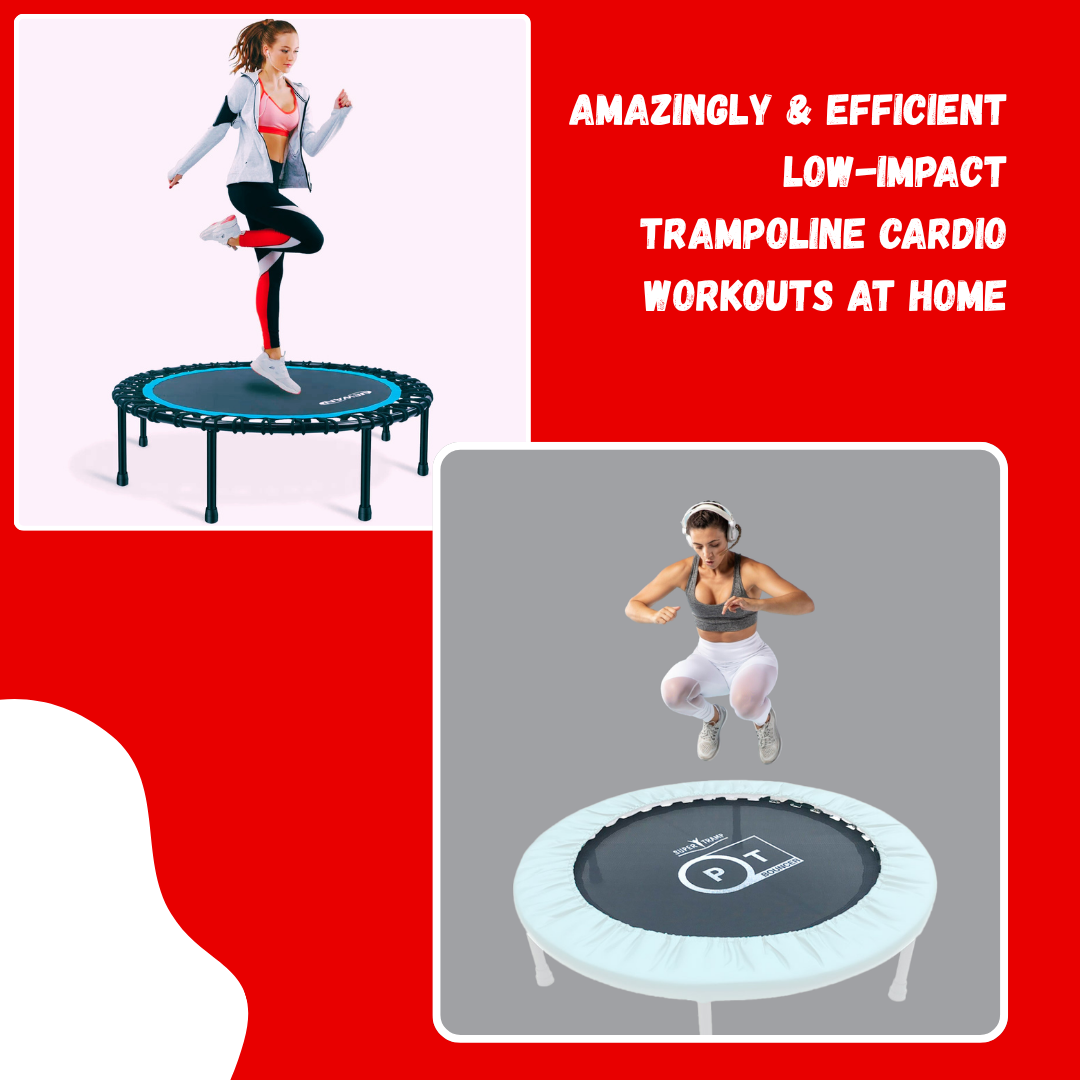
If you want to make cardio feel lighter on your joints but still effective, trampolining gives you that balance. The surface absorbs impact, so you can move more freely while still keeping your heart rate up.
Basic to Dynamic Trampoline Moves
Start simple, then build intensity as your body gets comfortable. Each movement below keeps your body active without feeling harsh or forced.
1. Basic Bounce
This is where most people begin. Keep your feet flat on the trampoline and focus on small, controlled bounces. It helps your body adjust to the surface while gently raising your heart rate. Use it as a warm-up or recovery between intense moves.
2. Jumping Jacks
Perform jumping jacks on the 12ft trampoline with controlled arm and leg movements. The surface reduces pressure on your joints compared to hard ground. It keeps your rhythm steady and works your full body at once. Start slow, then increase pace gradually.
3. Jumping in Place
Stay centred and bounce with both feet together. This movement improves your balance and stamina over time. Keep your core tight to stay stable. It is simple but surprisingly effective when done consistently.
4. High-Knee Jumps
Lift your knees higher with each bounce while staying controlled. This engages your core and increases intensity. Keep your posture upright to avoid strain. It works well when you want to push your cardio slightly further.
5. Butt Kickers
Bring your heels towards your glutes while bouncing. This targets your hamstrings and keeps your movement light. Maintain a steady rhythm rather than rushing. It is a good way to keep your workout flowing.
Intermediate Trampoline Jumps for Strength and Control
Once your body feels more confident, you can add movements that challenge your coordination and strength.
6. Squat Jumps
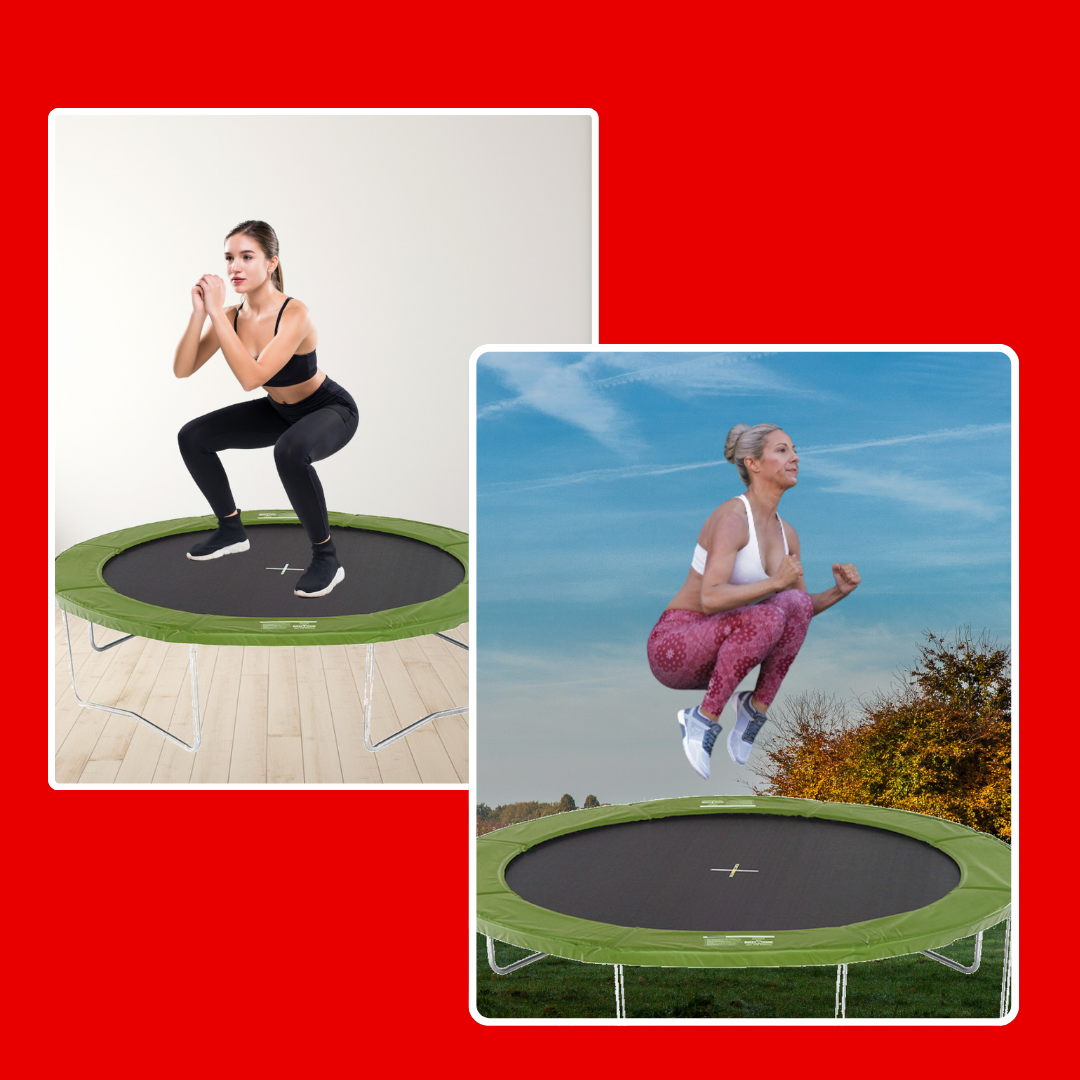
Lower into a squat and push up into a gentle jump. The fitness trampoline softens the landing, making it safer for your knees. Focus on control rather than height. This helps build lower body strength steadily.
7. Tuck Jumps
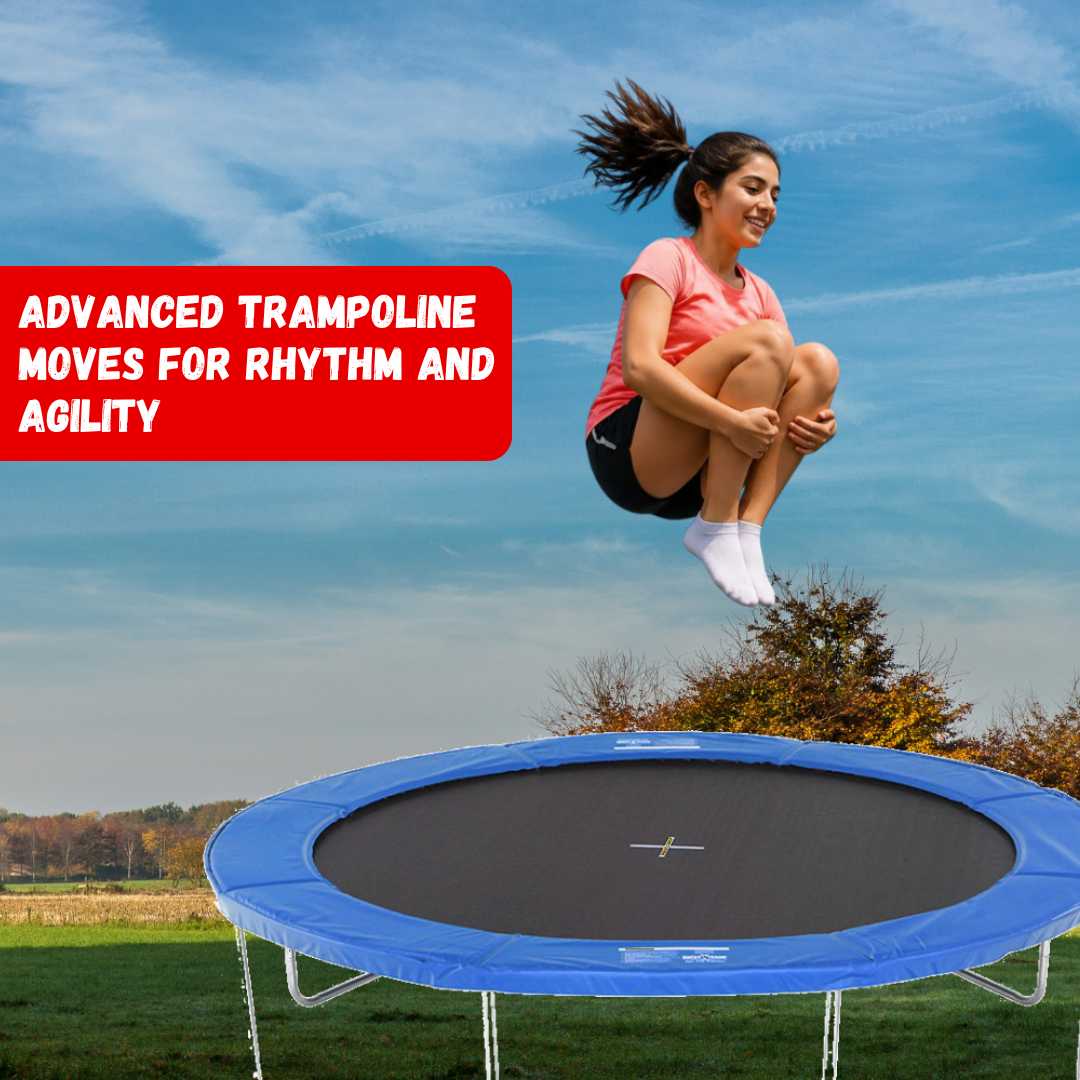
Jump and bring your knees towards your chest in a controlled motion. This exercise strengthens your core and enhances your coordination. Keep your landings soft and balanced. Start with smaller lifts if you are new to it.
8. Twist Jumps
Rotate your hips slightly from side to side while jumping. This improves flexibility and engages your core muscles. Keep your upper body steady to stay balanced. It adds variety without increasing impact.
9. Scissor Jumps
Switch your legs forward and backward with each bounce. This movement improves coordination and balance. Keep the motion controlled to avoid strain. It works well in short intervals. Make sure the trampoline is secured with premium-quality trampoline safety pads.
10. Pike Jumps
Extend your legs forward while keeping them straight during the jump. This engages your core and improves flexibility. Focus on form rather than height. It becomes easier with practice.
Advanced Trampoline Moves for Rhythm and Agility
These movements add more variety and help you stay engaged as your stamina improves.
11. Straddle Jumps
Spread your legs out to the sides mid-air and bring them back together as you land. This movement improves flexibility and coordination. Keep your jumps controlled to maintain balance.
12. Ski Jumps
Jump side to side while keeping your feet together. This mimics a skiing motion and improves lateral movement. It helps build agility without adding impact.
13. Surf Jumps
Stand sideways and shift your weight from one side to another while bouncing. This challenges your balance and core stability. Keep your knees slightly bent for control. Make sure you use safe-grip trampoline socks.

14. Bending Knee Jumps
Alternate bending one knee at a time during each bounce. This keeps your movement dynamic and engages different muscle groups. It is simple but keeps your body active.
15. Vertical Jumps
Focus on straight upward jumps with controlled landings. This builds power while the trampoline with a safety net absorbs most of the impact. Keep your core engaged for better stability.
Strength-Based Low-Impact Cardio
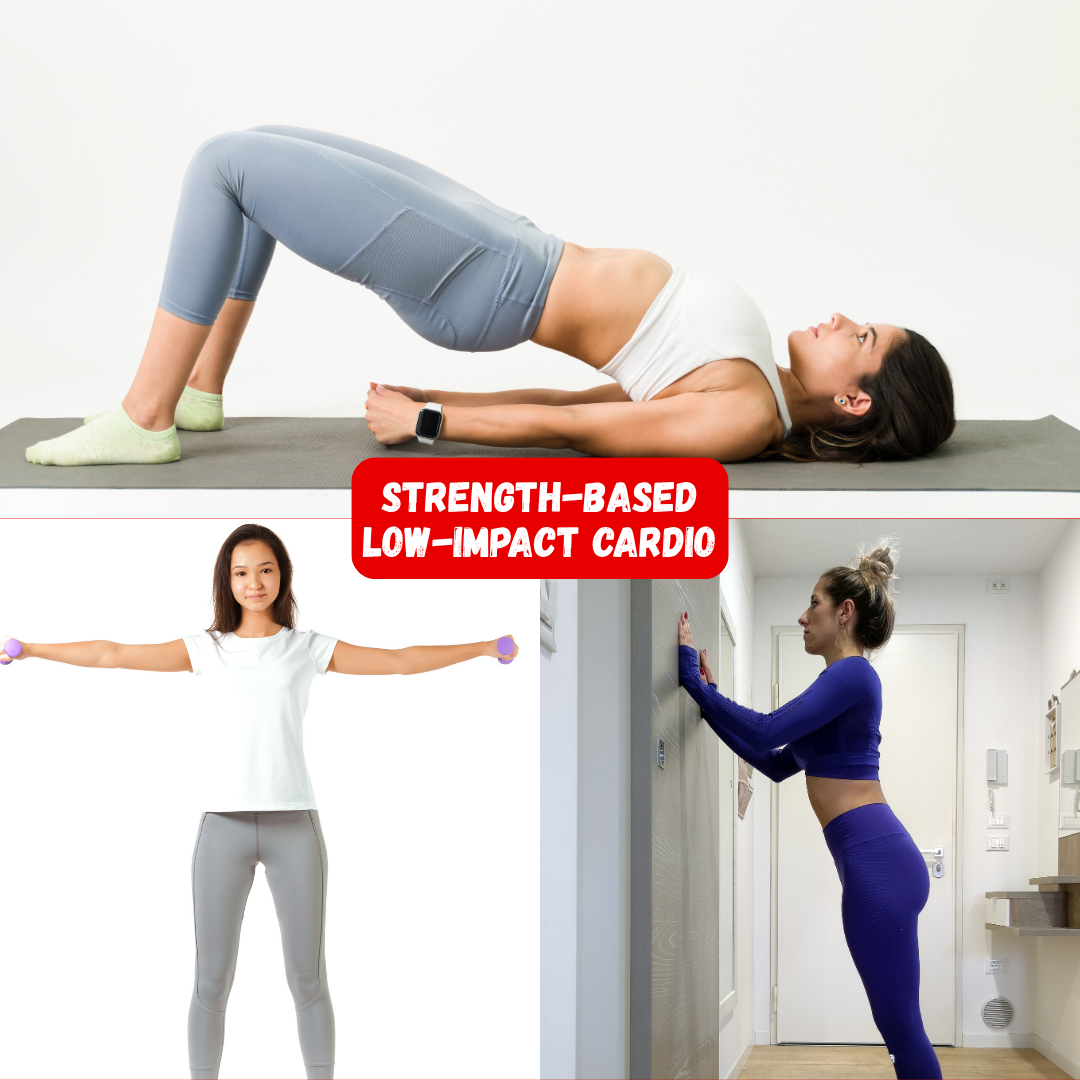
Now that your cardio is in place, adding strength movements helps balance your routine and supports overall fitness.
16. Wall Push-Ups
Stand facing a wall and perform controlled push-ups. This reduces strain while still working your upper body. It is ideal if you are building strength gradually.
17. Glute Bridges
Lie on your back and lift your hips slowly. This strengthens your glutes and lower back. Keep the movement steady for better control and results.
18. Arm Circles with Steps
Step lightly while moving your arms in circles. This keeps your body active and improves coordination. It also helps maintain a steady rhythm.
Low-Impact Functional Movements
To round things off, these movements support everyday mobility and keep your body moving naturally.
19. Low-Impact Skaters
Step side to side in a controlled motion. This improves balance and coordination. Keep your movements smooth and steady.
20. Modified Burpees
Step back into a plank and return to standing without jumping. This keeps the movement effective while reducing strain. Focus on control throughout.
Effective Ways to Build an Effective Low-Impact Cardio Routine
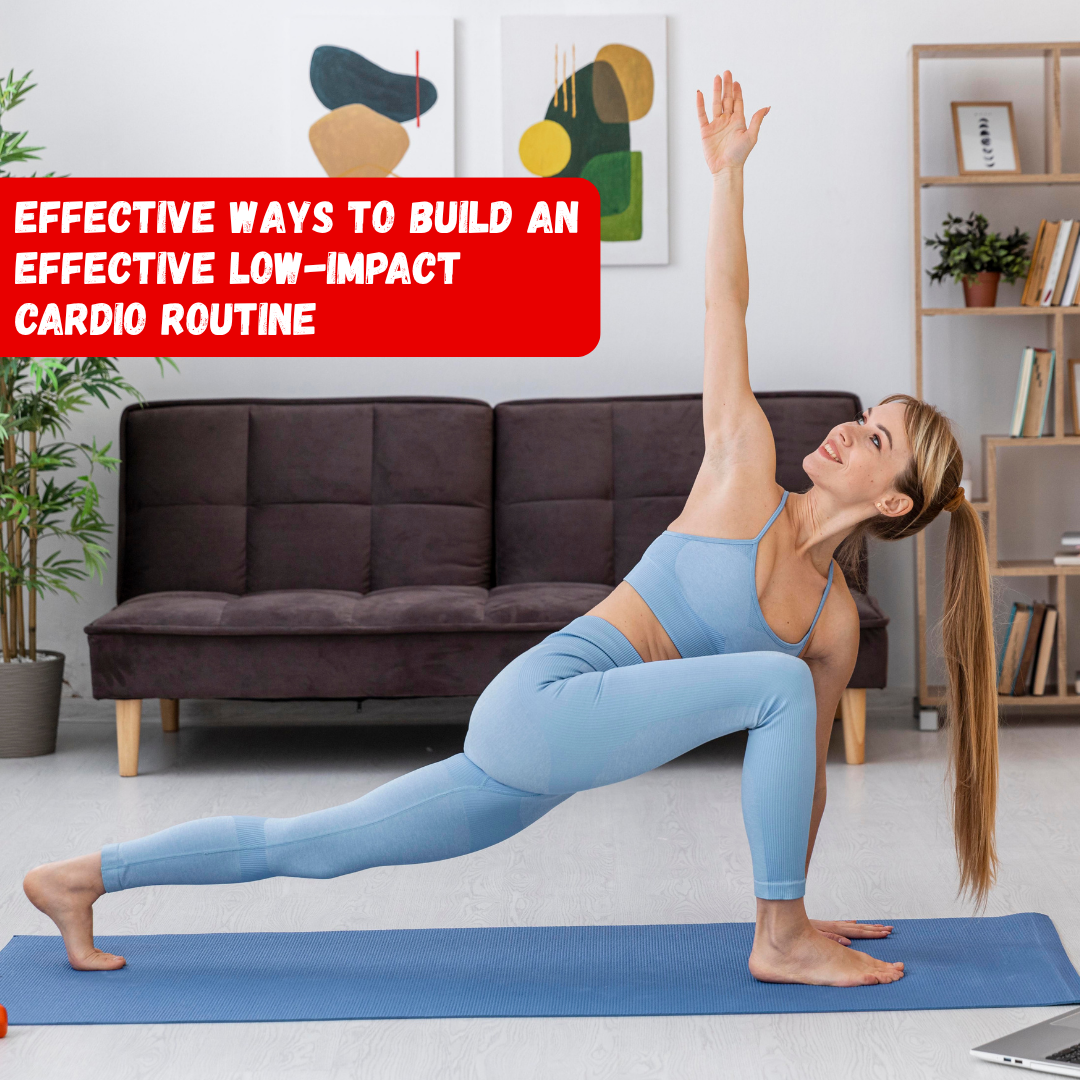
Creating a routine does not need to feel overwhelming. With the right approach, you can build a balanced workout that fits your lifestyle and keeps you consistent. Here’s how to plan your routine successfully.
1. Choose the Right Combination of Exercises
A balanced routine includes a mix of standing, lower body, and core exercises. This ensures that your entire body stays engaged. Variety also makes your training more interesting and eliminates monotony. By combining different movements, you can achieve better overall results.
2. Set the Right Duration and Intensity
If you’re new to fitness, start with brief workouts. Gradually increase your workout time as your endurance improves. Focus on maintaining a steady pace rather than pushing too hard. This allows you to remain consistent without feeling devastated.
3. Focus on Consistency Over Intensity
Consistency is the key to long-term success. Regular movement, even in small amounts, leads to better results over time. Instead of intense sessions, aim for frequent and manageable workouts. This approach helps you build a sustainable fitness habit.
Conclusion
Low-impact cardio at home offers a practical and sustainable way to stay active without putting unnecessary strain on your body. From simple standing movements to strength-based exercises, you have a wide range of options to keep your routine balanced and engaging. By focusing on controlled movements, you protect your joints while still improving your fitness and endurance.
The key takeaway is that you do not need intense workouts to see results. Consistency, variety, and a routine that fits your lifestyle matter more. When you make movement a regular part of your day, you build a stronger, healthier body over time.
Start small, stay consistent, and let every step move you closer to better health.