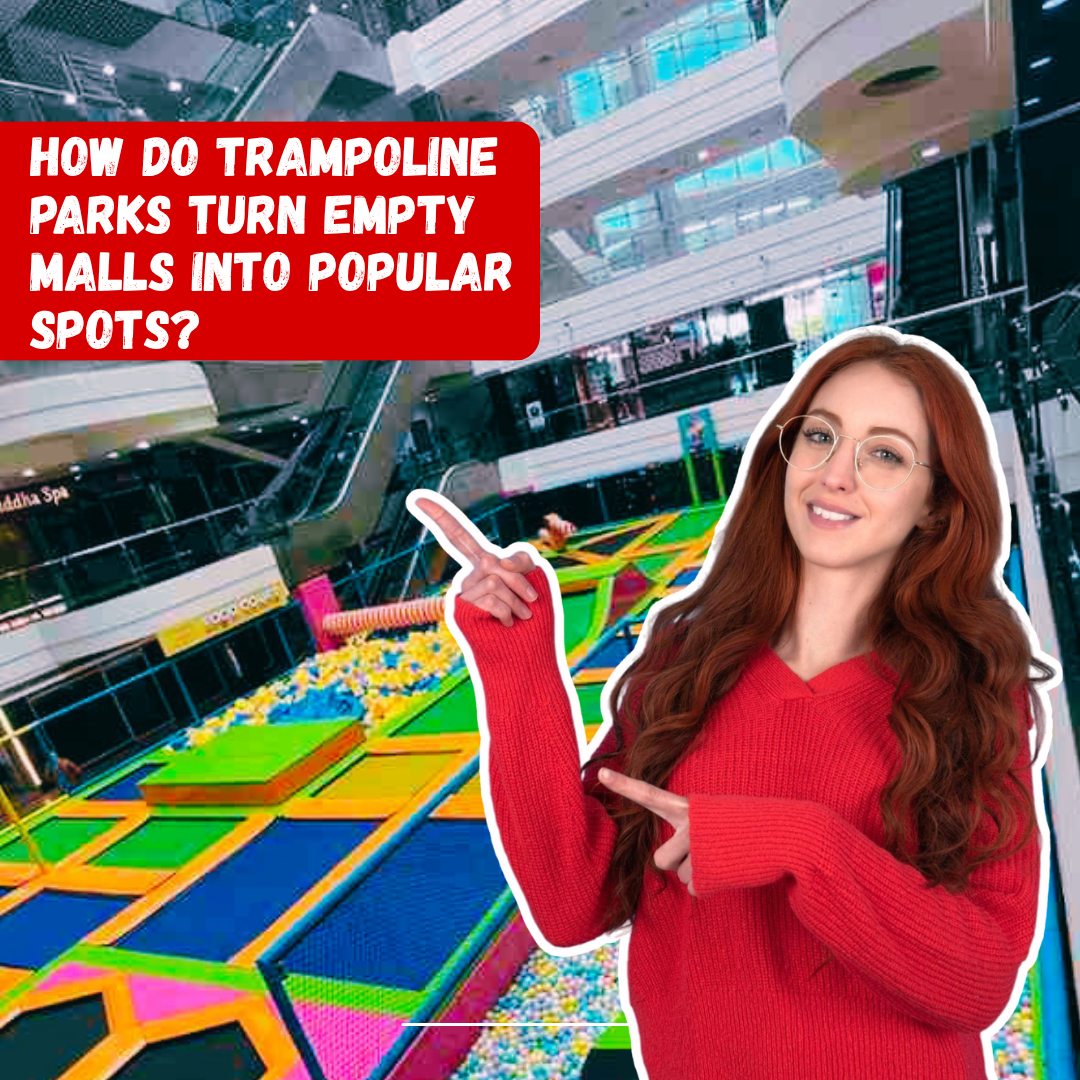
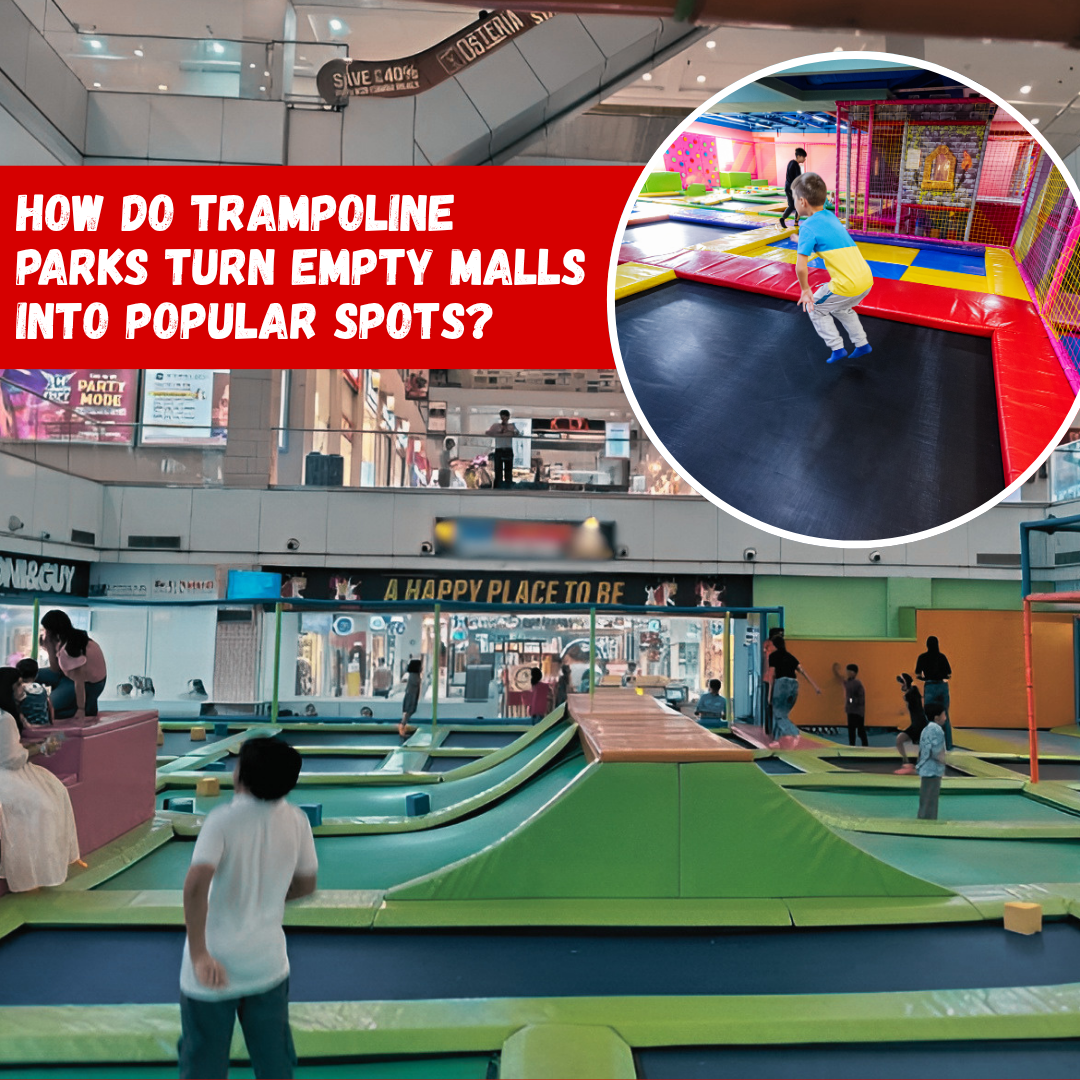
What makes people choose one mall over another today? It’s no longer just about shops & ambience. Across the UK, visitors expect experiences that keep them engaged, active, and entertained. Malls face growing pressure as online retail reshapes customer behaviour. Families want more than browsing; they want places to spend quality time, while younger audiences look for social and interactive spaces.
This is where trampoline parks make a real difference. They turn ordinary retail spaces into lively destinations that attract visitors, increase dwell time, and encourage repeat visits. This shift highlights how entertainment and retail can work together to create stronger, more relevant shopping experiences. In this blog, you’ll explore why trampoline parks matter in today’s malls and how they help shape the future of modern retail.
10 Real Advantages of a Trampoline Park in a Mall
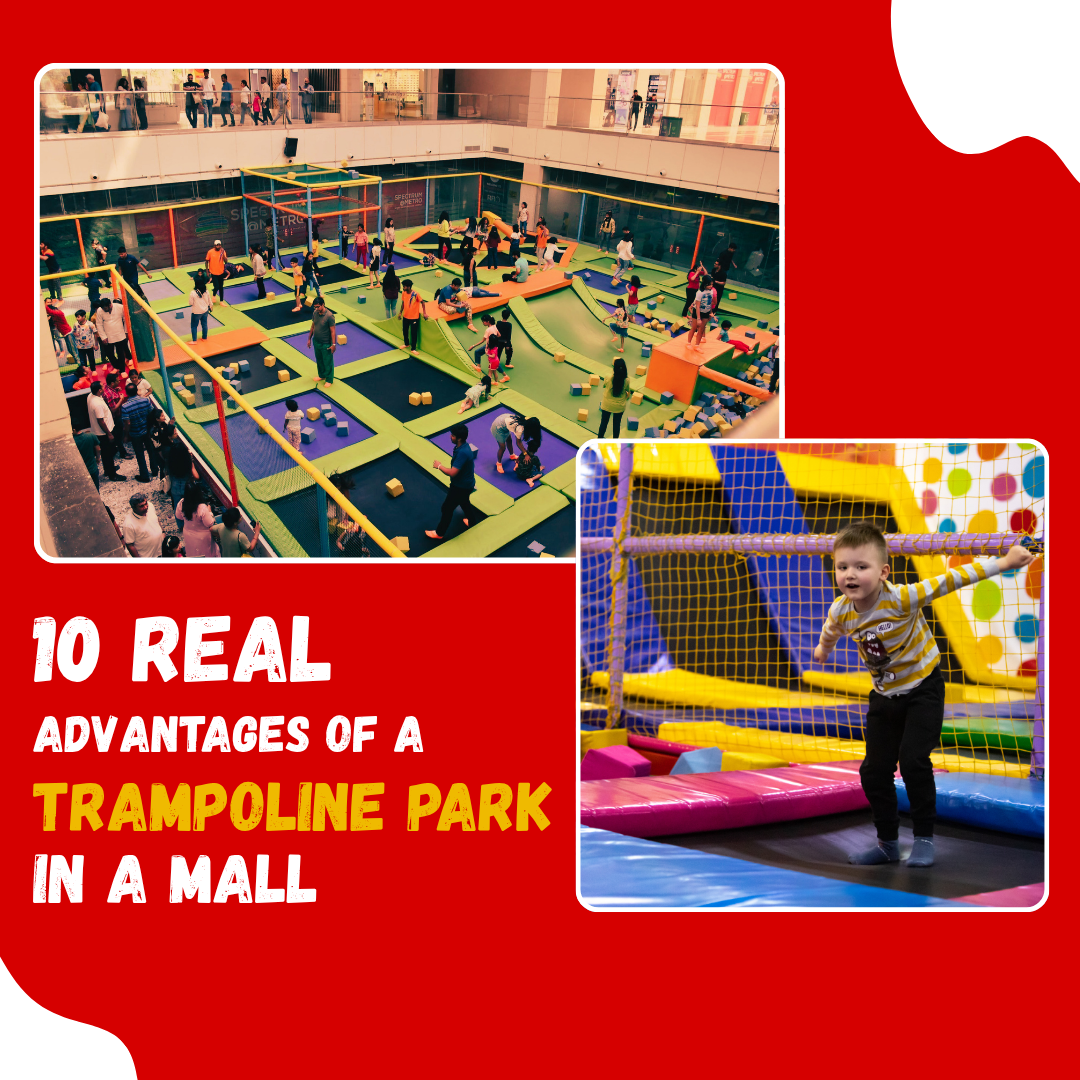
Modern shopping centres must deliver more than products. They must create reasons for people to visit, stay, and return. Adding a trampoline park is not just an upgrade. It is a strategic move that strengthens both customer engagement and commercial performance.
1. Creates a Unique Competitive Edge
In a crowded retail market, differentiation matters. Trampoline parks give shopping centres a unique identity, helping them stand apart from competitors that rely only on traditional retail.
This uniqueness also changes how long visitors choose to stay.
2. Encourages Longer Dwell Time
Visitors rarely leave quickly after engaging in activities. They spend more time exploring the mall, eating, shopping, and socialising, which increases overall engagement.
And importantly, this appeal is not limited to one type of visitor.
3. Appeals to All Age Groups
From young children to adults, trampoline parks offer inclusive entertainment. This broad appeal ensures that shopping centres attract a diverse audience throughout the week.
At the same time, they contribute to something bigger than entertainment.
4. Supports Health and Active Lifestyles
Trampoline activities promote movement, fitness, and well-being. This positions the shopping centre as a space that supports healthy, active living rather than passive consumption.
When you look deeper, these benefits connect directly to changing consumer behaviour.
5. Experience-Led Shopping
Shoppers now prioritise experiences over products, and trampoline parks provide interactive engagement that retail alone cannot offer. This transforms malls into places where people come to enjoy, not just purchase, creating stronger emotional connections and encouraging return visits. This shifts malls from stopover spaces to planned destinations.
6. All-Weather Entertainment
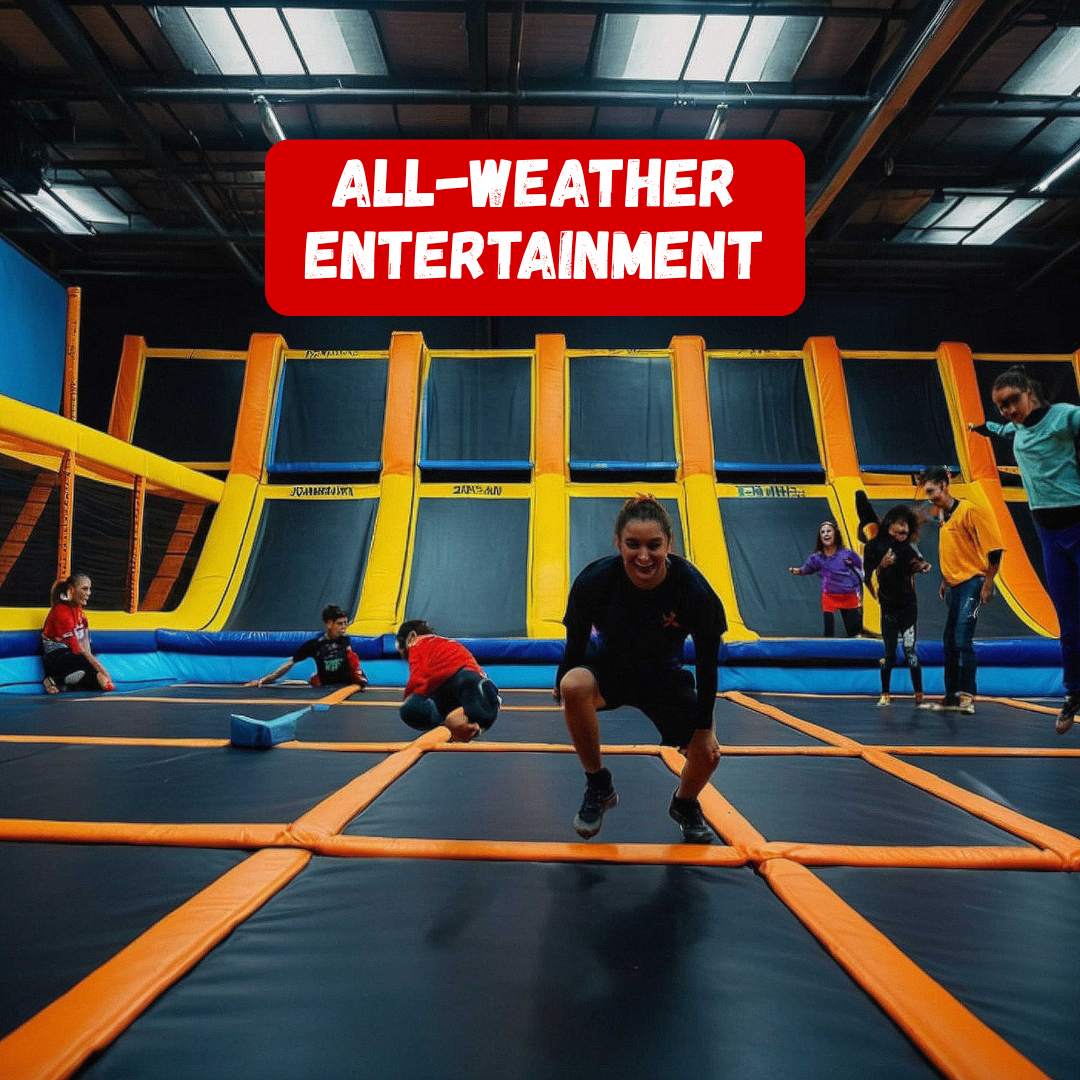
Indoor trampoline parks offer consistent entertainment regardless of weather conditions. In places like the UK, where weather can be unpredictable, this reliability keeps trampolining steady throughout the year. Visitors do not need to cancel plans due to rain or cold, making it a dependable choice for outings. This consistency helps malls maintain regular traffic even during off-peak seasons. This consistency attracts a wide audience.
7. Repeat Visits
The fun and progression-based activities encourage visitors to return frequently. With varied activities and skill progression, trampoline parks encourage visitors to return. Whether it’s improving skills or enjoying group sessions, repeat visits help maintain consistent footfall for the mall. New challenges and evolving activities keep the experience fresh each time. This ongoing engagement builds long-term customer loyalty. These visits often become social experiences.
8. Social Experiences
These parks provide the perfect setting for group activities, parties, and shared moments. Such social experiences create lasting memories and often lead to word-of-mouth promotion, benefiting the entire mall. Visitors are more likely to recommend places where they have enjoyed time with others. This social buzz naturally attracts new audiences.
9. Active Leisure Demand
People increasingly look for fun ways to stay active. Trampoline parks combine fitness with entertainment, making exercise enjoyable and accessible without feeling like a routine workout. They support both physical health and mental well-being through movement and play. This aligns with modern lifestyle trends focused on balanced living. While all these benefits matter, safety and structure remain the foundation.
10. Built on Safety and Structure
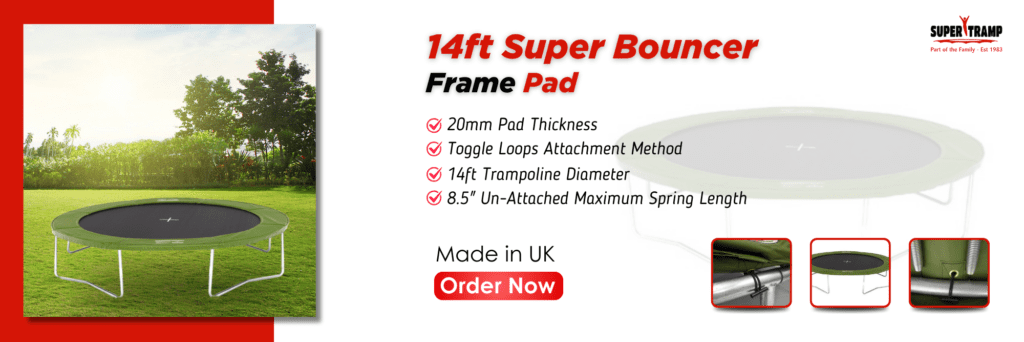
Behind the fun, safety remains essential. Structured sessions, trained staff, and clear guidelines ensure a secure environment. This builds trust, especially among families, and supports long-term engagement. Well-maintained equipment and supervision further enhance confidence among visitors. A safe environment with the right safety padding encourages repeat visits and positive experiences.
While these benefits highlight the value of trampoline parks, delivering them consistently depends on how well the experience is structured.
Why Are Somersault Systems Perfect for Trampoline Parks?
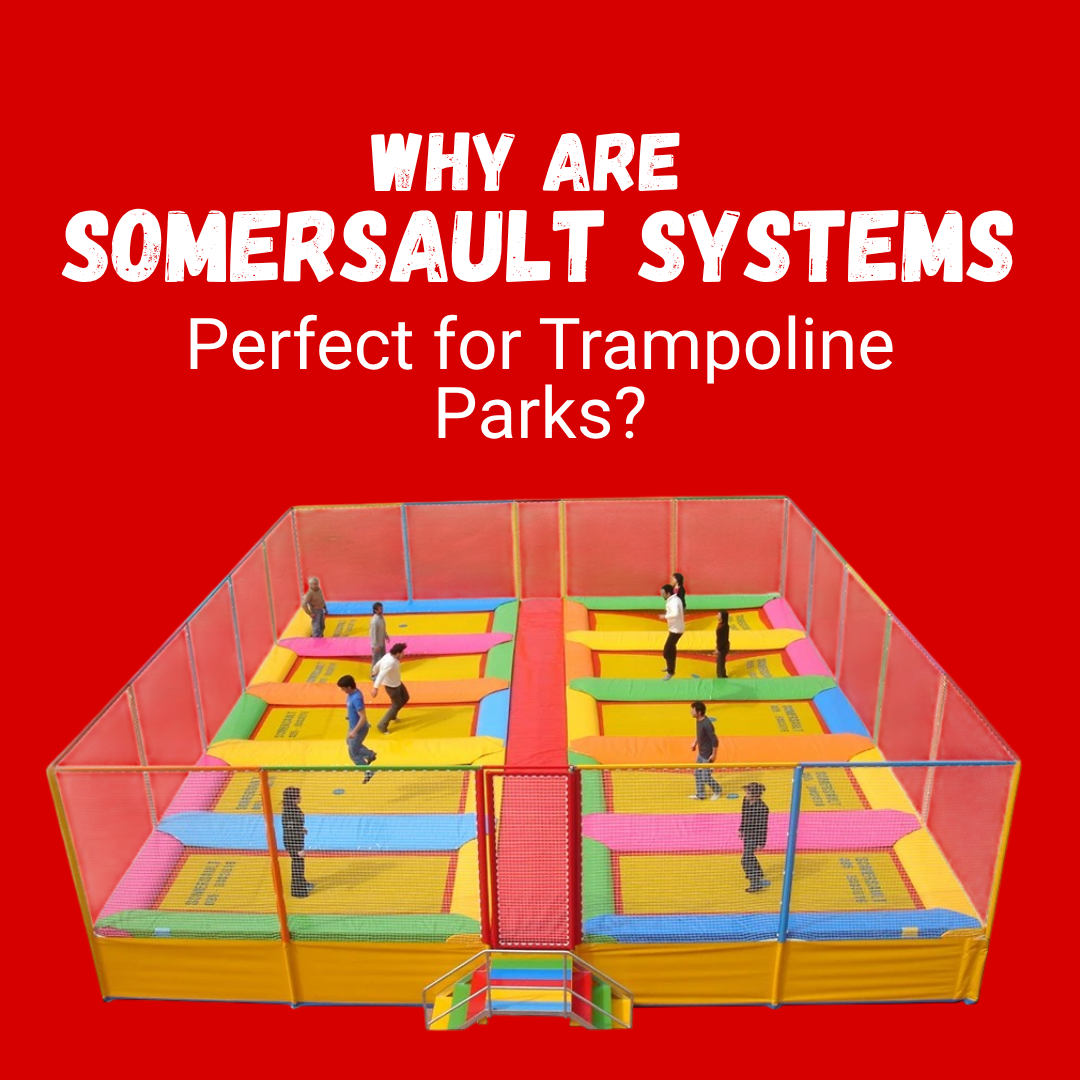
A great trampoline park experience depends on more than just an exciting experience but something which is built with a strong structure. Structured systems ensure safety, progression, and customer confidence. Here’s how Somersault Systems can help build a strong, safe, and fun trampoline park:
1. Ensuring Safety Through Structured Skill Progression
Somersault systems provide a step-by-step approach to learning flips and movements. This reduces risk, builds control, and ensures users progress safely. When safety is visible, trust naturally follows.
2. Building Customer Confidence and Trust
Clear systems reassure parents and beginners that activities are supervised and structured. This trust plays a crucial role in attracting and retaining visitors. Beyond safety, these systems also improve the overall experience.
3. Enhancing User Experience and Skill Development
Structured learning makes activities more engaging. Visitors feel a sense of achievement as they progress, which keeps them motivated and encourages repeat visits. Bringing all these elements together highlights the true value of trampoline parks.
When safety, structure, and engagement come together, the true potential of trampoline parks becomes clear.
Types of Somersault Systems Malls Can Use
Choosing the right somersault system is not just about capacity. It shapes how safely visitors learn, how smoothly sessions run, and how well the space performs during peak hours. Let’s break down the most practical options malls can consider.
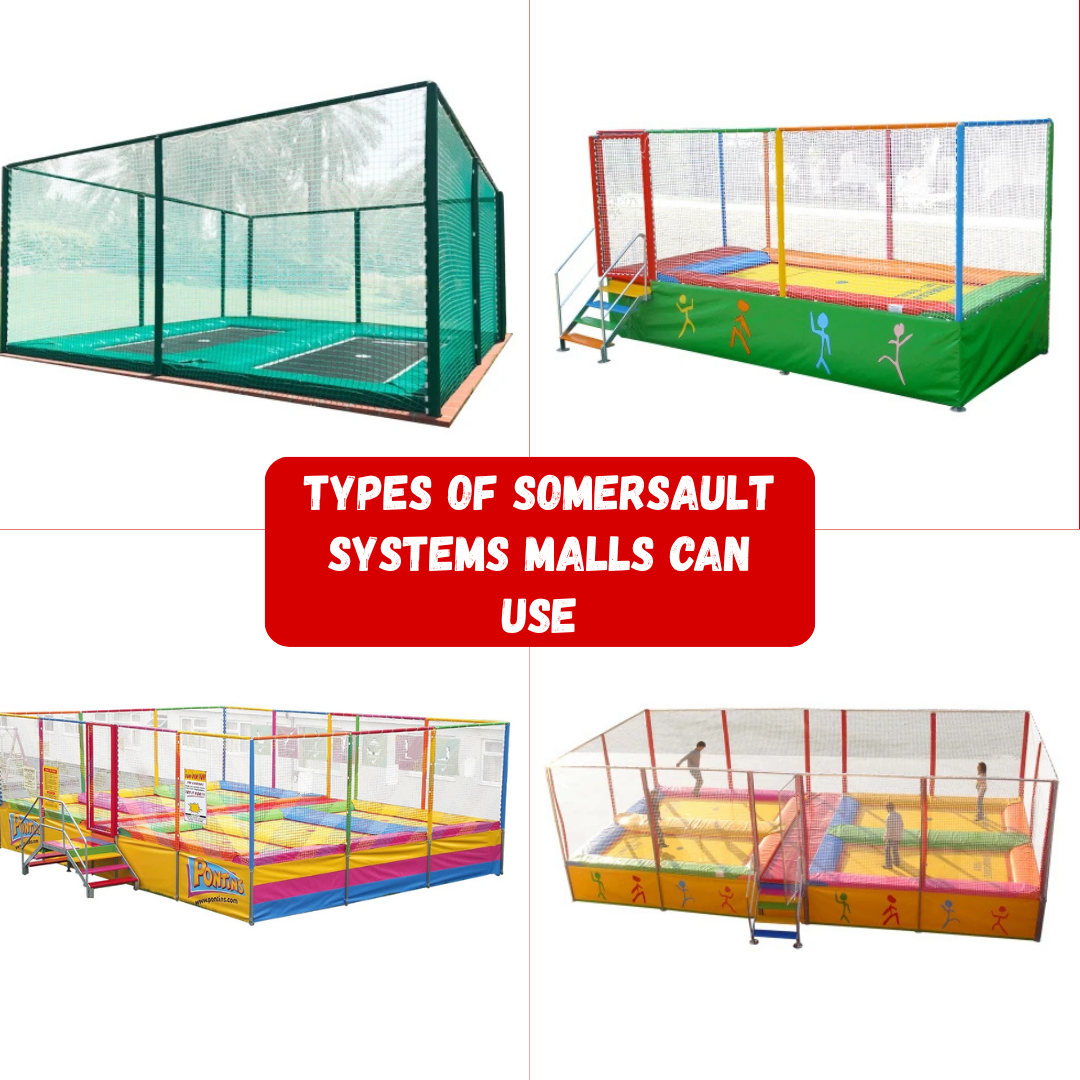
1 Bed Somersault System
- This setup works best for smaller zones or low-traffic areas. It allows focused, one-on-one progression, which helps beginners build confidence without feeling rushed.
- For malls testing trampoline installations, this system offers a controlled start. Staff can guide users closely, making it easier to manage safety and movement accuracy from day one.
2 Bed Somersault System
- A two-bed system balances space and participation. It allows two users to train simultaneously, which keeps the flow steady without overcrowding the area.
- This setup suits mid-sized malls where visitor numbers are consistent but not overwhelming. It helps maintain engagement while ensuring each user still gets proper attention and guidance.
4 Bed Somersault System
- This is where operations start to scale. A four-bed system supports small groups, making it ideal for family visits or group sessions.
- It improves turnover without compromising structure. Staff can supervise multiple users while still maintaining clear progression paths, which keeps both safety and experience intact.
6 Bed Somersault System
- For high-footfall malls, a six-bed system offers stronger capacity without losing control. It handles group activity well, especially during weekends or school holidays.
- This setup helps reduce waiting time, which directly impacts visitor satisfaction. More users can participate at once, while structured lanes keep movement organised and predictable.
10 Bed Somersault System
- This is built for large-scale operations. A ten-bed system supports heavy traffic and large groups, making it ideal for destination malls or entertainment-focused centres.
- It allows continuous activity without bottlenecks. With the right supervision, it keeps sessions smooth, safe, and engaging even during peak hours, which helps maintain steady footfall.
Conclusion
Trampoline parks have moved far beyond being simple entertainment spaces. They now play a central role in shaping how modern shopping centres operate and grow. By increasing footfall, extending dwell time, and enhancing customer engagement, they deliver measurable commercial value while creating memorable experiences for visitors.
For shopping centres looking to stay relevant, the focus must shift from retail-only models to experience-driven environments. Trampoline parks offer that balance of fun, fitness, and social interaction that today’s audiences actively seek.
Brands like supertramp.co.uk understand this transformation and continue to lead the way in designing spaces that combine safety, structure, and excitement. When done right, these parks do more than attract visitors. They redefine the entire shopping experience.
In a rapidly evolving retail landscape, the centres that invest in engaging, safe, and dynamic attractions will be the ones that truly stand out.