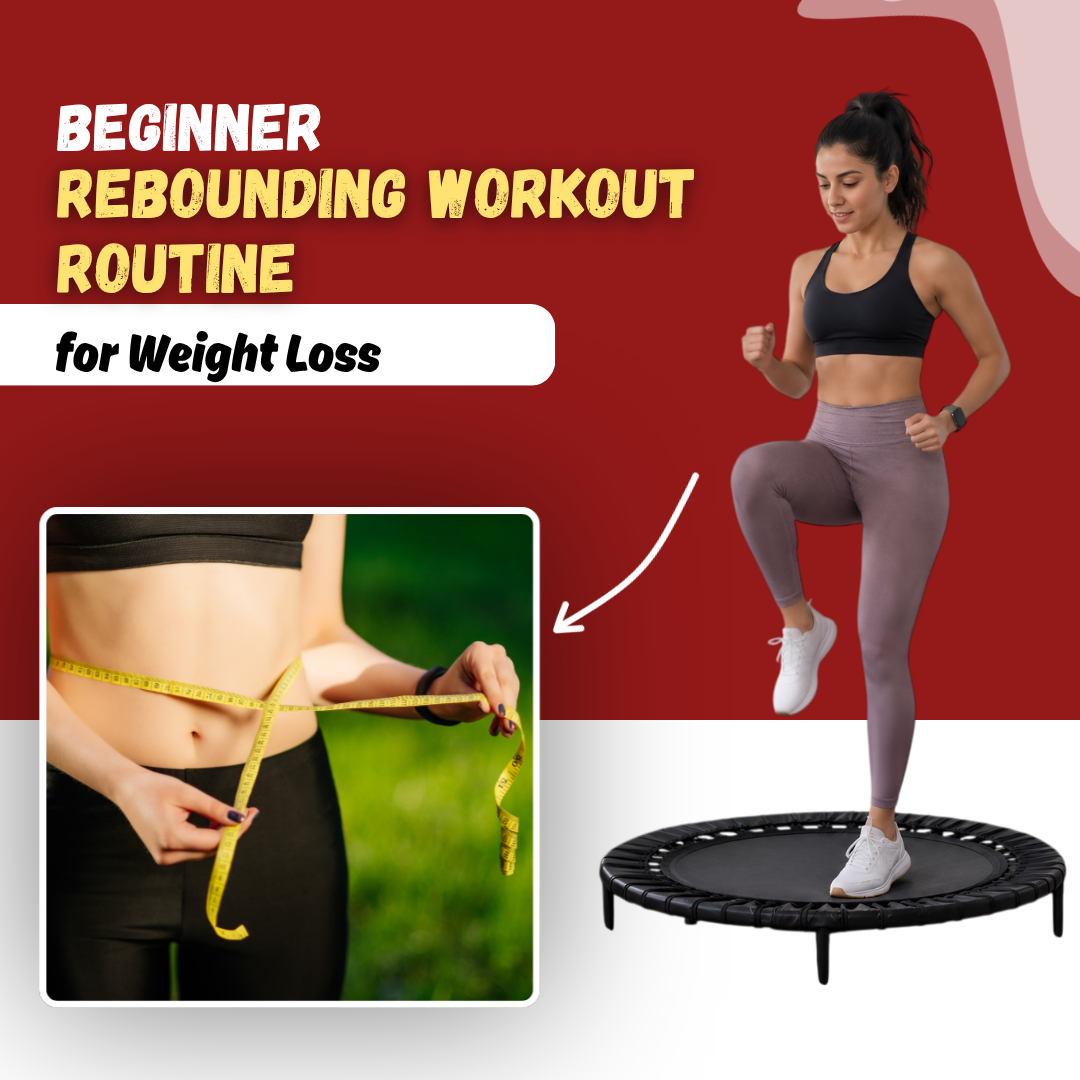
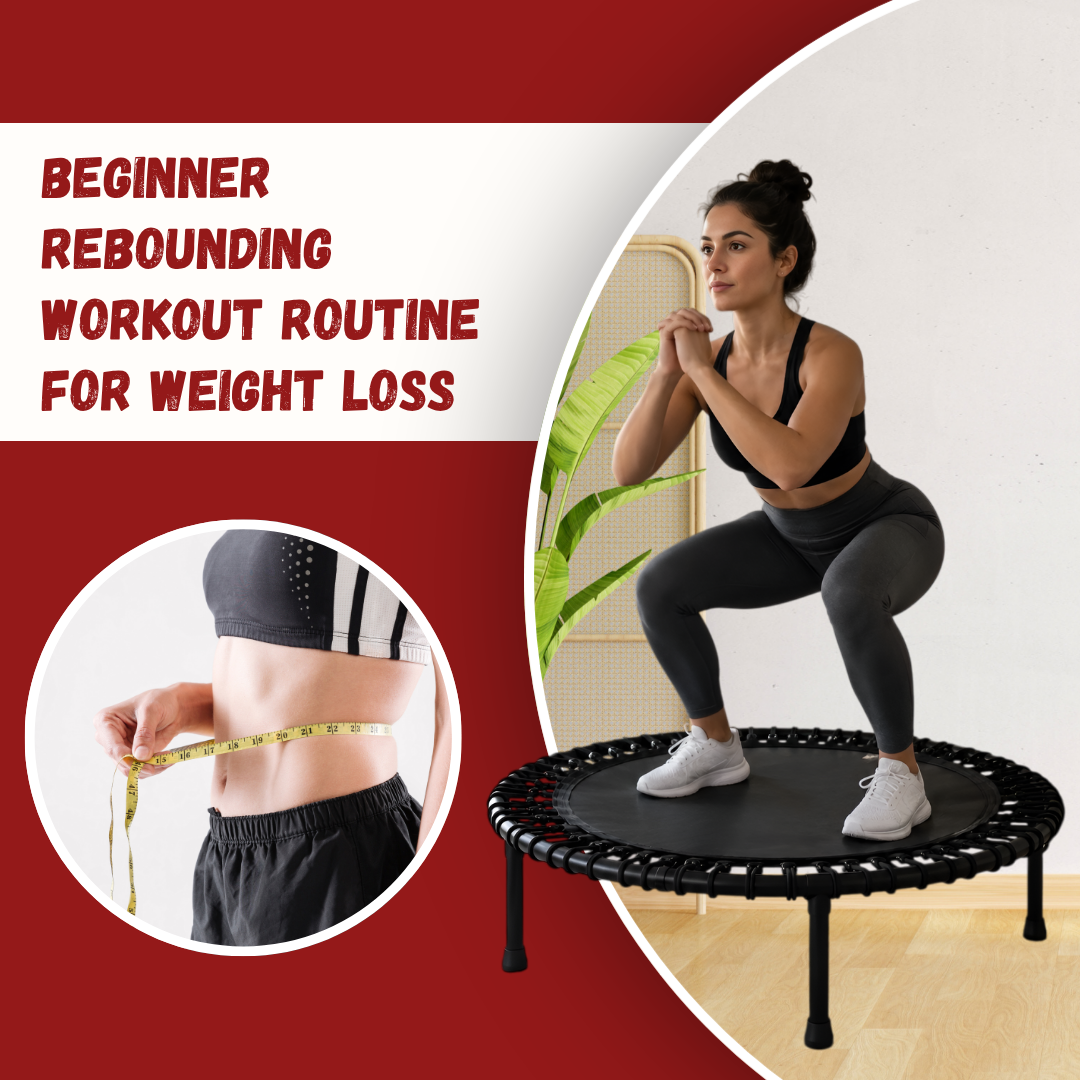
Ready to move your body and burn some calories, but don’t love traditional workouts? Perhaps something a little… lower impact is what your spirit is yearning for. That’s where rebounding can come in handy!
By using a Super Bouncer Trampoline, you can elevate your heart rate and get your blood pumping, making a fun and effective workout accessible to anyone.
Don’t worry, if you’re not exactly a gymnast, no jumping skills are required to experience this amazing exercise that actually makes you want to bounce. Learn about a basic rebounding workout that will assist you on your rebounding weight loss journey, alongside some guidelines on getting started.
What is rebounding, and how does it work for weight loss?
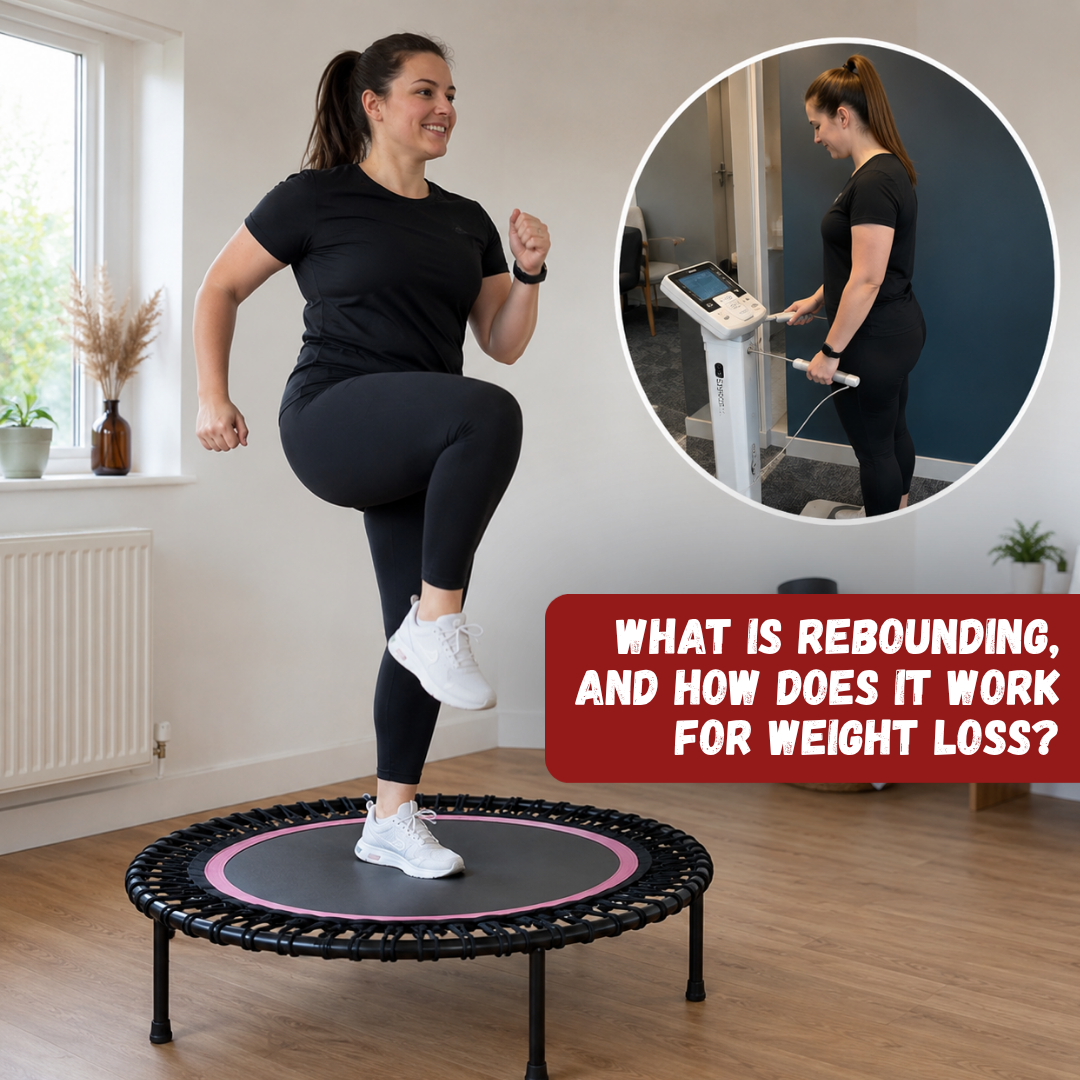
When you want to get a good workout in without it feeling like you’re slaving away, rebounding could be the perfect answer for you! Rebounding is an exercise on a mini-trampoline. You bounce up and down gently.
It can be used to help get your heart rate up, engage various muscle groups, and infuse a little spark into your exercise.
What is so appealing about rebounding weight loss is how easy you can incorporate cardiovascular, movement-based, and low-impact exercise into a single exercise routine. This process can help burn some calories and boost your circulation in a very enjoyable way, making your workout feel like less of a hassle.

What type of equipment do you need for a rebound workout?
For the rebound workout, you just need a few simple pieces of equipment
- A high-quality mini trampoline like Orbit Pro 14ft Trampoline (aka your rebounder) with a firm, encouraging frame bounce.
- Lots of individuals find the handlebars to be helpful when initially starting for stability.
- The extra, non-essential gear which could be used on occasion is a good pair of training shoes and even some athletic training apparel you can bounce around in.
How to warm up for a rebounding weight loss workout?
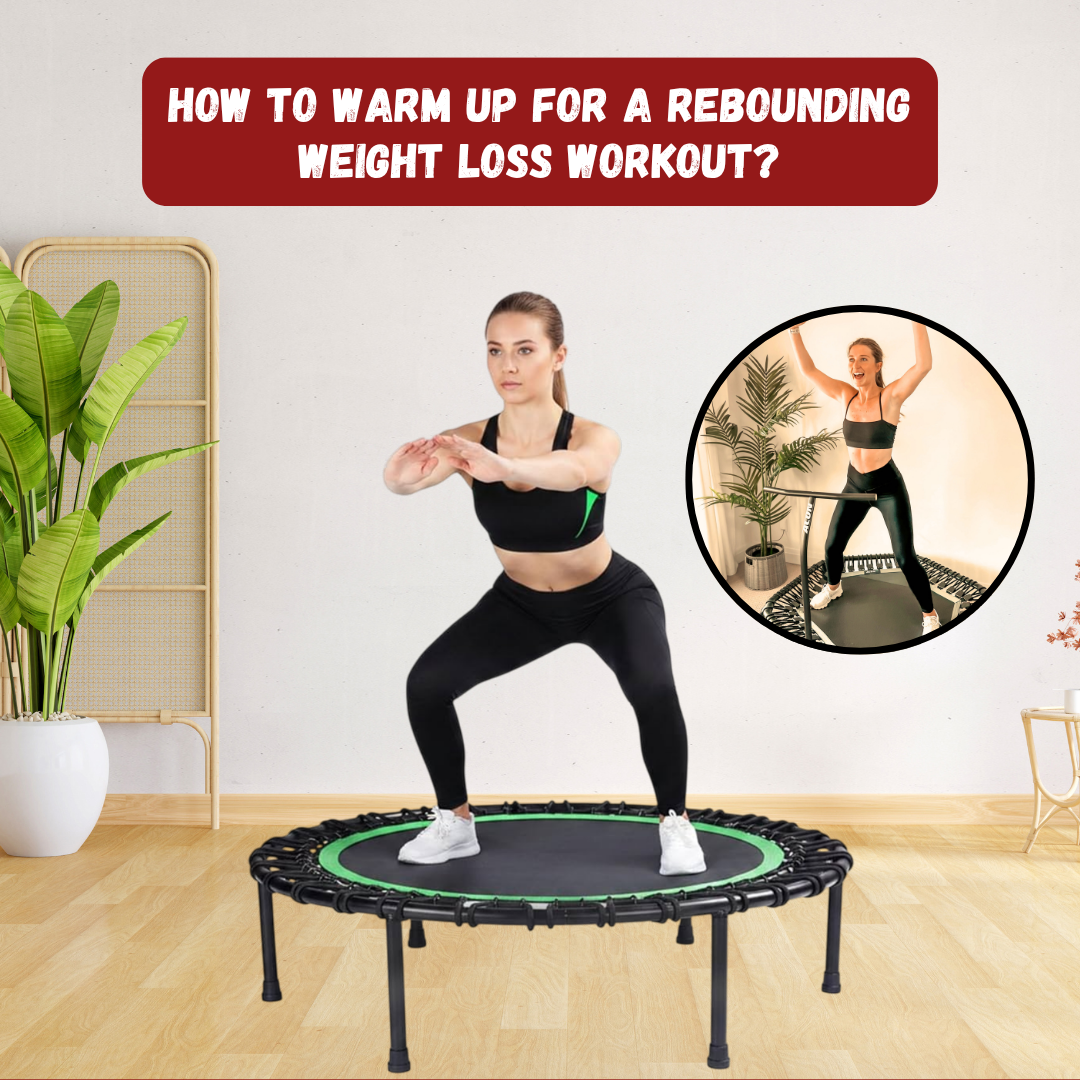
Don’t skip this! 10 minutes devoted to warming up before you jump into rebound weight loss can transform your routine to become safer, easier, and way more efficient!
1. Start with Gentle Marching & bouncing
Begin by gently marching or light bouncing on the rebounder for a minute or two to get the muscles warmed up and blood circulating.
2. Loosen Up Your Joints
Follow this with arm circles, shoulder rotations, and a few slow, deliberate knee lifts.
You’re just awakening the body, not exhausting it. A strong warm-up session will help you get into your groove and make you feel much more at ease when you’re actually ready to set up your work.
Beginner rebounding workout routine for weight loss
A rebound workout uses a mini trampoline, such as the Primus Flat Rectangular Trampoline, and might be just what you’re looking for if you’re new to working out and like the idea of something low-impact and energising. It works out your heart without being difficult on your joints, so it’s an easy, less stressful addition to a new weight loss plan.
Easy Bounce Warm-up: 2-3 Minutes
The “Build and Burn” bounce 10-15 Minutes:
Cool down with a slower bounce
How long do I need to jump on a rebounder to lose weight?
1. Tiny Steps with Major Benefits
You absolutely don’t have to block out large chunks of time to see real change with bouncing. For newbies, the sweet spot is often 20 to 30 minutes daily, 4 or 5 times per week. Once your endurance increases, go longer or slightly longer on certain bouncing days.
2. Frequency Pays Dividends
Intensity counts for a lot as well. It’s best to vary your bounce speed from mild to energetic (for short intervals). Combining short periods of faster jumping and short bursts of higher-intensity bouncing will help to maximize the calories you burn in that time period.
3. Bounce It Out with Healthy Eating Habits
While rebounding is an excellent and effective way to burn fat, when combined with healthy foods, the progress will come much faster.
Is rebounding good for losing weight?
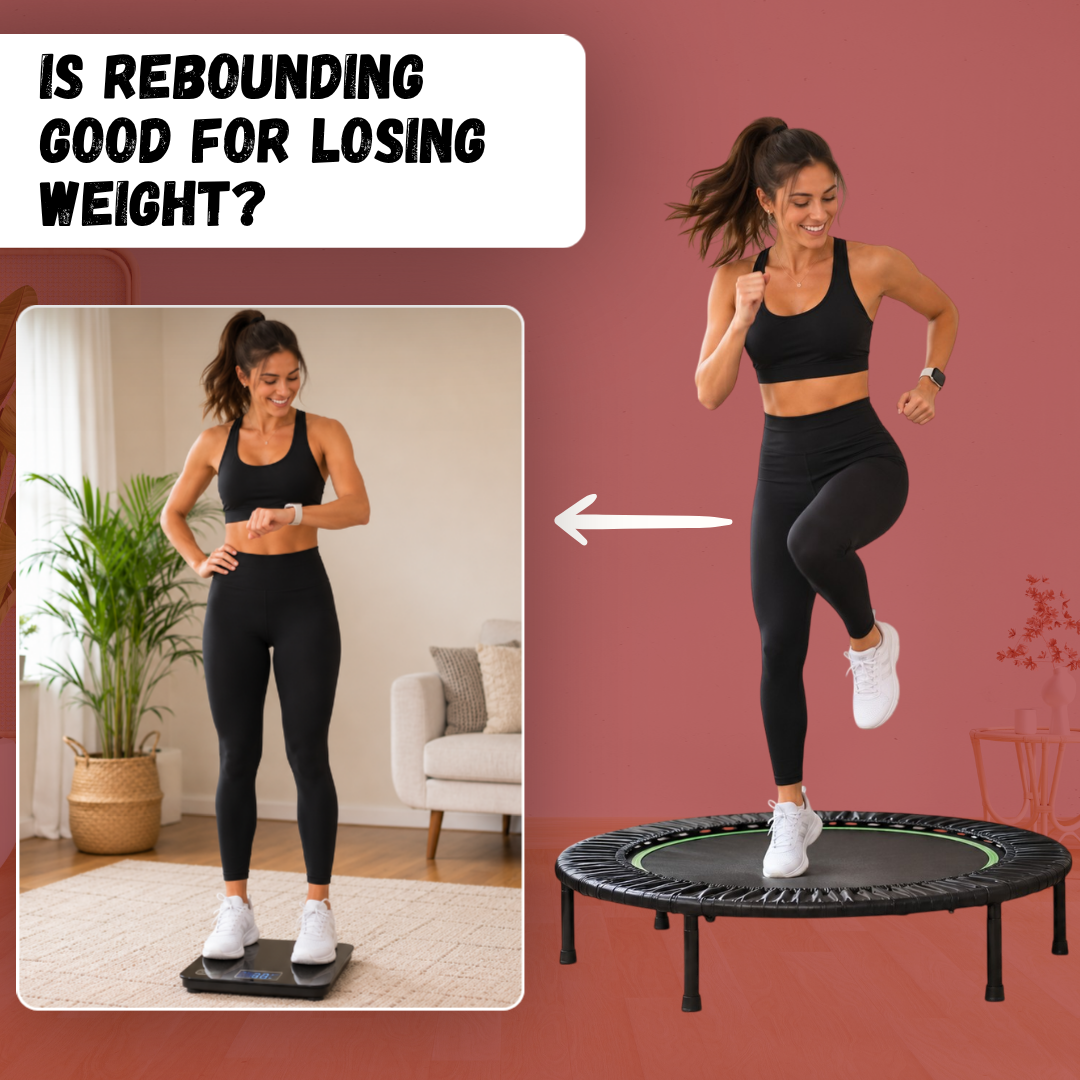
Yes! Rebounding on a mini trampoline can absolutely help you shed some extra pounds. Your heart gets working, and several muscle groups come to life as you jump. It’s a fun, low-impact exercise, so you’re also likely to stay more consistent, which is crucial for lasting weight-loss results.
Burns Calories Quickly
Protects Your Joints
Helps You Stick With It
Can you lose belly fat by rebounding?
Yes, you can lose belly fat, but not directly. By reducing the overall fat, combined with a proper diet and regular exercise, belly fat reduction is possible.

Is a rebounder better than walking?
With rebounding, you will expend more calories in 10 minutes than you will in the same amount of time walking; however, no equipment or coordination is necessary with walking. Rebounding is an awesome high-energy activity that can get your heart pumping relatively quickly. In short, for a higher energy alternative, rebounding comes out on top.
How many calories does 10 minutes of rebounding burn?
Just 10 minutes of bouncing is good for about 50 to 100 calories, depending on body weight, activity level, and type of workout. This might not sound like a lot at first, but the small-scale activity packs a workout punch, especially for an exercise that’s easy and not too impactful on the body.
What mistakes should beginners avoid on a rebounding weight loss journey?
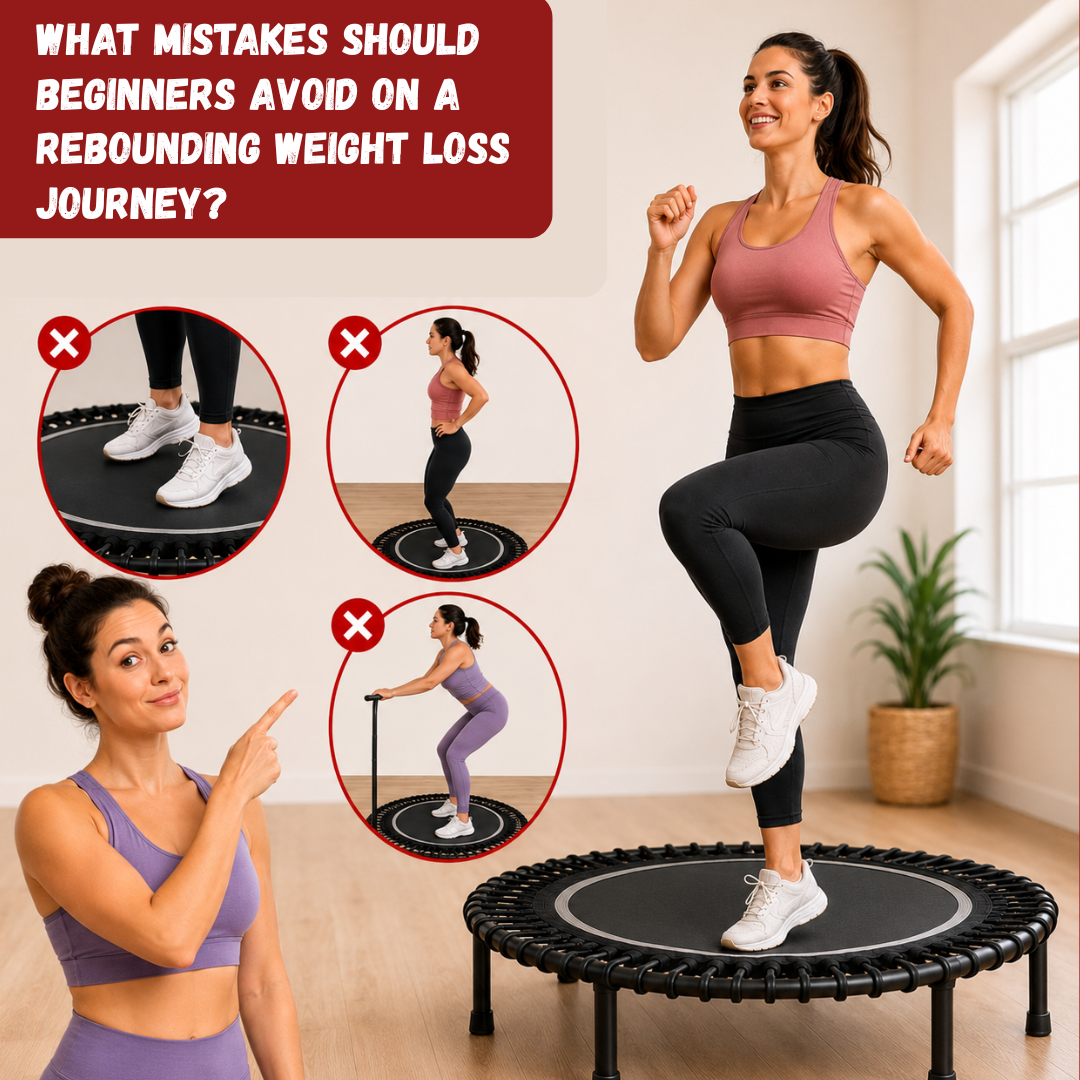
Embarking on a weight loss mission through rebounding is undoubtedly thrilling, but there are a couple of pitfalls you may wish to circumvent along the route. Numerous exercisers are impetuous on the outset, jump straight to exercises prior to the requisite prep, or simply underestimate the process to reap instant gains. It’s of foremost significance to cultivate the right set of behaviors, coupled with consistent effort over the years, to reap success. Let’s delve into the most obvious ones so you can safely continue your rebounding weight loss:
Skipping The Warm Up
Trying to Do Much Too Quickly
Focusing Solely On Exercise
Expecting Speedy Results
Are rebounders and mini trampolines the same thing?
Yes, mini trampolines and rebounders are more or less interchangeable with one another. The distinction between them generally has to do with how they are used. Fitness rebounders are specifically intended for low-impact workouts and cardiovascular exercise, while the general term “mini trampoline” refers to almost any miniature bouncing surface, including recreational ones.