How to lower bad cholesterol naturally is a question many people ask after a general practitioner (GP) appointment in which the reading is described as “borderline concerning” and a leaflet is handed over. That is often all that happens. There is no real explanation, just a number and a worried look. Anyone who has been in that position knows how unsettling it feels. Lowering bad cholesterol naturally, however, does not have to mean changing an entire life overnight.
The truth is, most people manage their LDL (low-density lipoprotein) cholesterol through a handful of small, repeatable habits rather than one big change. Better food choices, a bit more movement, less sitting around, a little bit of exercise on a trampoline, and a decent night’s sleep all pull in the same direction.

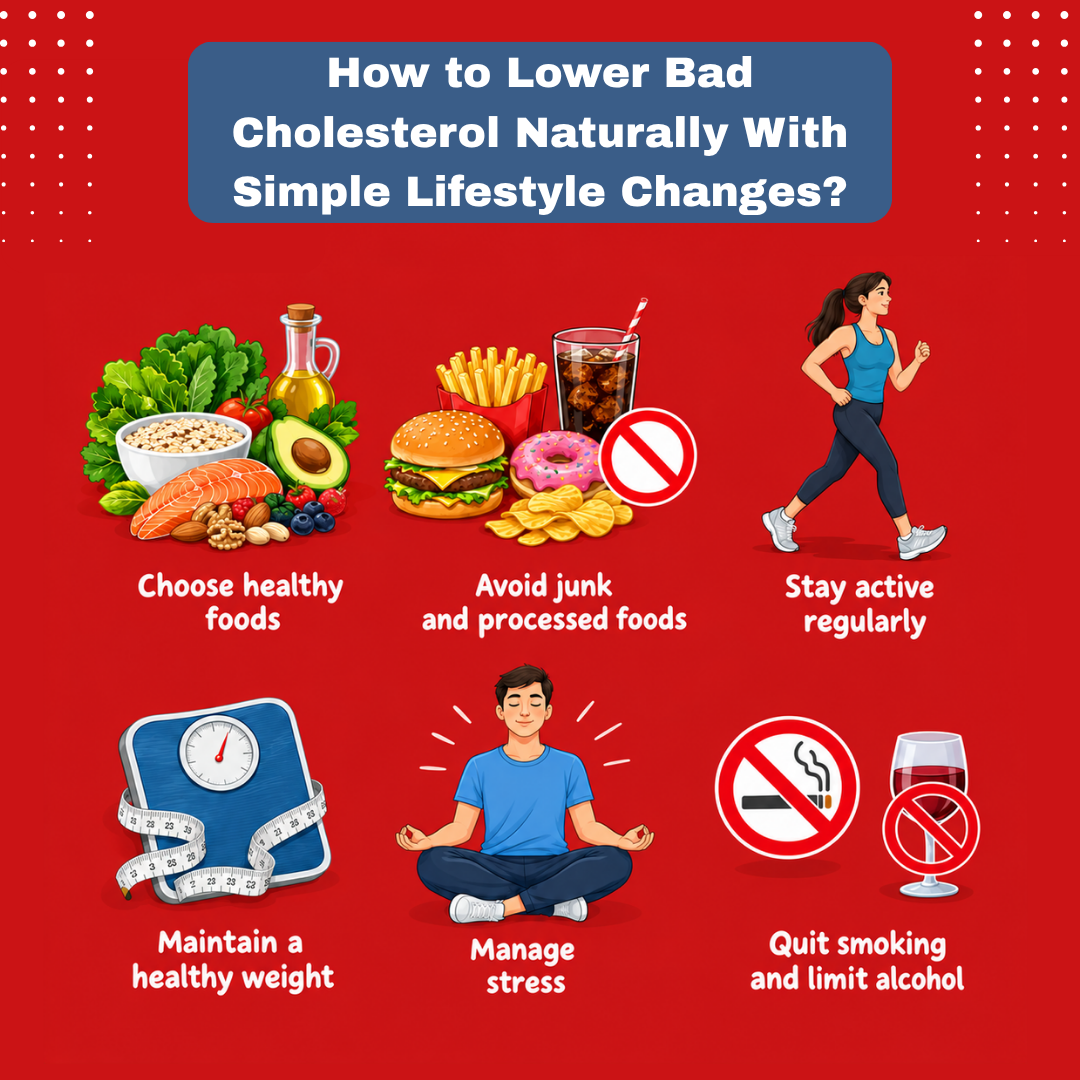
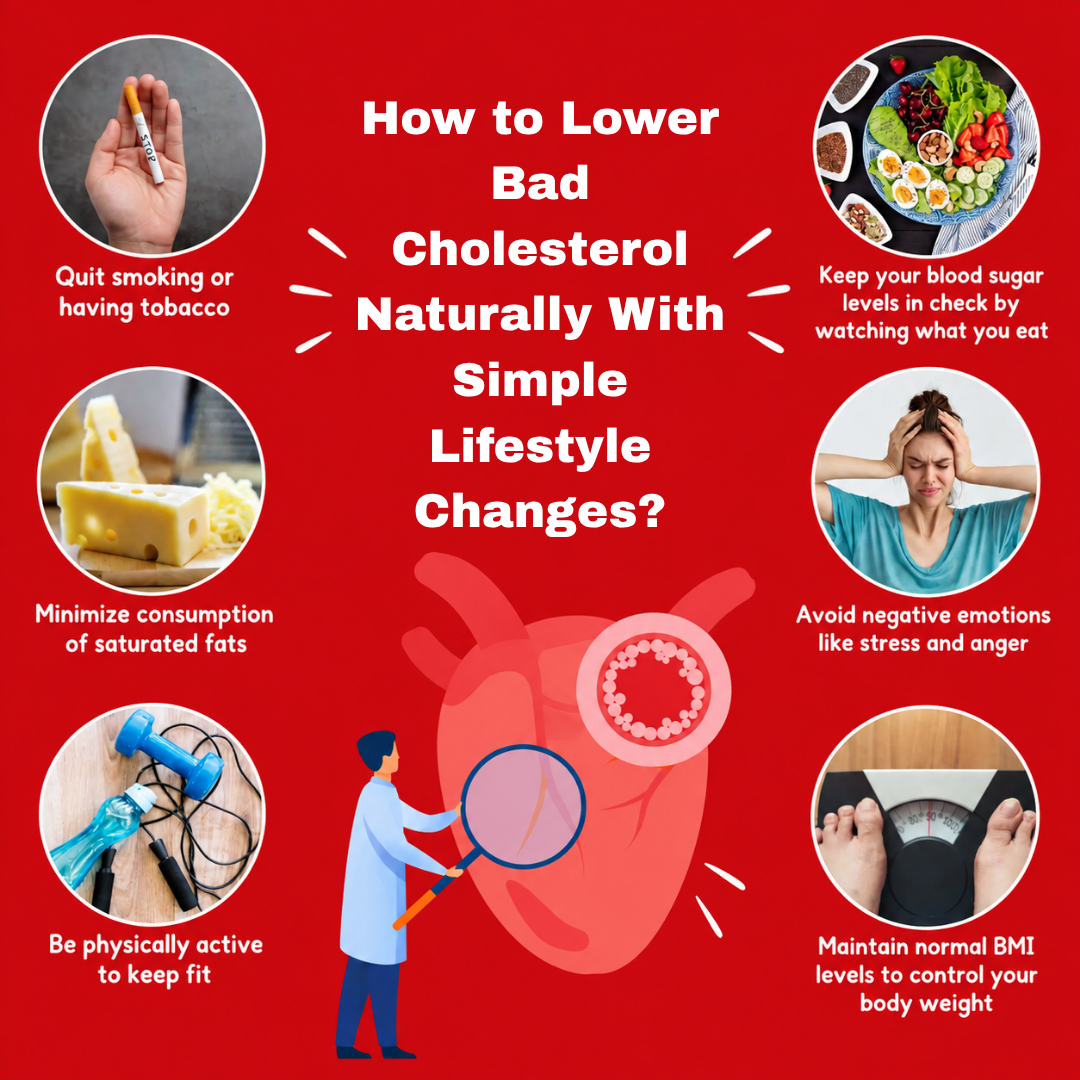
The most effective natural ways to support healthy cholesterol include eating more fibre-rich foods, swapping saturated fats for unsaturated ones, moving the body regularly, keeping to a healthy weight, and cutting out smoking. This article walks through exactly how, including where enjoyable, low-impact exercise like trampoline workouts fits in.
Key Points to Remember
- LDL cholesterol matters because it contributes to artery build-up over time, while HDL helps clear it away.
- Soluble fibre from oats, beans, and fruit genuinely helps lower LDL.
- Swapping saturated fats for unsaturated ones (olive oil, nuts, oily fish) supports better balance.
- Regular movement, not intense one-off workouts, tends to produce the best long-term results.
- Trampoline and rebounder exercise offers a low-impact, enjoyable way to stay consistently active, though it works alongside diet rather than replacing it.
- Small, sustained changes across diet, weight, smoking, and movement usually beat one dramatic overhaul.
What is Bad Cholesterol and Why Does It Matter?
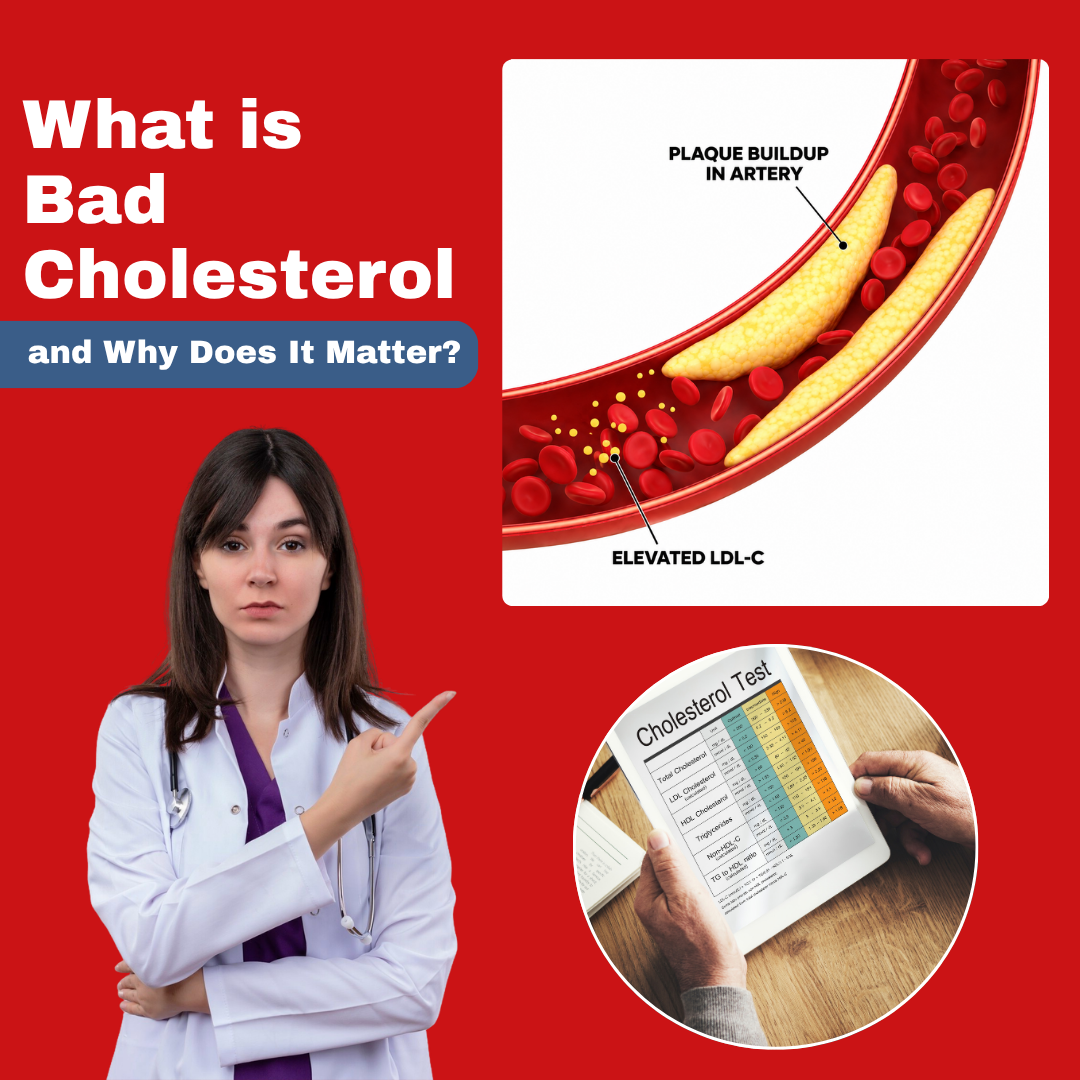
Cholesterol gets a bad reputation, but your body actually needs it. It’s a waxy substance used to build cells and produce certain hormones. The trouble starts when there’s too much of the wrong type floating around your bloodstream, because it can stick to artery walls and slowly narrow them over time. That narrowing is what pushes up your risk of heart disease and stroke down the line. LDL, often labelled “bad” cholesterol, is the one doctors and dietitians tend to focus on because it’s the type most closely linked to that build-up. Getting your levels checked through your GP or a routine NHS health check is the only way to know where you actually stand, rather than guessing.
LDL vs HDL Cholesterol: What is the Difference?
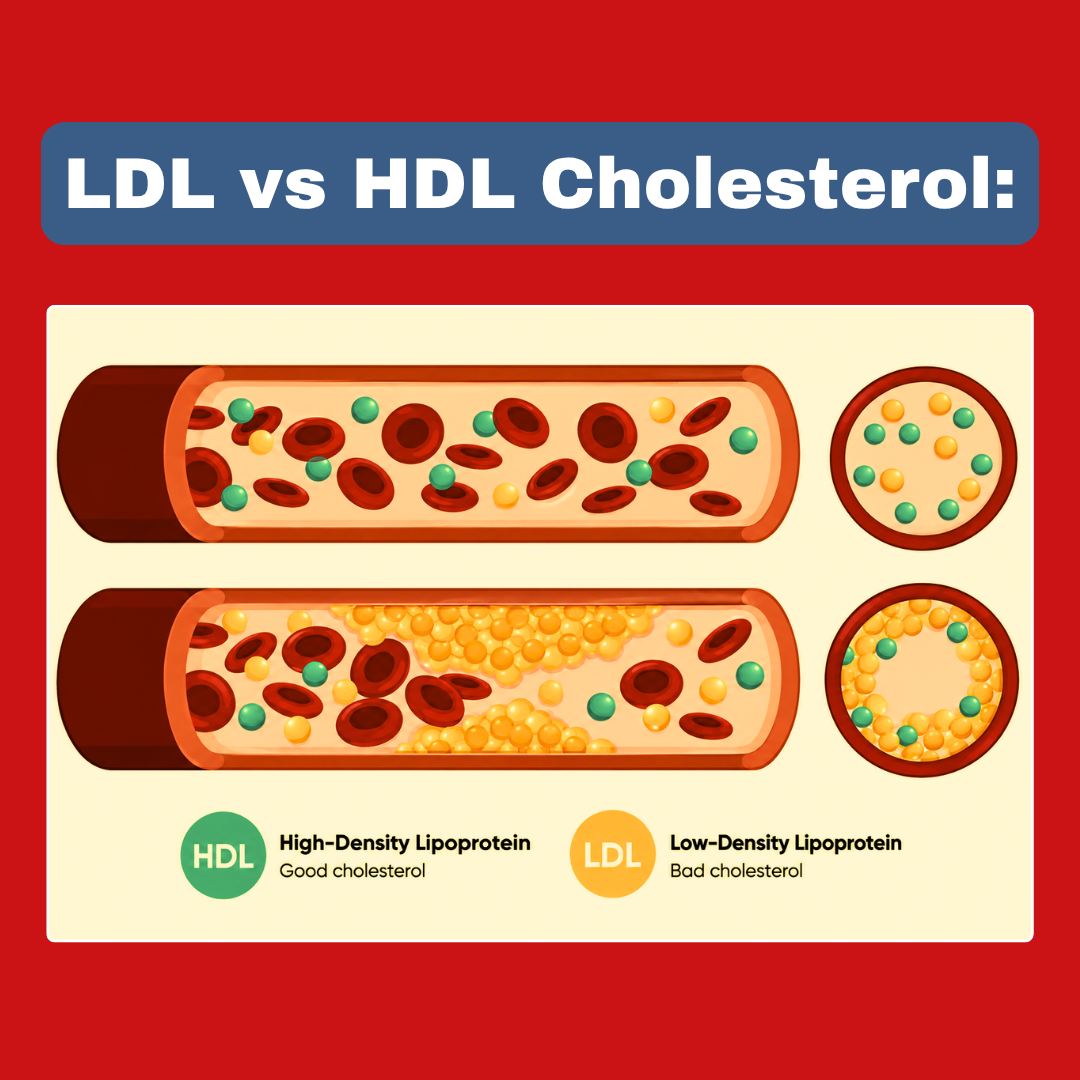
- LDL stands for low-density lipoprotein. Think of it as the delivery van that carries cholesterol out to your arteries, where it can build up if there’s too much of it.
- HDL stands for high-density lipoprotein and works the opposite way. It scoops cholesterol back up and carries it to the liver to be broken down and removed.
- So it’s not just about having a low total cholesterol number. A healthy balance, meaning lower LDL and reasonably higher HDL, matters more than the total figure alone.
What Can Cause High LDL Cholesterol?
Several things tend to push LDL levels up, often in combination rather than alone:
- A diet heavy in saturated fats (think pastries, fatty cuts of meat, and butter) and trans fats.
- Not moving enough during the day.
- Carrying excess weight, particularly around the middle.
- Smoking, which damages blood vessels and lowers HDL.
- Genetics: some people inherit a tendency toward higher cholesterol regardless of lifestyle.
That last point matters. If cholesterol runs in your family, lifestyle changes still help, but they might not be the whole story, and that’s worth discussing with your doctor rather than assuming diet alone will fix it.
Right, now that the basics are out of the way, let’s get into what you can actually do about it.
Simple Diet and Lifestyle Changes to Lower Bad Cholesterol

Nobody sticks to a diet that feels like punishment. The habits that actually last are the boring, simple ones you barely notice after a few weeks. Here’s where most people get real results.
Eat More Soluble Fibre
Soluble fibre works almost like a sponge in your gut, soaking up cholesterol before your body can absorb it. Good sources include:
- Oats and oat-based cereals
- Beans and lentils
- Apples, pears, and citrus fruits
- Brussels sprouts, carrots, and other vegetables
- Barley and chia seeds
Porridge for breakfast is genuinely one of the simplest wins here. It’s affordable, filling, and takes two minutes.
Choose Heart-Healthy Fats
Not all fat is the enemy or bad for your body. Swapping saturated fats for unsaturated ones tends to shift your cholesterol balance in the right direction. Look at:
- Nuts and seeds
- Avocados
- Olive oil, used instead of butter or lard
- Oily fish such as mackerel, salmon, and sardines
At the same time, cutting back on processed pastries, fried takeaways, and fatty cuts of red meat makes a genuine difference. It’s not about eliminating them completely, which rarely lasts, but noticing how often they show up in a normal week.
Maintain a Healthy Weight
Carrying extra weight, especially around your waistline, tends to push LDL up and HDL down at the same time. You don’t need to hit some ideal number on a chart. Even losing a modest amount, five to ten per cent of your body weight, can shift cholesterol readings noticeably within a few months, alongside a better diet and more activity.
Avoid Smoking and Limit Alcohol
Smoking lowers HDL and damages the artery lining, making it easier for LDL to stick. Stopping is one of the single best things you can do for your heart, full stop. Alcohol is more complicated: moderate drinking doesn’t automatically mess up cholesterol levels, but heavy or regular drinking raises triglycerides and can undo a lot of good work elsewhere.
Diet and habits like these lay the groundwork. But there’s another piece that often gets overlooked, and it’s one this website happens to know quite a bit about.
Can Trampoline Exercise Help Maintain Healthy Cholesterol Levels?
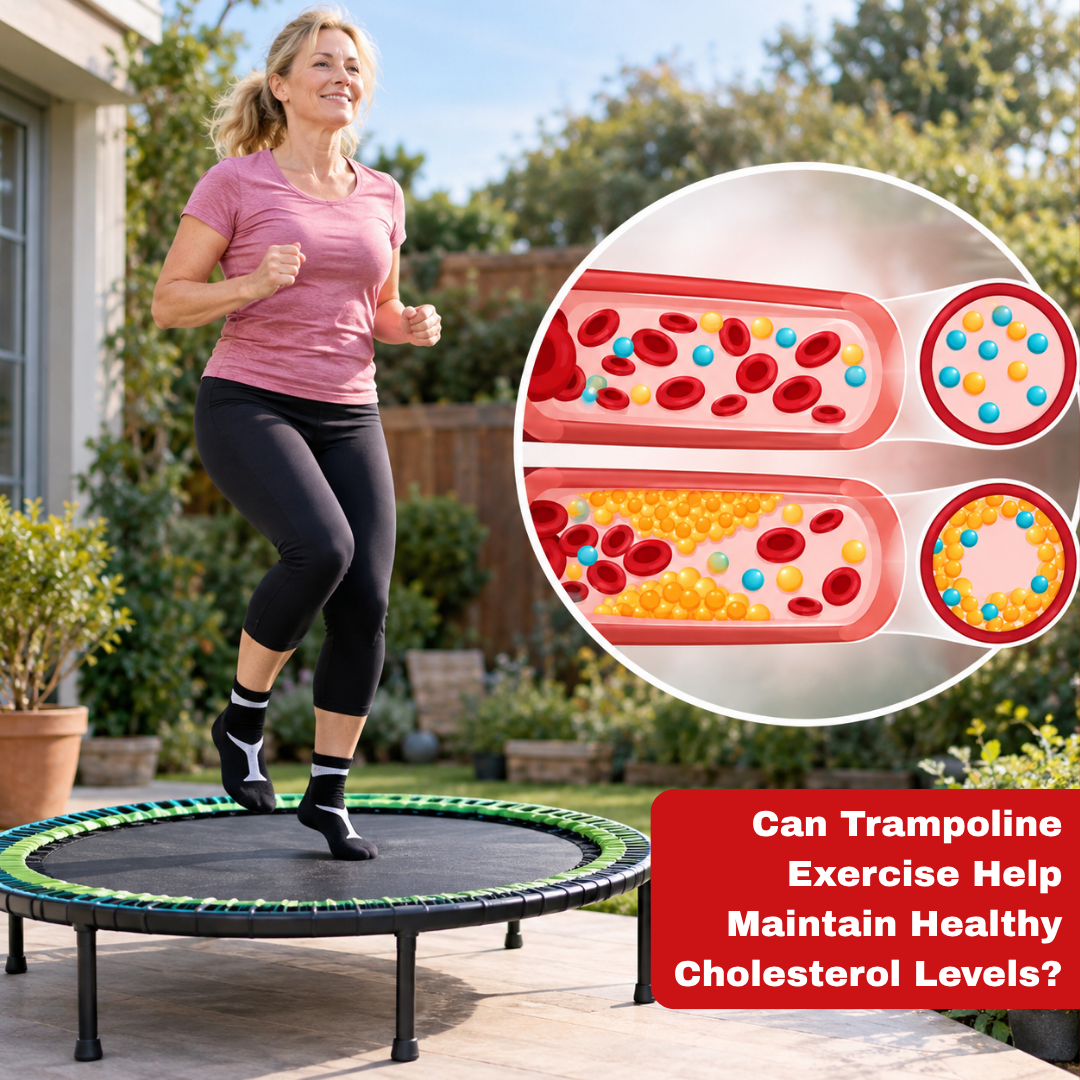
No single exercise, garden trampoline or otherwise, lowers cholesterol on its own. Anyone who tells you jumping on a rectangular trampoline for twenty minutes will “cure” high LDL is overselling it. What regular movement does is support the whole system: your heart, your metabolism, your weight and cholesterol tend to respond to that broader shift.
That said, rebounding on a PT Bouncer has a few things going for it that make it worth considering, particularly if the gym has never really appealed to you.
How Regular Movement Supports Heart Health?
Physical activity raises HDL slightly and helps your body process fats more efficiently. It’s not about smashing yourself with high-intensity sessions either. Consistency beats intensity almost every time. Someone who does twenty minutes of moderate movement most days will typically see better long-term results than someone who does one brutal gym session a week and then avoids exercise for the rest of it. Pair that regular movement with the dietary habits above, and the combined effect tends to outperform either change made alone.
You Enjoy a Rebounder Workout
Trampolining on a performance trampoline has a genuine advantage over running or high-impact cardio: it’s far gentler on your knees and joints while still raising your heart rate. You can do it indoors, regardless of the weather, which removes one of the biggest excuses people give for skipping exercise. It’s also easy to scale up or down. A beginner can start with gentle bouncing. Someone fitter can add pace and intensity without changing the equipment at all.
Can Trampoline Exercise Lower Cholesterol?
Regular above-ground trampoline or rebounder exercise can contribute to better cholesterol management by helping you stay consistently active. It works best as part of a wider healthy lifestyle rather than a standalone fix.
How Can You Build a Cholesterol-Friendly Exercise Routine With a Trampoline?
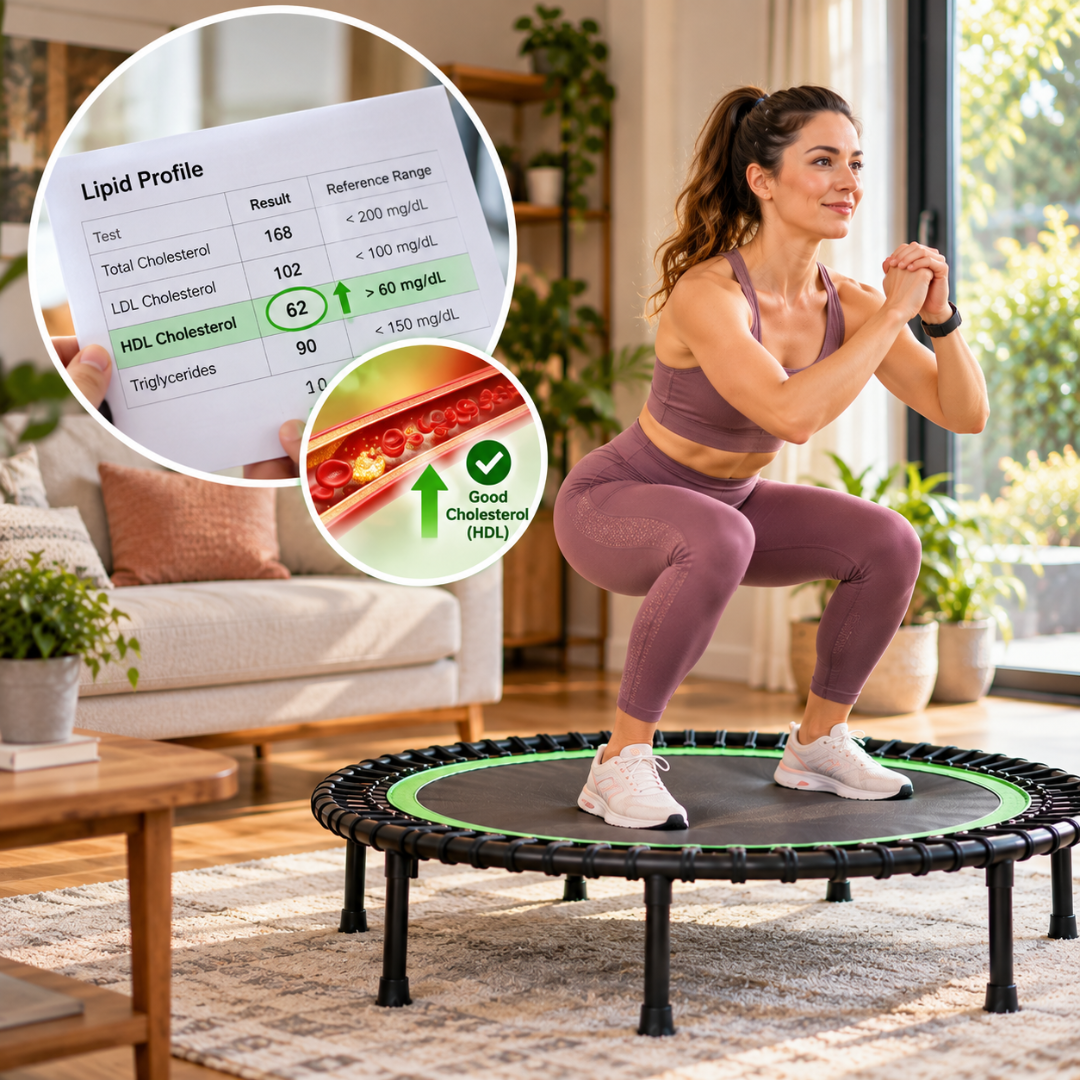
If you’ve never used a fitness rebounder before, don’t overthink the first few sessions. Start small and let your body adjust.
Start With Short, Comfortable Sessions
Ten minutes is a perfectly reasonable place to begin. Bounce gently, get used to the movement, and build up from there over a few weeks. There’s no prize for pushing too hard on day one. Plenty of people do exactly that, feel wrecked the next morning, and quietly give up.
Add Simple Rebounder Movements
Once you’re comfortable, mix things up a little:
- Gentle continuous bouncing
- Marching in place on the mat
- Side-to-side stepping movements
- Light jogging motion for a few minutes at a time
- Use trampoline grip socks for better grip and performance
None of this needs to be complicated. The goal is steady, repeated movement.