Research consistently shows that new experiences and regular physical activity can improve mood, boost motivation, and support overall well-being. Yet many people spend much of their time following the same routines, travelling the same routes, and completing the same tasks day after day. While structure is important, too much repetition can make life feel predictable and uninspiring.
When routines become automatic, it is easy to lose enthusiasm for activities that once felt enjoyable. Work commitments, family responsibilities, and busy schedules often leave little room for spontaneity, creativity, or personal growth. Over time, this can lead to boredom, reduced motivation, and a feeling of being stuck in a cycle that rarely changes.
Even small changes can make a significant difference. Whether that means learning a new skill, exploring a new place, meeting new people, or enjoying active experiences such as bouncing on a trampoline, introducing variety into your routine can help you feel more energized, engaged, and excited about everyday life. We’ll look at doable strategies to end the cycle and build a more satisfying existence in this book.

Why Do Routines Start to Feel Dull and Boring?
Routines play an important role in creating structure, consistency, and stability in our lives. They help us stay organized, manage responsibilities, and make daily tasks more efficient. However, when our routines remain unchanged for long periods, they can begin to feel repetitive and lose the sense of excitement or fulfillment they once provided. Here are some Common reasons that makes routines become repetitive:
- A lack of new experiences and challenges can make daily life feel less engaging and stimulating.
- Completing the same activities on autopilot without actively thinking about or enjoying them.
- Work commitments and personal responsibilities become highly predictable, leaving little room for spontaneity.
- Fewer opportunities for social interaction, learning, and personal growth, which can limit exposure to fresh ideas and experiences.
It can be challenging to maintain motivation, inspiration, and mental engagement when daily life gets too familiar. Introducing variety and new experiences can help restore a sense of purpose and excitement.
Recognizing why routines start to feel dull can make it easier to identify the signs that it may be time for a change.
What Are the Signs That Your Routine Needs a Refresh?
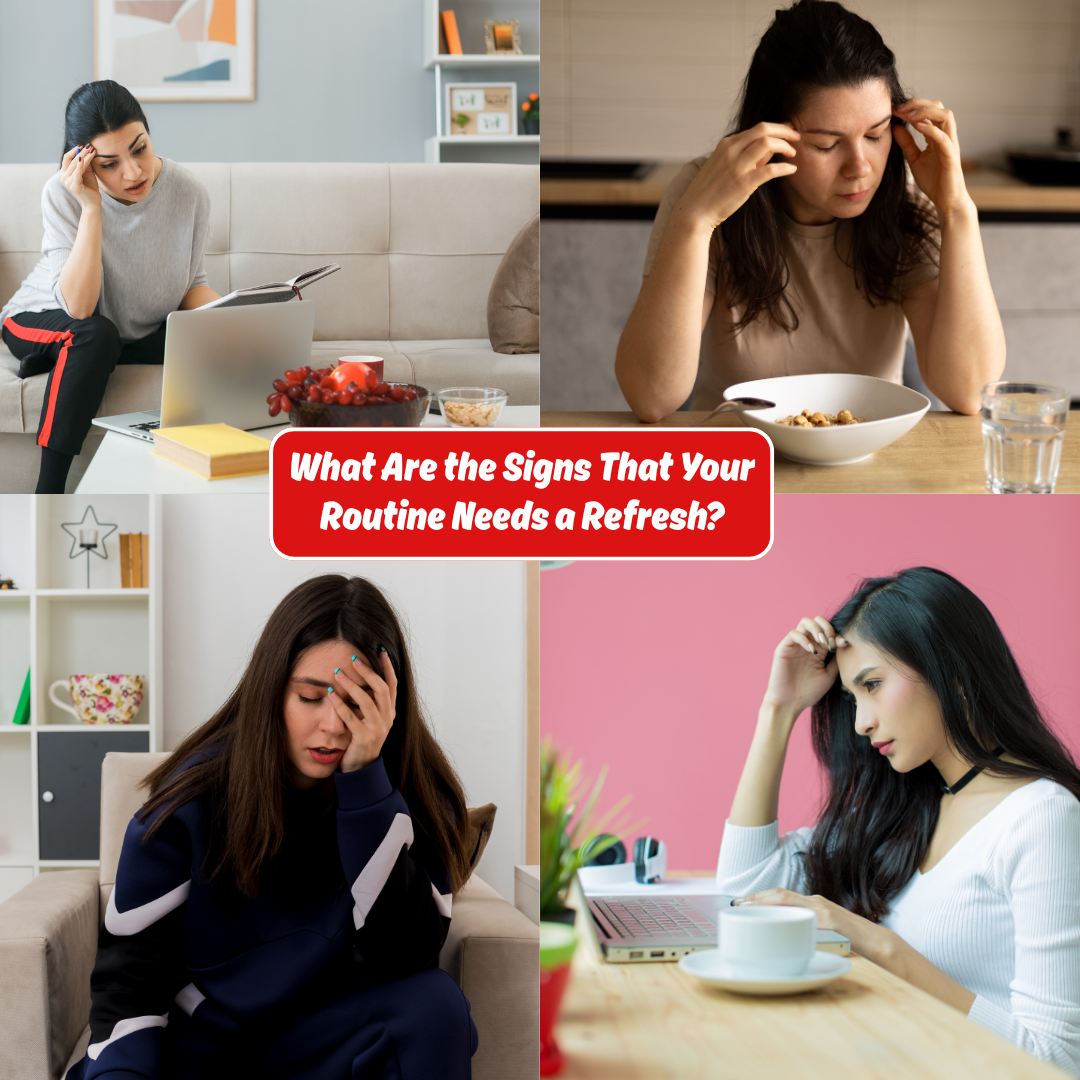
Many people do not notice the effects of a repetitive lifestyle until they begin to impact their mood, motivation, or overall satisfaction. Some Common signs include:
- Feeling unmotivated or disengaged.
- Constantly counting down to weekends or holidays.
- Loss of interest in once-enjoyed activities.
- Increased boredom and lack of inspiration.
- Feeling stuck in a cycle of repetition.
These signs often indicate that your mind is craving new experiences, challenges, and opportunities for growth.
Once you recognize these warning signs, it becomes easier to understand how repetition can affect your well-being.
How Does a Repetitive Routine Affect Your Well-being?
While routines provide stability, excessive repetition can have a noticeable impact on both mental and emotional well-being. Some of the most common effects include:
- Reduced mental stimulation and creativity.
- Lower energy and motivation levels.
- Increased feelings of stress, frustration, or burnout.
- Slower personal and professional growth.
It is harder to remain involved and keep a positive attitude when life is monotonous. Over time, this can affect confidence, productivity, and overall happiness.
Fortunately, there are several ways to prevent repetitive routines from affecting your well-being.
5 Simple Ways to Add Variety to Your Daily Life

Adding more variety to your life does not have to involve major changes. Small, intentional adjustments to your daily habits can help you break repetitive patterns, discover new interests, and bring a renewed sense of energy and enjoyment to your routine.
1. Change Your Morning Routine
The way you begin your day can influence how you feel for the rest of it. Instead of immediately following the same pattern every morning, try introducing something different.
Wake up slightly earlier to enjoy a new activity. Experiment with a different breakfast, follow a new exercise routine, or spend time reading, journaling, or learning a skill. You could also start doing a simple 10-minute morning workout, such as bouncing on the best above-ground trampoline, going for a brisk walk, stretching, or practising yoga. These small changes can boost your energy levels, improve your mood, and make your mornings feel more purposeful and refreshing.
2. Learn a New Skill
Learning keeps the mind active and introduces a sense of progress into daily life. Consider taking up a hobby you have always wanted to try, enrolling in an online course, or developing a creative skill such as photography, painting, or writing. You could also learn a new physical activity, such as swimming, tennis, or even basic gymnastics skills on a high-quality 14ft trampoline. Learning something new can build confidence, keep life interesting, and provide a welcome break from familiar routines.

3. Explore New Places
A change of environment can provide a fresh perspective and help break repetitive patterns. Visit a local attraction, spend time in a nearby park, take a different route to work, or plan short weekend adventures. Exploring new places often leads to unexpected discoveries and memorable experiences.
4. Interact with New People
Human connection plays a vital role in keeping life interesting and fulfilling. Join local groups, clubs, or community events that align with your interests. Reconnect with old friends or expand your social circle through shared hobbies and activities. Meaningful conversations and new relationships can introduce fresh ideas and opportunities into your life.
5. Add More Movement into Your Day
Physical activity benefits both the body and mind. Try a new fitness activity, take regular walks outdoors, or spend a few minutes bouncing on a good-quality in-ground trampoline. Simple ways to stay active can boost your energy, improve your mood, and add variety to your daily routine.
Regular movement can help break repetitive patterns and bring fresh energy into your day.
15 Fun Physical Activities to Break a Boring Routine

Adding movement into your routine in different ways can make everyday life feel more active, engaging, and refreshing.
- Bounce and balance holds for control: Stand on a trampoline with safety pads, bounce lightly, and pause at the top of each bounce to hold your balance for a few seconds before repeating.
- Low-impact jogging for endurance: Jog gently on the spot or around a soft surface, keeping your steps light and controlled to reduce joint strain.
- High-reach jumps for coordination: Jump upward on an affordable 10ft trampoline or flat surface while stretching your arms overhead, focusing on timing your reach with each jump.
- Rhythm bouncing to music for timing: Play music and bounce in sync with the beat, adjusting your height and pace to match the rhythm.
- Reaction bounce games for focus: Have someone call out directions or show signals, then quickly change your bounce style based on the instruction.
- Target landing jumps for precision: Place a soft marker or target and practise landing your jumps as close to it as possible with control.
- Bounce-and-turn sequences for balance: Jump lightly, then rotate your body 90 or 180 degrees mid-air or on landing to improve control.
- Park obstacle walking for agility: Walk through benches, steps, or safe outdoor structures, changing direction and pace as you navigate them.
- Water aerobics for joint-friendly fitness: Perform simple movements like walking, jumping, or arm circles in waist-deep water for resistance.
- Shadow boxing for coordination and stamina: Punch in the air in controlled combinations while moving your feet and staying light on your stance.
- Trail walking for nature-based movement: Walk on natural paths at a steady pace, adjusting to uneven ground and enjoying surroundings.
- Rope skipping variations for cardio: Jump skipping rope continuously, changing between single jumps, double steps, or alternating feet.
- Animal-style movement workouts for strength: Move like animals such as bear crawls or frog jumps to engage multiple muscle groups.
- Frisbee games for reaction and fun: Throw and catch a frisbee with a partner, focusing on timing, aim, and quick movement.
- Partner resistance drills for strength and teamwork: Push or pull against a partner’s controlled resistance, maintaining balance and steady effort.
These activities help refresh both body and mind by introducing variety, challenge, and enjoyment into your daily movement routine.
Once you start adding variety to your routine, the next step is making these positive changes consistent and long-lasting.
How Can You Make Positive Changes Stick?
Making positive changes last is less about big shifts and more about consistency in everyday choices. When you approach change with patience and intention, it becomes a natural part of your routine rather than a temporary effort.
- Start with small, manageable adjustments instead of exhausting changes all at once.
- Set simple personal goals that encourage regular new experiences.
- Add enjoyable activities to your calendar and treat them like important commitments.
- Focus on building consistency rather than expecting instant results.
- Pay attention to progress, even if it feels slow or gradual.
- Allow flexibility so your routine feels realistic and sustainable.
With steady effort and a balanced approach, small steps can grow into lasting habits that support your overall well-being.
By making variety a regular part of your life, you can build a healthier and more balanced lifestyle.
How to Create a More Exciting and Balanced Life?
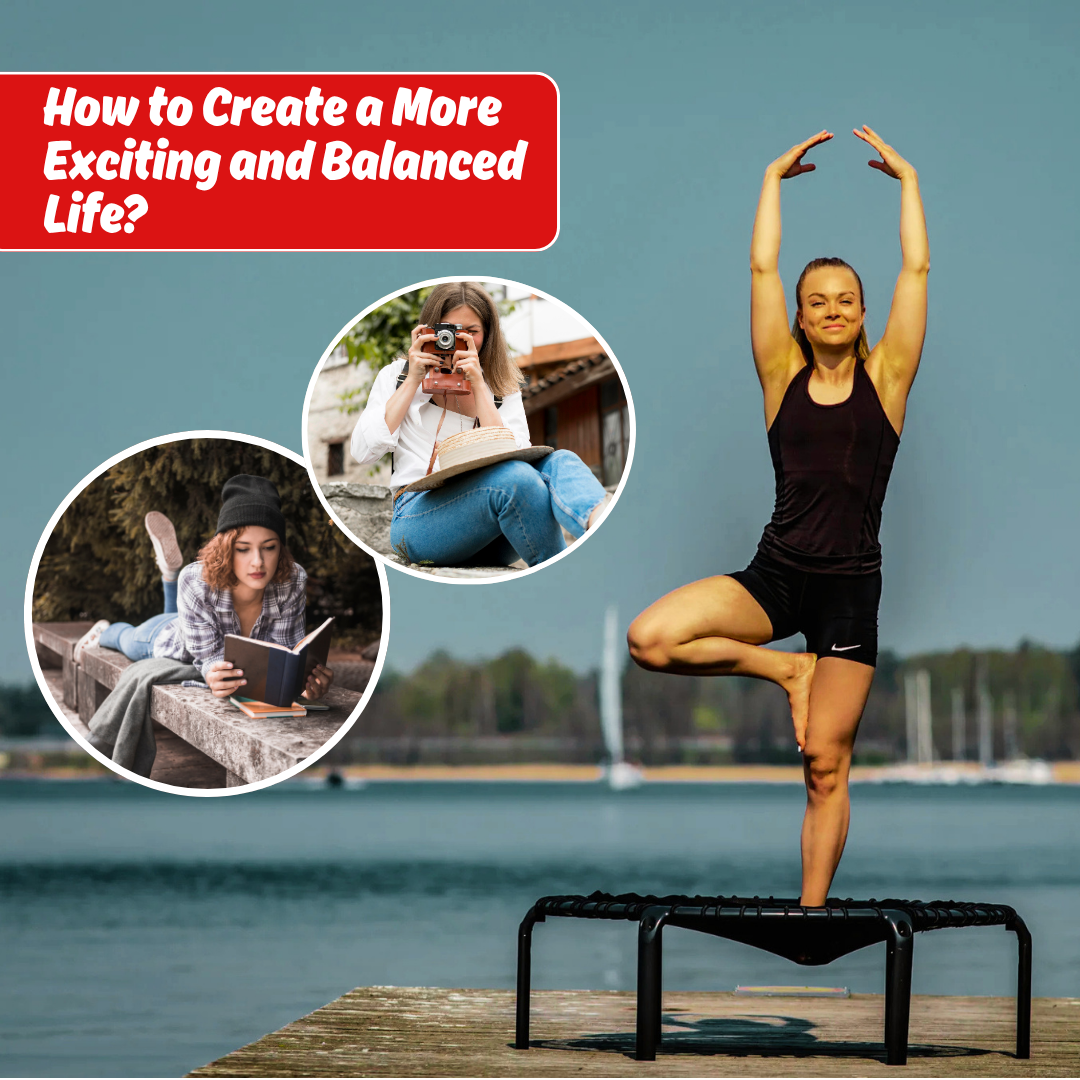
Creating a more exciting and balanced lifestyle becomes easier when you stop repeating the same patterns every week and instead introduce a healthy mix of movement, learning, and new experiences. When you plan your week with variety in mind, you naturally reduce boredom and start feeling more present in your daily life.
Week 1: Move More and Explore New Interests
You can concentrate on revitalizing your body and mind during the first week by making little adjustments to your routine.
- Physical activities: Brisk walking and trampoline yoga on the best fitness trampoline.
- Hobbies: Reading and photography.
- Other activities: Visit a new cafe, explore a different part of your neighbourhood, and change your daily commute route.
This combination helps you break autopilot habits. Physical movement improves energy levels, while hobbies like reading and photography encourage focus and creativity. Small changes in the environment also help your mind feel more stimulated.
Week 2: Learn Something New
This week is about building curiosity and developing new skills that keep your mind active.
- Physical activities: Swimming and gymnastics.
- Hobbies: Painting and learning a language.
- Other activities: Attend a workshop, try cooking a new dish, and explore educational content online.
Swimming and gymnastics on a rectangle trampoline support both strength and relaxation, helping you feel physically balanced. At the same time, creative hobbies like painting allow you to express yourself, while learning a language or attending workshops adds a sense of progress and achievement to your week.
Week 3: Focus on Social Connections
Human connection plays a key role in breaking repetitive routines and improving emotional well-being.
- Physical activities: Tennis, cycling, and trampoline dodgeball.
- Hobbies: Writing and gardening.
- Other activities: Meet friends for a day out, join a community group, and attend a local event or market.
Tennis, cycling, and dodgeball on a round trampoline make exercise more enjoyable when shared with others, adding motivation and fun. Writing and gardening give you calm, reflective time, while social activities help you reconnect, share experiences, and feel more engaged with your surroundings.
Week 4: Challenge Yourself
This week is about stepping slightly outside your comfort zone and trying something different.
- Physical activities: Trampoline and hiking.
- Hobbies: Playing a musical instrument and crafting.
- Other activities: Plan a weekend trip, set a personal goal, and explore a new place you have never visited before.
Hiking and trampolining while wearing trampoline grip socks are examples of physical fitness that increase confidence and endurance. Hobbies such as music or crafting encourage patience and creativity. New experiences during the week help reset your routine and give you a sense of excitement and accomplishment.
By rotating your focus each week, you create a natural rhythm of variety. This approach helps prevent life from feeling repetitive while supporting your physical health, mental clarity, and emotional well-being in a steady, sustainable way.
Conclusion
When life starts to feel repetitive, it is often a sign that your mind and body are ready for something new. While routines provide structure and stability, too much repetition can reduce motivation, creativity, and overall satisfaction. But small changes can make a significant difference. Exploring new activities, strengthening social connections, learning new skills, and embracing fun experiences can help restore excitement and purpose to everyday life.
This also applies to fitness habits. Keeping your workout routine fresh and engaging helps you stay motivated without losing interest, especially when you mix up your exercises, try new training styles, or adjust your goals to keep things challenging in a positive way.
Remember, creating a more fulfilling lifestyle does not require major changes. By making room for variety, movement, and enjoyment, you can break free from monotony and rediscover the energy and enthusiasm that make life feel rewarding.