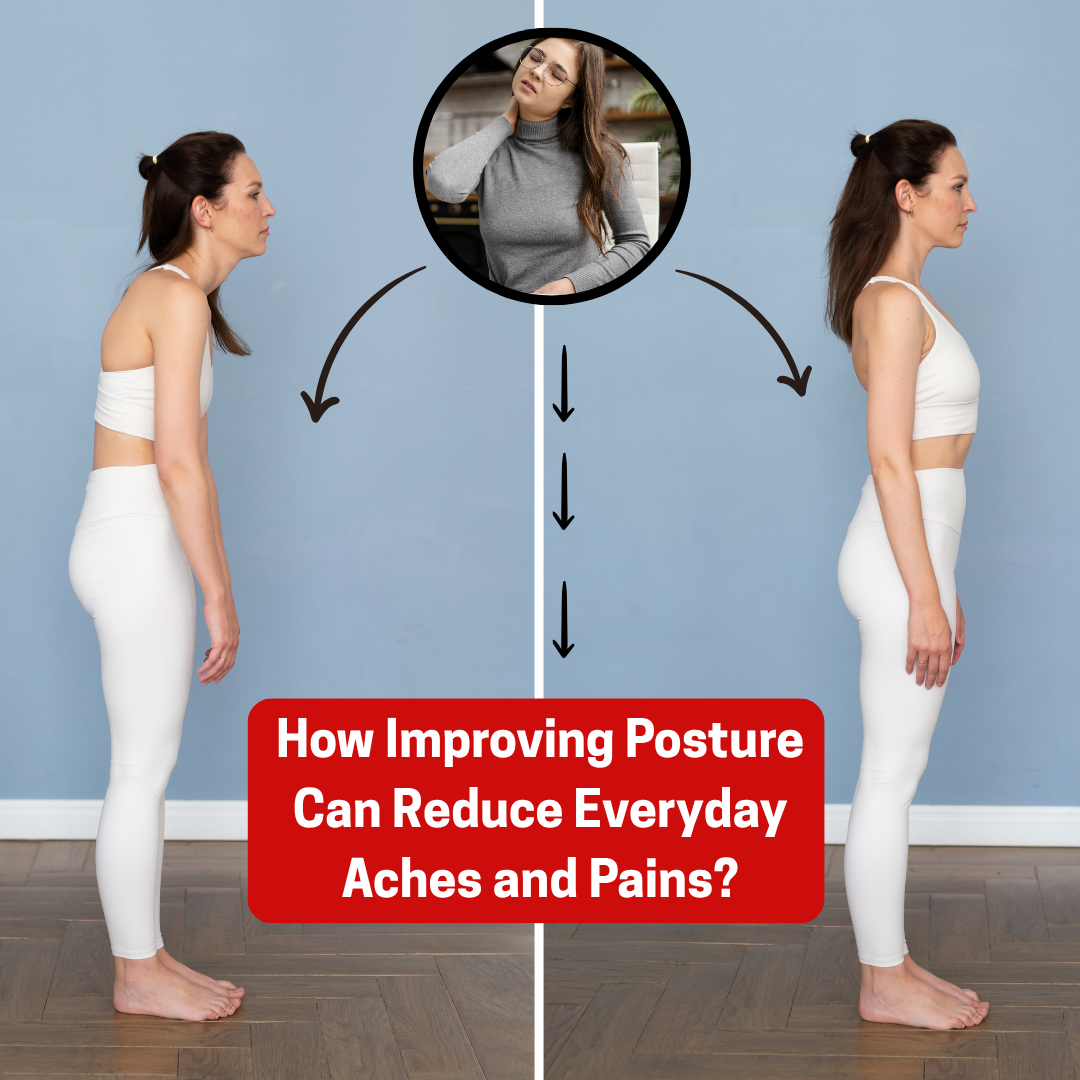
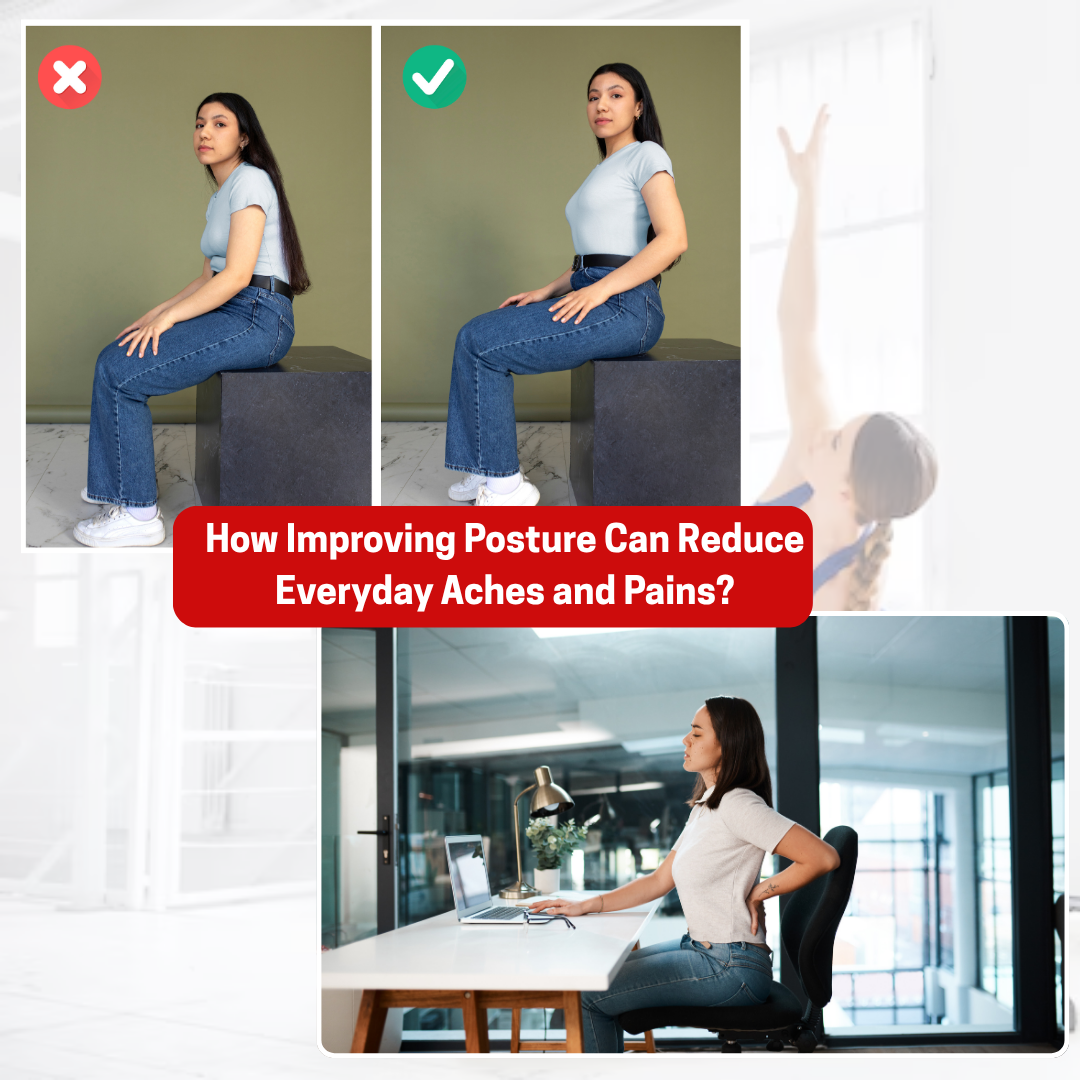
Do you regularly end your workday with a stiff neck, aching shoulders, or lower back pain? If so, your posture could be the reason. Long hours spent sitting at a desk, working on a laptop, or looking down at a phone can place significant strain on your muscles and joints.
The good news is that significant lifestyle adjustments are not necessary to improve posture. Simple daily habits, targeted exercises, and regular movement can help reduce discomfort, improve flexibility, and support your overall well-being. Correcting your posture can significantly improve your daily mood, whether you work from home or in an office. Even adding enjoyable movement activities like jumping on a trampoline can support better alignment by keeping the body active, engaged, and flexible in a low-impact way.
In this guide, you’ll learn why posture problems develop, how to spot the warning signs, and practical ways to improve your posture after long workdays.

How Does Poor Posture Develop?
Poor posture rarely appears overnight. It often develops through repeated habits and routines that place stress on the body over time.
- Prolonged Sitting: Many professionals spend six to ten hours sitting each day. Remaining in one position for extended periods weakens supporting muscles and encourages slouching.
- Excessive Screen Time: Looking down at laptops, phones, and tablets can create forward head posture, placing additional strain on the neck and upper back.
- Weak Core Muscles: Your spine is supported by your core muscles. When these muscles weaken, maintaining proper alignment becomes more difficult.
- Lack of Physical Activity: Insufficient movement can lead to muscle tightness, reduced flexibility, and poor body mechanics.
- Poor Workplace Ergonomics: An improperly adjusted chair, desk, or monitor can encourage unhealthy positioning throughout the day.
Before making improvements, it helps to recognize whether your posture is already affecting your body.
How Does Poor Posture Lead to Everyday Aches and Pains?
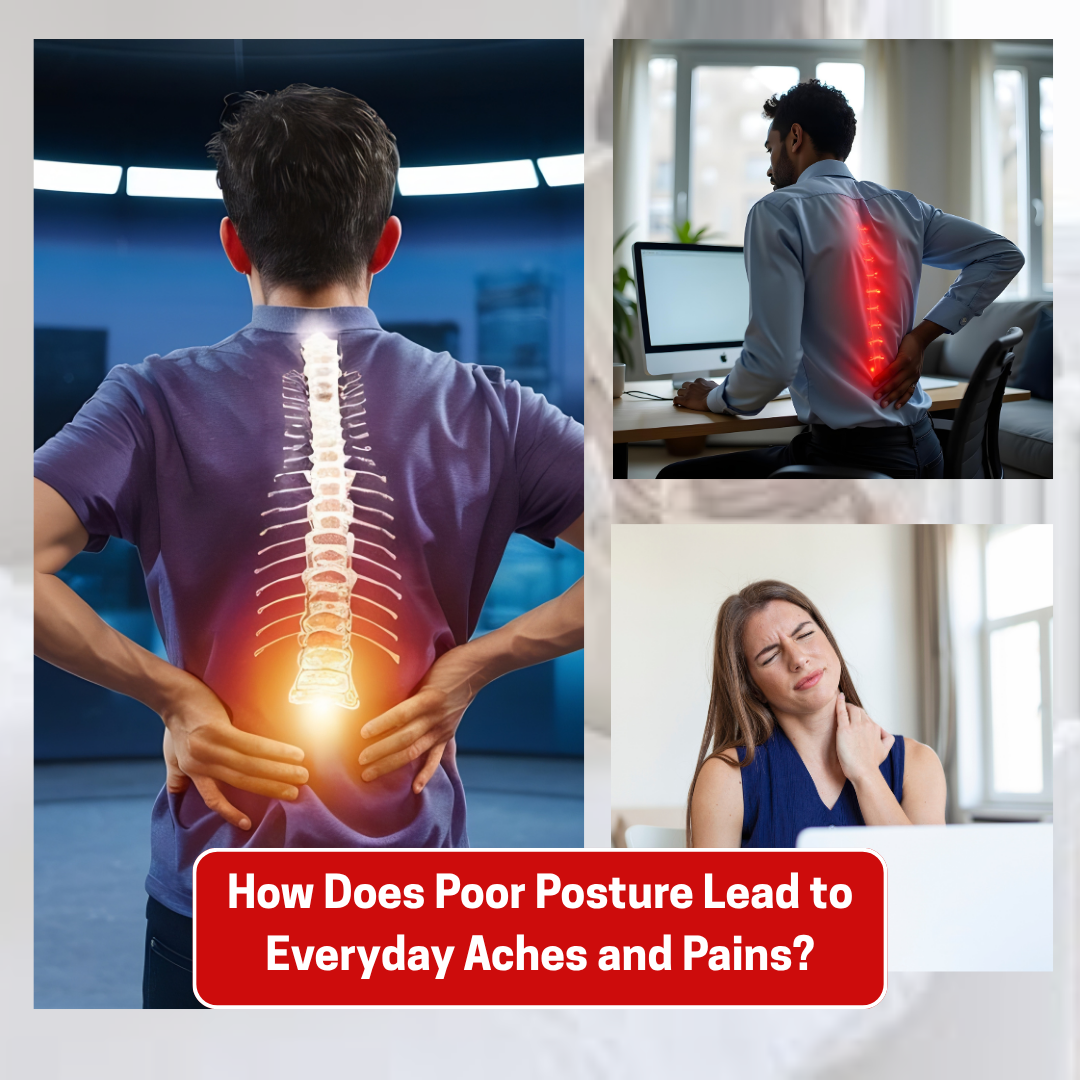
Poor posture does more than affect how you sit or stand. Over time, it can place unnecessary stress on your body, leading to discomfort and persistent aches in several areas.
- Places excessive strain on muscles and joints.
- It makes some muscles tense and overworked.
- It weakens the muscles that keep the spine aligned properly.
- It puts more strain on the lower back, shoulders, and neck.
- Restricts natural movement and flexibility.
- Leads to muscle imbalances throughout the body.
- Reduces circulation when sitting or standing incorrectly for long periods.
- Contributes to tension headaches and neck stiffness.
- Causes fatigue as muscles work harder to support the body.
- Raises the possibility of long-term mobility problems and persistent pain.
Knowing how poor posture affects your body can help you take proactive steps to reduce discomfort and support your long-term health and wellness.
One of the most effective ways to improve posture and relieve everyday aches and pains is through regular movement and targeted exercises.
What Are the Signs That Your Posture Needs Attention?
Poor posture often develops gradually, making the warning signs easy to miss. Identifying them early can help prevent long-term discomfort and mobility issues.
- Neck and Shoulder Stiffness: Ongoing tightness or discomfort in the neck and shoulders.
- Lower Back Pain After Work: Aching or stiffness in the lower back after prolonged sitting.
- Frequent Headaches and Eye Strain: Tension headaches and tired eyes are linked to poor screen positioning.
- Forward head position and rounded shoulders: are obvious indicators of slouching and bad body alignment.
- Feeling Fatigued Despite Minimal Activity: Tiredness caused by muscles working harder to support poor posture.
Recognizing these symptoms early can help you make simple changes that improve comfort, mobility, and overall wellbeing.
Fortunately, a few practical habits can help improve posture and reduce discomfort after a long workday.
How Can You Improve Your Posture After a Long Workday?
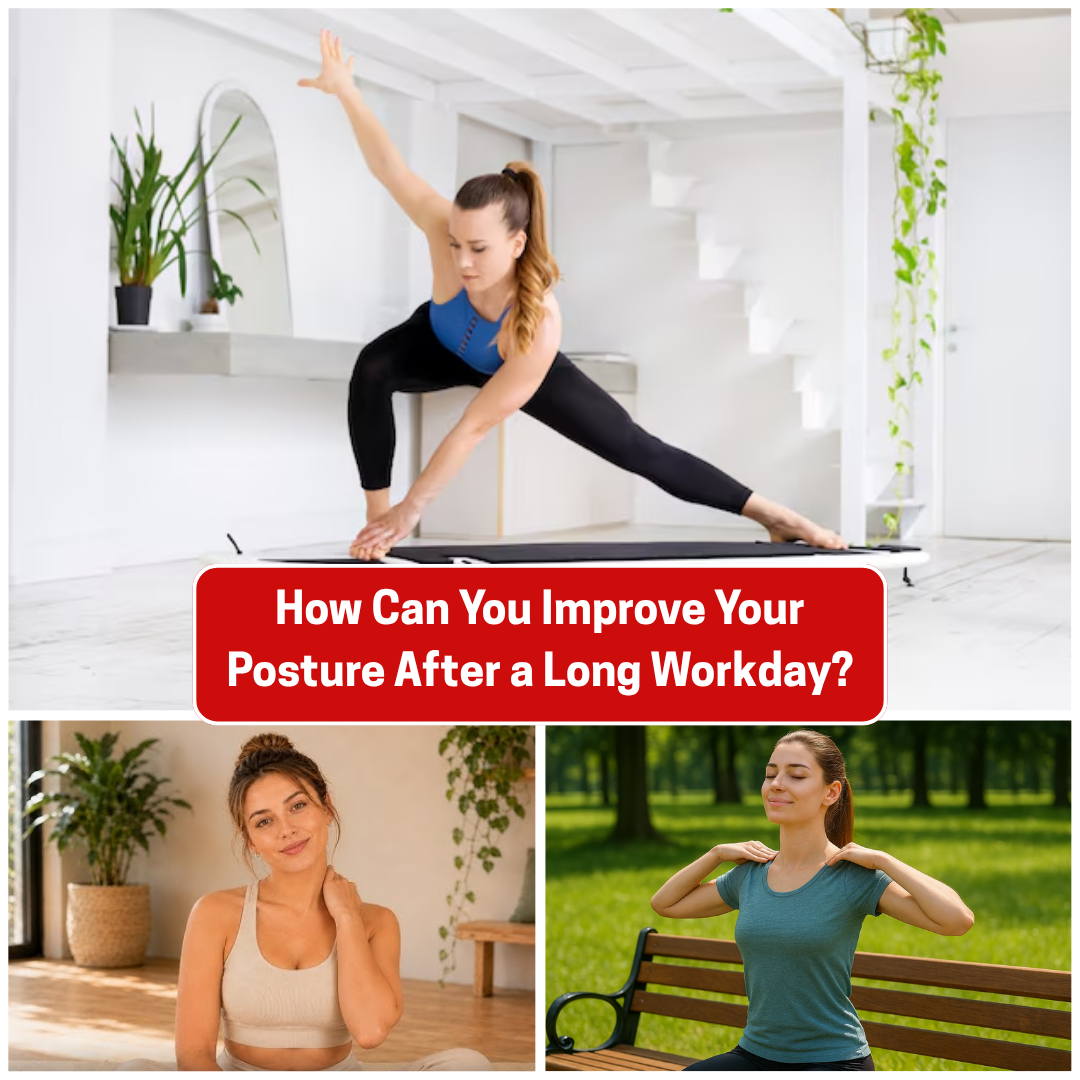
Recovering from a long day at work requires more than simply resting. Active strategies can help restore alignment, reduce stiffness, and relieve tension that builds up from prolonged sitting.
1. Stay Active
Regular movement prevents muscles from becoming stiff and helps maintain healthy circulation. After work, even a quick stroll might have a significant impact. You can also include fun activities such as bouncing on a garden trampoline on weekends to encourage full-body movement, improve coordination, and help counteract the effects of a sedentary workweek.
2. Reset Your Posture
Take a few moments throughout the day to check your alignment. Keep your shoulders relaxed, your spine neutral, and your head positioned directly above your shoulders.
3. Stretch Key Muscles
Stretch tight spots like the hamstrings, shoulders, hip flexors, and chest. Stretching helps counteract the effects of prolonged sitting and promotes better mobility.
4. Build Core and Back Strength
Strong supporting muscles make improving posture easier and more sustainable. Include exercises that target the abdominals, lower back, and upper back. Incorporating Core Strengthening Exercises for Stability, Balance and Real Strength Gains into your fitness routine can help create a stronger foundation for proper posture and long-term spinal support.
5. Practise Proper Alignment
Stand tall with your ears, shoulders, hips, knees, and ankles aligned as closely as possible. Maintaining correct alignment lessens needless stress on joints and muscles.
6. Release Tension
Mobility activities such as foam rolling, massage therapy, and gentle above-ground trampoline sessions can assist in releasing tense muscles and enhancing the quality of overall movement.
7. Improve Sitting Habits
Sit with both feet flat on the floor and avoid crossing your legs for long periods. Small adjustments to your sitting position can make a significant difference over time.
8. Support Your Neck and Shoulders
Position screens at eye level and avoid constantly looking downward at devices. This helps reduce stress on the neck, shoulders, and upper back.
9. Increase Flexibility
Regular mobility work helps maintain healthy movement patterns and reduces stiffness. Activities such as high-quality in-ground trampoline yoga, dancing, stretching classes, and low-impact trampoline workouts can improve flexibility while making exercise more enjoyable.
10. Build Better Daily Habits
Consistency is essential. The best long-term outcomes are frequently achieved with modest everyday postural adjustments. Even spending 15 minutes bouncing on a 14ft trampoline after a long workday can help improve flexibility, encourage movement, and reduce the stiffness that often develops from prolonged sitting.
Lifestyle changes create a strong foundation, but specific exercises can accelerate your progress and support lasting posture improvements.
20 Proven Exercises for Better Posture and Pain Relief
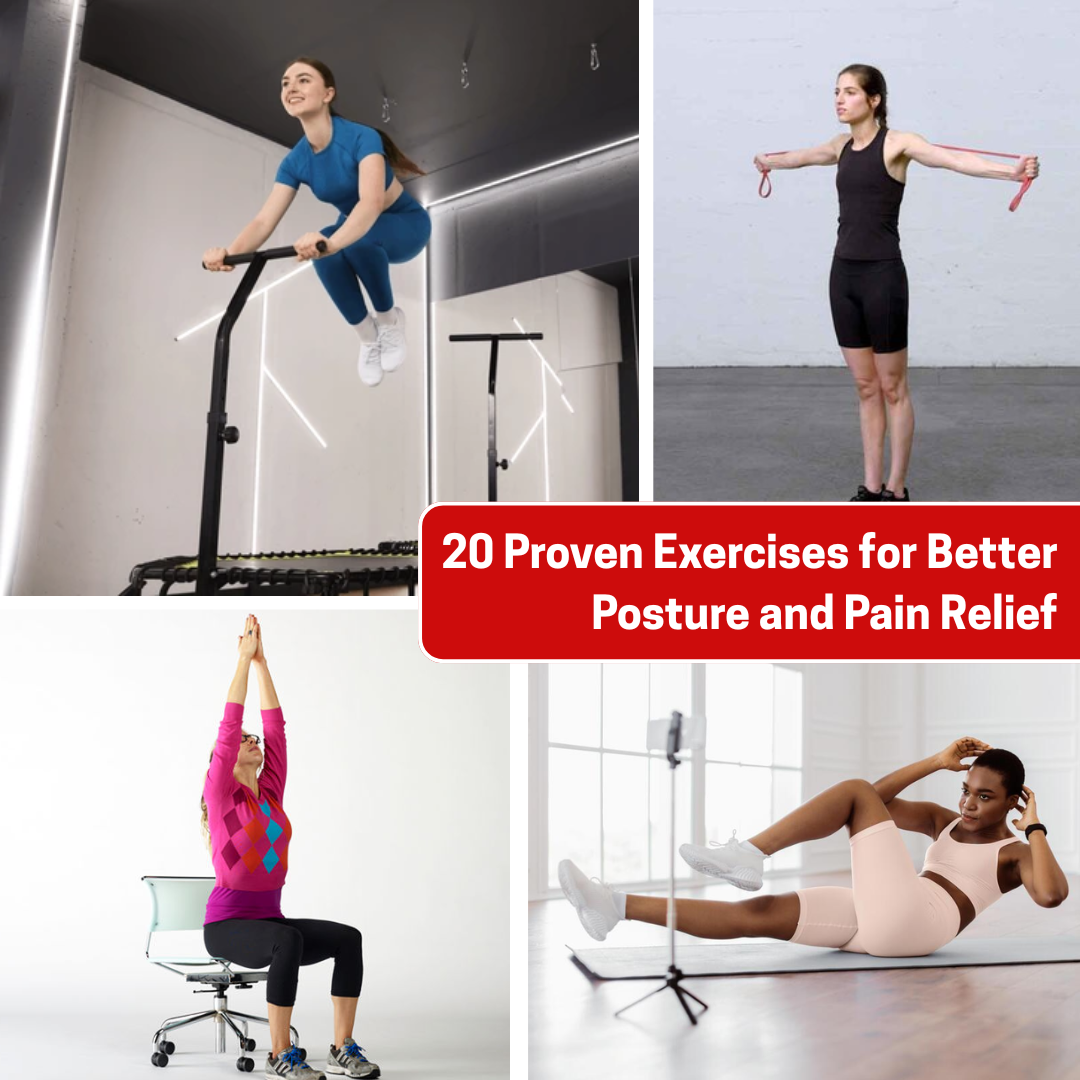
The right mix of stretching, strengthening, and mobility exercises can help improve posture, reduce muscle tension, and relieve everyday aches and pains. These exercises target key muscle groups that support better alignment and overall movement.
1. Overhead Reach Bounce
Perform gentle bounces on a 10ft trampoline while reaching your arms overhead. This movement lengthens the spine, opens the chest, and helps reduce the rounded posture often caused by long hours of sitting.
2. Balance Hold Bounce
Stand on one leg while performing light trampoline bounces wearing trampoline grip socks. This exercise improves balance, strengthens stabilizing muscles, and enhances overall posture control.
3. Chest Opener Bounce
While gently bouncing on a best round trampoline, pull your shoulders back and open your chest. This helps counteract slouching and relieves tension across the upper body.
4. Cross-Body Knee Raises
Raise each knee towards the opposite elbow while maintaining good posture. This movement activates the core and improves coordination and spinal stability.
5. Airplane Arms Bounce
Extend your arms out to the sides while performing controlled trampoline bounces. This exercise strengthens postural muscles and encourages better shoulder positioning. Using a trampoline with a trampoline safety net adds extra security and confidence, allowing you to focus on balance and form without worrying about losing stability.