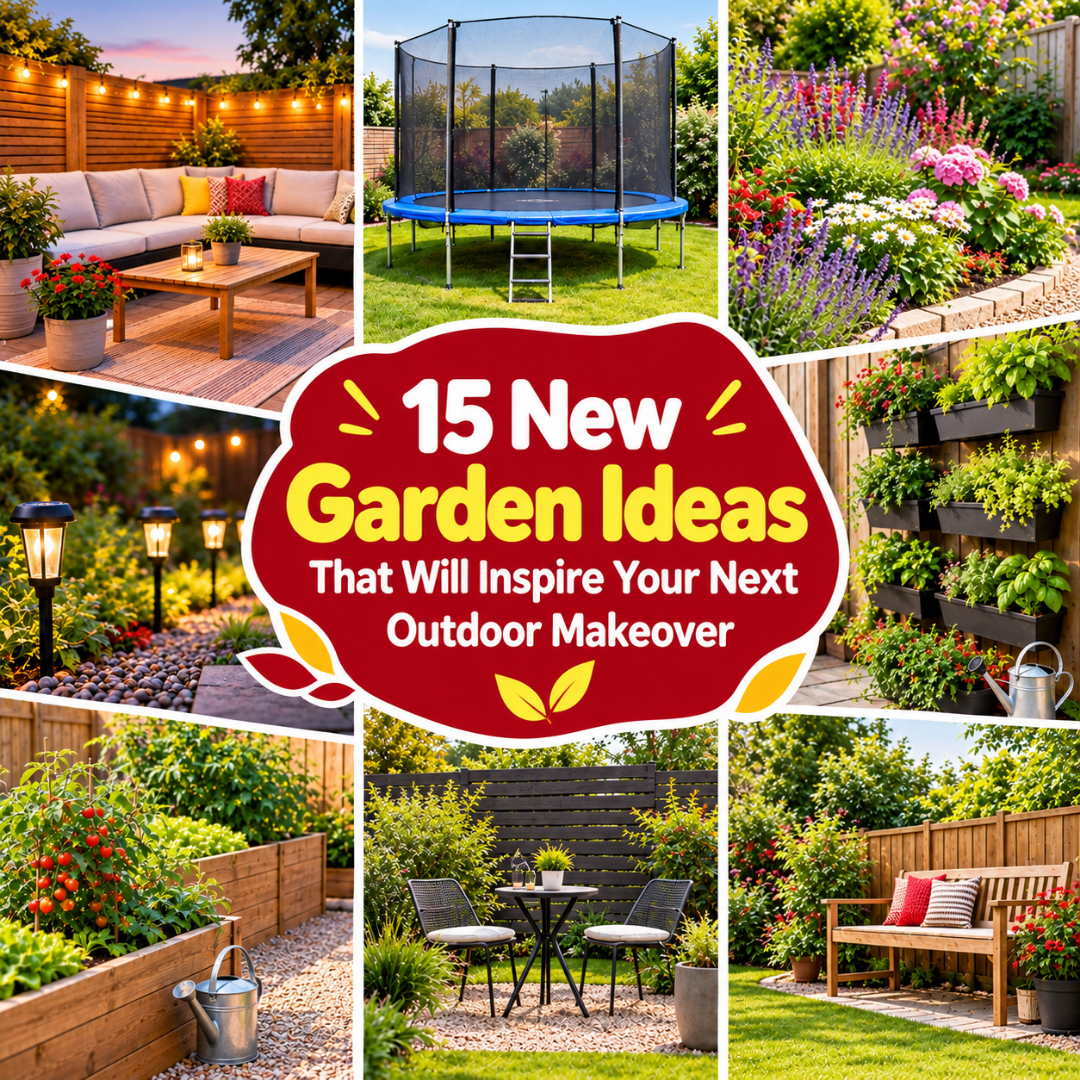
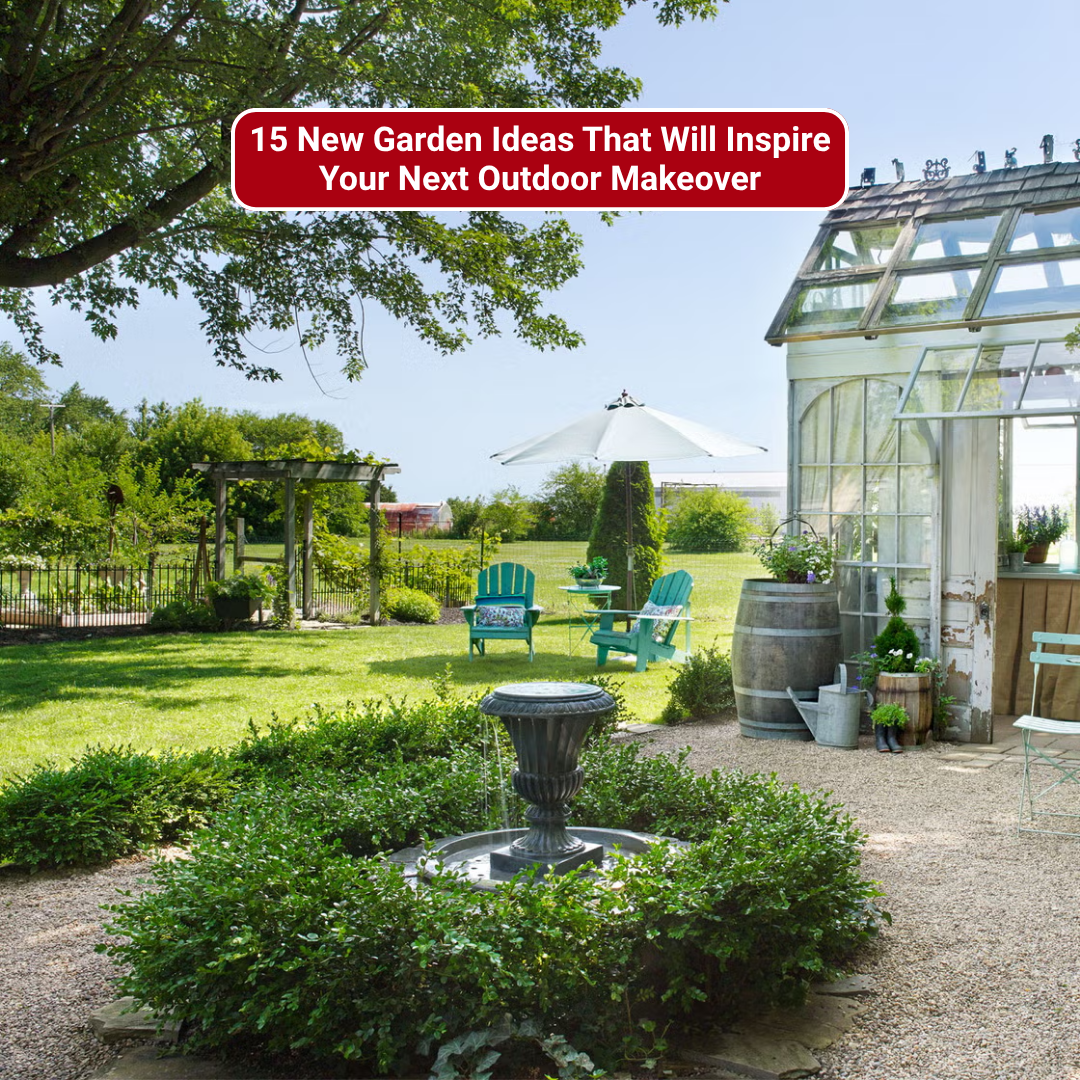
You’ve probably stopped looking out of your kitchen window by now. The lawn is patchy, the fence leans a little, and the children gave up on the garden for the sofa weeks ago. Then one weekend you try a few simple garden ideas. You move a bench to the sunniest corner, hang a string of solar lights and clear a flat spot for a trampoline. By half-term, everyone’s outside again, and so are you.
That’s how the best changes tend to work. They don’t need a big budget or a landscaper. They need a bit of honesty about how you actually use the space.
We’ve already covered contemporary garden design and garden decoration themes, so have a look at those if you want the classics. This time we’re sharing newer, more practical ideas with a modern, tidy feel. Some are fresh. Some are old favourites that suit today’s smaller gardens. All of them can work in a British garden, rain and all.

The most popular garden ideas right now are cottage planting, edible beds, vertical gardens, solar lighting and minimalist layouts. Add a proper outdoor living space and a play area, such as a garden trampoline, and the garden works for adults and children alike. Start with one or two changes, not a full redesign.
In this guide, we’ll share some thoughtful, modern ideas that give your garden new life and personality. So grab a coffee and stay with us, and let’s transform your space together.
Bring Nature and Sustainability Into Your Garden
Plants do the heavy lifting in any garden. They add colour, feed the bees and soften hard edges. Autumn is a smart time to start, because soil is still warm and winter rain does the watering for you.
We’ll begin with four planting ideas, then move on to the lighting and features that finish things off.
1. Create a Charming Cottage Garden Full of Colour
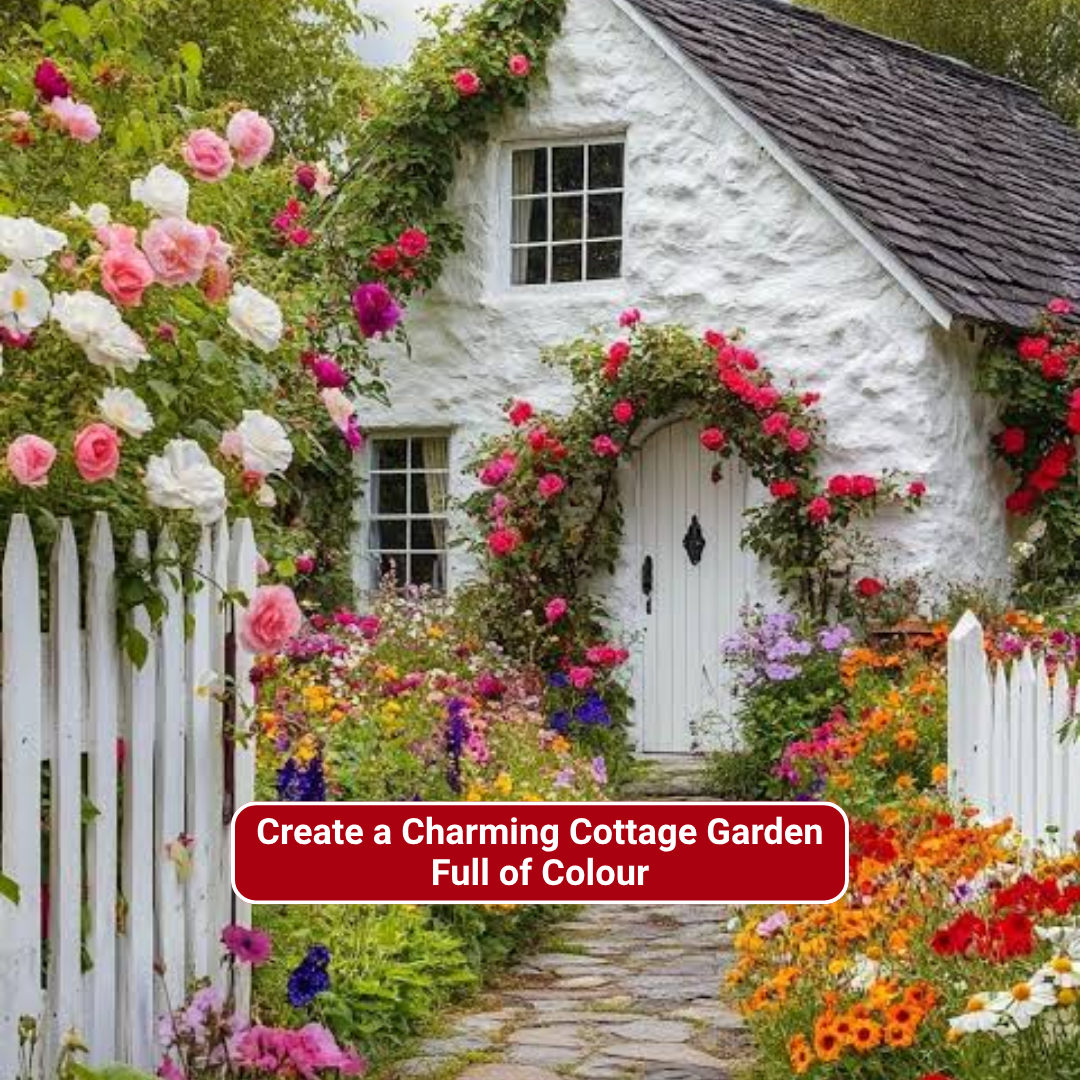
Cottage gardens look loose, but the loose look takes planning. Mix tall plants like foxgloves at the back with shorter ones near the front. Let a winding path pull the eye along.
Bees love it. So do you, when it’s June and everything’s flowering at once?
Skip stiff, straight rows. A bit of mess is the point.
2. Bring Your Garden to the Table With Fresh Produce
Herbs by the back door get used. Herbs at the bottom of the garden get forgotten. That’s the whole rule.
Mix in lettuce, strawberries and edible flowers like nasturtiums. They look pretty and taste peppery. A productive garden doesn’t have to look like an allotment. Tuck veg between flowers, and nobody will mind.
3. Make Planting Easier With Raised Garden Beds
Raised beds suit heavy clay, which many British gardens have. You fill them with good soil, so you skip the digging and the waterlogged roots.
They also save your back. Keep beds about a metre wide so you can reach the middle from either side. Any wider and you’ll end up standing on the soil, which defeats the purpose.
4. Grow Upwards With a Vertical Garden
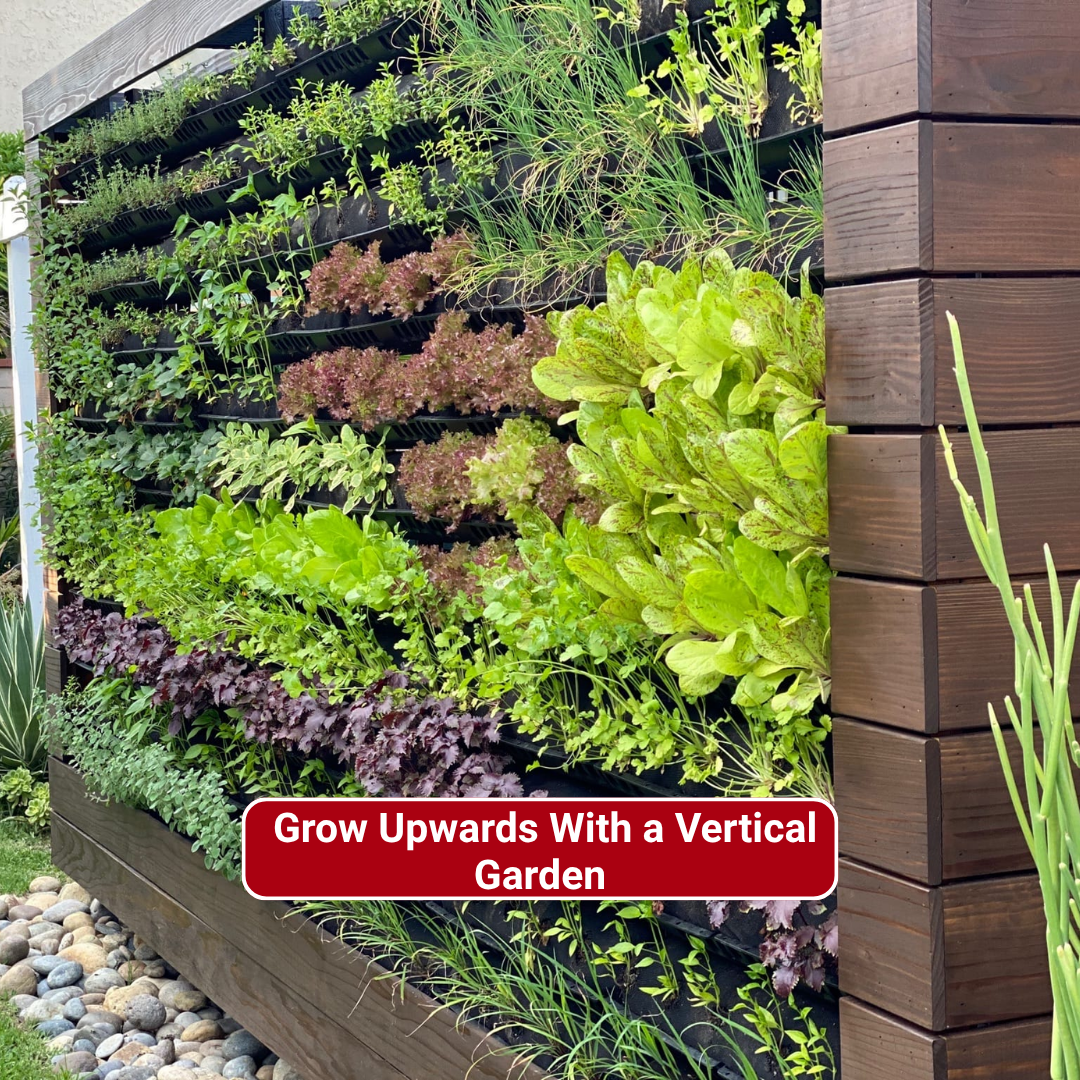
Short on floor space? Use the walls. Wall planters, trellises and hanging pots turn a bare fence into a green screen.
For small garden ideas, this is the quickest win. Climbers like clematis need almost no ground. One tip from experience: fix supports firmly, because wet foliage gets heavy, and autumn gusts will find any weak screw.
Add Modern Features That Transform Your Garden
Plants set the mood, but features give a garden its personality. Lighting stretches your evenings. Water adds calm. Fencing and sculpture give the space shape.
You don’t need all six of these. Pick the ones that fit your garden design and the time you’ve got to look after them.
5. Brighten Up Evenings With Solar-powered Garden Lights
Solar lights have improved a lot. String lights over a seating area and small spotlights along borders can make a garden feel finished after dark.
Be realistic about British winters. Short, cloudy days mean dimmer lights, so place panels where they catch any sun going. Use lighting to mark paths and steps first, then add the pretty bits.
6. Create a Peaceful Atmosphere With Sleek Water Features
A small water bowl or a simple wall fountain gives you a gentle sound without much work. The sound also helps cover road noise.
Match the size to your space. A big pond in a tiny garden looks silly. Think about cleaning, too. Smaller, shallower features are easier to look after. If young children use the garden, keep any open water well away from their play area.
7. Use Contemporary Fencing for Privacy and Style
Neighbours looking in can spoil a nice evening. Modern fence panels with clean lines and natural finishes give privacy without making the garden feel boxed in.
Try leaving small gaps or mixing in a trellis section on top. Check your boundary rules before building higher, as local council guidance often limits fence height.
8. Add Character With Statement Garden Sculptures
One good sculpture beats ten small ornaments. A tall metal piece, a carved stone or an unusual planter gives the eye somewhere to land.
Place it where you see it from the kitchen window. That’s where it earns its keep. Too many pieces, and the garden starts to feel like a shop.
9. Create a Calm Retreat With Zen-Inspired Garden Design
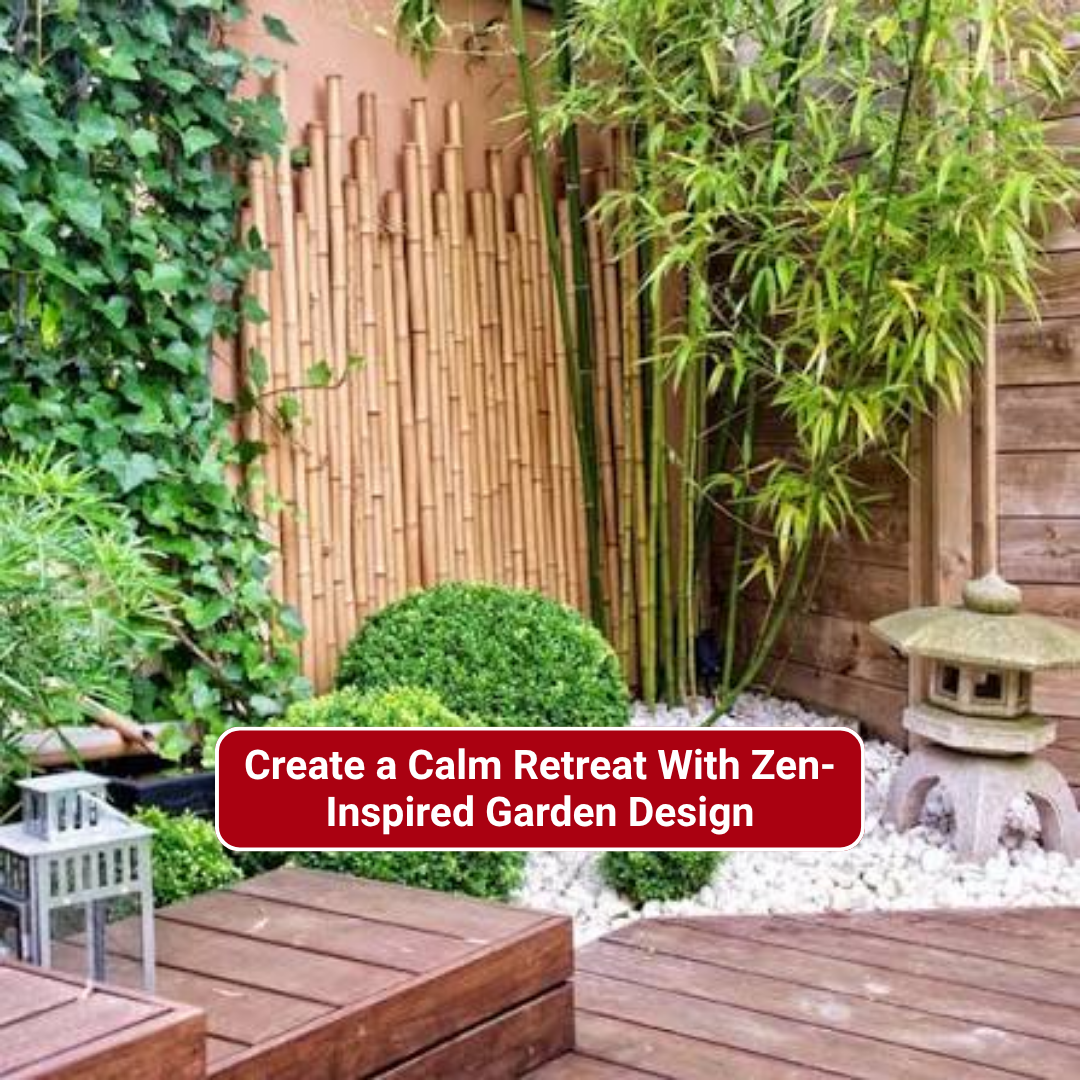
Gravel, a few carefully placed stones and restrained planting create a quiet corner. It’s a good spot for a morning coffee or ten minutes with a book.
Keep it simple. Grasses and moss work well. Raked gravel also keeps weeds down, which is a nice bonus when you’re short on time.
10. Keep Things Simple With Minimalist Garden Design
Fewer plants, fewer colours, neat borders. That’s minimalism. It makes a small plot feel bigger because your eye has less clutter to snag on.
It’s also kind on a busy week. Clean garden ideas edging, such as steel or stone strips, keeps lawns and beds apart so mowing takes half the time.
Turn Your Garden Into an Outdoor Living Space
So far we’ve talked about how a garden looks. Now let’s talk about how it’s used. A beautiful garden nobody sits in is just a view.
This is where families make the biggest gains. Seating, cooking and play can all share one plot if you plan where each one goes.
11. Design an Outdoor Living Space for Everyday Enjoyment
Start with a seat you actually want to use. Weather-resistant furniture, a bit of shade and a small table are enough. A parasol or pergola helps on hot days and keeps drizzle off in autumn.
Many gardens fail because the seating sits in the coldest, windiest corner. Spend an evening noticing where the sun lands before you buy anything.
12. Outdoor Kitchen or Built-in BBQ
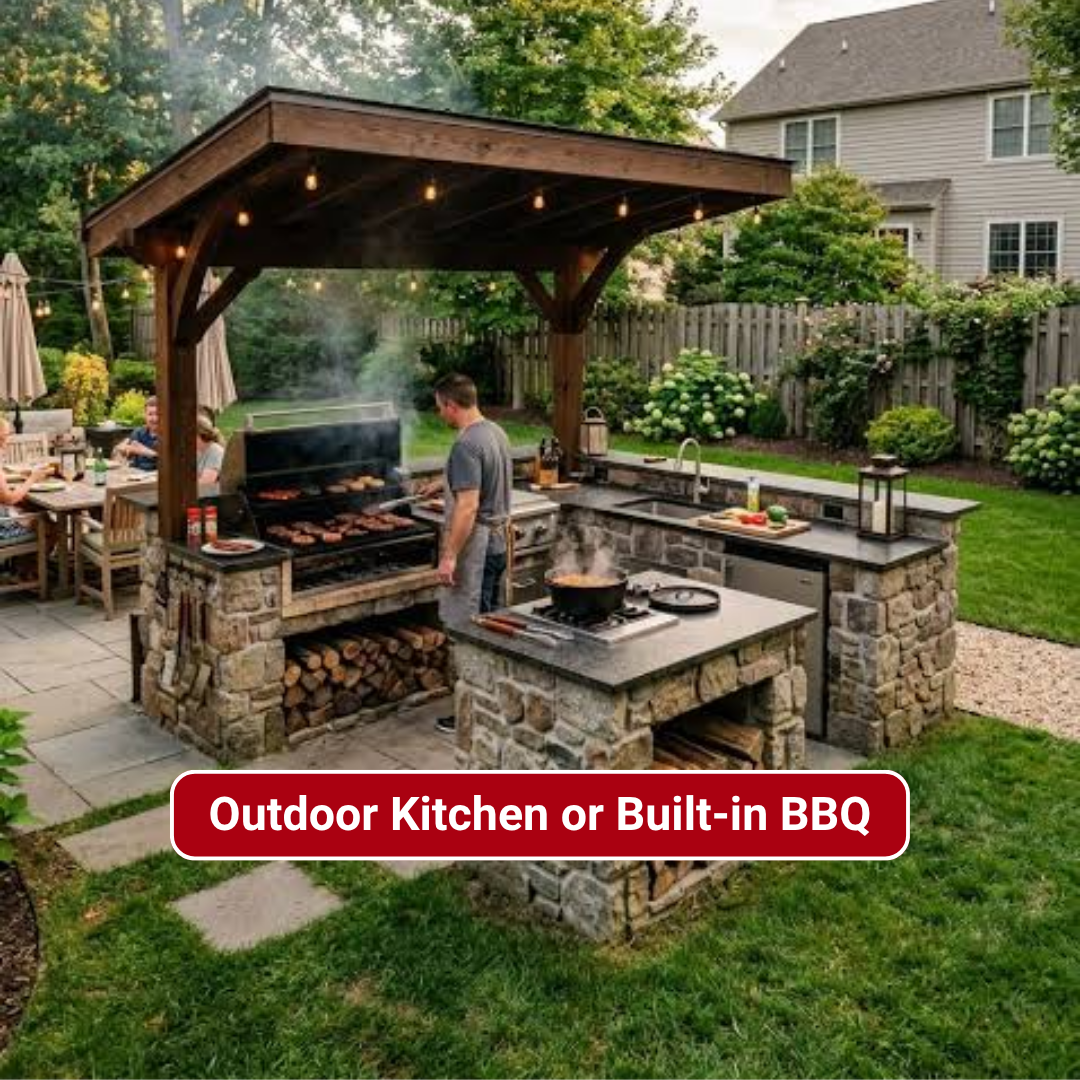
A cooking zone makes summer easier. Add a flat prep surface and room to eat nearby.
Safety matters most here. Position the BBQ well away from fences, sheds, play equipment and anything that burns. Keep it away from the children’s area too, so nobody runs past hot coals.
13. Make Room for Fun With a Garden Trampoline Design
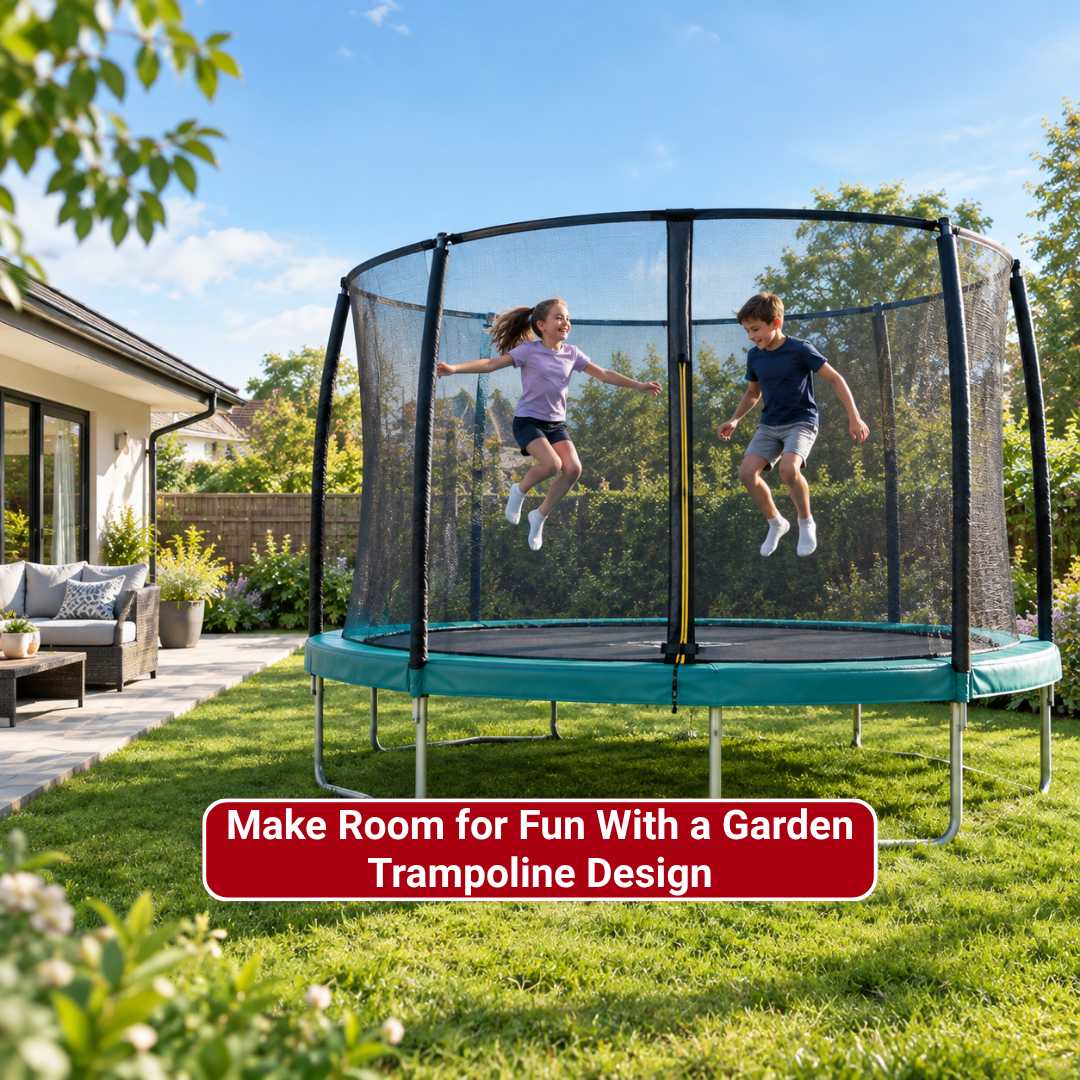
A trampoline works best when it’s planned, not squeezed in last. Measure the space for the trampoline and the clear area around it. Then check sightlines, so you can watch from the kitchen or patio.
Keep it off hard surfaces and away from fences, trees and washing lines. Always follow the maker’s guidance on clearance. A trampoline isn’t right for every garden. On a steep slope or in a very tiny yard, a different play idea may suit you better. If you’re ready to look, our outdoor trampolines range is a good place to start.
Choose an Above-Ground Trampoline for a Flexible Garden Layout
An above-ground trampoline needs no digging. You can move it later, which helps if you rent or plan to redesign. Choose firm, level ground and fit a safety net enclosure.
Create a Clean Look With an In-Ground Trampoline
An in-ground trampoline model sits low, so it blends into a modern garden and keeps your view open. It needs proper digging, good drainage and suitable soil, so clay gardens need extra thought. A ground-level mat doesn’t remove the risk of injury, so supervision still matters.
Features | Above-ground | In-ground |
Look | Visible, taller | Low, blends in |
Installation | Simple, no digging | Needs excavation |
Drainage | Rarely an issue | Must be planned |
Best for | Flexible layouts | Open, modern gardens |
Expert tip: Stand where you’d normally sit and look at the planned spot. If you can’t see the whole trampoline from there, move it.
Common Mistakes
- Placing it under a tree or near a fence
- Ignoring wet or sloping ground
- Forgetting to check the enclosure before winter storms
Drainage is where most in-ground installs go wrong, especially on heavy clay that holds water for days. If your soil stays soggy after rain, read our guide on how to build an effective drainage system before anyone picks up a spade. It walks you through the easy steps, so you can plan the hole and the water exit together.
14. Build a Dedicated Soft Play Area for Children
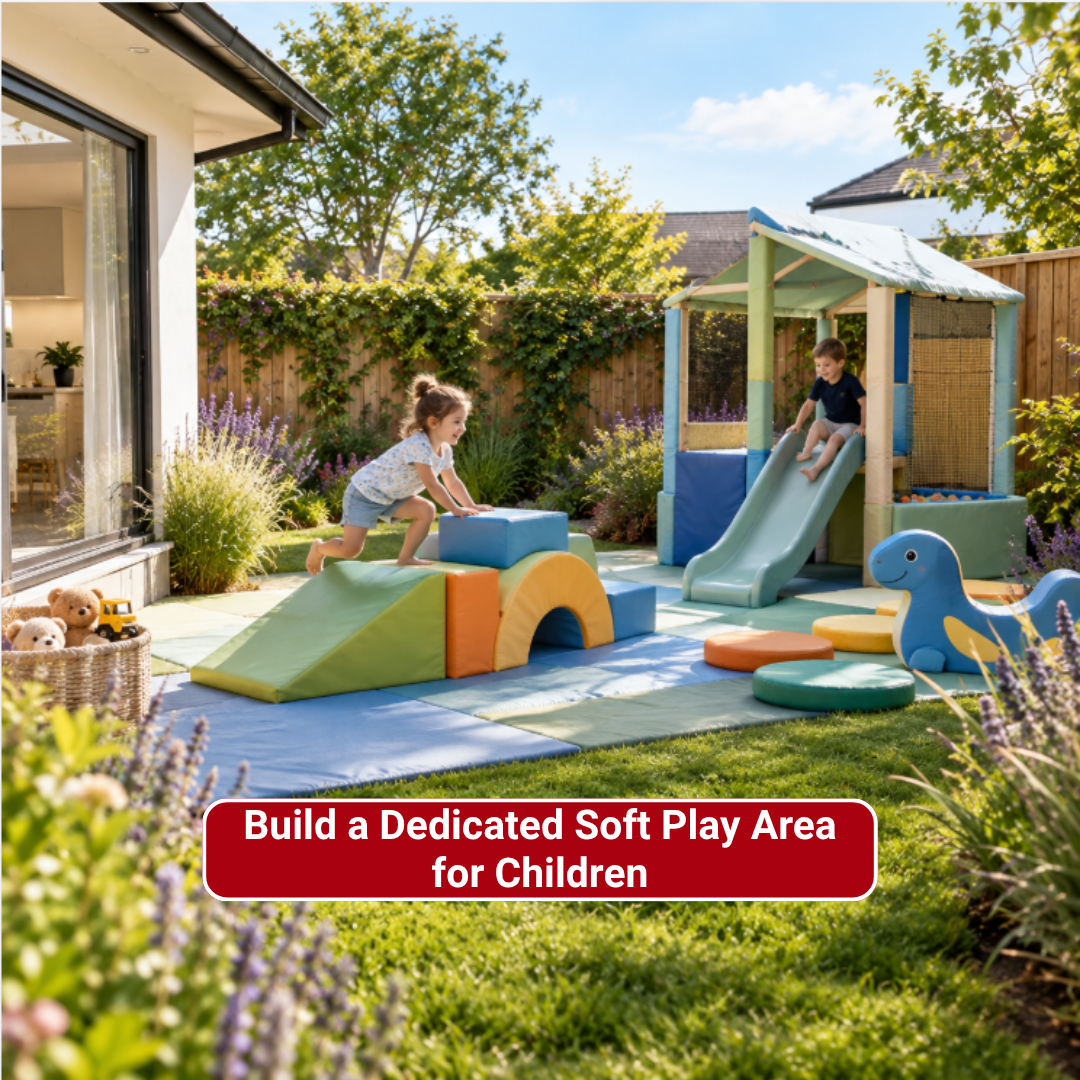
Children need a place that’s theirs, and you don’t have to look far for inspiration. Think of an indoor soft play centre like Wonderland, with its padded corners, low climbing bits and bright, busy zones. Now borrow that idea for your own garden. Mark out a corner, add age-appropriate equipment and put a soft landing surface underneath wherever little ones might fall. Plant lavender and tall grasses around the edges so they can touch, sniff and hide.
Keep the whole area away from water features, BBQs and garden tools, and make sure you can see it from the kitchen window.
15. Make Small Gardens Feel Bigger With Mirror Walls
An outdoor mirror reflects greenery and light, which tricks the eye into seeing more depth. It’s one of the cheapest tricks in small garden ideas.
Fix it securely and choose one made for outdoor use. Angle it away from the open sky or tilt it slightly so birds don’t fly into it. Dull weather glare can also surprise you, so test before drilling.