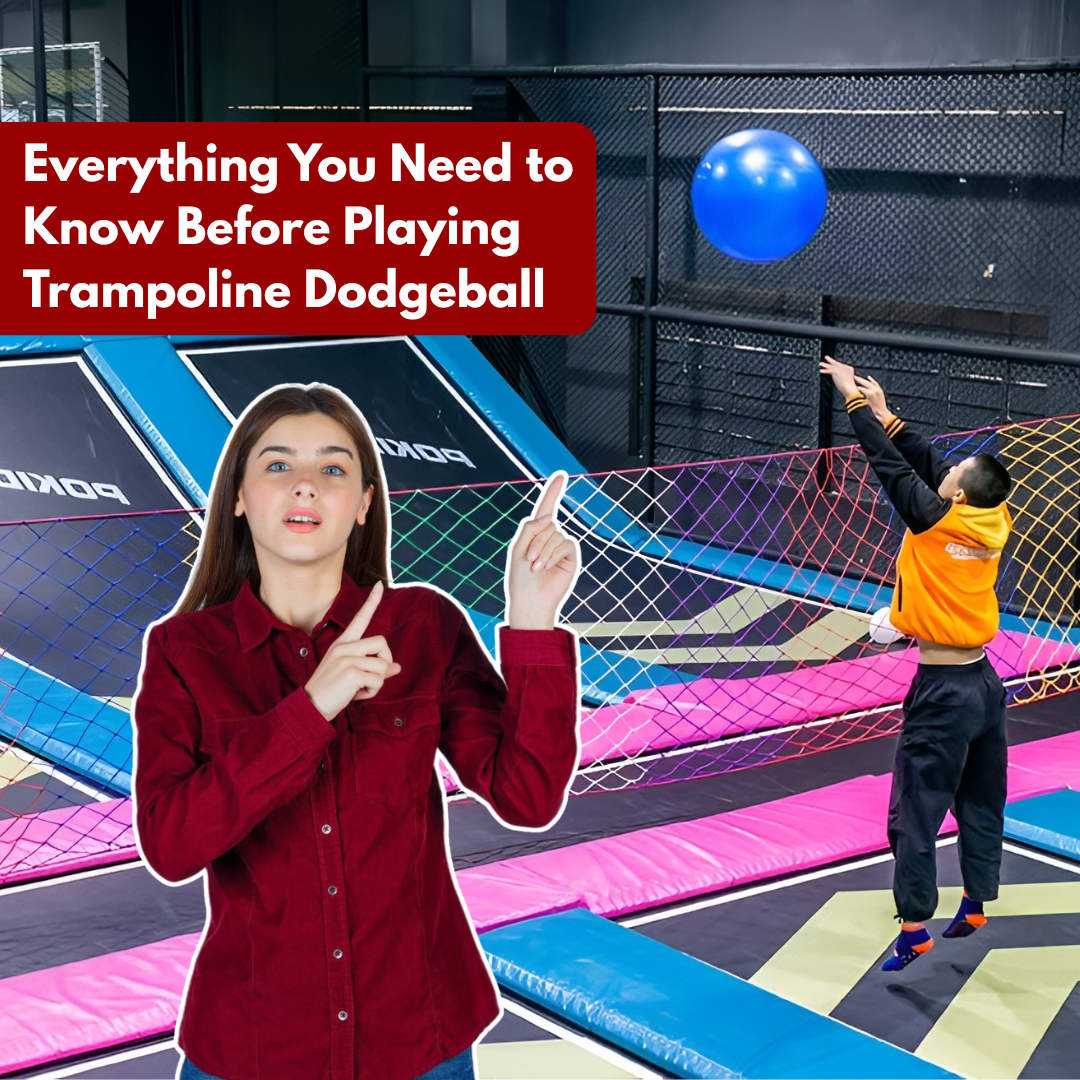
What makes trampoline dodgeball so addictive is a quick toss that comes your way when you are balancing mid-bounce. The game moves quickly, demands sharp reactions, and turns ordinary dodgeball into a far more exciting indoor or outdoor challenge. However, without understanding proper trampoline dodgeball rules, matches can quickly become confusing, unsafe, and frustrating for players.

That is why knowing how the game works matters just as much as the fun itself. From catching rules and player elimination to safe bouncing zones and team strategies, trampoline dodgeball follows a structured format designed to keep every match fair, energetic, and controlled. Whether you are organising a school activity, planning a birthday event, managing a trampoline park session, or simply looking for a new way to stay active indoors, this guide explains everything you need to know to play trampoline dodgeball safely, confidently, and competitively.
What Is Trampoline Dodgeball?
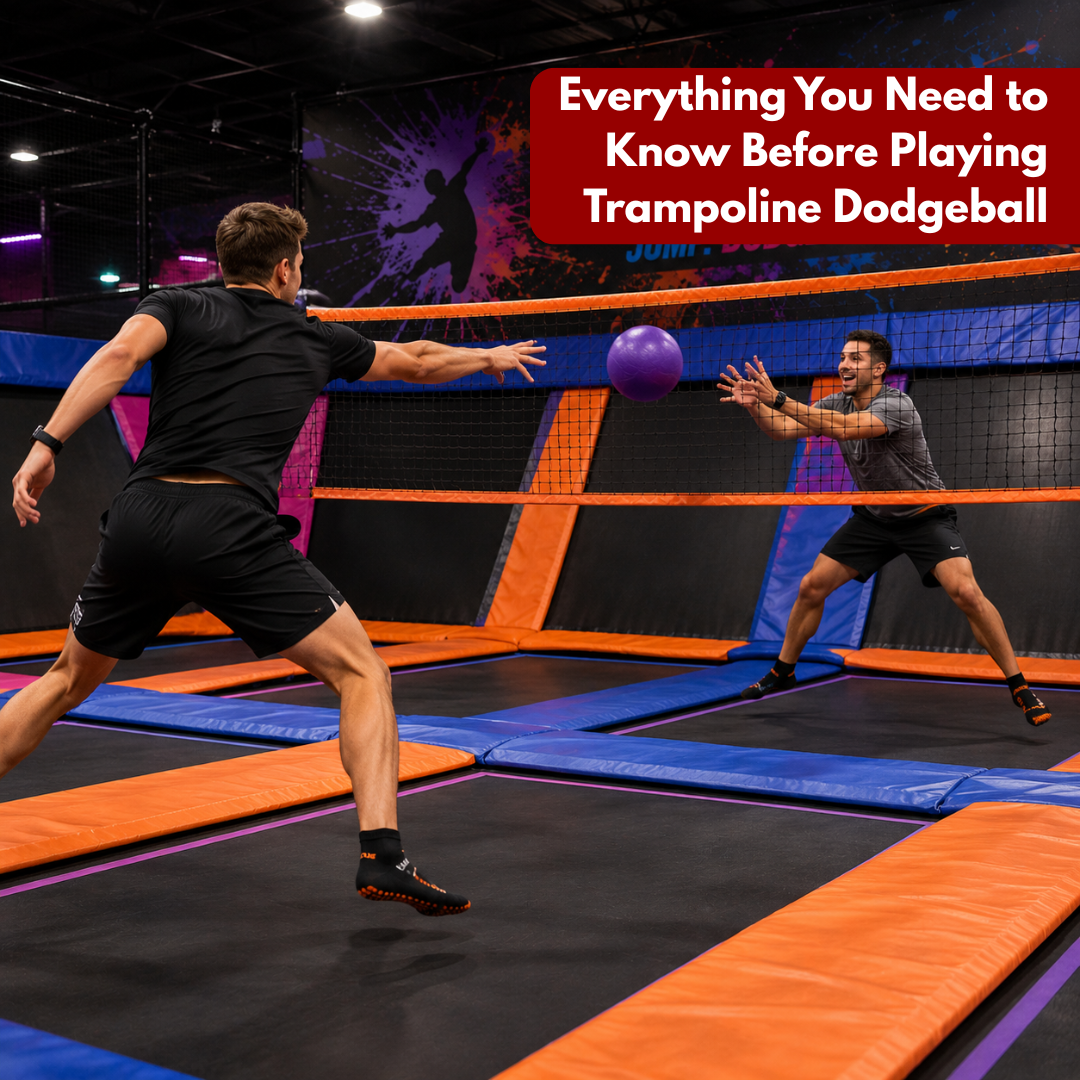
Trampoline dodgeball is a high-energy version of traditional dodgeball played on interconnected trampolines. Players bounce while throwing, dodging, catching, and blocking against the opposing team. The constant jumping adds excitement, speed, and unpredictability to every match.
The game is popular in trampoline parks, schools, fitness centres, and indoor activity arenas because it combines physical activity with social fun. With proper trampoline dodgeball rules, the game becomes safer, fairer, and more enjoyable for players of all ages and skill levels.
How Trampoline Dodgeball Improves Fitness & Health
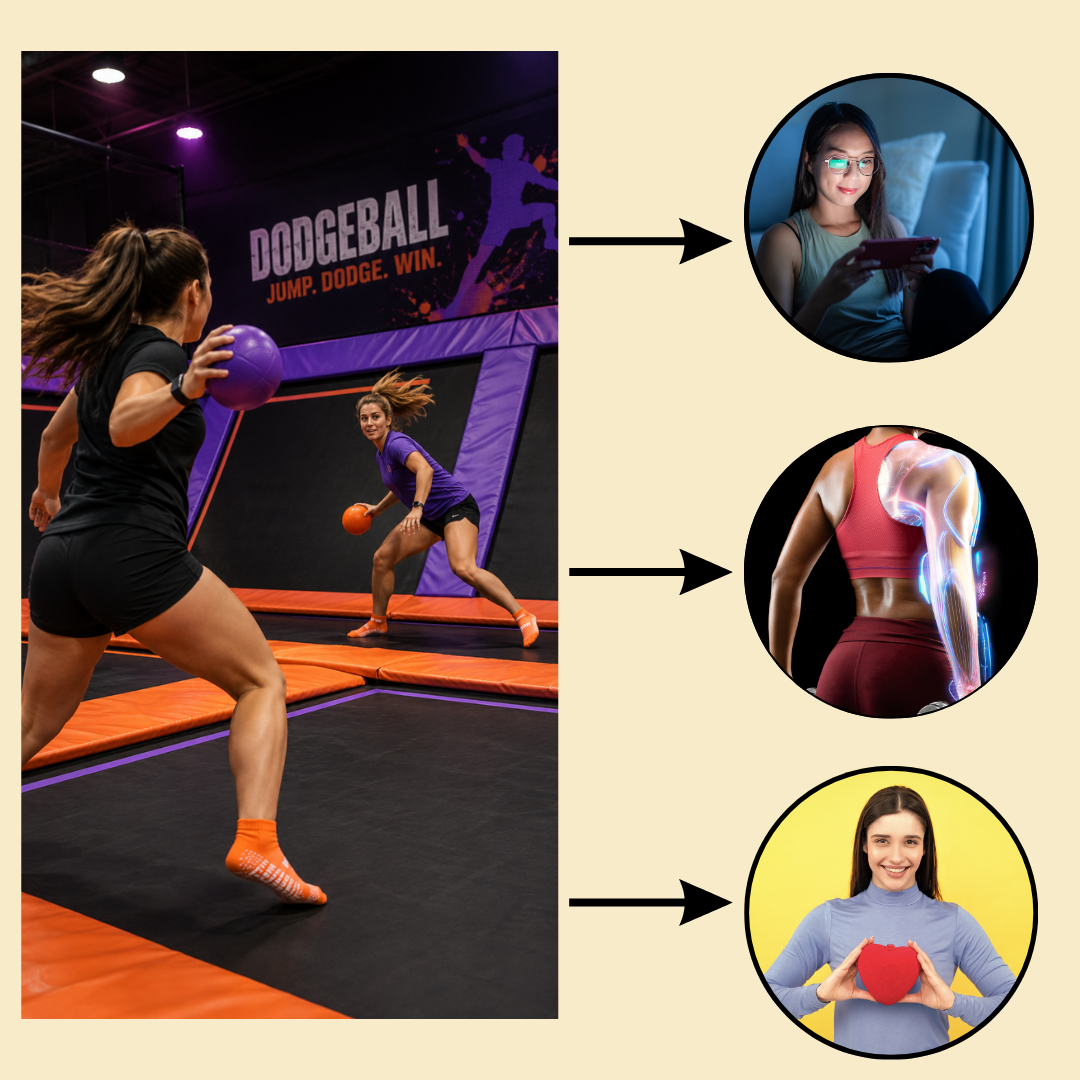
Trampoline dodgeball does far more than keep players entertained. The constant movement, quick reactions, and active gameplay help improve overall fitness while making exercise feel far less repetitive than traditional workouts. The game remains engaging, secure, and physically satisfying when players adhere to the correct trampoline dodgeball rules.
1. Helps Burn Calories Faster
Trampoline dodgeball keeps the body moving from start to finish. Players jump, dodge, throw, and react continuously, which increases calorie burn naturally. Many fitness trainers recommend fitness trampoline-based activities because they combine cardio with full-body movement in a more engaging way.
5. Supports Heart Health
The game doesn’t stop for long when the rules of trampoline dodgeball are followed. Cardiovascular health, circulation, and endurance are all enhanced by consistent exercise. Players can feel appropriately active during even brief games.
6. Boosts Mood & Reduces Screen Time
Physical activity encourages the release of endorphins, which help improve mood and energy levels. For children and teenagers especially, trampoline dodgeball offers a more active alternative to spending long hours indoors on phones or gaming consoles.
Now that the fitness benefits are clear, the next step is understanding the different types of trampoline dodgeball games and how each format changes the way people play.
Types of Trampoline Dodgeball

Not every trampoline dodgeball game follows the same format. Some versions focus on competitive team play, while others work better for schools, birthday parties, or casual jump sessions. Understanding these formats helps players follow trampoline dodgeball rules properly and choose the right style for their group.
Ultimate Trampoline Dodgeball
- Played in trampoline arenas and organised events; this is the most structured version.
- Teams usually include three to five players who stay within marked trampoline zones throughout the match.
- Players must follow strict trampoline dodgeball rules, including timed ball possession and clear elimination boundaries.
- This format works well for schools, tournaments, and team-based events because it keeps gameplay organised and fair.
Team Fireball / Speedball
- This variation increases the pace by using multiple balls at the same time. Players constantly move, block, and throw without long pauses between plays.
- Many UK trampoline parks use this version during group sessions because it keeps larger groups engaged and active.
Courts & Revival
- This version suits younger players and mixed-age groups.
- When a player gets hit, they leave the court temporarily.
- However, by cleanly catching an opponent’s toss, teammates can get them back into the game.
Doctor Dodgeball
- Each team secretly selects one player as the “doctor”.
- The doctor can revive eliminated teammates by tagging them safely without being hit.
- This format adds teamwork and strategy to standard trampoline dodgeball rules.
One-on-One / Knockout
- This simpler version often appears during open jump sessions.
- One player jumps while another throws from the side padding area.
- If the jumper gets hit, both players swap positions immediately.
Understanding the key trampoline dodgeball rules that maintain each format as safe, competitive, and manageable is the next step after recognising the various game styles.
Essential Trampoline Dodgeball Rules
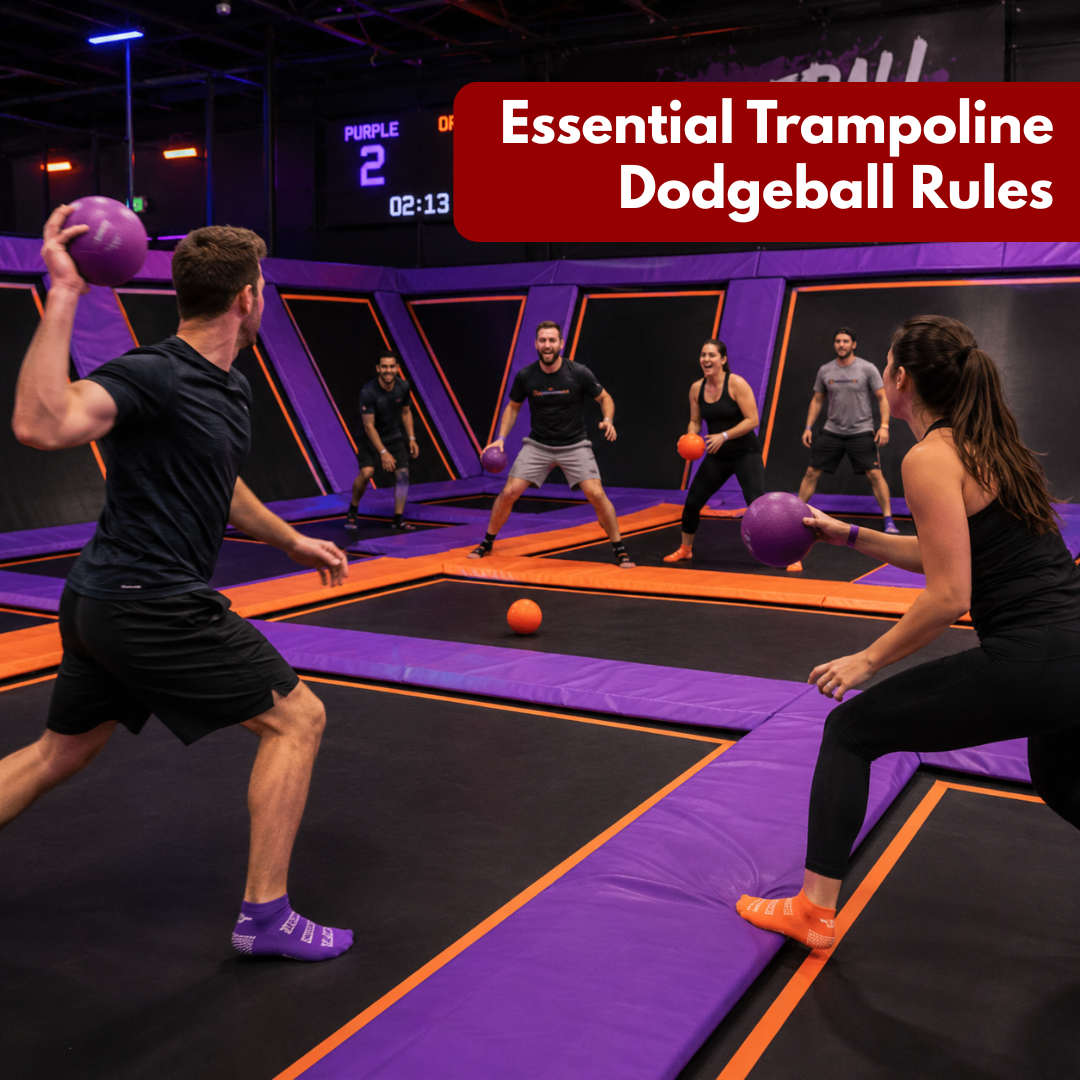
Understanding trampoline dodgeball rules before entering the court helps players avoid confusion, improve teamwork, and keep matches safe from unnecessary collisions. Most trampoline parks and activity centres across the UK follow similar rules to maintain fair and controlled gameplay.
The Opening Rush
Players start at the back of their trampoline zones. Once the whistle blows, both teams rush towards the centre to collect the dodgeballs as quickly as possible.
Eliminating Players
Players eliminate opponents by hitting them with a thrown ball below the shoulders. Most trampoline dodgeball rules do not allow headshots. If a player throws directly at someone’s head, referees may eliminate the thrower instead.
The Catch Rule
A player is automatically eliminated if they grab a ball before it reaches the floor, wall padding, or trampoline mat. One eliminated teammate may also be brought back into the game by the catching team.
Boundary Lines
Players must stay within their assigned trampoline areas during the match. Crossing the centre line or entering another player’s square usually leads to instant elimination.
The 10-Second Rule
Players cannot hold the ball for long periods to delay gameplay. Most trampoline dodgeball rules allow players to keep possession for a maximum of 10 seconds before throwing or rolling the ball away.
Blocking
Players can use a dodgeball to block incoming throws. However, if the blocking ball drops after impact, the player is out immediately.
Winning the Match
Teams win by eliminating all opposing players or by having more active players remaining once the timer ends.
Important Safety Rules
- Allow only one player per trampoline square.
- Avoid climbing walls, safety enclosure nets, or safety pads.
- Exit the court immediately after elimination.
- Wear grip trampoline socks during play.
- Use enclosed trampoline systems with thick safety padding.
Following proper trampoline dodgeball rules keeps the game fast, competitive, and much safer for players of all ages.
Best Trampoline for Dodgeball

Choosing the right trampoline plays a major role in both safety and gameplay. Players need stable bounce control, enough jumping space, and strong safety features to follow trampoline dodgeball rules properly during fast-paced matches.
1. Orbit 11 x 8ft Rectangular Trampoline
The Orbit rectangular trampoline gives players a more controlled and even bounce across the surface. Its shape helps players move quickly between throws, catches, and blocks without losing balance. The wider jumping area also creates better player spacing during dodgeball games.
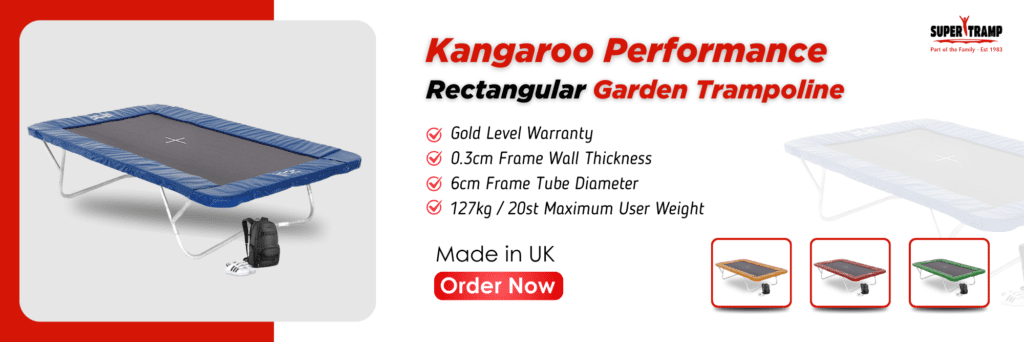
2. Super Tramp 10 x 7 Trampoline
The Super Tramp 10 x 7 model works well for family games, schools, and smaller activity setups. Its strong frame and steady bounce system support quick movement while helping reduce uneven landings during active play.
3. XR Series 360 Rectangular Trampoline & Enclosure
For increased safety, this trampoline combines a full enclosure system with performance bounce. While the cage lets players stay safely inside the playing area during intensive dodgeball sessions, the rectangular form enhances directional jumping.
4. Somersault System
A quality somersault system improves bounce stability and landing control. It allows players to jump more smoothly while reducing sudden impact pressure during repeated movement.
5. Square Trampolines
Square trampolines create balanced jumping zones and make it easier to divide player areas during dodgeball games. Many schools and activity centres prefer them because they support organised movement and better court management.
A properly designed trampoline helps players focus on reactions, teamwork, and gameplay without unnecessary safety concerns.
Conclusion
Trampoline dodgeball brings together fitness, teamwork, and fast-paced entertainment in one active indoor game. From schools and trampoline parks to family gatherings and fitness sessions, people across the UK enjoy it because it keeps players moving while making exercise feel more enjoyable and social.
By following proper trampoline dodgeball rules, players improve safety, reduce unnecessary injuries, and enjoy smoother gameplay. The combination of bouncing, throwing, dodging, and teamwork also helps build coordination, stamina, and quick reflexes in a more engaging way than many traditional indoor activities.
With the right trampoline setup, quality safety equipment, and clear rules, trampoline dodgeball becomes a fun and practical activity for children, teenagers, and adults alike. It continues to grow as one of the most popular indoor group games for active entertainment throughout the year.