Varicose veins often bring daily discomfort, from aching legs to visible swelling that affects both confidence and mobility. For many people, especially those with sedentary or demanding routines, the condition becomes a persistent concern that feels difficult to manage naturally.
This is where rebounding for varicose veins has started to gain attention. Gentle trampoline movement offers a low-impact way to support circulation without placing extra strain on the legs. It feels simple, accessible, and easy to include in everyday life.

In this blog, you will learn how poor circulation leads to varicose veins, whether rebounding can genuinely help, what precautions to take, and how to choose the right above-ground trampoline for safe use.
Let’s begin by understanding the root cause of the problem.
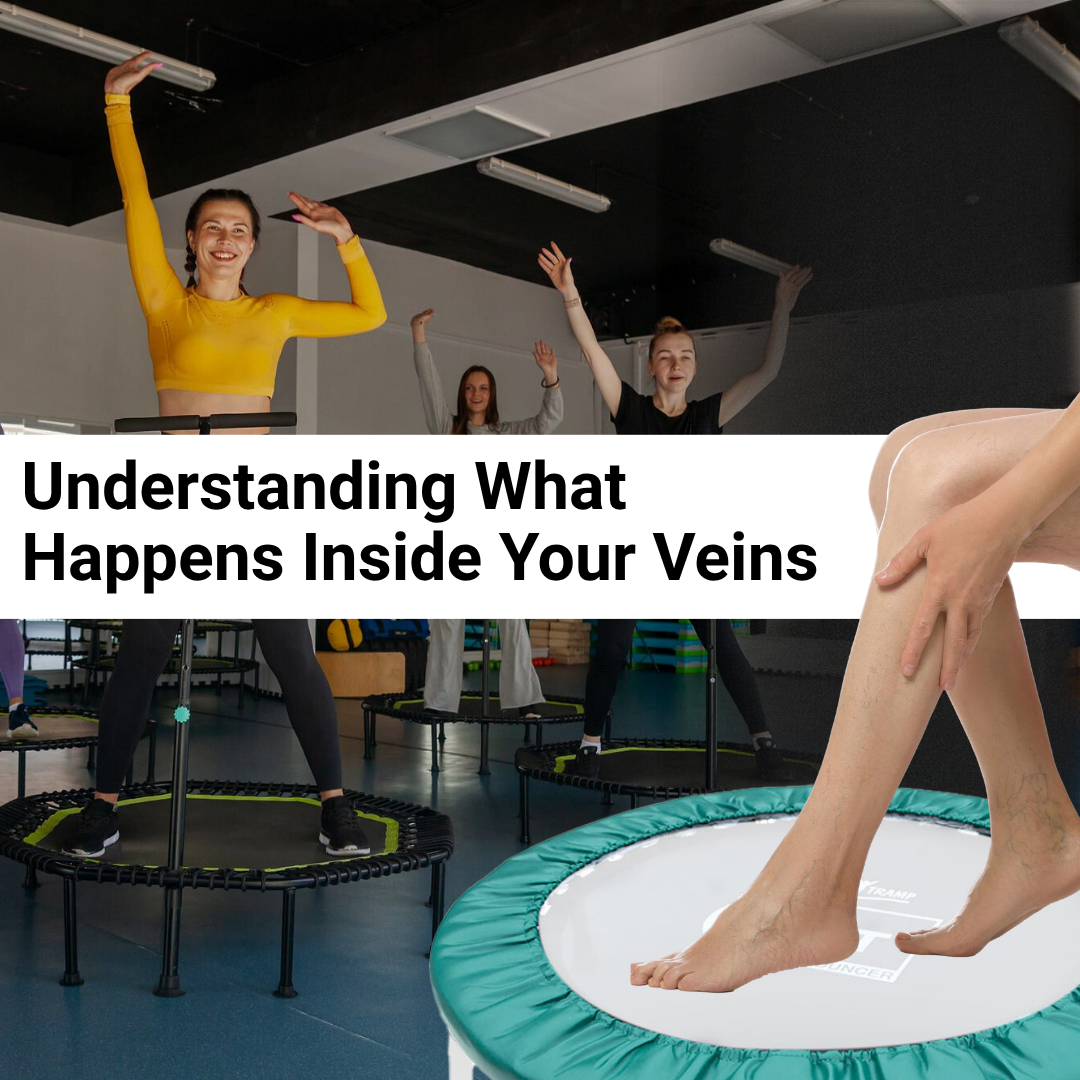
Understanding What Happens Inside Your Veins
Poor circulation does more than cause tired legs. It directly impacts how blood travels through your veins, especially in the lower body. When this process slows down, pressure builds up and veins begin to stretch and twist.
1. Poor Circulation and Its Role in Varicose Veins
Working against gravity, your veins return blood to your heart. Tiny valves inside them prevent blood from flowing backwards. When these valves weaken or become damaged, blood starts to pool in the veins rather than moving upward efficiently. Over time, this leads to swelling and the visible, bulging appearance associated with varicose veins.
2. Why Lifestyle Plays a Big Role
Modern routines often involve long periods of sitting or standing, both of which restrict proper circulation. Lack of movement weakens the natural “muscle pump” in your legs, which helps push blood upward. Without this support, veins experience increased pressure, making the condition worse over time.
3. Common Signs You Should Not Ignore
Varicose veins rarely appear overnight. Early signs include:
- Aching or throbbing sensation in the legs.
- A feeling of heaviness, especially after long periods of standing.
- Mild swelling around the legs or ankles.
- Persistent fatigue in the legs.
- Itching or irritation around the affected area.
- Discomfort that worsens after standing for extended periods.
- Gradual onset rather than appearing suddenly, making early recognition important.
Recognising these symptoms early allows you to take preventive action.
Now that the root cause is clear, it is easier to see if trampolining can help in curing it.
How Rebounding Supports Healthy Circulation
Gentle movement is one of the most effective ways to support circulation, and this is where rebounding stands out. Unlike high-impact exercise, it offers a controlled, low-strain way to activate your entire body.
1. Boosts Blood Circulation Naturally
Low-impact trampoline exercises create a rhythmic up-and-down motion that encourages blood flow throughout the body. Each bounce stimulates muscle contractions in the legs, helping push blood back towards the heart. This reduces pooling in the veins and may ease the pressure that contributes to varicose veins.
2. Supports Lymphatic Drainage and Reduces Swelling
One of the lesser-known benefits of rebounding for varicose veins is its impact on the lymphatic system. Unlike the circulatory system, the lymphatic system relies on movement to function effectively. Gentle bouncing on a safe garden trampoline promotes lymph flow, helping reduce fluid retention and swelling in the legs.
3. Provides Low-Impact Movement Without Strain
Traditional exercises like running can place stress on joints and veins. Rebounding, on the other hand, absorbs impact through the trampoline surface. This makes it suitable for individuals who want to stay active without adding strain to already sensitive areas.
4. Encourages Consistent and Sustainable Activity
Short, regular sessions can deliver better results than occasional intense workouts. Even five to ten minutes of light bouncing daily can gradually improve circulation and reduce discomfort. The key is to keep movements controlled and comfortable.
So, while rebounding is not a medical cure, it can play a supportive role in managing symptoms when used correctly.
4 Safety Tips to Follow While Rebounding
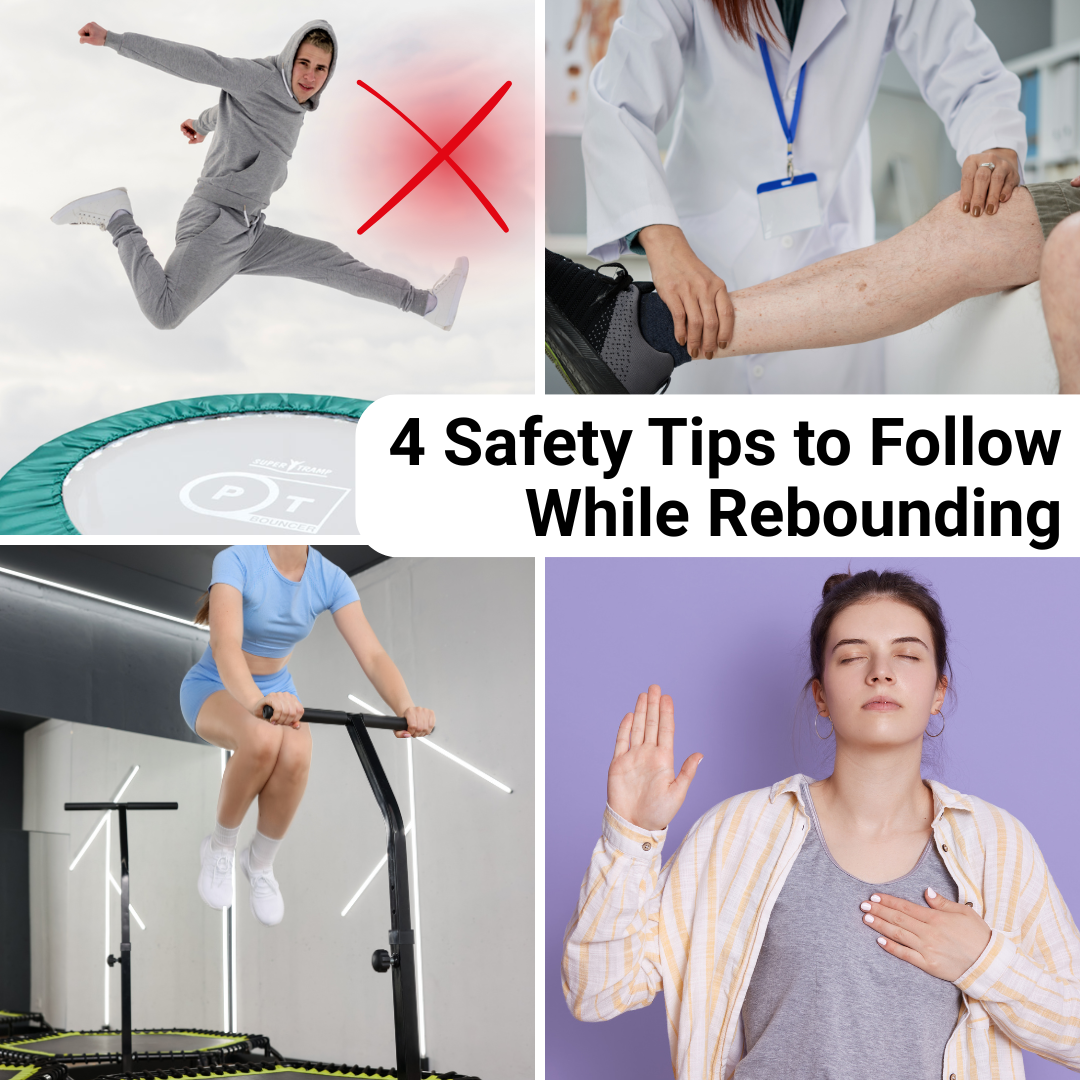
While rebounding offers clear benefits, it is important to approach it with awareness. Not every movement suits every individual, especially when dealing with vein-related conditions.
1. Avoid High-Intensity Jumping
Aggressive jumping can increase pressure on your veins rather than relieve it. Stick to gentle, controlled bouncing where your feet remain in contact with the in-ground trampoline surface. This ensures you gain the benefits without unnecessary strain.
2. Know When to Seek Medical Advice
If your varicose veins cause significant pain, skin changes, or ulcers, consult a healthcare professional before starting any new exercise routine. Rebounding should complement medical guidance, not replace it.
3. Wear Supportive Compression Garments
Compression stockings can enhance the effects of rebounding by improving blood flow during activity. They provide external support to your veins, reducing swelling and discomfort. Also make sure to wear supportive grip trampoline socks for a safe landing.

4. Listen to Your Body
Discomfort, dizziness, or pain should never be ignored. Develop your regimen gradually by starting out gently. Your body will guide you on what feels right and what does not. Make sure you listen to your body.
With the right precautions, rebounding can become a safe addition to your daily routine.
How to Choose the Right Trampoline for Healthy Circulation?
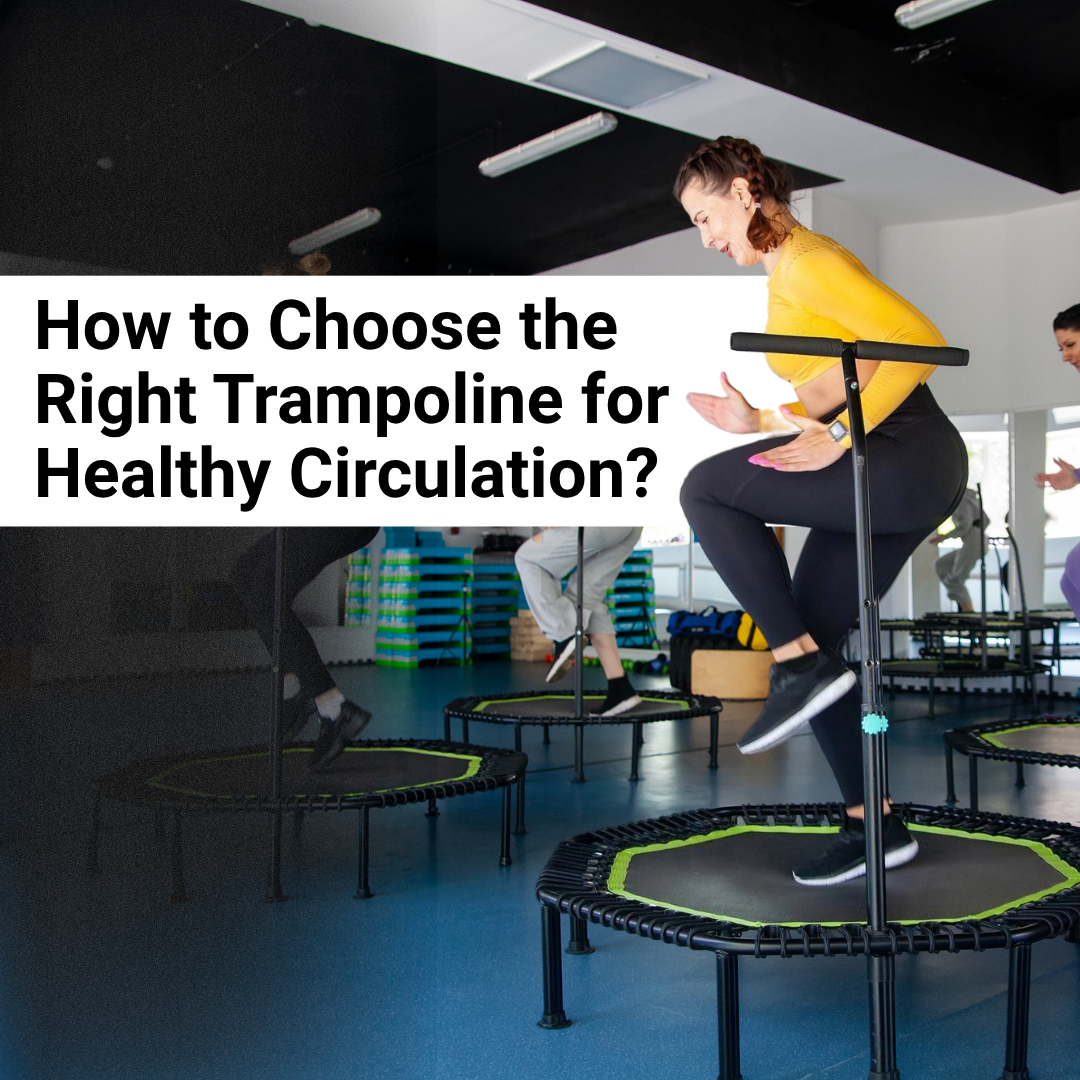
Not all trampolines are suitable for health-focused use. The right equipment ensures both safety and effectiveness.
1. Look for Stability and Support
A high-quality rebounder should have a sturdy frame and a non-slip surface. Stability is essential, especially for beginners or those with balance concerns. A well-built trampoline reduces the risk of injury.
2. Choose Soft Mat Trampoline
A gentle, controlled bounce is key for rebounding from varicose veins. Choose a trampoline with a soft and good-quality mat, elastic cords or soft trampoline springs that absorb impact and provide smooth movement rather than a harsh rebound.