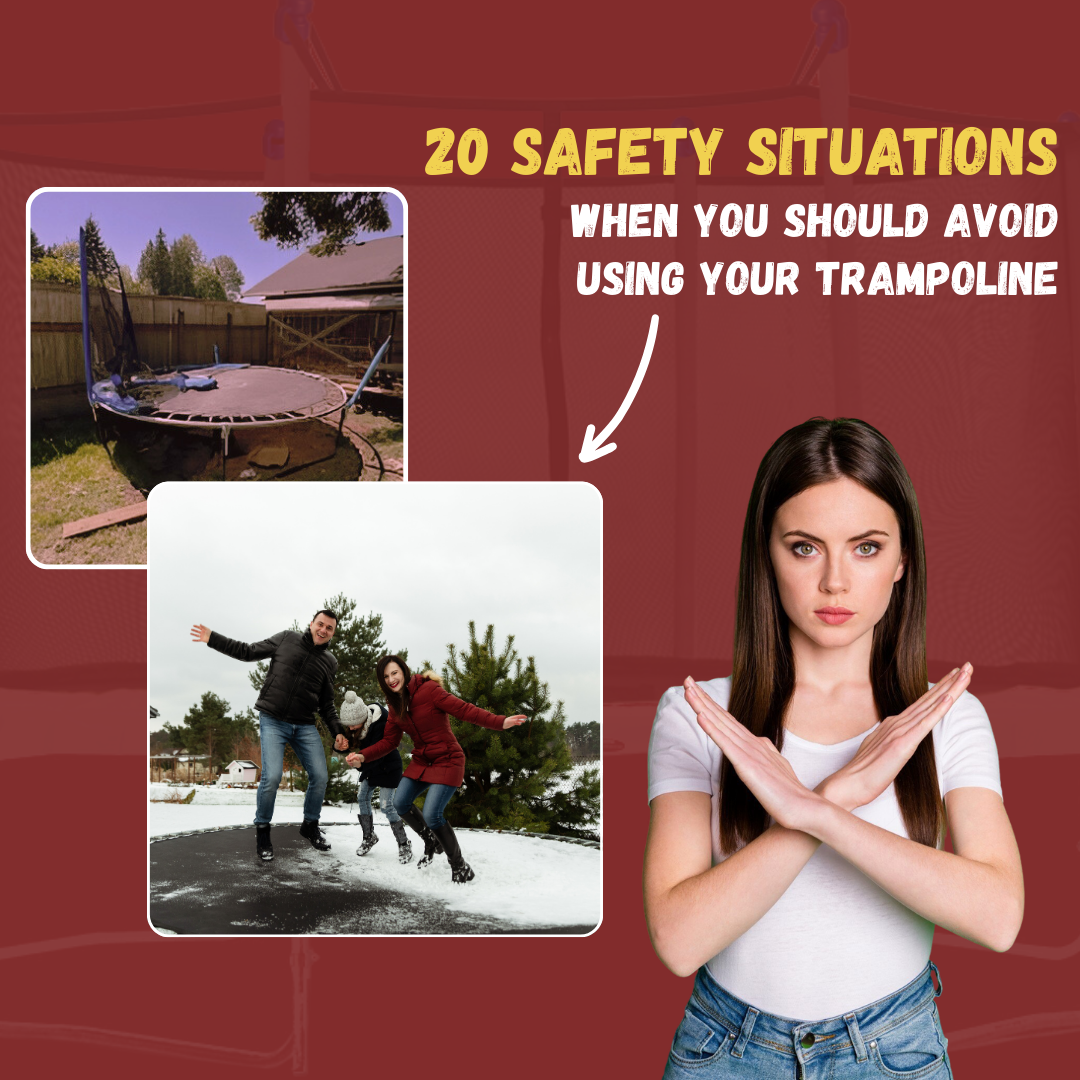
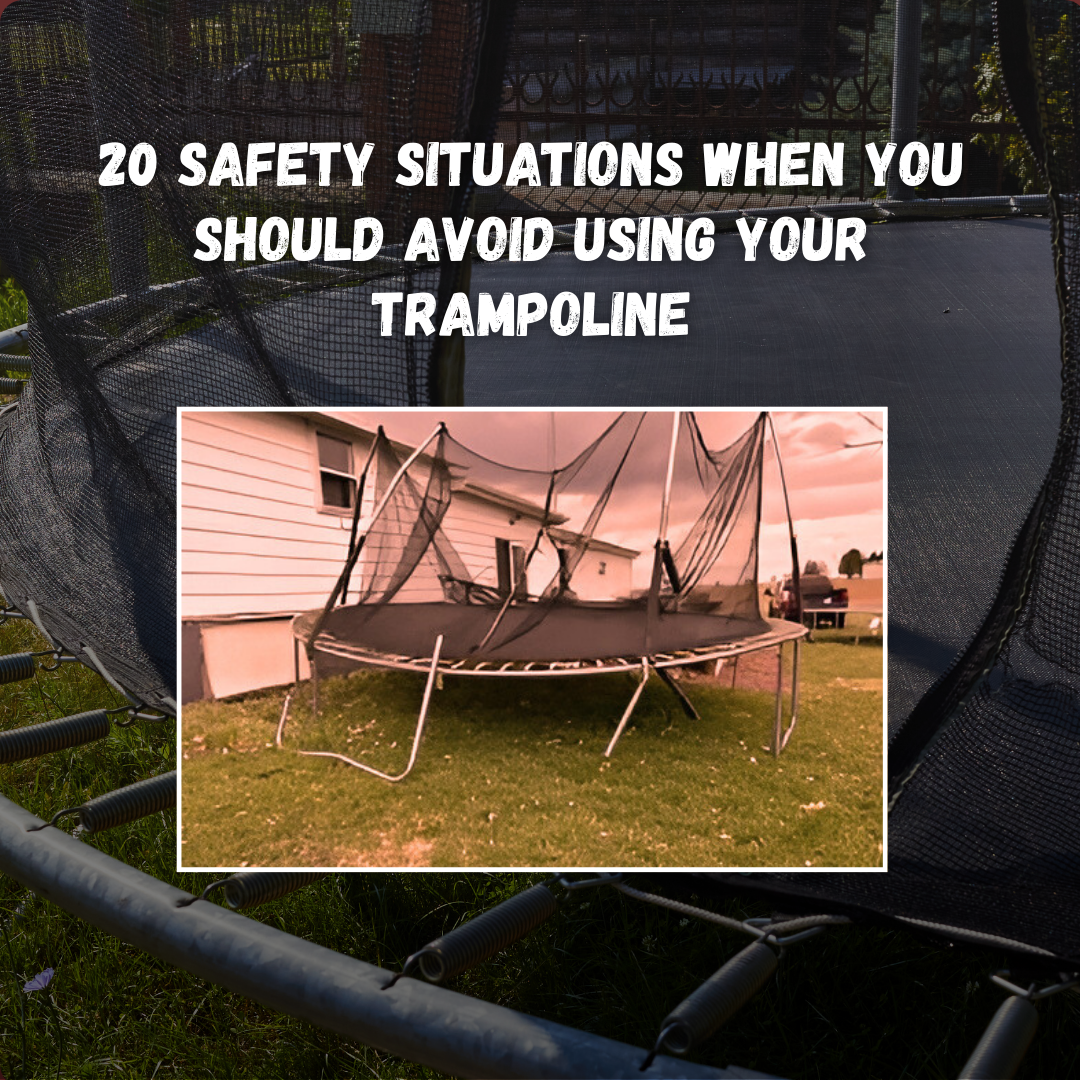
Ever wondered if there are moments when you should avoid using your trampoline? A quick jumping session can turn an ordinary afternoon into an exciting outdoor experience. However, trampolining stays enjoyable only when people use the trampoline in the right conditions. Wet surfaces, damaged parts, overcrowding, or poor visibility can quickly turn a fun activity into an unnecessary risk. Many of these situations appear small, yet they often lead to preventable accidents.
Fortunately, a few safety actions can protect you and your loved ones from injuries. By recognising when it is better to pause or check your setup, you can keep every jumping session safe and enjoyable. In this guide, you will discover when not to use your trampoline and what to do instead so that every bounce remains fun, controlled, and worry-free.
Let’s begin by looking at the situations where stepping away from the trampoline is the safest choice.
When to Avoid Using Your Trampoline
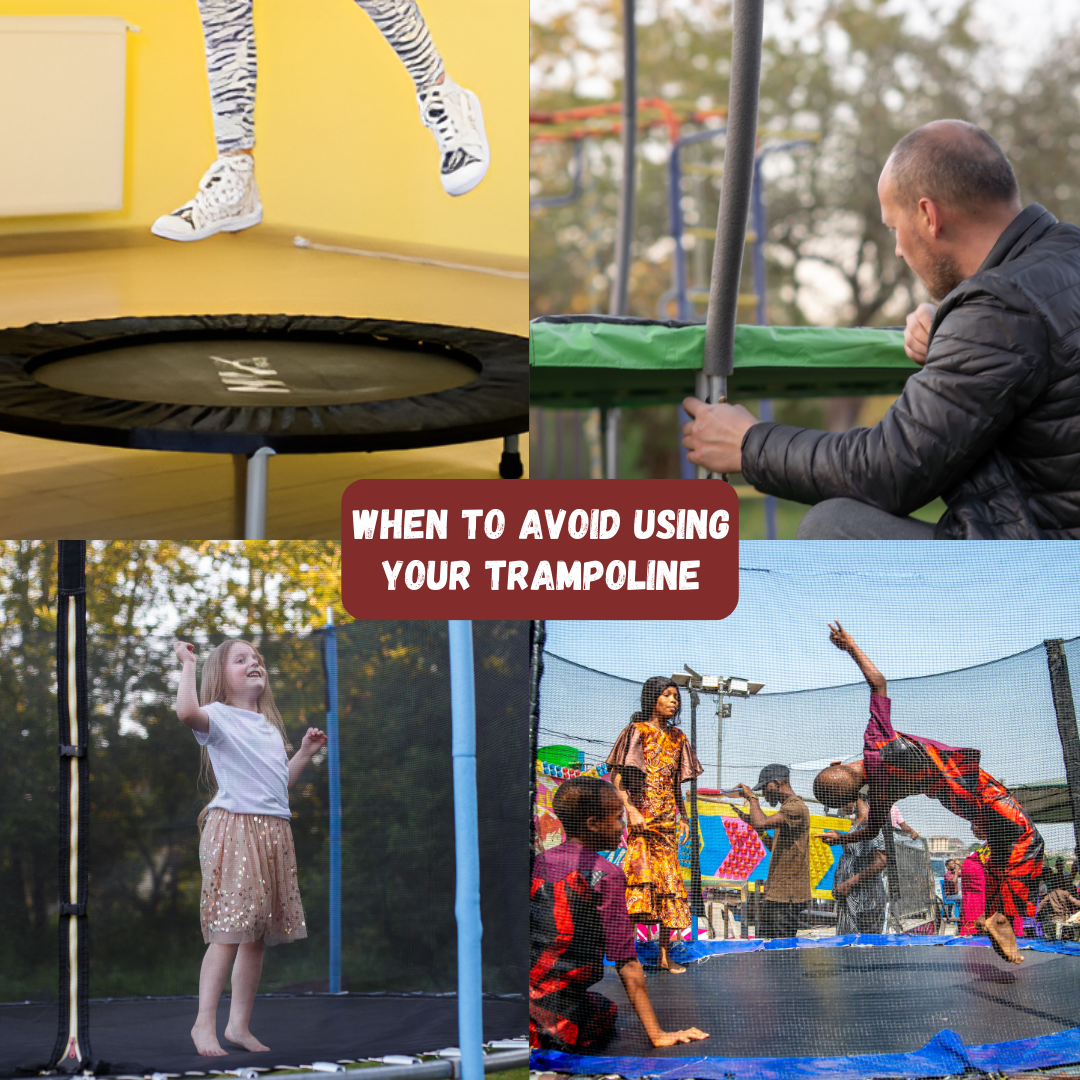
Trampolines bring energy, fitness, and outdoor fun, but timing matters just as much as technique. Knowing when to pause instead of jumping protects both the trampoline and the people using it.
Below are practical situations where stepping back from trampolining is the safer and smarter choice.
1. Do Not Use a Damaged Trampoline
A trampoline should always feel solid under your feet. If the frame bends, the springs stretch unevenly, or the mat shows tears, the structure may no longer support weight properly. This can affect balance and create unstable landings.
Before every session, take a quick look around the frame, springs, and mat. Tighten loose parts and replace trampoline spares with worn components immediately. A two-minute inspection can prevent a much bigger safety problem later.

2. Avoid Jumping on a Wet Trampoline
Moisture changes how the mat behaves. Rain, morning dew, or even a drink spill can make the surface slippery and harder to control during landing.
Allow the mat to dry fully before jumping. If you see visible moisture, wipe the surface and give it time to air dry. Good traction helps jumpers maintain control and land comfortably.
3. Keep Toys and Loose Objects Off the Mat
Small objects on the trampoline often go unnoticed until someone lands on them. Balls, toy cars, plastic, or jumping with wearing accessories pieces can shift suddenly during a bounce and disrupt balance.
Before starting, clear the entire jumping area and remove all the accessories. Keeping the mat empty allows jumpers to move freely and land safely without unexpected obstacles underfoot.
4. Do Not Use a Trampoline with an Open or Loose Safety Net
The safety enclosure net works as a protective boundary, especially if you are using an above-ground trampoline and children are bouncing on it. If the zip stays open or the net hangs loose, it cannot properly prevent falls outside the jumping area.
Always close the entrance zip and check the enclosure net connections before anyone steps onto the mat. A properly secured enclosure helps keep jumpers within the safe zone.
5. Avoid Wearing Shoes While Jumping
Shoes place extra pressure on the trampoline mat and can reduce the flexibility needed for smooth bouncing. Hard soles may also create uneven contact with the surface, which can affect balance and wear the mat faster over time.
That said, some trampolines, such as exercise trampolines or fitness rebounders, are designed to handle footwear. In these cases, manufacturers often recommend lightweight training shoes with soft, flexible soles that allow the mat to move naturally during each bounce.
If your trampoline does not specifically allow shoes, it is better to jump barefoot or with trampoline grip socks. Both options improve contact with the mat, help you feel the bounce more clearly, and allow better control during landing.
6. Do Not Use a Trampoline on Uneven Ground
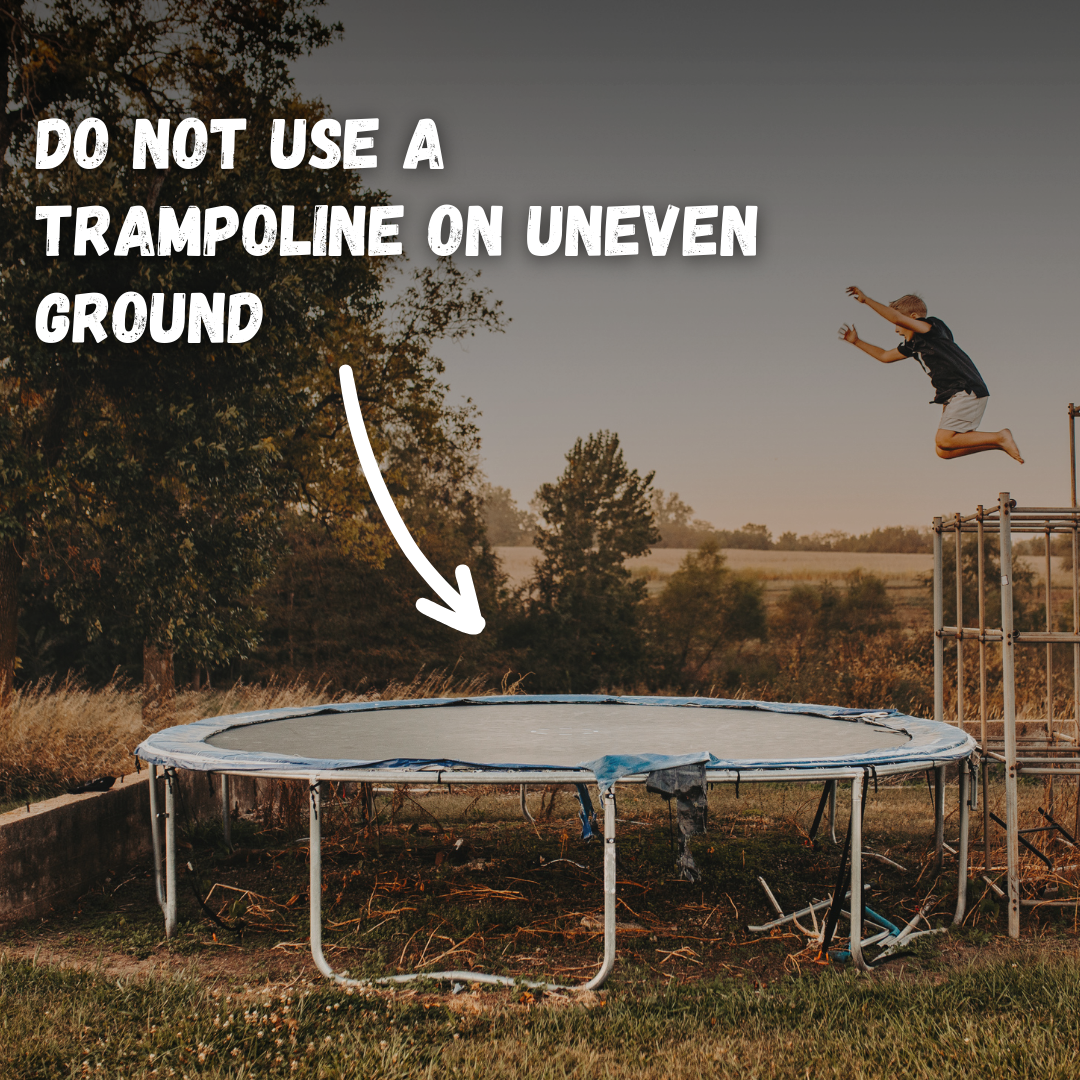
A trampoline must sit evenly on the ground. When placed on slopes, gravel, or soft soil, the frame may tilt or wobble during use.
Install the trampoline on flat, stable ground such as grass or a prepared garden surface. Proper placement allows the frame to distribute weight evenly and keeps the bounce predictable.
7. Avoid Jumping Near the Edge
The centre of the trampoline provides the most controlled bounce. Moving too close to the edge changes how the springs respond and can lead to awkward landings.
Encourage jumpers to stay near the middle of the mat. This area delivers the most balanced bounce and reduces strain on the frame and springs.
8. Avoid Overcrowding the Trampoline
Too many people jumping at the same time often leads to unpredictable movement. Each person creates a different bounce rhythm, which can easily cause collisions.
A simple rule works best: allow one jumper at a time. This keeps movement controlled and allows the jumper to maintain steady balance throughout the session.
9. Empty Your Pockets Before Jumping
Loose items such as keys, pens, or small gadgets can damage the mat or cause injury during landing.
Make it a habit to check pockets before stepping onto the trampoline. Keeping personal items off the mat protects both the jumper and the equipment.
10. Wait Until the Current Jumper Finishes
Entering the trampoline while someone is already mid-bounce interrupts their timing. Sudden changes in the mat’s tension can throw off their balance.
Stand outside the enclosure until the jumper stops and exits safely. This simple habit keeps transitions smooth and prevents accidental collisions.
11. Do Not Sit or Stand on the Frame
The frame supports the trampoline’s structure, but it is not designed to carry body weight directly. Sitting or standing on it can weaken joints and affect the overall stability.
Encourage users to stay within the jumping surface only. Keeping weight off the frame helps maintain the trampoline’s structural strength.
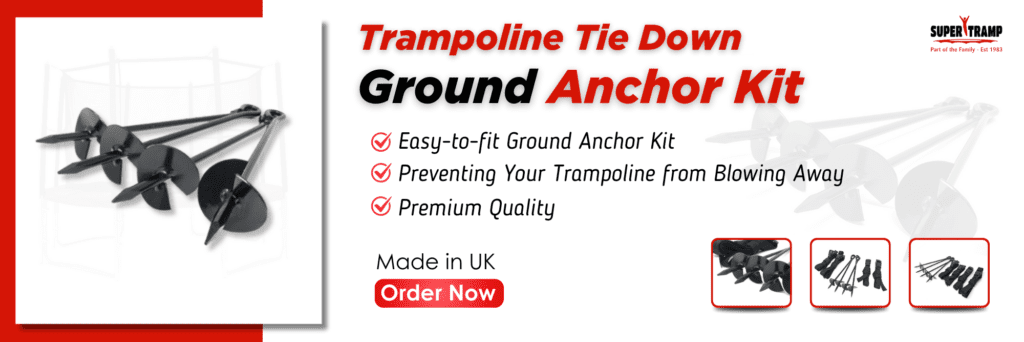
12. Secure the Trampoline with Proper Anchors
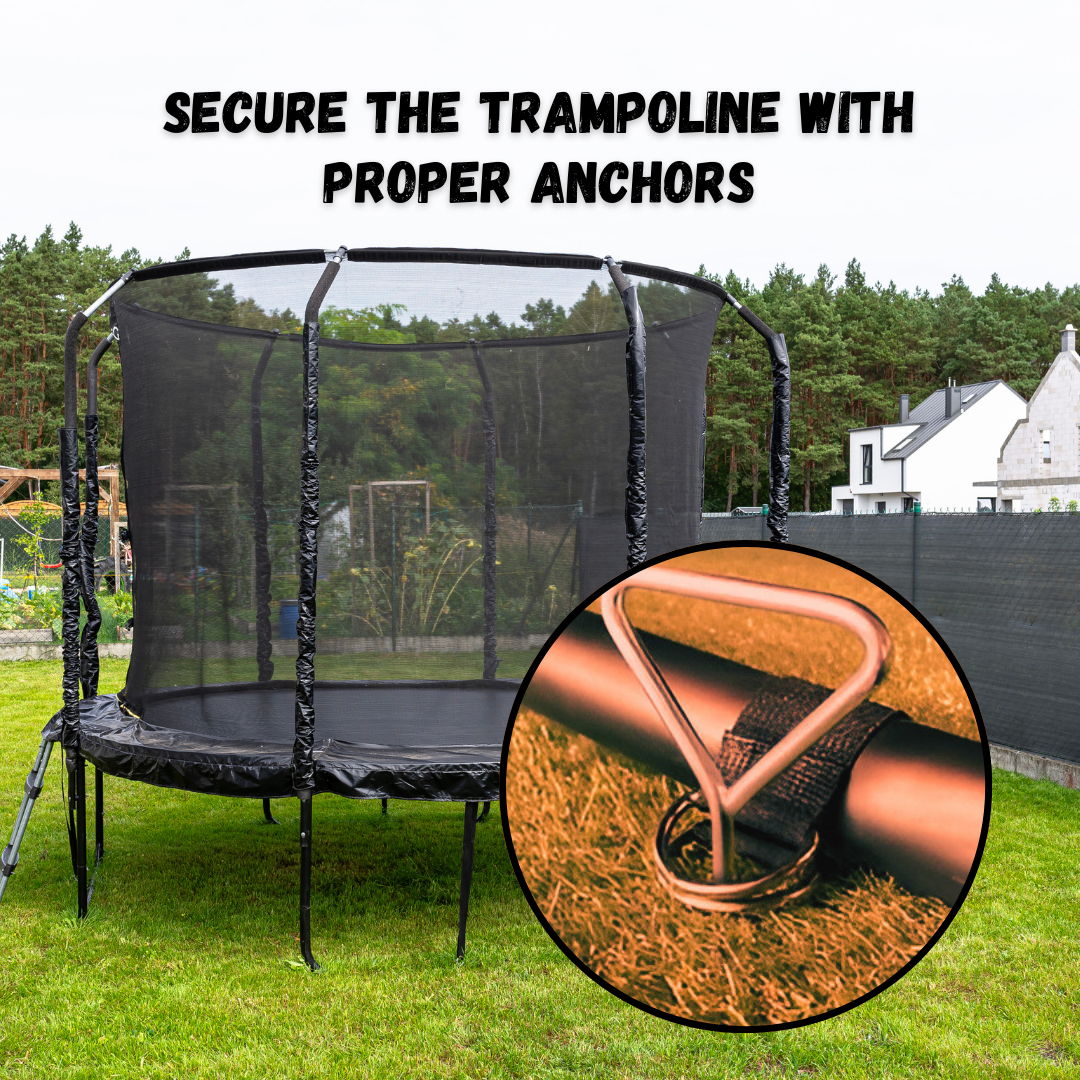
Wind and repeated bouncing can gradually shift an unsecured trampoline. Over time, this movement may loosen the frame’s position on the ground.
Use anchor kits designed for trampolines to hold the structure firmly in place. Anchoring improves stability and helps the trampoline remain safe during use.
13. Avoid Jumping in Poor Visibility
Low lighting makes it harder to judge distance and landing position. Without clear visibility, jumpers may misplace their feet or misjudge their bounce.
Use the trampoline only in well-lit conditions. Daylight or proper outdoor lighting allows jumpers to stay aware of their position on the mat.
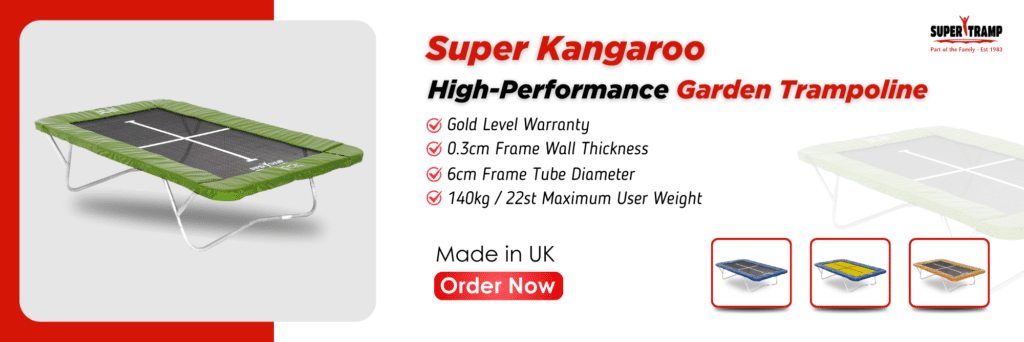
14. Avoid Poor Quality Trampolines
Not all trampolines deliver the same durability or safety. Low-quality models may use weak frames, thin mats, or unreliable springs that wear out quickly.
Choosing well-built equipment from trusted manufacturers such as Super Tramp Trampoline ensures stronger materials, dependable safety features, and longer performance. Quality construction always makes a noticeable difference in both safety and bounce control.
15. Avoid Trampolining After Major Surgery
After surgery, the body requires time to heal. Jumping places pressure on muscles, joints, and internal tissues, which may slow healing or cause strain.
Doctors usually recommend avoiding high-impact movement during recovery. Wait until your healthcare professional confirms that physical activity, including trampolining, is safe again.
16. Do Not Use a Trampoline During Pregnancy
Trampolining requires balance, coordination, and controlled landings. During pregnancy, the body’s centre of gravity changes, which can make balance harder to maintain.
Even a small loss of balance could lead to a fall. For this reason, it is best to avoid trampoline jumping during pregnancy and choose gentler forms of movement instead.
17. Do Not Allow Children Under Six to Bounce
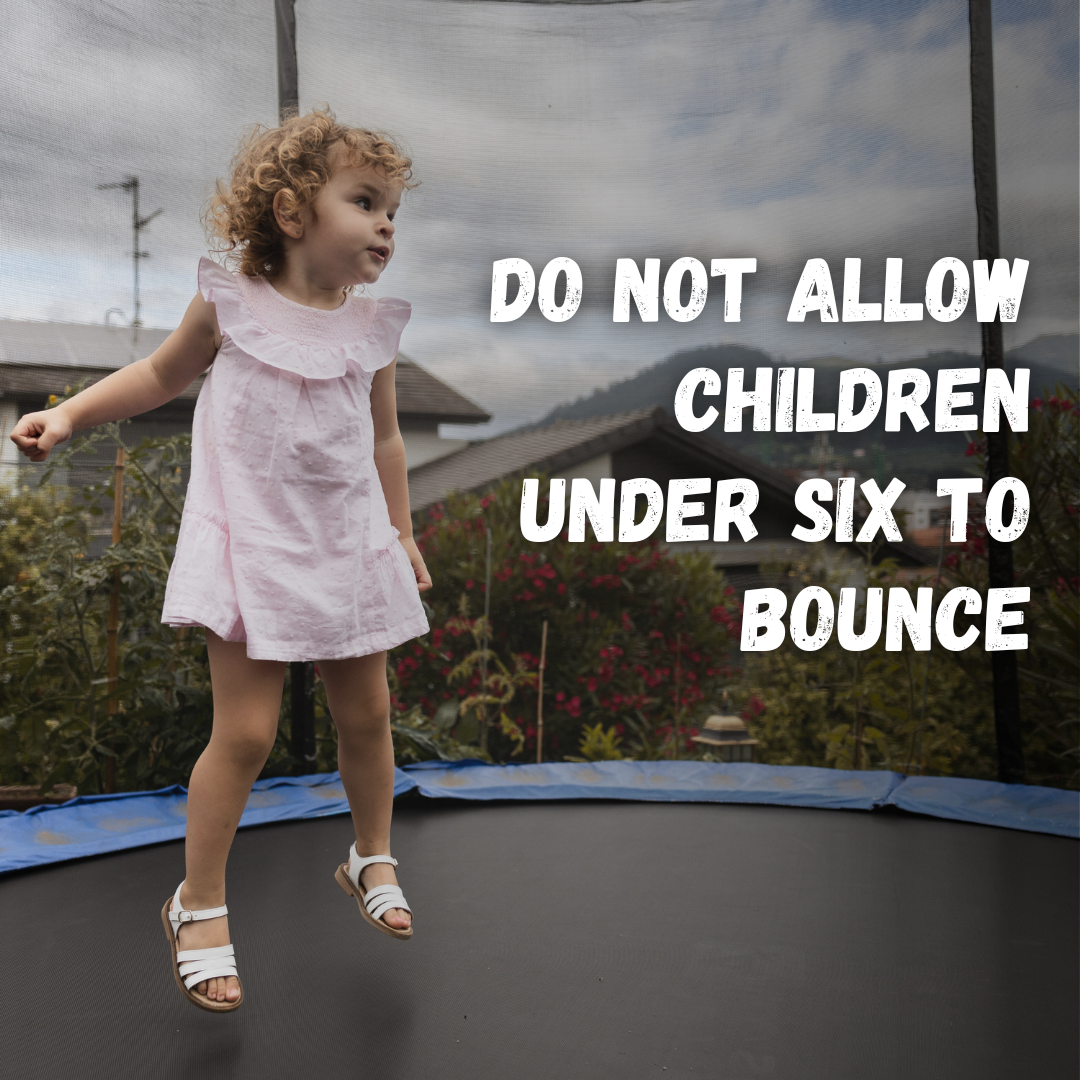
Young children have developing bones, joints, and coordination skills. Because of this, many safety organisations recommend keeping children under six off full-size trampolines.
Their bodies may not handle the rebound force safely yet. Waiting until children are older helps reduce the risk of injury and allows them to control their movements better while jumping.
18. Avoid Trampolining with Certain Pre-Existing Conditions
People with joint problems, spinal issues, balance disorders, or heart conditions should approach trampolining carefully.
If you have any existing medical condition that affects movement or stability, speak with a healthcare professional first. Getting proper advice helps ensure that physical activity remains safe for your body.
19. Avoid Unsafe Clothing and Loose Items
Clothing can affect movement on a trampoline more than people expect. Loose scarves, jewellery, belts, or bulky clothing may get caught on springs or interfere with balance.
Wear comfortable sportswear that allows free movement. Remove jewellery and empty pockets before stepping onto the mat to keep the jumping area safe.

20. Never Combine Alcohol with Trampolining
Trampolining requires quick reactions and strong balance. Alcohol slows reflexes and reduces coordination, which makes controlled jumping much harder.
For safety, avoid using a trampoline after drinking alcohol. Staying fully alert helps prevent falls and keeps the activity safe for everyone.
Understanding when not to use a trampoline is just as important as learning how to jump properly. Once these safety habits become routine, trampolining remains a fun and reliable activity for everyone.
Now that you know when to step away from the mat, the next section explores safer alternatives and smart ways to keep trampoline sessions enjoyable and risk-free.
What to Do for Safer Trampoline Fun?
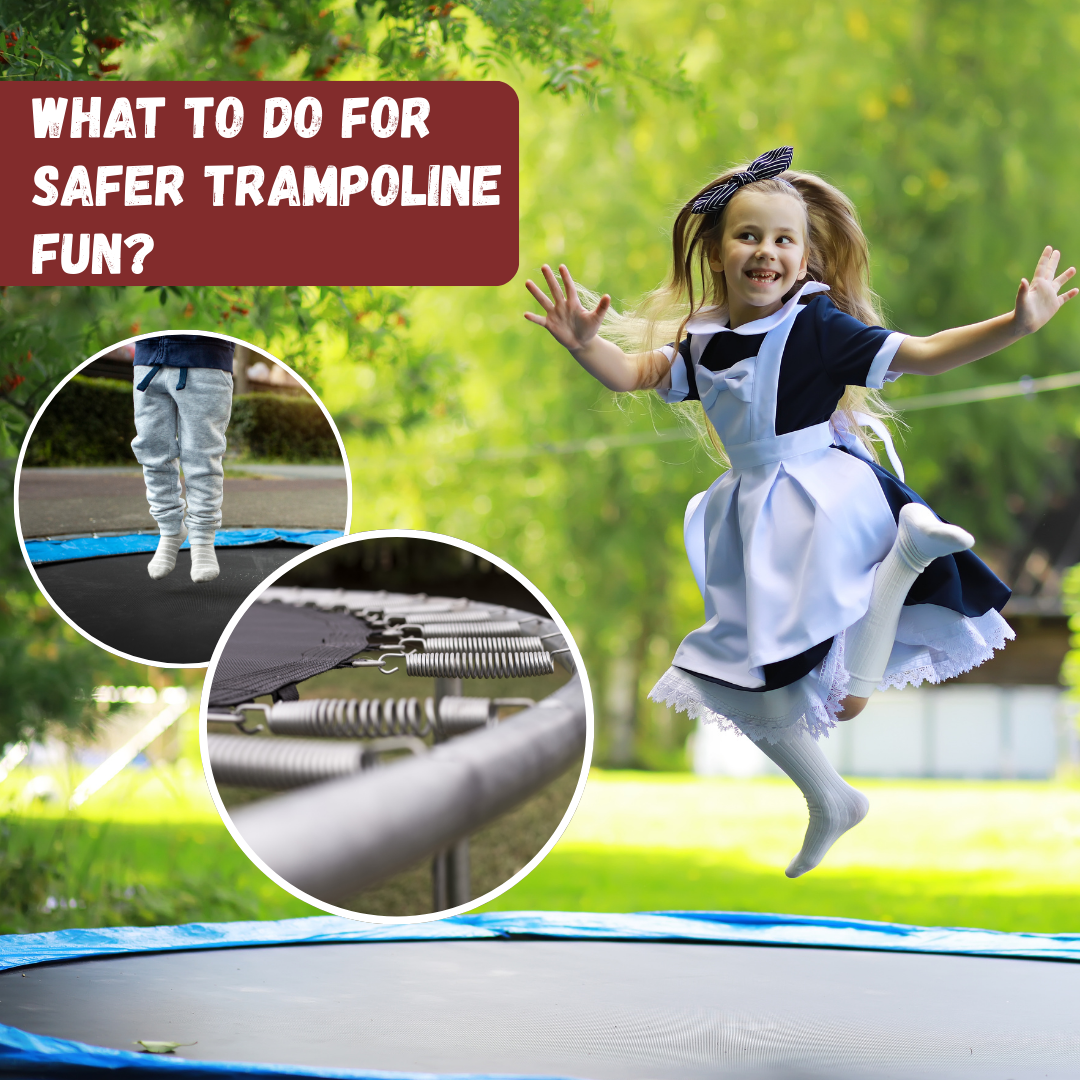
When conditions are not ideal for jumping, there are still simple ways to keep the activity safe and enjoyable. Small adjustments can quickly restore a secure trampoline environment.
Here are some practical alternatives that help maintain both safety and fun.
1. Ask an Adult to Supervise the Fun
Supervision adds an extra layer of safety, especially for younger jumpers. Adults can monitor behaviour, guide safe jumping habits, and step in if needed. This simple step often prevents many common trampoline accidents.
2. Wear Trampoline Socks
Trampoline socks provide extra grip and protect the jumping surface. They also help maintain better balance during energetic jumps. This small addition improves both safety and performance.
3. Close the Safety Net Properly
Always zip or secure the enclosure net before starting a jumping session. A closed safety net helps keep jumpers safely within the trampoline area and avoids falling on the ground.
4. Pause Play if the Trampoline Needs Fixing
If any part of the trampoline looks worn or damaged, pause play until repairs are completed. A quick repair today prevents bigger issues later.
5. Replace Worn Spare Parts on Time
Trampoline parts naturally wear down with regular use and exposure to weather. Springs may lose tension, safety pads can thin out, and enclosure nets may weaken over time. When these parts start to show signs of wear, the trampoline may no longer provide the same stability or bounce control.
Make it a habit to inspect key components such as the springs, mat, safety pads, and net every few weeks. If any part looks stretched, loose, or damaged, replace it promptly to keep the trampoline performing safely.
If you are looking for reliable, high-quality replacement parts, choose premium trampoline spares from Super Tramp Trampoline. Well-built spares help restore proper tension, maintain stability, and extend the life of your trampoline.
6. Buy Good Quality Equipment
High-quality trampolines provide stronger trampoline frames, durable springs, and dependable safety features that support safer jumping.
Choosing reliable equipment from trusted providers such as SuperTramp can make a noticeable difference in both performance and long-term safety, helping families enjoy trampolining with greater peace of mind.
With these alternatives in mind, let’s bring everything together.
Conclusion
Trampolines offer one of the most enjoyable ways for families to stay active, laugh together, and spend time outdoors. However, safe jumping depends on recognising the moments when it is wiser to pause and reassess the situation.
Checking the equipment, avoiding wet surfaces, preventing overcrowding, and ensuring proper supervision all contribute to a safer experience. These simple precautions help protect both the trampoline and the people using it.
By combining responsible habits with reliable equipment, families can enjoy the excitement of bouncing while keeping safety at the centre of every jump. A thoughtful approach today ensures that trampoline fun continues for many years to come.