If you are scrolling through website after website online, thinking “All look fun… but which trampoline size is right for me?”. Then you are at the right place.
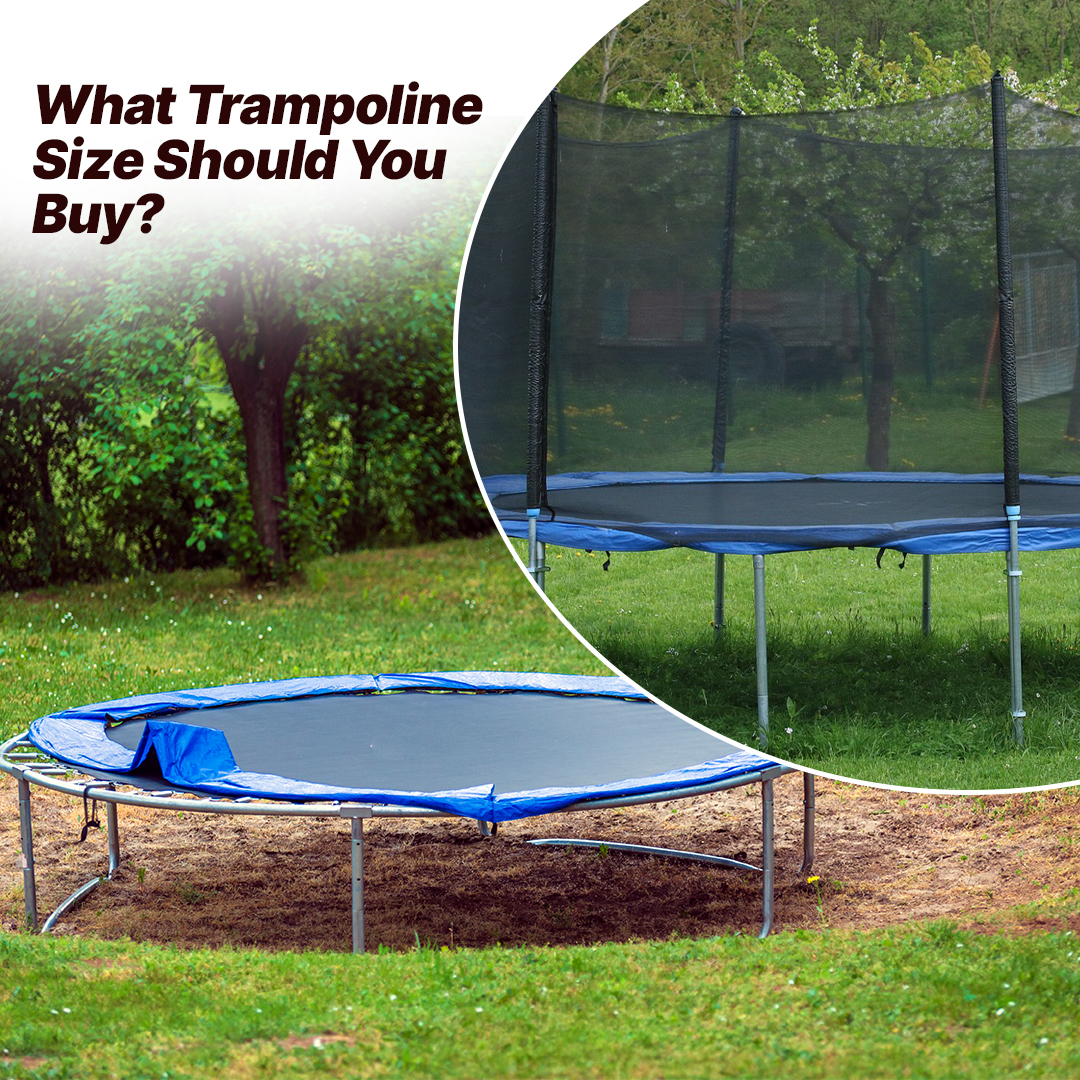
Choosing the correct trampoline size can be tricky, as it’s about making a thoughtful financial investment rather than just buying something bouncy for the garden. Too small, can be outgrown in months. Too big, will not fit. Getting the wrong one will leave you with wasted space, a waste of money, and an invitation to injuries and crapped and uninterested children.
The truth is a good trampoline isn’t always the biggest one; it’s the one that fits your life, space, purpose, and your people.

In this blog, we’re going to break it all down. In a clear, step-by-step way to help you choose a trampoline size that’s just right for you, whether you’re a first-time buyer or someone replacing a mistake from last year.
Why Trampoline Size Matters
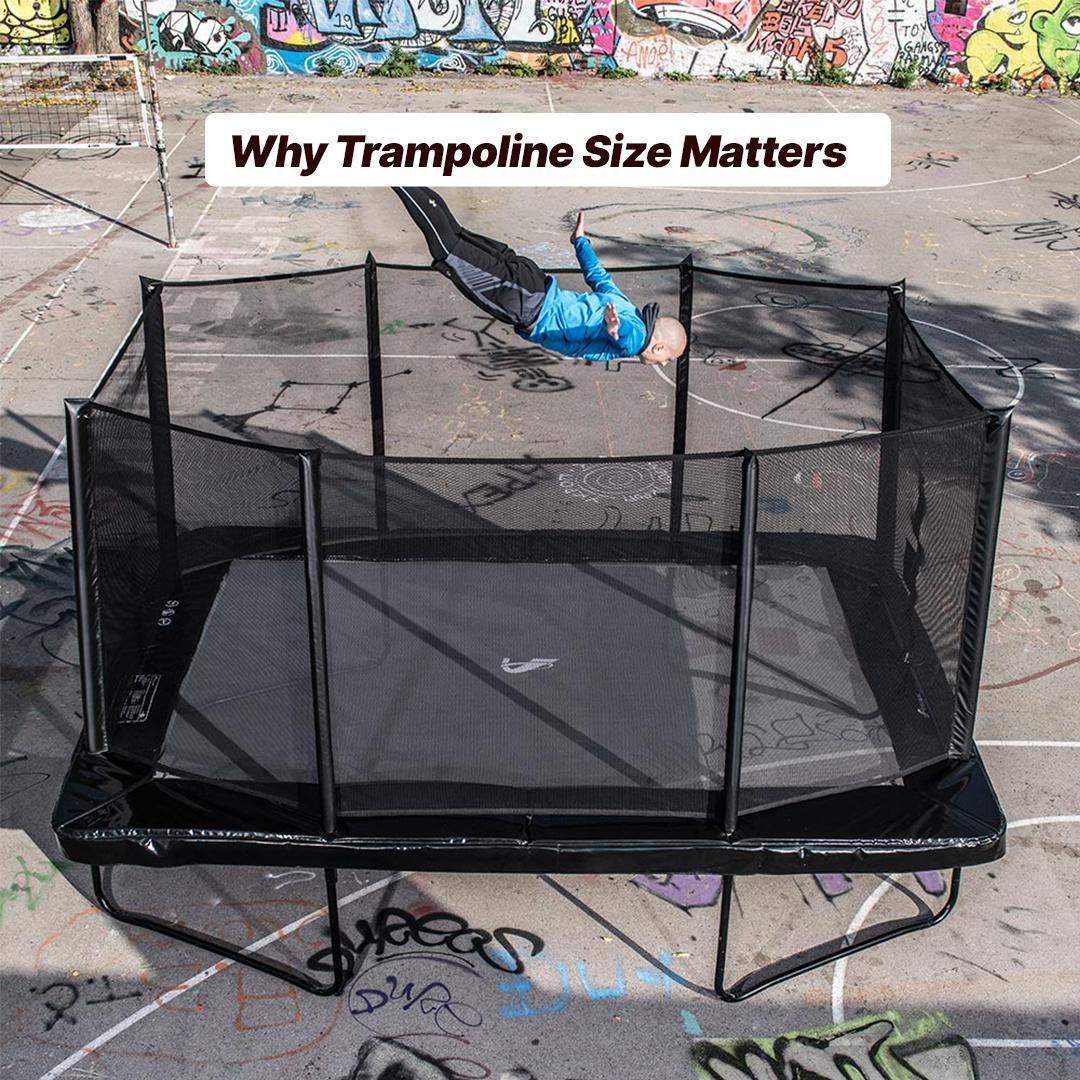
Buying a garden trampoline isn’t choosing what looks fun; it’s about what fits your life, space, and plans. Here’s why getting the right trampoline size makes all the difference before you even take the first bounce.
1. Wrong Trampoline Impacts Your Outdoor or Indoor Space
If you install a 14ft trampoline in a small London terrace, it’ll eat up the entire garden space. The size of your space matters more than you think. Measure your area, add safety clearance, and always choose a size that fits comfortably with room to move around it.

2. It affects your Safety
Trampolines with limited space increase the risk of bumps, falls, and awkward landings. When multiple children jump in a cramped space, accidents happen faster.
3. Different Sizes have Different Weight Limits
Weight restrictions and usage type are directly related to trampoline size. A small trampoline may suit a toddler, but if adults plan to use it too, that size won’t hold up. Always check the trampoline weight limits based on your family’s needs.
4. It Impacts Your Wallet
Smaller trampolines may seem cheaper upfront, but outgrowing them quickly means buying twice. A well-sized trampoline might cost more now, but it saves you from replacing it within a year.
5. It Affects the Installation Process
The bigger the trampoline, the more setup effort it demands. You might need help or even a pro for larger models. Also, think about how easy it’ll be to move, maintain, or pack away in winter.
Now that you know why trampoline size matters, let’s look at the most common size categories, from compact for small gardens to spacious for high-energy jumpers. Let’s pick the one that fits the best.
The Main Trampoline Size Categories
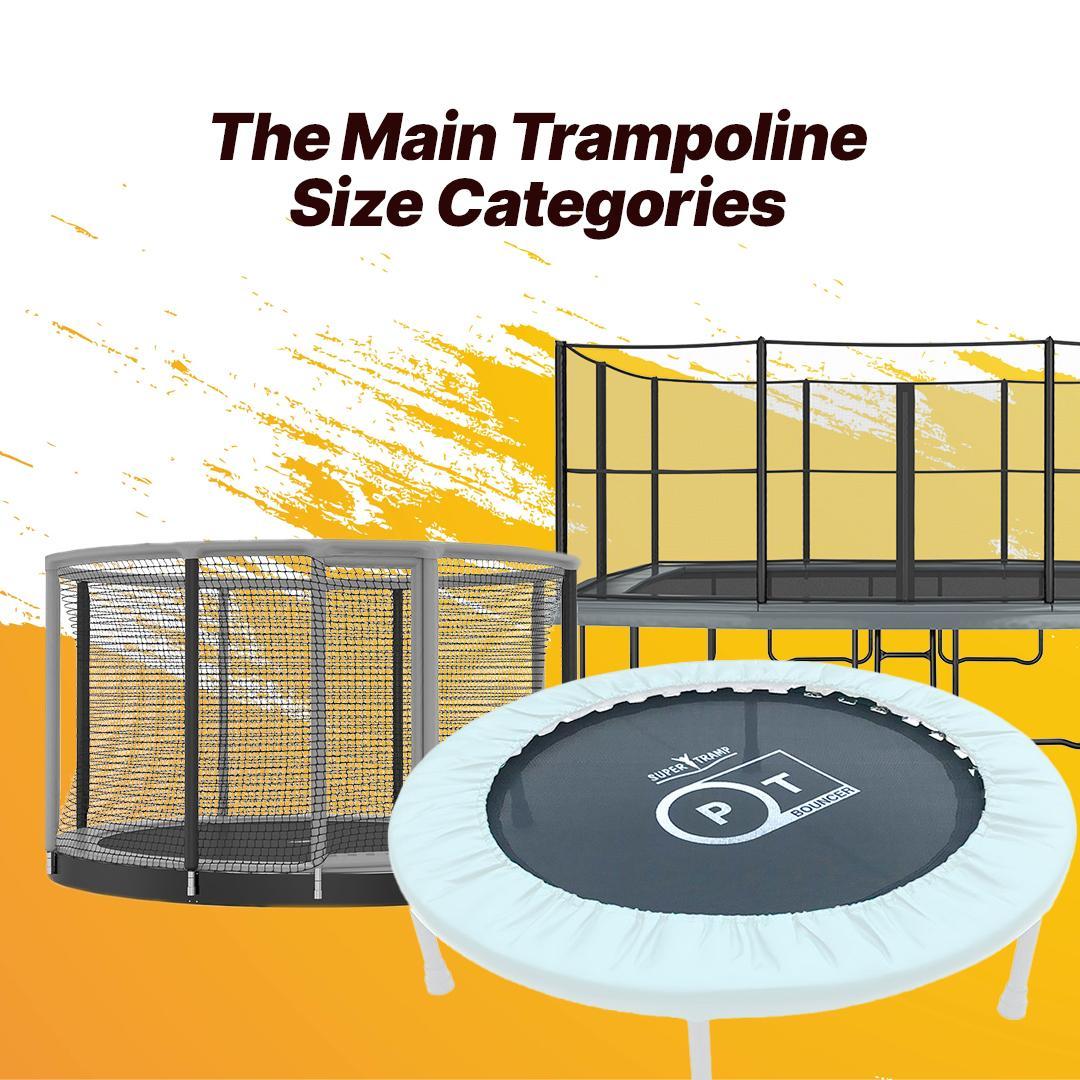
Size is the first consideration when it comes to trampolines. The right fit depends on your space, who’s jumping, and how long you want it to last. Below, we break it down into small, medium, and large so you can picture what fits best before you commit.
1. Small Trampolines
- Perfect for tight gardens, small patios, or solo jumpers.
- These compact fitness trampolines suit younger children, workout, and one-person use.
- It is light, easy to move, and ideal for homes where outdoor space is limited.
2. Medium Trampolines
- The majority of households find their happy spot in this dependable middle ground.
- A medium trampoline offers enough space for 2–3 children to jump safely or for one adult and child to share.
- It balances price and performance without taking over your entire garden.
- 10ft Gallus Flat Playground Trampoline (inc VAT)
3. Large Trampolines
- Big space? Big bounce.
- Larger trampolines are great for active teens, sporty families, or anyone who wants room to stretch, flip, and play without feeling cramped.
- It is ideal if your child is into gymnastics or you’ve got more than three regular users.
- Primus Challenger 17x10ft
Now that you’ve seen the main trampoline size options, it’s time to zoom in on your specific needs. In the next section, we’ll help you match the right size to your space, lifestyle, and who’ll be using it.
How to Choose the Right Trampoline Size for You
We’ve discussed the size options, now let’s make the right choice for your space, family, and needs. Here’s how to avoid wrong picks and feel confident about the performance trampoline you bring home.
1. Match the Trampoline to Your Available Space
Start by measuring the exact area where you want to place the trampoline, not just the base, but the surrounding space too. Leave at least 2ft of clearance on all sides for safe access and movement. If you’re placing it in a garden corner, double-check for branches, fences, or sheds nearby.
Quick Tip: Don’t forget to look up. Power wires or low-hanging branches could make your new trampoline dangerous.
Always choose a size that fits naturally within your available space, not one that squeezes in just for the sake of size.
2. Define Your Reason for Buying It
Trampolines aren’t one-size-fits-all because people use them for different reasons. Buying light for garden fun? A small or medium trampoline will likely do the job. Want something for home workouts? Go for a 10ft or 12ft for better bounce control.
If your child is into flips or you’re planning to build a mini trampoline park for events or parties, you’ll need something larger.
Scenario: A parent bought a 12ft trampoline for their 9-year-old gymnast, which gave her enough space to train without needing a full-sized studio mat.
3. Know Your Users and Their Weight Limit
Always check who’s going to be using the trampoline regularly. A 6ft model might suit a toddler, but won’t support two teens jumping together. Every trampoline comes with a maximum weight limit, and exceeding it can lead to sagging springs, poor bounce, or worse, injuries.
Real Talk: A dad tried using his children’s 11ft x 8ft trampoline for a home workout it held, but the springs started creaking after just two sessions.
If in doubt, go one size up. A slightly larger trampoline will give you both flexibility and peace of mind.
4. Pick the Right Shape Too
While size matters, shape plays its part in how the trampoline performs. Round trampolines are great for general use and keep jumpers naturally centred, which adds a layer of safety. Rectangle trampolines offer a stronger bounce and are perfect for gymnasts or athletic users.
Schools often opt for commercial trampolines for PE classes, whereas families with young children prefer round ones due to their softer bounce pattern.
Most recommended: Playground Trampoline – Walk 200
You’ve now got all the tools to pick a trampoline that’s the right fit in size, shape, and purpose. But before you buy, let’s discuss why getting the right accessories is also important.
What Accessories to Get for a Smarter Trampoline Setup
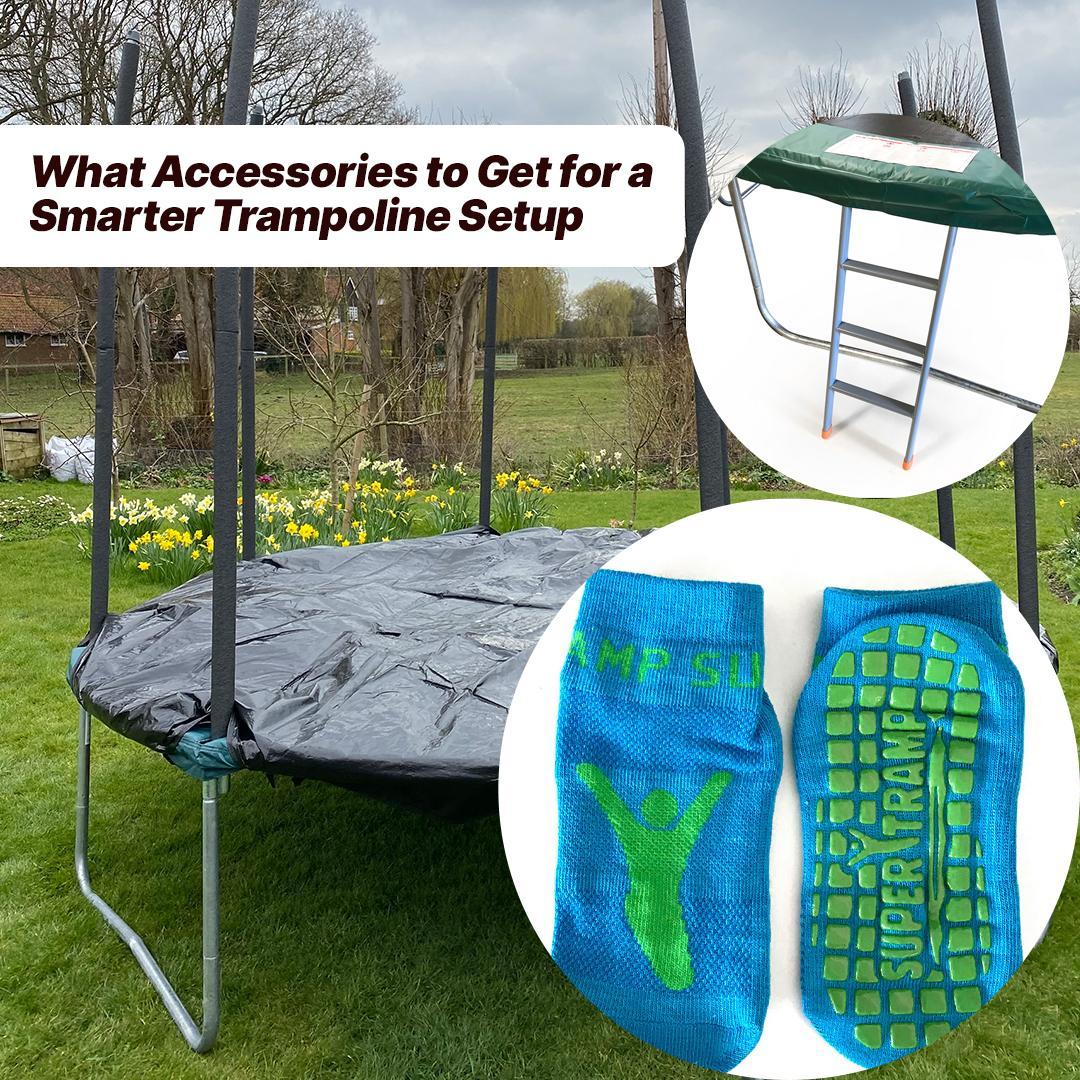
Choosing the right trampoline size is just the first step; the accessories you add can make the whole experience safer, easier, and more enjoyable. Whether you’re setting it up for daily exercise, family playtime, or long-term outdoor use, these add-ons help you get more from your investment.
1. Protective Weather Cover
If your trampoline stays outside all year, a quality trampoline weather cover is a must. It helps your trampoline last longer by protecting the mat and springs from dust, rain, and UV radiation. Without it, you may find yourself replacing parts sooner than expected.
2. Ladder for Easy Access
Climbing onto a trampoline without a ladder can be tricky for small children or older users. A sturdy ladder makes it easier and safer for everyone to get on and off, especially if the frame height is more than 2 feet.
3. Trampoline Socks
If you’ve never heard of trampoline socks, you’re not alone, but once you try them, you’ll wonder why you didn’t sooner. These non-slip socks are designed with special grip soles to reduce slipping and protect feet while bouncing.
They’re useful for children who jump with energy (and without thinking twice!). Trampoline socks also help keep the mat clean and reduce wear caused by bare feet or shoes.