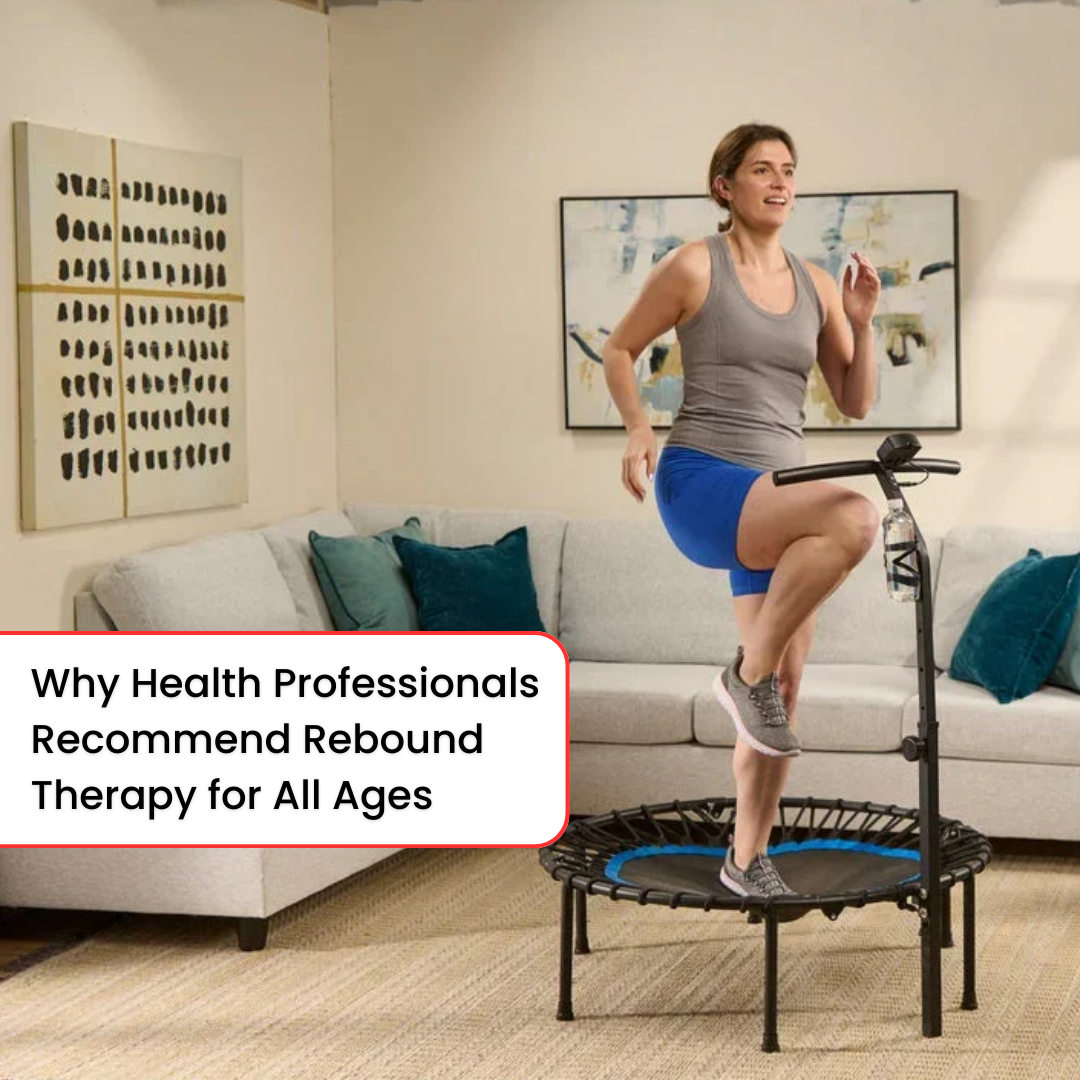
Worry arrives quietly when a parent watches a child struggle with movement or focus, or an older adult notices balance feels less steady than before. In moments like these, simple solutions rarely work, yet gentle, guided movement can make a real difference. This is where rebound therapy starts to draw attention. Not as casual bouncing, but as a structured, supportive activity designed to meet people where they are.
Unlike ordinary exercise, rebound therapy focuses on control, safety, and individual needs. It supports bodies that require a softer approach and encourages progress without pressure. More importantly, it offers a practical option for those seeking confidence, stability, and improved well-being through movement that feels manageable rather than demanding.
If you have wondered whether a low-impact, adaptable activity could help you or someone you care about, this guide will walk you through the benefits, considerations, and what you should know before getting started with a trampoline.
What Is Rebound Therapy?
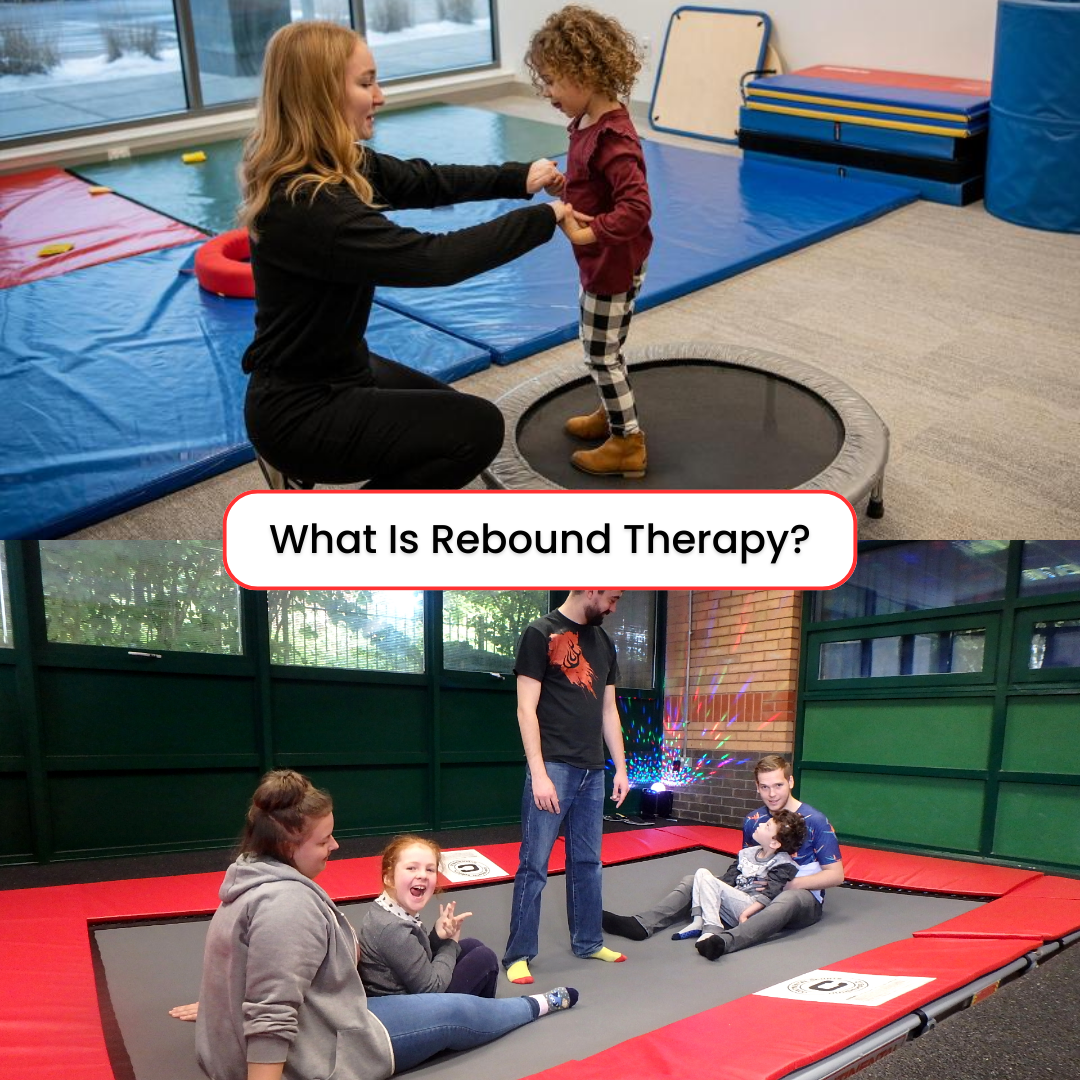
Rebound therapy is a guided form of movement performed on a rebounder, designed to support physical and sensory development through controlled, low-impact activity. Rather than unstructured bouncing, it follows a planned approach tailored to individual abilities, comfort, and safety.
- Uses a rebounder as a therapeutic tool.
- Sessions adapt to individual needs and mobility levels.
- Often guided by trained practitioners.
- Emphasizes stability, control, and safe movement.
With the concept clear, it makes sense to look at how rebound therapy delivers measurable, practical benefits.
Proven Benefits of Rebound Therapy
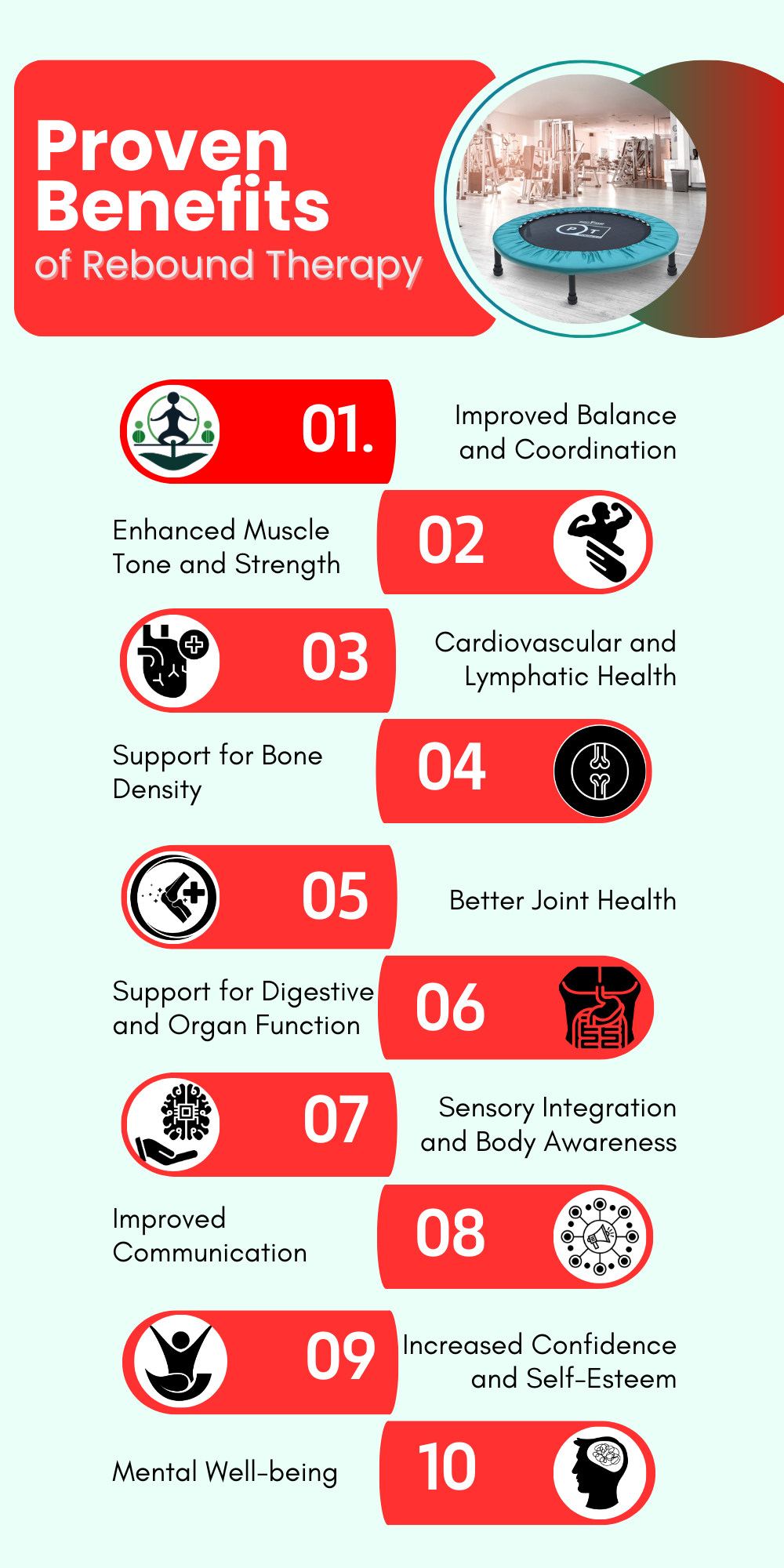
Once the basics are clear, the real question naturally follows. What practical changes can rebound therapy actually support in day-to-day life? While individual outcomes always differ, practitioners and therapists widely recognise several consistent benefits.
1. Improved Balance and Coordination
Rebound therapy gently challenges stability by introducing controlled, repeated movement. The body continuously adjusts posture and positioning, which helps sharpen coordination over time.
- An in-ground trampoline encourages safer movement patterns.
- Supports mobility and body control.
- Often valued in fall prevention strategies.
2. Enhanced Muscle Tone and Strength
Each movement on a rebounder activates multiple muscle groups without harsh impact. This allows users to build strength gradually while keeping physical strain manageable.
- Continues bouncing on a round trampoline promotes gentle muscle engagement.
- Suitable for varied ability levels.
- Useful in both conditioning and recovery settings.
3. Cardiovascular and Lymphatic Health
The rhythmic motion of rebound therapy helps stimulate circulation. Many therapists use it as a low-intensity option for supporting heart and fluid movement within the body.
- Assists natural blood flow.
- Provides mild, controlled exertion.
- Often described as a heart-friendly activity.
4. Support for Bone Density
Because the body works against gravity during movement, rebound therapy introduces lightweight bearing activity. This can be especially relevant for ageing adults seeking lower-impact options.
- Adds gentle skeletal loading.
- Reduces hard surface stress.
- Complements active ageing routines.
5. Better Joint Health
Unlike high-impact exercise, the fitness trampoline surface absorbs much of the force. This reduces pressure on joints while still allowing consistent movement.
- Minimises repetitive strain.
- Supports comfortable motion.
- Frequently chosen by those with stiffness concerns.
6. Support for Digestive and Organ Function
The repeated, controlled motion subtly stimulates the body internally. Therapists often note its supportive role in overall physical regulation.
- Encourages gentle internal movement.
- Complements general activity levels.
- Integrated into broader therapy programmes.
7. Sensory Integration and Body Awareness
Rebound therapy provides clear, repeatable sensory feedback. This helps individuals better understand body position, movement timing, and spatial awareness.
- Strengthens movement recognition.
- Supports posture and control.
- Common in sensory-focused interventions.
8. Improved Communication
Structured sessions often encourage interaction, response, and engagement. Practitioners observe that movement-based activities can help individuals express comfort and participation more freely.
- Encourages active involvement.
- Supports responsive behaviour.
- Complements communication development work.
9. Increased Confidence and Self-Esteem
As movement becomes more controlled, many users experience a stronger sense of capability. Small improvements often translate into noticeable boosts in self-assurance.
- Reinforces sense of progress.
- Supports independence in activity.
- Encourages continued participation.
10. Mental Well-being
Gentle, repetitive movement can promote relaxation and focus. Many people describe sessions as calming, steady, and mentally refreshing.
- A rectangular trampoline supports stress regulation.
- Encourages active relaxation.
- Fits easily into well-being routines.
With the benefits outlined, it becomes important to address suitability and safety, which we will explore next.
Who Can and Who Should Not Use Rebound Therapy?
Understanding the benefits is only part of the picture. Equally important, knowing whom rebound therapy may suit and when caution is necessary helps ensure safety, comfort, and sensible decision-making.
Who Can Benefit from Rebound Therapy
Rebound therapy adapts well to different physical and sensory needs when guided correctly. Trained practitioners typically adjust movement, pace, and support based on individual ability rather than applying a fixed routine.
- Individuals with Physical Disabilities: Rebounders provide a cushioned, supportive surface that allows controlled movement. Sessions can focus on posture, stability, or gentle mobility work.
- People with Learning Disabilities: Structured, repeatable motion often helps with body control and engagement. Activities remain simple, guided, and predictable.
- Neurodivergent Individuals: The rhythmic feedback of rebound therapy can support sensory regulation, body awareness, and a way to a fitter body. Many programmes include it as part of wider movement-based support.
- People with Sensory Impairments: Controlled bouncing offers clear physical feedback, which can assist spatial orientation and movement recognition.
- Those with Neurological or Medical Conditions: Professionally supervised sessions may support gentle activity where higher-impact exercise feels unsuitable.
- Non-Verbal Communicators: Movement-based sessions can encourage interaction, response, and participation without relying solely on verbal instruction.
Across these groups, proper supervision and individual adjustment remain central to safe practice.
Who Should Not Use Rebound Therapy
While rebound therapy suits many individuals, certain conditions require careful restriction or medical approval. The concern here is not avoidance of activity but prevention of unnecessary risk.
- People with Down’s Syndrome: Specific physical considerations, particularly relating to joint and neck stability, require professional medical assessment before participation.
- Individuals with Atlantoaxial Instability: This condition affects cervical spine stability, making rebound-based movement unsuitable without specialist clearance.
- People with Spinal Issues: Certain spinal conditions may worsen with repetitive motion, so clinical guidance becomes essential.
- Growth Hormone Deficiency: Medical supervision helps determine whether rebound therapy fits safely within treatment or management plans.
- Osteogenesis Imperfecta: Bone fragility associated with this condition generally prevents participation due to fracture risk.
- Pregnancy: Pregnant individuals should seek medical advice before engaging in rebound-based activity.
In all such cases, consultation with a qualified healthcare professional provides the safest path forward.
With suitability and restrictions clarified, the next step involves understanding the practical considerations that shape safe, effective rebound therapy sessions.
Important Considerations Before Starting Rebound Therapy
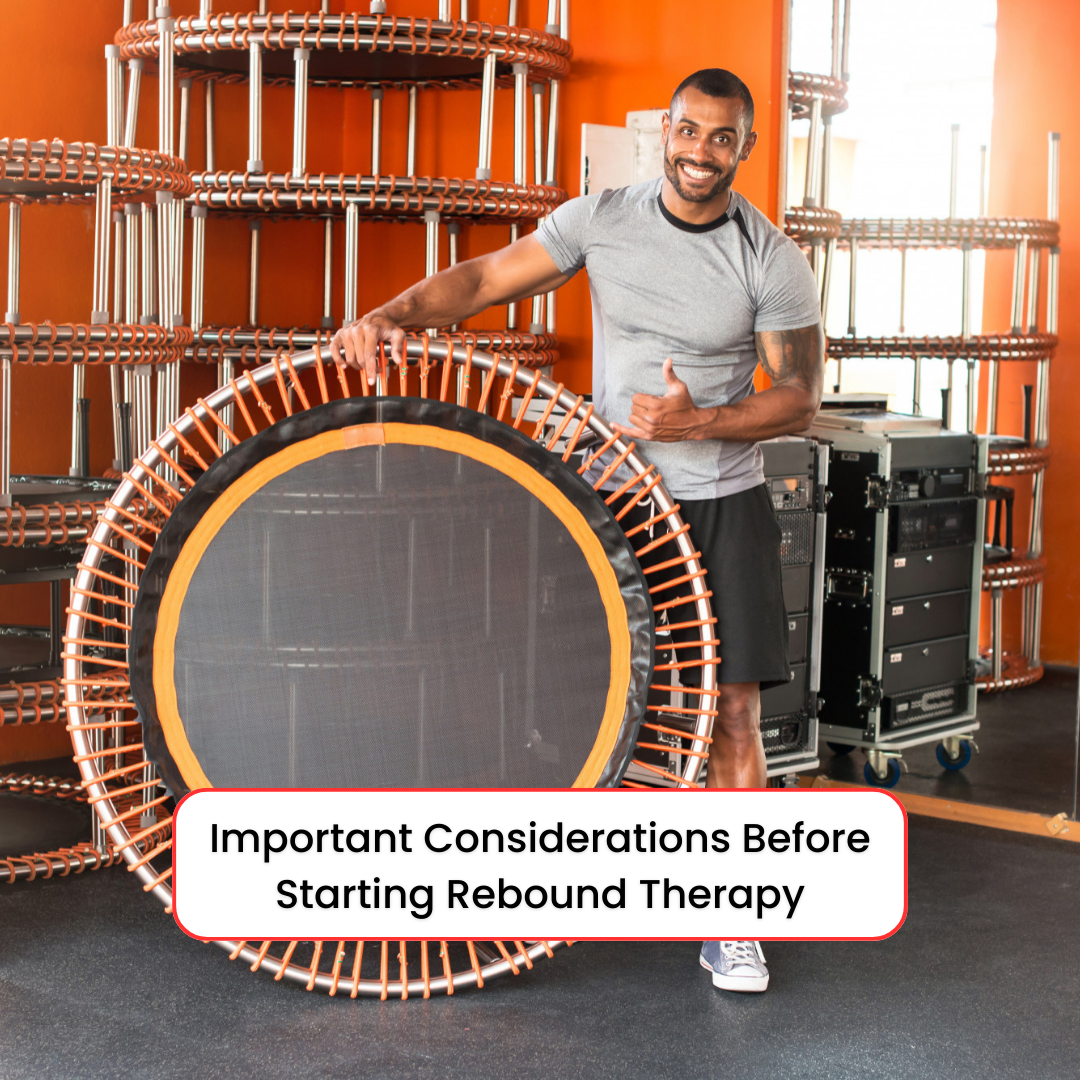
Before beginning rebound therapy, a few practical checks help ensure sessions remain safe, controlled, and genuinely useful. A careful setup often shapes the overall experience more than people expect.
Work with Trained Practitioners
Rebound therapy follows structured therapeutic methods rather than casual activity. Qualified practitioners adjust movement, intensity, and support based on individual ability and physical comfort.
- Sessions adapt to personal mobility levels.
- Professional guidance improves movement control.
- Proper technique supports safer participation.
Seek Medical Guidance When Appropriate
When health conditions, injuries, or uncertainties exist, consulting a healthcare professional helps avoid unsuitable activity. This step provides clarity instead of guesswork.
- Identifies potential restrictions early.
- Confirms suitability for rebound therapy.
- Supports informed, safer decisions.
Recognise Contraindications Clearly
Certain medical conditions require caution or restriction. Responsible rebound therapy programmes always respect these limits and prioritise safety over participation.
- Conditions affecting spinal or neck stability need assessment.
- Severe cardiac concerns require medical input.
- Clearance helps prevent unnecessary complications.
Use Proper Safety Accessories
Supportive accessories play a direct role in stability and grip. Small additions often improve comfort and reduce avoidable slips during movement.
- Wear well-fitting rebounder or trampoline socks for grip.
- Use hand support bars where balance assistance helps.
- Maintain a clear, obstacle-free area.