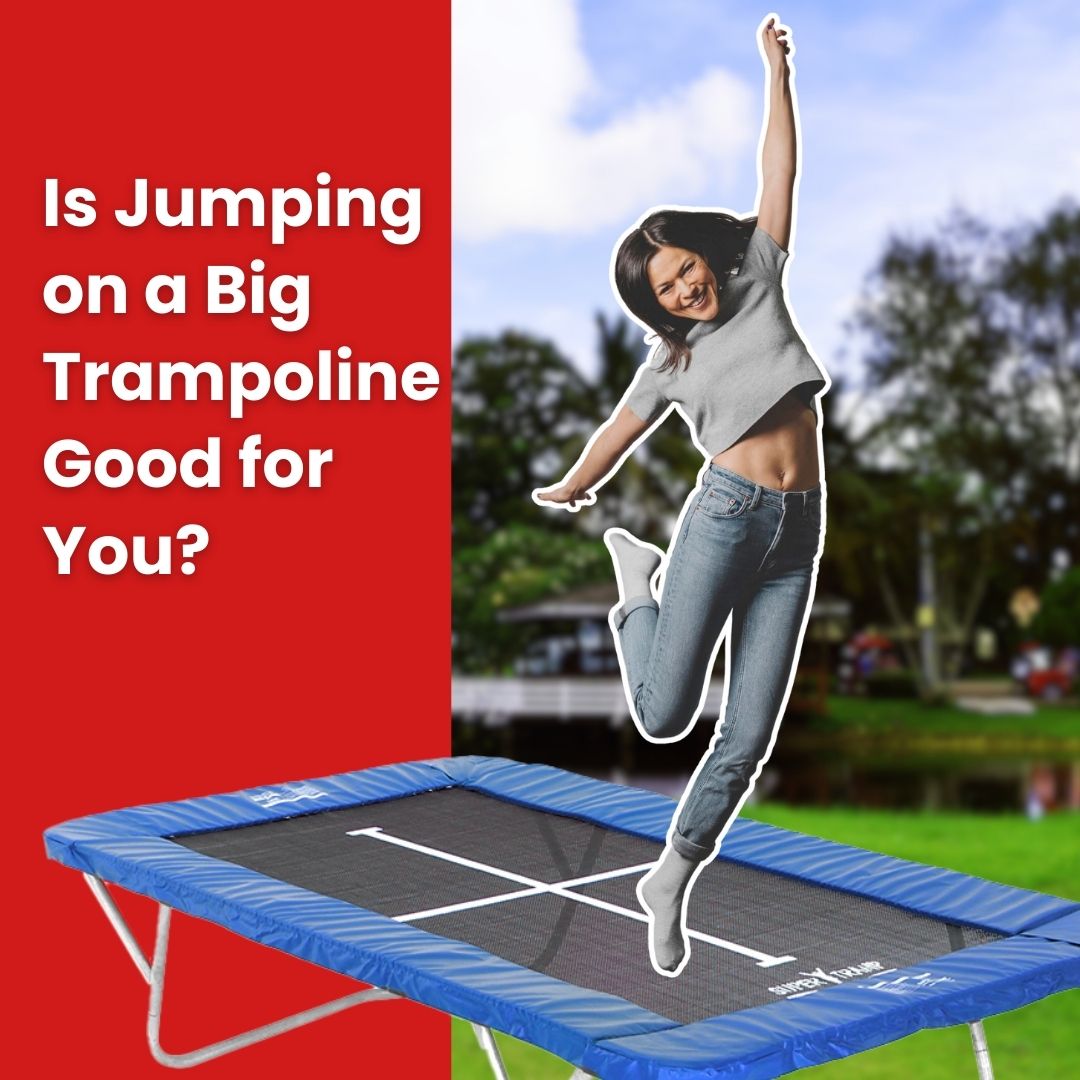
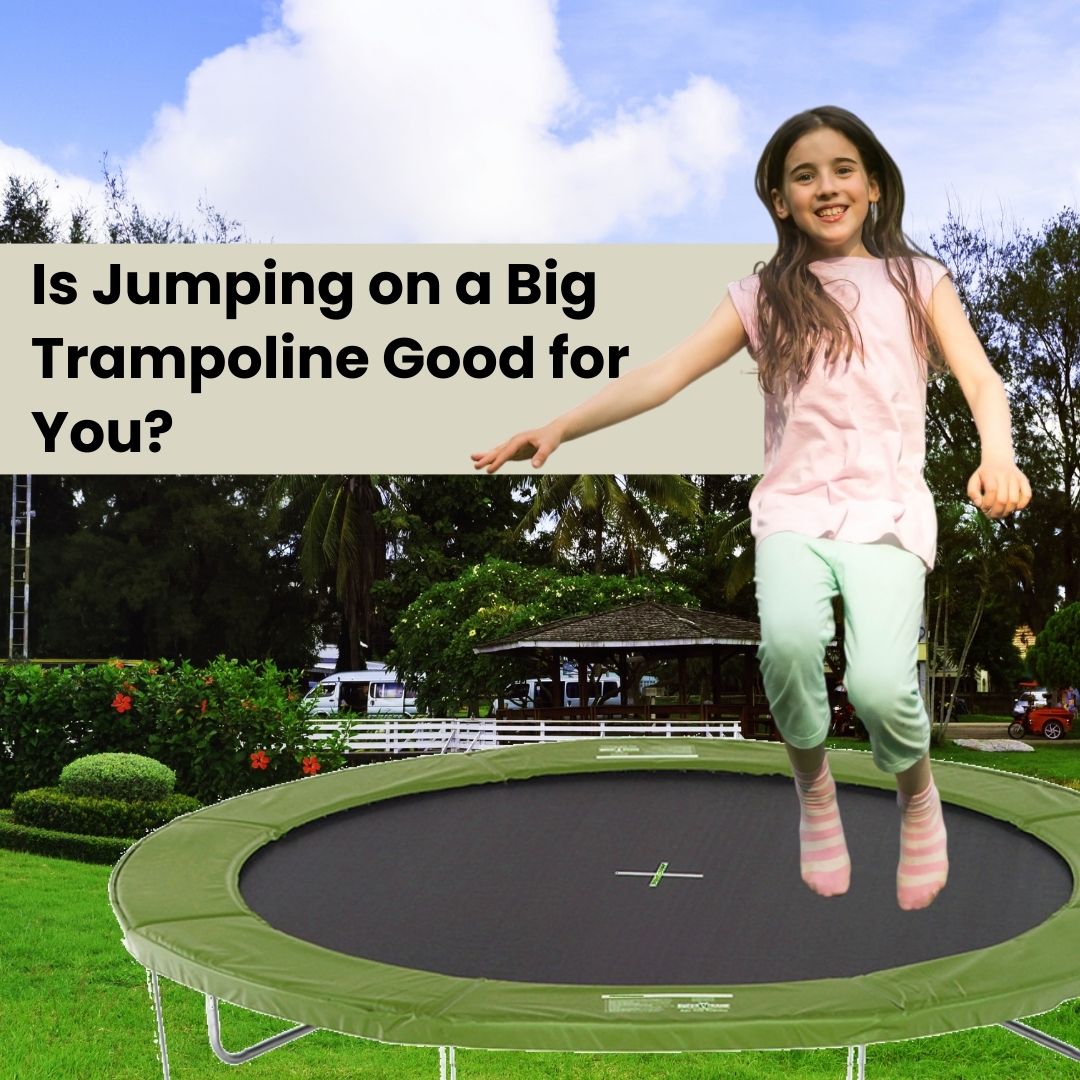
On a typical UK afternoon, it’s a familiar sight. Kids laughing as they bounce higher with every jump, while parents stand nearby, smiling but slightly tense. That mix of excitement and concern usually leads to one honest question: is jumping on a big trampoline actually good for you, or is it just energetic fun with a few risks attached?
That question matters, especially if you’re investing in a large garden trampoline or letting your children use one regularly. When used properly, a well-built trampoline offers real health benefits and thoughtful safety advantages. Years of hands-on use, design improvements, and practical testing have shown that size and structure play a bigger role than most people realise.
We’ll take you through the important things in this blog. Not hype, not fear. Just clear, experience-backed guidance to help you make confident, informed choices and enjoy trampolining the right way.
Safety Benefits of Jumping on a Big Trampoline
Before we talk about benefits, let’s clear up the confusion. Safety is usually the first concern people raise, and rightly so. A big trampoline can lead to serious injuries when it’s used carelessly. However, size itself isn’t the issue. Poor-quality equipment, worn-out parts, and relaxed rules cause most problems. When you choose the right build and set clear boundaries, size often works in your favour.
* The truth about size and safety
Studies show that larger trampolines appear in more injury reports, mainly because they are used more often and by multiple users. That context matters. In practice, most injuries happen when rules are ignored or when cheaper frames and mats fail under pressure. A well-made big rectangular trampoline, used correctly, offers more control, not less.
1. Design and Performance Safety that Helps
- Reduced overcrowding
A wider jumping area gives each user more space to land safely. While one jumper at a time remains best practice, extra room lowers the chance of accidental clashes. - Greater stability and control
Bigger frames use heavier steel and more trampoline springs. This spreads weight evenly and creates a calmer, more predictable bounce that helps users stay balanced. - Skill space for controlled movement
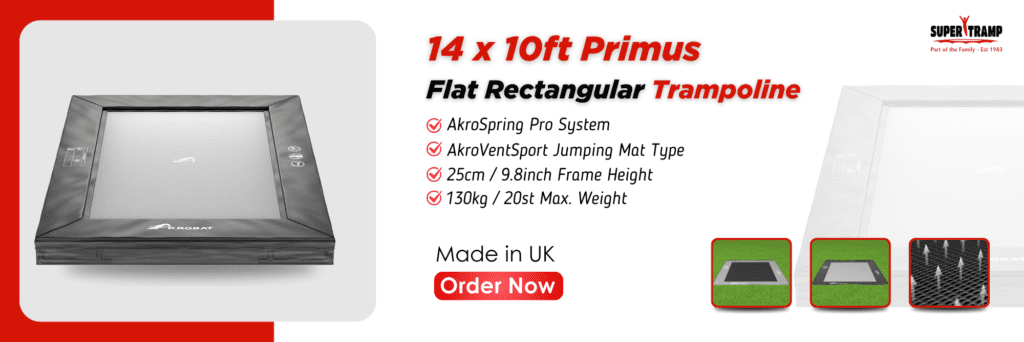
Large rectangular 14ft trampolines are widely used for training because the bounce stays consistent across the mat. Teens and experienced users benefit from safer landings and better body control. - Higher weight capacity
A quality big trampoline supports higher loads without overstretching the mat. This reduces strain on joints and protects the spine from hard landings.
2. Built-in Safety Features
- Enclosure systems
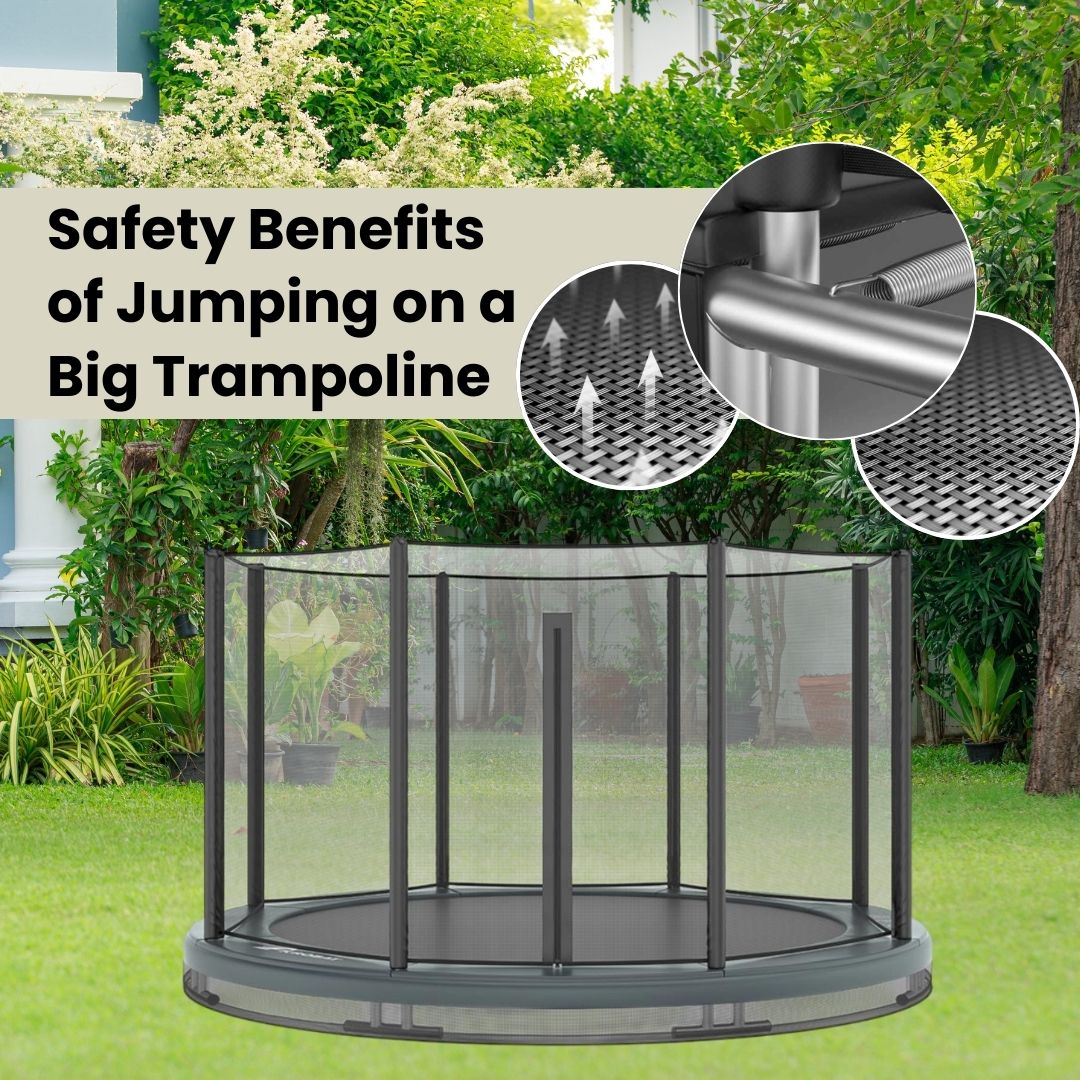
Secure nets stop falls to the ground and significantly reduce fractures, especially in garden settings. - Springsafe and SoftEdge designs
These systems cover or replace metal springs, keeping hands and feet away from pinch points and hard edges. - In-ground options
Installing a big trampoline level with the lawn removes fall height and blends neatly into UK gardens.
3. Long-term Physical Resilience Benefits
- Better balance and body awareness
Constant small adjustments on the mat strengthen balance systems, which help reduce everyday falls. - Joint protection on impact
A well-tensioned mat absorbs most landing force, making trampolining far gentler than hard-surface exercise.
In the next section, we’ll move beyond safety and look at how a big above-ground trampoline supports everyday health, fitness, and movement in a practical, realistic way.
Health Benefits of Using a Big Trampoline

Once safety is in place, the real value becomes clear. A big trampoline supports everyday health in ways that feel natural, manageable, and easy to stick with over time.
1. Support Heart Health
Bouncing raises your heart rate quickly, even with simple movements. Long sessions and intricate routines are not necessary. A steady rhythm keeps the heart working while the body stays relaxed, which is why many people last longer than they would on a treadmill.
Practical tip: Start with five-minute intervals and build up gradually. Short bursts still count.
2. Stronger Muscles and Bones
Each jump engages the legs and core while encouraging upright posture. Arms join in naturally for balance. Over time, this weight-bearing movement supports bone strength, which matters more as the body ages.
Why it helps: Controlled loading stimulates bones without heavy strain.
3. Kind to Joints, Tough on Calories
The trampoline mat absorbs most impact, unlike pavements or running tracks. This protects knees, hips, and ankles while still burning energy.
- Less joint stress.
- Steady calorie use.
- Suitable for mixed fitness levels.
4. Balance, Coordination, and Confidence
A big trampoline trains the body to adjust constantly. These small corrections improve coordination for everyday movement, from walking on uneven ground to climbing stairs.
Who benefits: children, adults returning to exercise, and older users alike.
5. Lymphatic Movement and Circulation
The gentle up-and-down motion encourages fluid movement through the body. This supports circulation without intense effort or long recovery time.
6. Mental Wellbeing and Stress Relief
Outdoor bouncing clears the head. Fresh air, movement, and a break from screens help reset focus and lift mood.
7. Weight Management Support
Consistency matters more than intensity. Regular use of a big trampoline engages multiple muscle groups and keeps metabolism active without feeling demanding.
Next, we’ll look at practical jumping habits that keep these benefits working safely over time.
Safe Jumping Tips for UK Homes
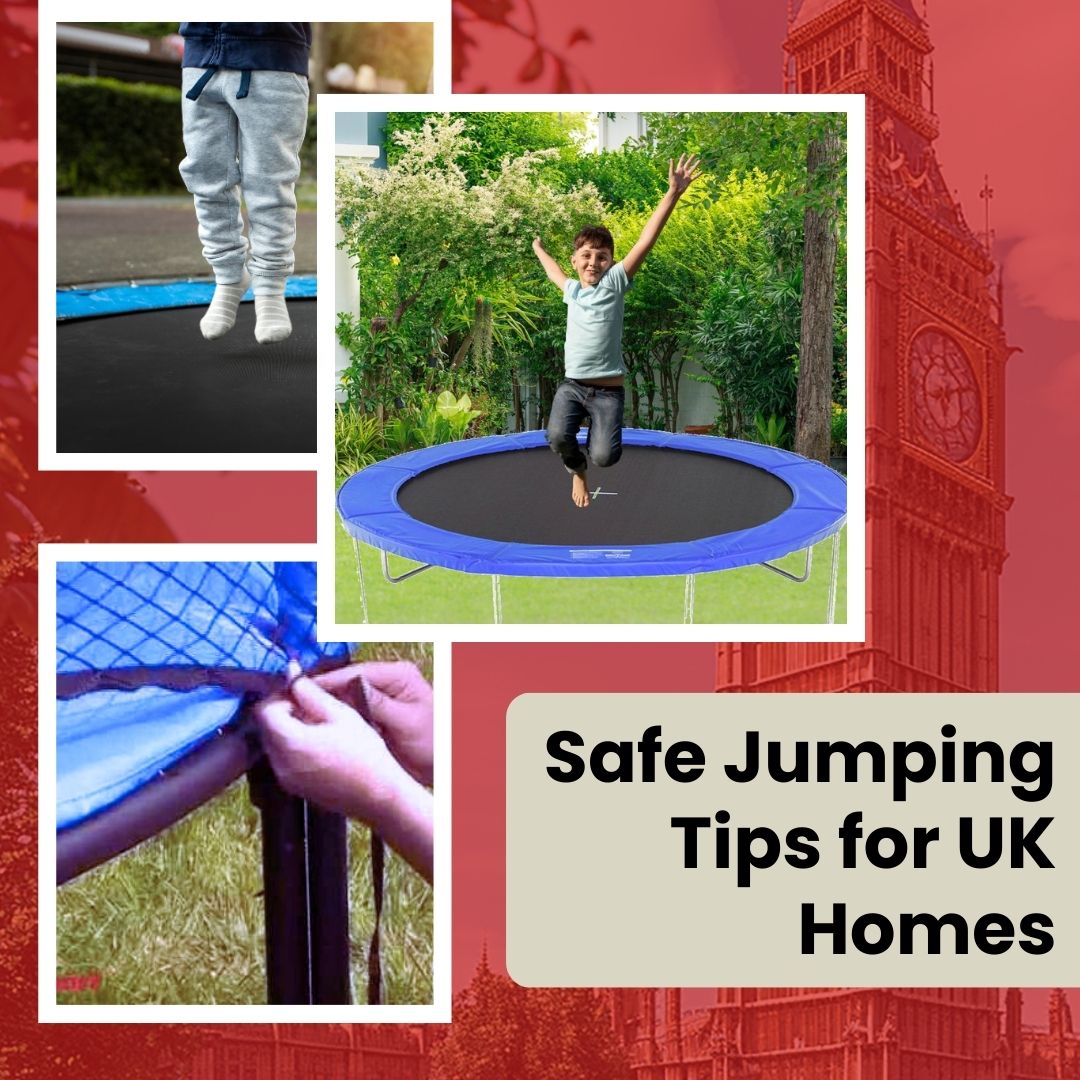
Once you understand the benefits, the next step is keeping them consistent. Safe habits turn a big trampoline from a short-term thrill into a long-term, reliable part of home life.
The Non-Negotiable Rules
These rules exist for a reason and should stay firm from day one.
- One jumper at a time: Most injuries happen when timing goes wrong between two people. Solo jumping keeps control predictable.
- No flips or somersaults: Head and neck injuries often come from failed rotations. Leave advanced moves to trained environments.
- Always use safety enclosures: Nets prevent falls to the ground and reduce fracture risk significantly.
- Wear trampoline socks: Grip trampoline socks reduce slipping and help keep the mat clean.
- Active adult supervision: Children follow rules better when an adult stays present, not nearby.