
You start a workout plan full of determination. The first week feels exciting. Trainers are bought, playlists are ready, and the promise of a healthier routine feels close. Yet within a few weeks, the motivation dissipates, and the question quietly appears: how to stay motivated to work out when work deadlines pile up, the school run eats into the evening, and the gym routine starts to feel dull. This struggle is common for busy adults, beginners, and even regular fitness enthusiasts.

The truth is, motivation rarely fades because people are lazy. It fades when workouts stop fitting real life. Repetitive routines, slow progress, and lack of enjoyment can quickly drain enthusiasm. A better approach focuses on movement that feels rewarding and practical. Activities such as garden trampoline exercises, for instance, combine balance, cardio, and playful energy, turning exercise into something people genuinely look forward to rather than another task on the to-do list.
Why People Lose Motivation to Exercise So Quickly
Many people do not quit exercising because they lack determination. In most cases, motivation fades when routines stop fitting daily life. Understanding these common barriers helps explain how to stay motivated to workout in a more practical and realistic way.

1. Workouts Start to Feel Repetitive
Doing the same routine every day quickly becomes boring and dull. Running on that same treadmill or repeating identical gym exercises removes the sense of progress and excitement. Fitness experts often recommend changing movements regularly, such as mixing strength work with activities like trampoline yoga, which keeps both the body and mind engaged.

2. Lack of Time in Busy Schedules
Work commitments, household tasks, and family responsibilities often leave little room for long workouts. When exercise demands an hour at the gym, many people skip it altogether. Short sessions at home, even 15 minutes of active movement, can help people stay consistent without disrupting their daily routine.
3. Unrealistic Fitness Expectations
Many beginners expect quick weight loss or rapid strength gains. Motivation declines when outcomes take longer than anticipated. Setting achievable goals, such as improving stamina or completing three sessions per week, creates steady progress and helps maintain focus.
4. Slow Visible Results
Fitness improvements often happen gradually. Strength, endurance, and flexibility develop over weeks rather than days. Tracking small improvements, such as longer workout sessions or better balance, helps people recognise progress and maintain motivation.
5. Intimidating Gym Environments
For beginners, crowded gyms and complex machines can feel overwhelming. Many people hesitate to ask for help or worry about doing exercises incorrectly. Home workouts or simple equipment can remove that pressure and make exercise more approachable.
Once these barriers become clear, the next step is learning 7 of the most effective strategies that show how to stay motivated to workout in a way that fits everyday life.
1. Begin with a Realistic Goal
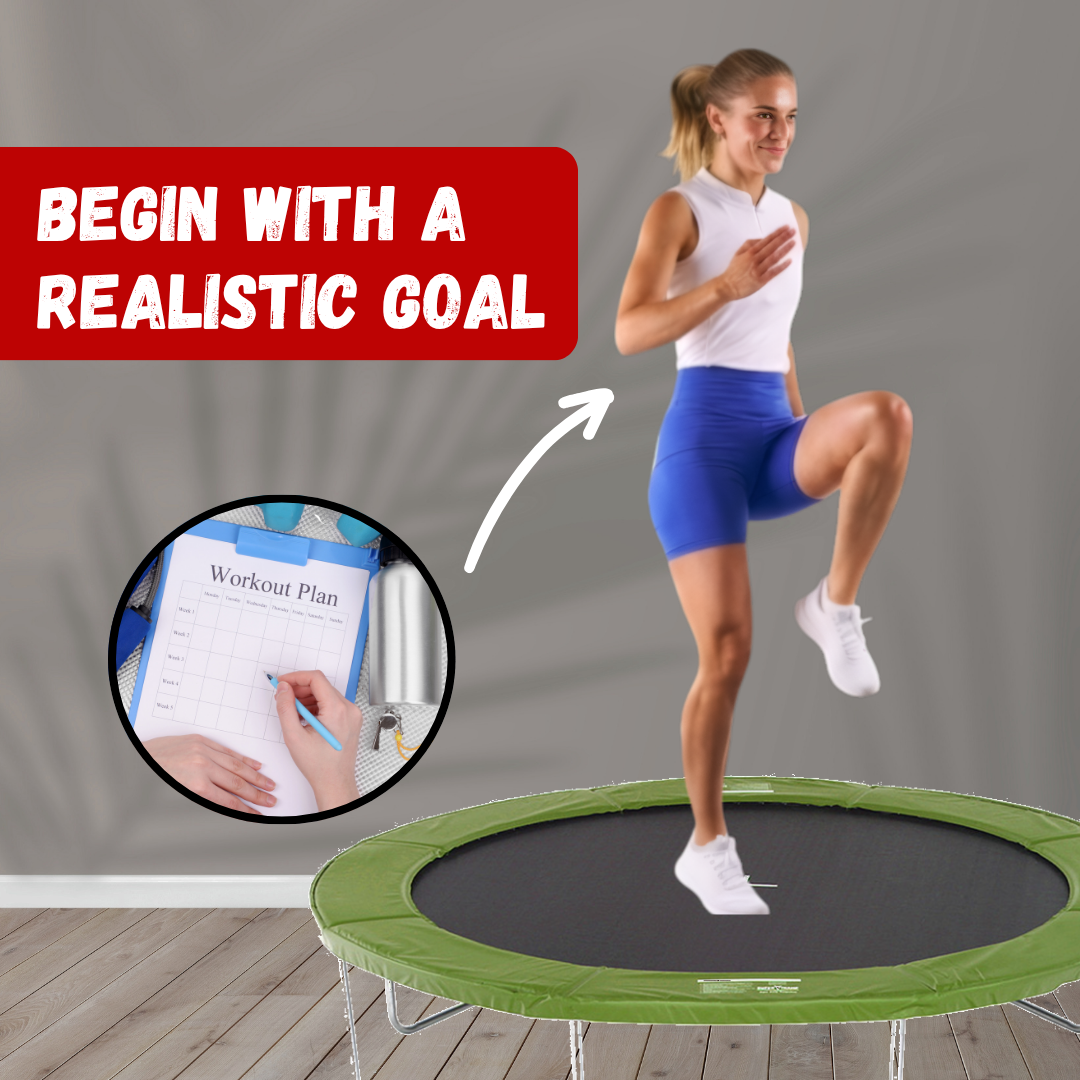
Many people lose momentum because their fitness goals feel too big from the start. A realistic target gives the body time to adapt and makes it easier to understand how to stay motivated to workout without feeling overwhelmed.
Fitness professionals often advise starting with manageable steps. When the goal feels achievable, people stay consistent and build confidence through steady progress.
- Busy Parents: Focus on Short and Consistent Movement. Parents often struggle to find long workout windows. Instead of aiming for hour-long sessions, a 15–20 minute movement routine works far better.
- Beginners: Build Stamina Before Chasing Big Results. A smarter approach focuses first on building stamina and strength. Simple movements such as controlled bouncing on a round trampoline improve balance, activate core muscles, and gradually improve endurance.
- Fitness Enthusiasts: Use Trampolining as Cross-Training. Cross-training helps prevent that plateau. Adding trampoline workouts or trampoline yoga between strength sessions improves coordination, engages stabilising muscles, and gives the body a different type of challenge while keeping workouts enjoyable.
Once realistic goals are in place, the next step is equally important: understanding the deeper reason that keeps people committed to their routine.
2. Remember Your “Why” Before Every Workout
Clear goals matter, but a deeper reason keeps people consistent. Fitness experts often point out that when people connect exercise with a personal purpose, it becomes easier to understand how to stay motivated to workout, even on busy days.
Identify the Reason That Matters to You
- Improving mental health and reducing stress: Regular movement helps release tension and clear the mind. Activities like rectangle trampoline yoga encourage steady breathing and rhythmic motion, which can help calm the body after a long day.
- Having more energy for family life: Consistent exercise improves stamina. Many parents notice that even short trampoline sessions boost energy levels, making daily tasks feel easier.
- Staying strong and mobile with age: Balance-based activities strengthen muscles and support joint health, helping people stay active for longer.
- Building confidence and self-discipline: Completing regular workouts builds a routine that strengthens both body and mindset.
Put your justification in writing and display it. This small reminder helps people reconnect with their purpose whenever they struggle with how to stay motivated to workout.
With a clear purpose in mind, the next step is learning how enjoyment can make workouts far easier to maintain.
3. Shift the Focus From Discipline to Enjoyment
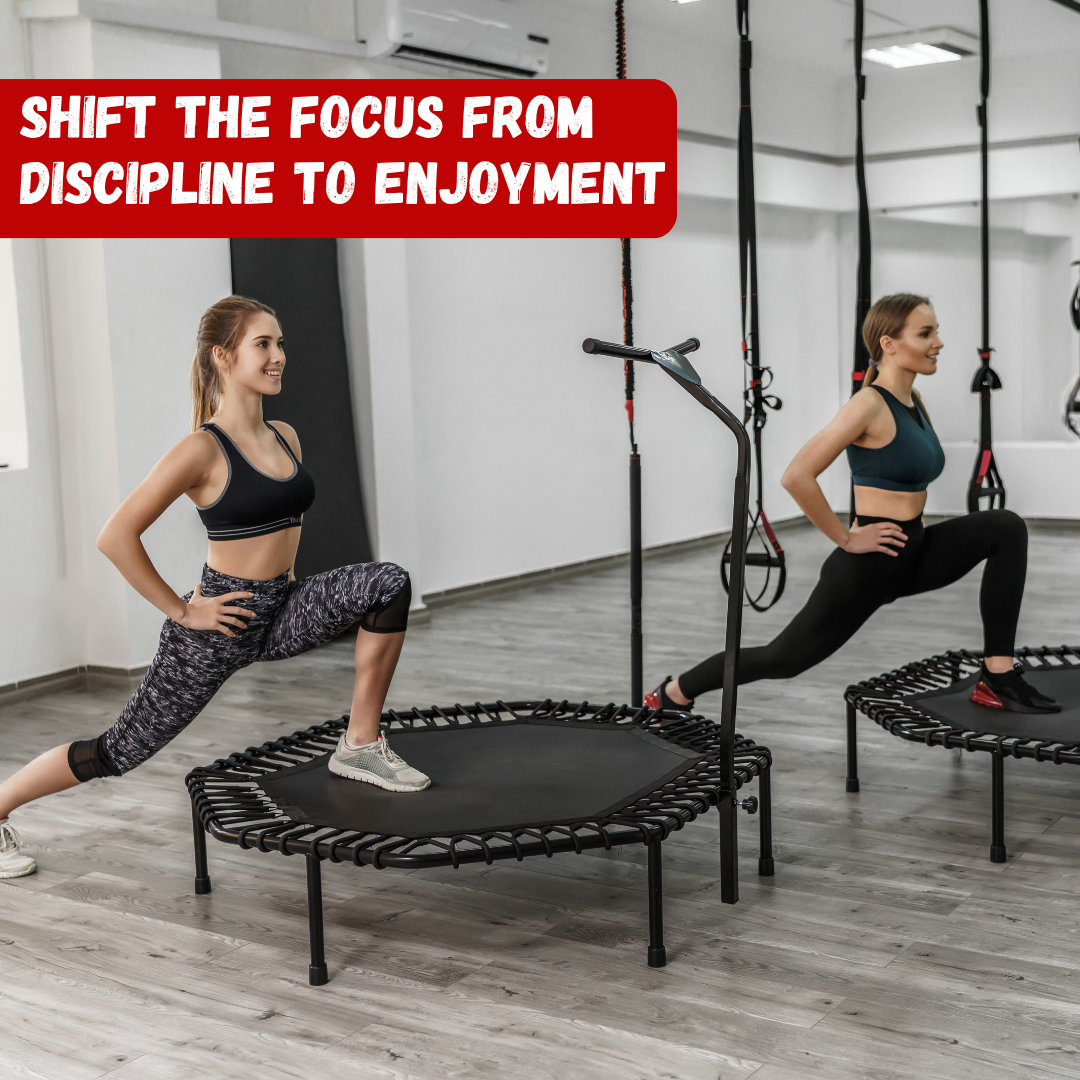
Strict discipline alone rarely keeps people exercising for long. Most fitness experts agree that long-term consistency grows when workouts feel enjoyable rather than forced. When people start enjoying movement, it becomes much easier to understand how to stay motivated to workout.
Choose Activities That Feel Engaging
- Cardio movement: Trampoline bouncing raises the heart rate while keeping pressure off the joints. Short sessions improve circulation and stamina without exhausting the body.
- Balance and coordination: Controlled bouncing and stability exercises activate core muscles and improve balance, which supports better overall body control.
- Playful movement: Trampoline exercises blend gentle stretching with light bouncing, creating a workout that feels energetic yet relaxed.
When exercise feels enjoyable, people return to it more often. In the next section, we will look at how setting small, practical goals can strengthen this motivation even further.
4. Set Small Goals That Keep You Moving Forward
Large fitness targets often feel like a burden, which is why many people stop early. Fitness coaches often recommend micro-goals because they make progress visible and manageable, helping people understand how to stay motivated to workout step by step.
Start With Simple Daily Targets
- Beginner goal: A short fitness trampoline session activates major muscle groups, improves circulation, and gradually builds stamina. Ten focused minutes can strengthen balance and coordination.
- Busy parent goal: A short trampoline workout before dinner can refresh energy levels and fit easily between daily responsibilities.
- Fitness enthusiast goal: Adding trampoline workouts as cross-training improves agility, engages core muscles, and breaks the monotony of regular gym routines.
Fitness experts often stress that progress grows from consistency. People who learn how to stay motivated to workout focus on steady improvement rather than chasing perfection.
Next, it also helps to make exercise easier to access, which we will explore in the following section.
5. Make Your Workout Space Easy and Accessible
Consistency becomes easier when exercise is close at hand. Fitness specialists often highlight convenience as a major factor in learning how to stay motivated to workout, especially for people managing busy schedules.
Remove the Barriers That Delay Exercise
- Create a small home workout area: A clear space in the garden, garage, or spare room encourages regular activity. Seeing the equipment daily acts as a quiet reminder to stay active.
- Keep equipment ready to use: An in-ground trampoline placed in a garden or home fitness corner removes the need to commute to a gym. Short bounce sessions can quickly improve circulation and refresh energy.
- Make exercise part of a daily routine: Easy access to equipment helps people fit movement between daily tasks.
Once exercise becomes easy to access, the next step is making it even more engaging by turning fitness into a shared activity.
6. Turn Fitness Into a Family or Social Activity
Exercise becomes easier to maintain when people do it together. Health professionals often observe that shared workouts create accountability, which helps many people understand how to stay motivated to workout on a regular basis.
Make Movement a Shared Routine
- Parents bouncing with children: Short trampoline sessions with children encourage movement for the whole family. The activity strengthens balance, coordination, and cardiovascular health while keeping everyone engaged.
- Couples exercising together: Partners who train together often maintain routines longer. Light trampoline exercises can improve coordination and offer a refreshing break from traditional workouts.
- Friendly trampoline fitness challenges: Simple bounce challenges or timed sessions can motivate participants to stay active and track improvement.
Social support builds consistency and makes exercise easier to sustain. In the next section, we will look at how tracking your progress is important and helps you stay motivated.
7. Track Progress and Celebrate Small Wins

Visible progress keeps people engaged with their fitness routine. Health professionals often note that when individuals track improvement, they clearly see how their efforts work. This awareness helps people understand how to stay motivated to workout and continue building consistent habits.
Keep a Simple Record of Your Effort
- Record workout sessions: Writing down trampoline workouts or daily movement helps people stay organised and consistent.
- Notice stamina improvements: Longer bounce sessions, smoother balance, and steady breathing show that endurance is improving.
- Count weekly activity: Tracking the number of sessions completed each week encourages steady progress.
Acknowledge Small Fitness Wins
- Completing the first week of workouts
- Extending workout time gradually
- Feeling stronger and more energetic
- Learning a new trampoline yoga movement
These small milestones create forward momentum. In the next section, we will bring all these ideas together and summarise practical ways to stay consistent with exercise.
Conclusion
Staying active becomes much easier when exercise fits naturally into daily life. In this guide, we explored practical ways to understand how to stay motivated to workout. Setting realistic goals, remembering your personal reason for exercising, creating an accessible workout space, and adding enjoyable activities all help build a routine that lasts.
Most importantly, motivation grows when exercise feels enjoyable, flexible, and easy to start. Activities such as trampoline workouts and trampoline yoga combine cardio movement, balance training, and playful energy. This type of exercise keeps the body active while making workouts feel refreshing rather than repetitive.
Consistency does not require extreme routines. Small steps, steady progress, and activities you genuinely enjoy create lasting fitness habits. If you want a simple and engaging way to stay active, try incorporating trampoline exercise into your routine and discover how to stay motivated to workout while enjoying every session.