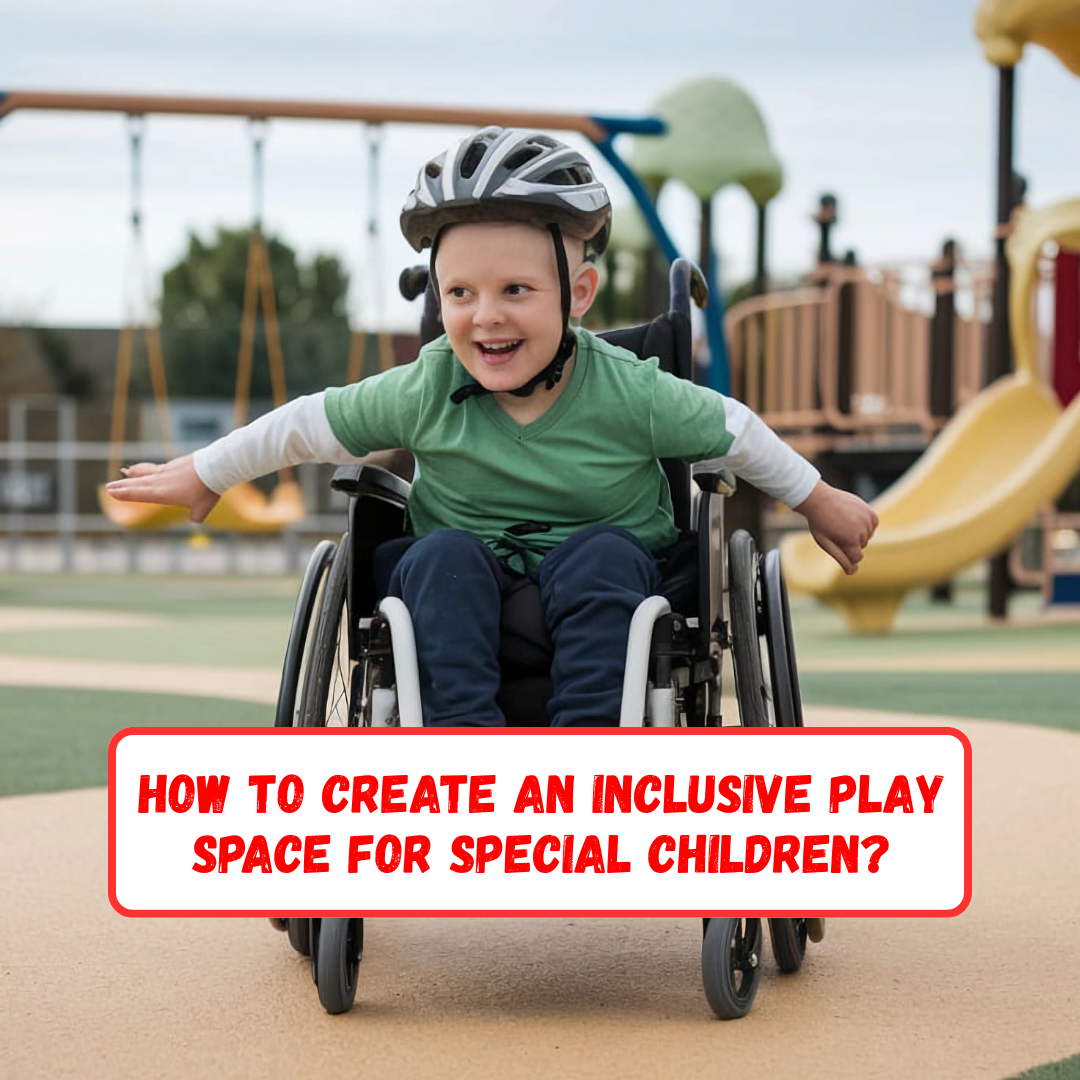
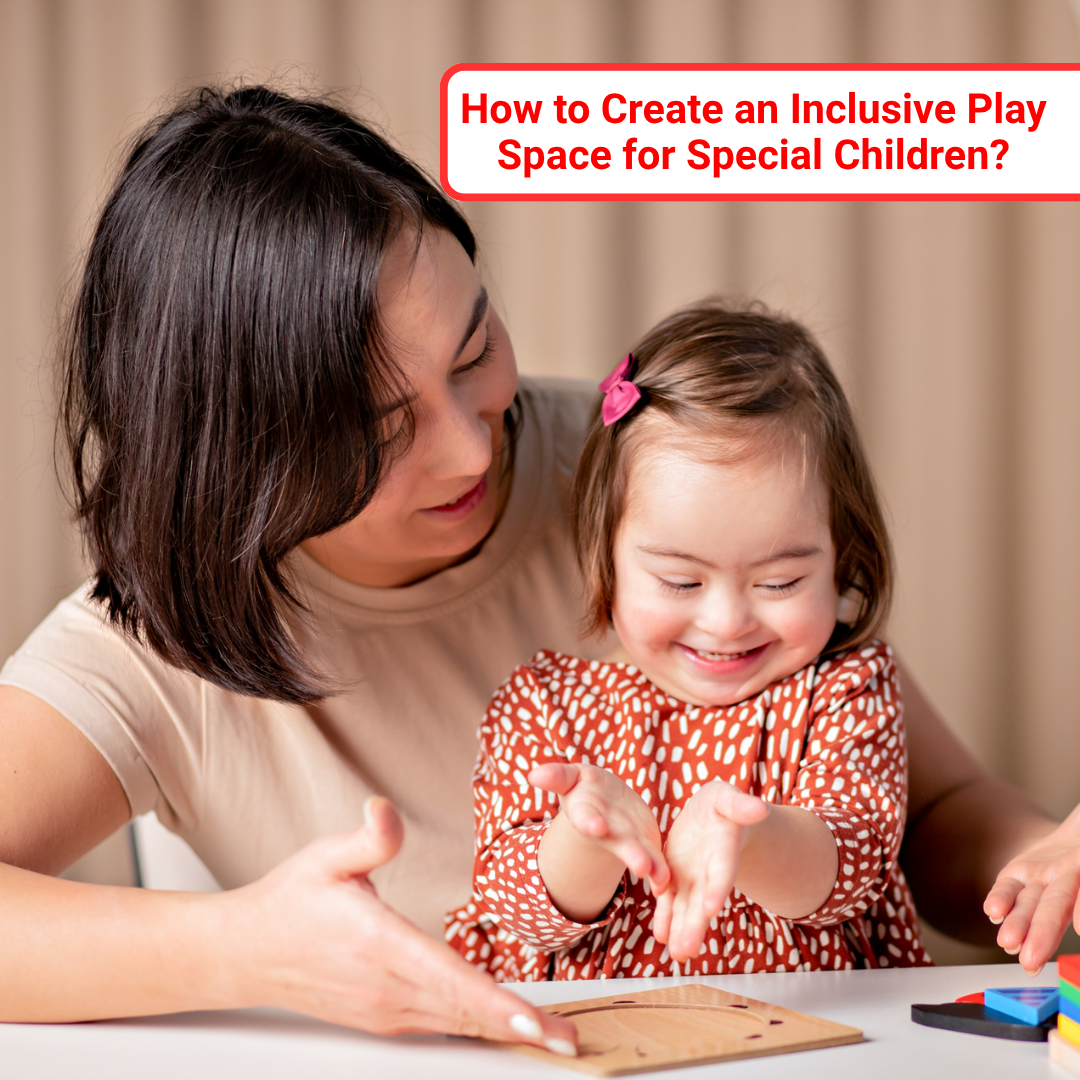
Every child deserves the chance to play, explore, and have fun alongside their peers. However, many traditional playgrounds can create challenges for children with physical disabilities, sensory sensitivities, or additional support needs, making it difficult for them to fully participate.
An inclusive play space helps remove these barriers by creating an environment where children of all abilities can play, learn, and socialise together. Features such as accessible pathways, sensory play equipment, adapted play structures, and inclusive trampoline can encourage movement, confidence, and interaction while ensuring every child feels welcome.
This guide will show you how to make a play area that is accessible for all children, takes into account their individual needs, and makes playing fun for everyone.

3 Essential Tips for Designing Inclusive Playspace
The first step in designing an inclusive playground is realising that children have diverse perspectives on the world. A well-designed space removes barriers and provides opportunities for every child to participate comfortably and safely.
- Understanding Needs: Spend some time getting to know the children who will be using the space in terms of their physical, cognitive, sensory, and social needs. Consult parents, educators, therapists, and children themselves to identify features that support a wide range of abilities and preferences.
- Layout: Design clear and spacious pathways that allow children to move freely between play areas. A logical layout reduces confusion, encourages independence, and helps children navigate the space with confidence.
- Accessibility: Ensure all major areas can be accessed by children using wheelchairs, walking aids, or mobility devices. Accessible surfaces, ramps, transfer platforms, and inclusive equipment help create equal opportunities for participation.
Once the design principles are in place, it helps to understand what an inclusive playground actually looks like in practice.
What Do Special Needs Inclusive Playgrounds Look Like?
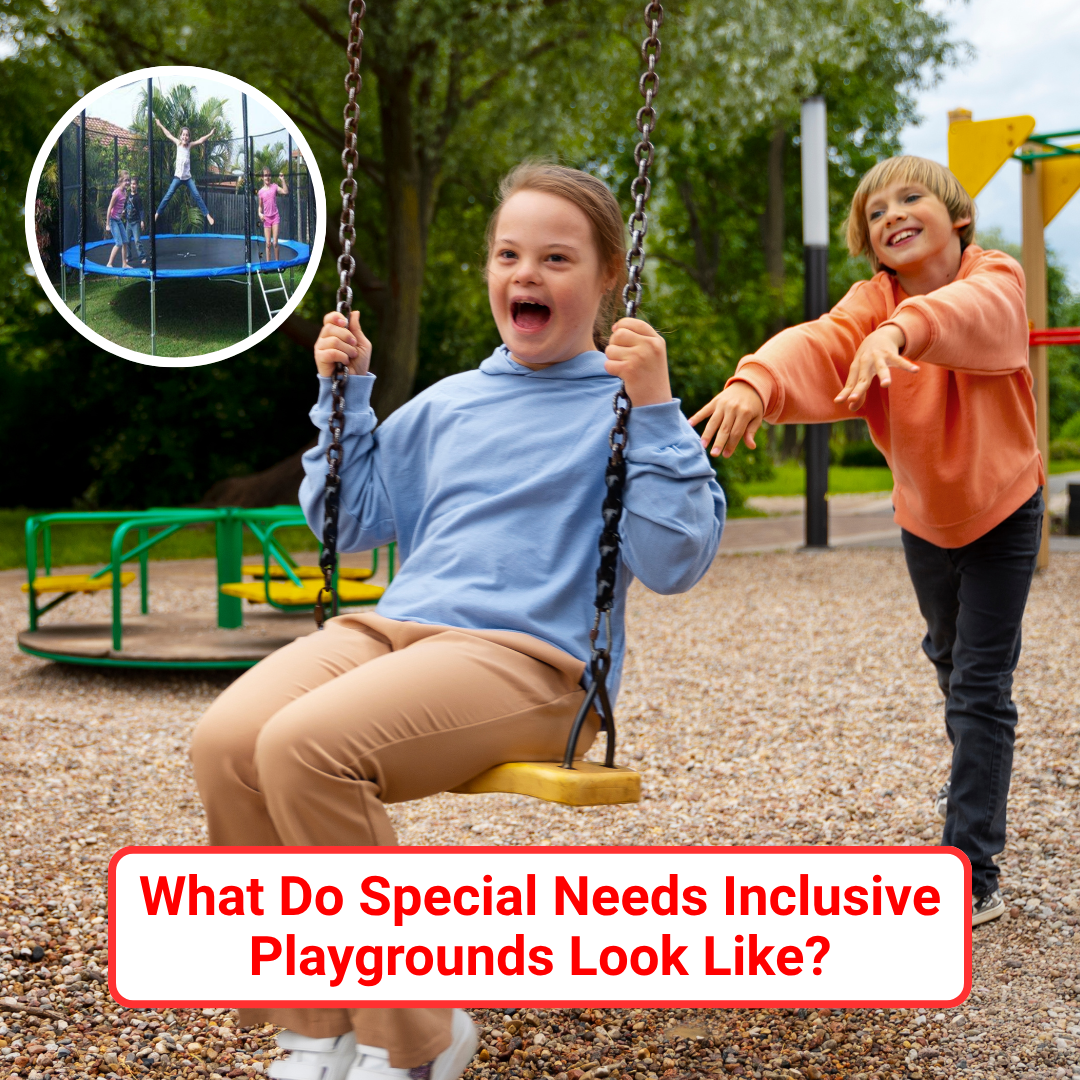
Inclusive playgrounds often incorporate features specifically designed to remove barriers and encourage participation for all children.
- Wider Spaces for Mobility Devices: Extra-wide pathways and activity zones allow children using mobility aids to move safely and independently.
- Sensory Equipment: Interactive panels, musical instruments, textured surfaces, and sensory gardens stimulate exploration through multiple senses.
- Accessible Ramps: Gentle ramps provide easy access to elevated play structures without relying solely on stairs.
- Wheelchair-Accessible Swings: Specially designed swings enable children who use wheelchairs to enjoy the movement and excitement of swinging.
- Centrally Oriented Play Equipment: Centralised play designs encourage face-to-face interaction and promote social engagement among children.
- Adapted Climbing Frames: High-contrast colours, tactile guides, and supportive handholds help children with visual impairments navigate climbing structures safely and confidently. Visiting play environments, such as Wonderland Play Centre, can also give children opportunities to explore similar accessible features while developing confidence, coordination, and independence through play.
- Multiple Entrances: Several access points make play equipment easier to approach and reduce congestion during busy periods.
- Accessible Seating Areas: Accessible seating allows parents, carers, and children who need rest breaks to remain close to play activities.
- Inclusive Trampolines: High-quality above-ground trampoline with durable components, secure enclosures, and accessible designs provide children of different abilities with opportunities to improve balance, coordination, confidence, and physical fitness through play.
Inclusive equipment creates the foundation, but carefully selected toys can make the play experience even more engaging.
What Toys Can You Add to an Inclusive Play Space?
The right toys can make an inclusive play space more engaging, accessible, and beneficial for children with different abilities. By offering a variety of sensory, creative, and interactive play options, you can encourage learning, social interaction, and confidence-building through play.
Sensory Balls
Sensory balls of various sizes, colours, and textures promote tactile exploration while enhancing hand-eye coordination and motor abilities.
Inclusive Trampolines
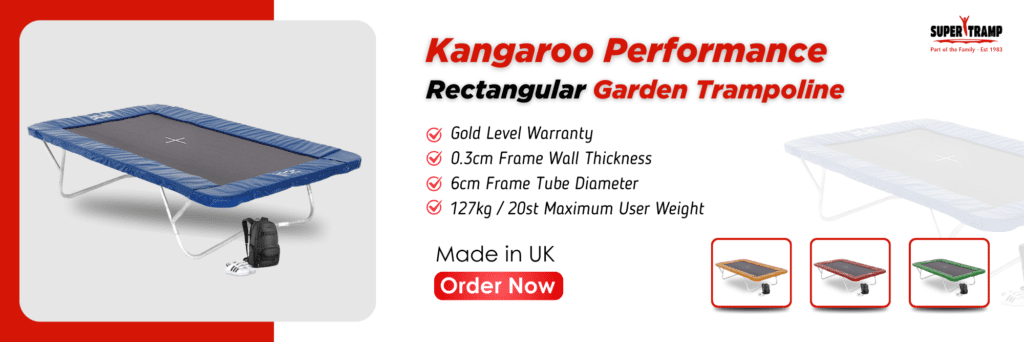
Inclusive and affordable garden trampoline designs, similar to those featured by Supertramp, can encourage balance, coordination, confidence, and physical activity while providing enjoyable sensory feedback.
Musical Instruments
Outdoor drums, chimes, and xylophones allow children to express themselves creatively while engaging their auditory senses.
Building Blocks
Large, lightweight blocks support cooperative play, problem-solving, and imaginative thinking for children of different developmental levels.
Fidget Toys
Fidget toys provide sensory input that can help children improve focus, regulate emotions, and feel more comfortable during play.
Storytelling Props
Puppets, character figures, and interactive storytelling kits encourage communication, creativity, and social interaction among children.
Sensory Play Tables
Water, sand, and textured sensory tables offer hands-on learning opportunities that engage multiple senses simultaneously.
Once children have access to inclusive toys and equipment, engaging activities help maximise their development and enjoyment.
15 Activities Children Can Enjoy in an Inclusive Play Space
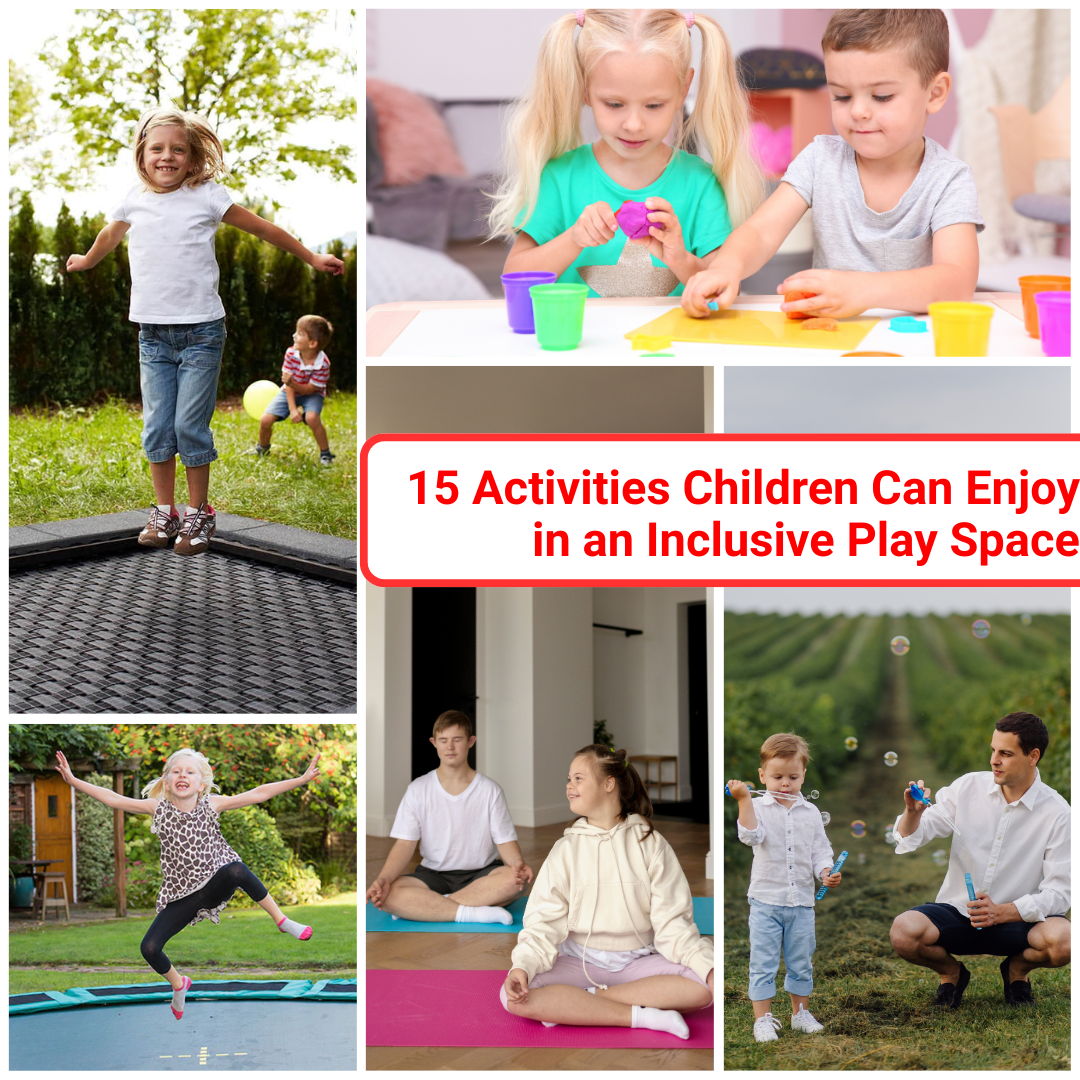
The right activities can make an inclusive play space more engaging while supporting children’s physical, social, emotional, and sensory development. These activities encourage participation, build confidence, and help children of all abilities learn, explore, and have fun together.
1. Bounce and Count
Children count each bounce on the best inground trampoline aloud or with visual aids. This combines physical activity with early numeracy and communication skills.
2. Colour Recognition Bounce
Place coloured markers around the trampoline safety net and encourage children to identify or point to colours during the activity. This supports learning and engagement.
3. Yoga Sessions
Yoga encourages children to improve balance, flexibility, coordination, and body awareness through gentle stretches and simple poses. Practising yoga activities on trampolines equipped with premium-quality trampoline safety pads can help create a comfortable and secure environment that supports confidence, focus, and active play.
4. Animal-Themed Bounce Activities
Children imitate animal movements, such as kangaroo hops or frog jumps, encouraging imaginative play and physical development.
5. Bubble Bounce Sessions
Blowing bubbles around the trampoline encourages children to reach, track movement with their eyes, and interact with their surroundings. A trampoline with high-quality springs provides a smoother and more consistent bounce, helping children move comfortably while enhancing the overall play experience.

6. Visual Cue Challenges
Using picture cards or visual prompts, children follow simple instructions while on the 14ft trampoline, supporting understanding and communication.
7. Sensory Treasure Hunts
Children search for objects using touch, sight, sound, or clues, encouraging exploration and sensory development.
8. Nature Exploration
Exploring plants, flowers, leaves, and natural materials helps children connect with the outdoors. Additionally, it promotes environmental awareness, sensory development, and curiosity.
9. Water Play Activities
Water-based activities allow children to explore different textures, movements, and sensations. They can also provide a calming and engaging sensory experience.
10. Cooperative Building Projects
Children work together to build structures using blocks or other materials. This fosters communication, problem-solving, and collaborative abilities.
11. Adaptive Ball Games
Modified ball games allow children of different abilities to participate comfortably. They help improve coordination, movement skills, and confidence.
12. Art and Craft Stations
Drawing, painting, and crafting allow children to express their ideas and emotions. These activities also support creativity and fine motor development.
13. Dance and Movement Sessions
Children can move to music on a rectangular trampoline at their own pace while expressing themselves freely. This helps improve coordination, fitness, and self-confidence.
14. Texture Exploration Stations
Children explore materials such as fabric, foam, pebbles, feathers, and textured panels. This encourages sensory learning and tactile awareness.
15. Shape Sorting
Children sort objects by shape, size, or colour using simple containers. This supports cognitive development, concentration, and problem-solving.
Beyond creating enjoyable experiences, inclusive play spaces also provide significant advantages over traditional playgrounds.
How Are Inclusive Play Spaces Safer and More Beneficial Than Traditional Playgrounds?
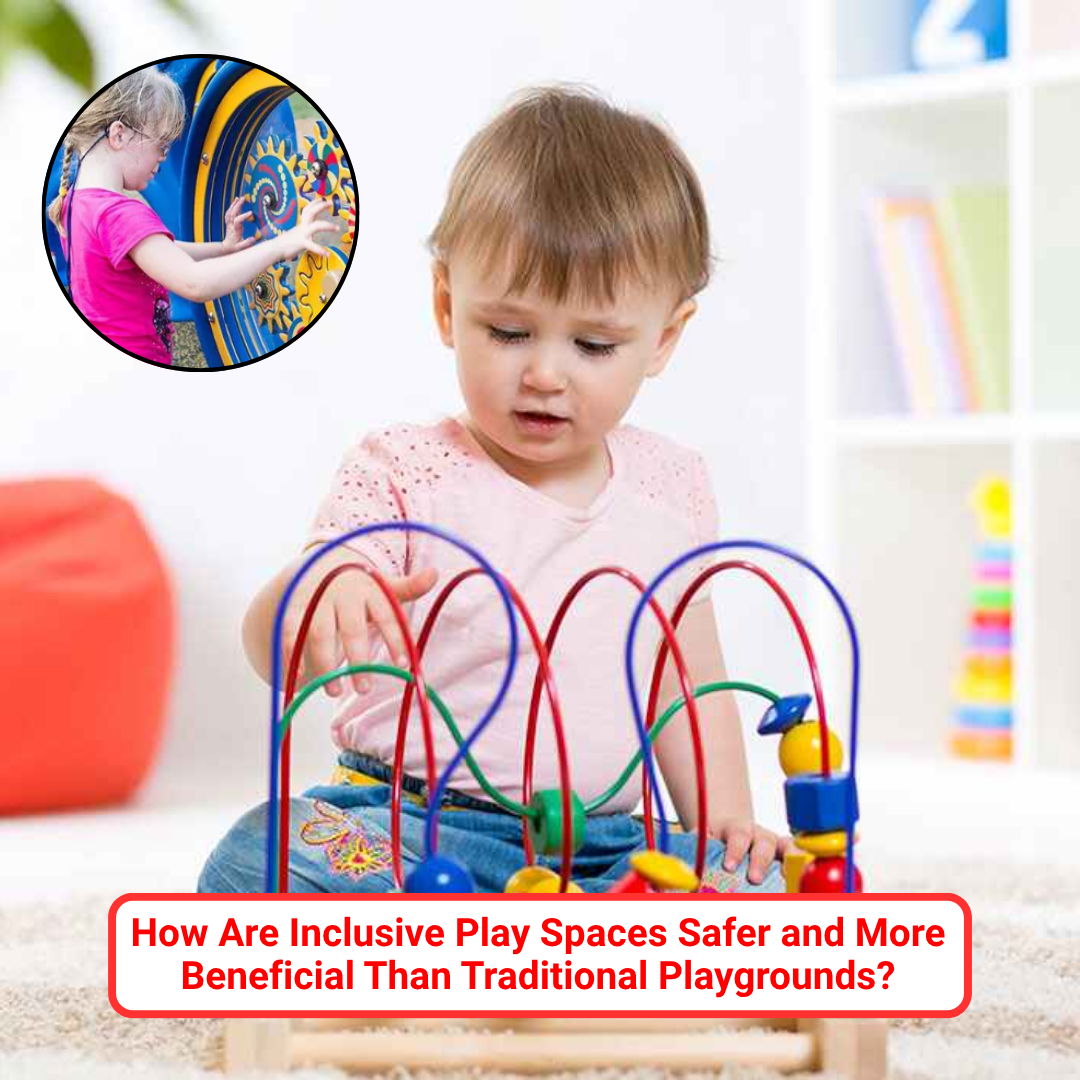
Inclusive play spaces offer advantages that extend beyond accessibility:
- Children of various skill levels should be encouraged to play together.
- Promote empathy, understanding, and social inclusion.
- Reduce physical barriers that may prevent participation.
- Support sensory regulation and emotional well-being.
- Improve confidence and independence.
- Create safer environments through accessible design principles.
- Offer varied play experiences that suit different learning styles.
- Encourage physical activity for children with diverse needs.
- Foster stronger friendships and community connections.
- Provide opportunities for collaborative and cooperative play.
- Support cognitive, emotional, social, and physical development simultaneously.
- Allow families with children of different abilities to enjoy shared experiences together.
Creating a truly inclusive environment requires thoughtful planning, but the long-term benefits make every effort worthwhile. Inclusive play equipment, including trampolines, can play an important role in supporting children’s development and demonstrate the positive effects of playground trampolines on children’s well-being, from building confidence to encouraging active, social play.
Conclusion
An inclusive play space is far more than a playground. It is an environment where every child feels valued, respected, and able to participate fully. By understanding different needs, designing accessible layouts, incorporating sensory-friendly features, and providing engaging activities, you can create a space that welcomes children of all abilities.
Features such as wider pathways, accessible equipment, sensory elements, adaptive toys, and inclusive trampolines help remove barriers and encourage meaningful play experiences. Brands like Supertramp continue to demonstrate how thoughtful play design can support children’s physical, social, and emotional development. Every parent should know that creating an inclusive environment goes hand in hand with understanding safe play practices, making a practical safety guide for parents an important part of ensuring children can play, explore, and develop with confidence.
When children play together regardless of ability, they learn acceptance, build confidence, and develop friendships that can last a lifetime. Creating an inclusive play space is not simply about accessibility, it is about ensuring every child has the opportunity to belong, explore, and thrive.