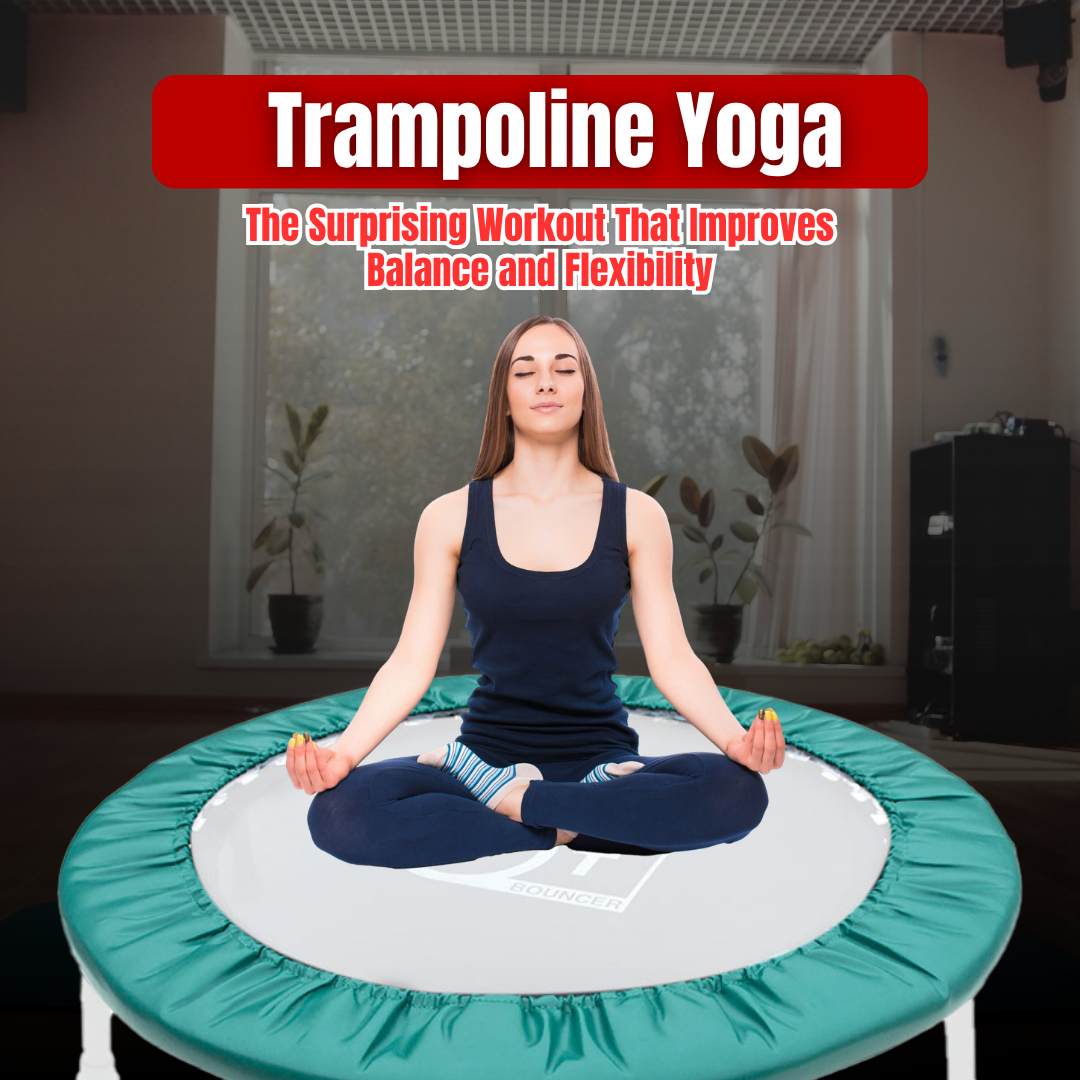
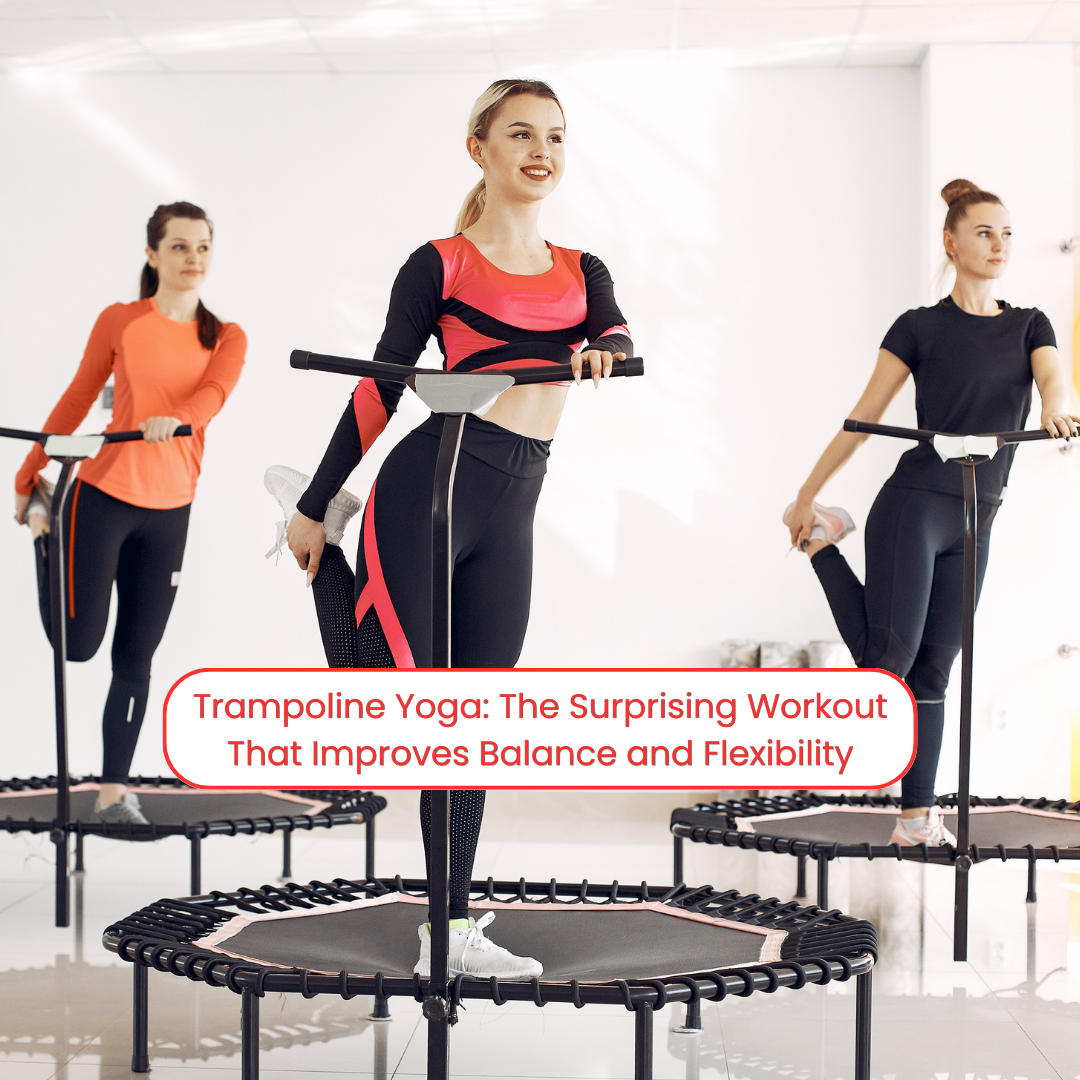
Does your workout routine feel harder on your joints than it does on your motivation? Many adults want to stay active, yet running, jumping, or intense gym sessions can leave knees aching and enthusiasm fading. This is where trampoline yoga begins to change the conversation. By combining gentle bouncing with familiar yoga poses, trampoline yoga offers a refreshing way to improve balance, flexibility, and light cardio without the heavy impact that traditional workouts often bring.

As more people search for low-impact fitness they can enjoy at home, this practice has quickly gained attention. It appeals to adults seeking joint-friendly exercise, yoga lovers craving something new, parents hoping to stay active with their children, and anyone tired of repetitive routines. In the sections ahead, you will discover everything you need to know about trampoline yoga and how it can turn everyday exercise into something both effective and genuinely enjoyable.
What Is Trampoline Yoga?
Garden trampoline yoga blends traditional yoga poses with controlled movement on a small trampoline or rebounder. The flexible surface changes how your body balances, which makes even simple poses more engaging and active.
Next, let’s explore the practical benefits that make trampoline yoga a favourite among many fitness enthusiasts.
Why Trampoline Yoga Is So Effective
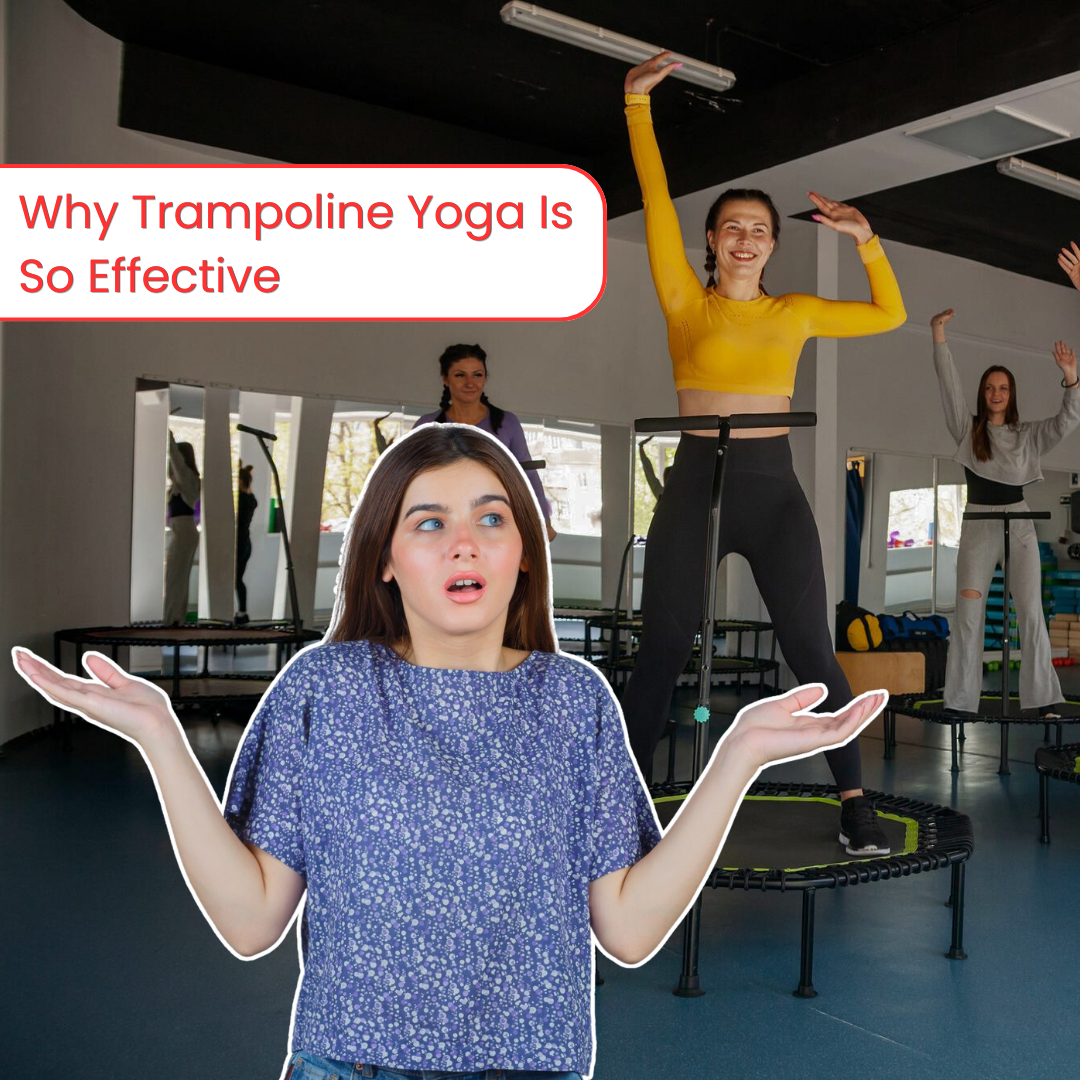
Once people try trampoline yoga, they quickly notice that the workout feels light yet surprisingly effective. The moving surface challenges the body in ways a normal yoga mat cannot. As a result, several health benefits appear naturally through regular practice.
Effective Cardiovascular Health
- Gentle bounce that raises the heart rate: Light bouncing during trampoline yoga keeps the body moving continuously. This steady motion supports heart health while staying far softer than running or jumping exercises.
Joint-Friendly Workout
- Reduced impact on knees and hips: The trampoline mat absorbs most of the shock from movement. Because of this cushioning effect, many adults find trampoline yoga far more comfortable than hard-floor workouts.
Safe for Recovery
- Helpful when returning to exercise: People easing back into fitness often choose trampoline yoga because the surface supports the body. Slow movements and controlled bouncing allow gradual progress without harsh strain.
Deepens Yoga Poses
- Better control and posture awareness: The slight movement of the rectangle trampoline forces the body to stabilise during poses. This encourages slower, more controlled positioning, which helps people refine their yoga technique.

Improves Flexibility and Balance
- Stability muscles stay active: Holding poses on a trampoline requires constant balance. Over time, muscles around the ankles, hips, and core become stronger, which naturally improves flexibility and stability.
Dynamic Mind–Body Connection
- Movement requires attention and rhythm: In trampoline yoga, every shift in weight changes the surface response. Practitioners must stay focused, which strengthens coordination between the mind and body.
Refined Core and Pelvic Floor Strength
- Core engagement happens naturally: The body instinctively tightens core muscles to stay balanced on the trampoline. This steady engagement helps strengthen abdominal and pelvic floor muscles during each session.
Beginner Friendly
- Simple poses still feel effective: Even basic movements such as gentle squats or balance poses become more engaging on a trampoline. Beginners often find this makes exercise feel achievable rather than overwhelming.
Space-Saving and Convenient
- Ideal for home fitness routines: Many rebounders take up very little space, making trampoline yoga easy to practise at home. A short session in the garden or living room can still provide a complete workout.
Safe Family Activity
- Encourages shared movement at home: Parents and children can practise simple trampoline yoga poses together. This turns exercise into a shared activity rather than a solo routine.
These benefits explain why trampoline yoga is gaining attention among people who want a fun and practical way to stay active. Next, let’s look at some beginner-friendly trampoline yoga poses you can start practising safely.
Best Trampoline Yoga Poses to Start With
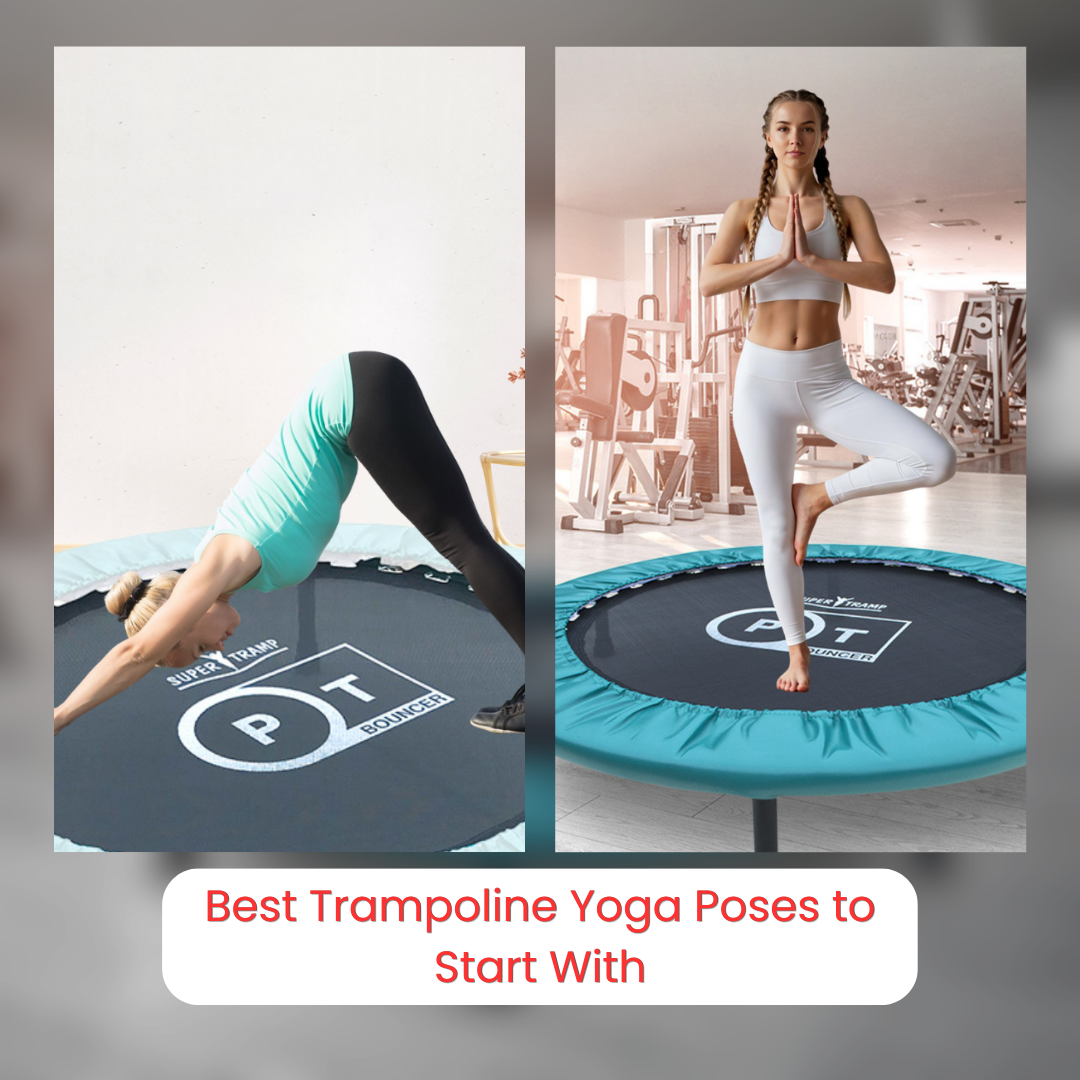
Once you understand the benefits of trampoline yoga, the next step is learning a few safe beginner poses. These movements help your body adapt to the moving surface while improving balance, strength, and flexibility. Start slowly and focus on steady control rather than speed.
Best trampoline for yoga: PT Bouncer™ Professional 40″ Fitness Rebounder
1. Table Top Pose
- Builds balance and body alignment: Place your hands and knees on the trampoline mat, keeping your back straight and core engaged. This simple pose helps beginners feel how the trampoline shifts under body weight.
- Practical tip: Keep your knees hip-width apart and move slowly. This helps your body adjust to the trampoline surface without losing stability.
2. Downward-Facing Dog
- Stretches the body while strengthening arms: Place your hands firmly on the mat and lift your hips upward to form an inverted “V” shape. On a trampoline, the slight movement encourages stronger arm and shoulder engagement.
- Practical tip: Press your hands evenly into the mat and keep your heels relaxed. Avoid rushing the pose so your balance stays steady.
3. Tree Pose
- Improves balance and posture control: Stand on one foot and place the other foot against your calf or thigh. On a trampoline, this pose challenges stability, which activates the core and ankle muscles.
- Practical tip: Fix your gaze on a stable point in front of you. This small trick helps maintain balance on the moving surface.
4. Bridge Pose
- Strengthens the glutes and lower back: Lie on your back with knees bent and feet flat on the trampoline mat. Lift your hips slowly while keeping your shoulders grounded to engage the glutes and core.
- Practical tip: Lift the hips gradually and avoid pushing too high. Controlled movement keeps the trampoline stable and helps you get the right trampoline spring bounce you want to deliver during the pose.
5. Savasana
- Encourages relaxation and body awareness: Lie flat on the trampoline mat with arms relaxed by your sides. The gentle movement of the mat often helps the body release tension after active poses.
- Practical tip: Focus on steady breathing. This allows the body to settle and recover after the session.
6. Yogi Squat (Malasana)
- Strengthens legs and opens the hips: Stand with feet slightly wider than shoulder width and slowly lower into a deep squat. The trampoline surface makes the muscles around the ankles and hips work harder to stabilise the body.
- Practical tip: Keep your chest upright and move slowly when lowering or rising. This prevents sudden shifts in balance.
These beginner poses make trampoline yoga easier to learn while building strength and coordination. Before practising regularly, however, it is important to understand a few key safety tips that help you exercise confidently and avoid unnecessary strain.
Safety Tips for Practising Trampoline Yoga
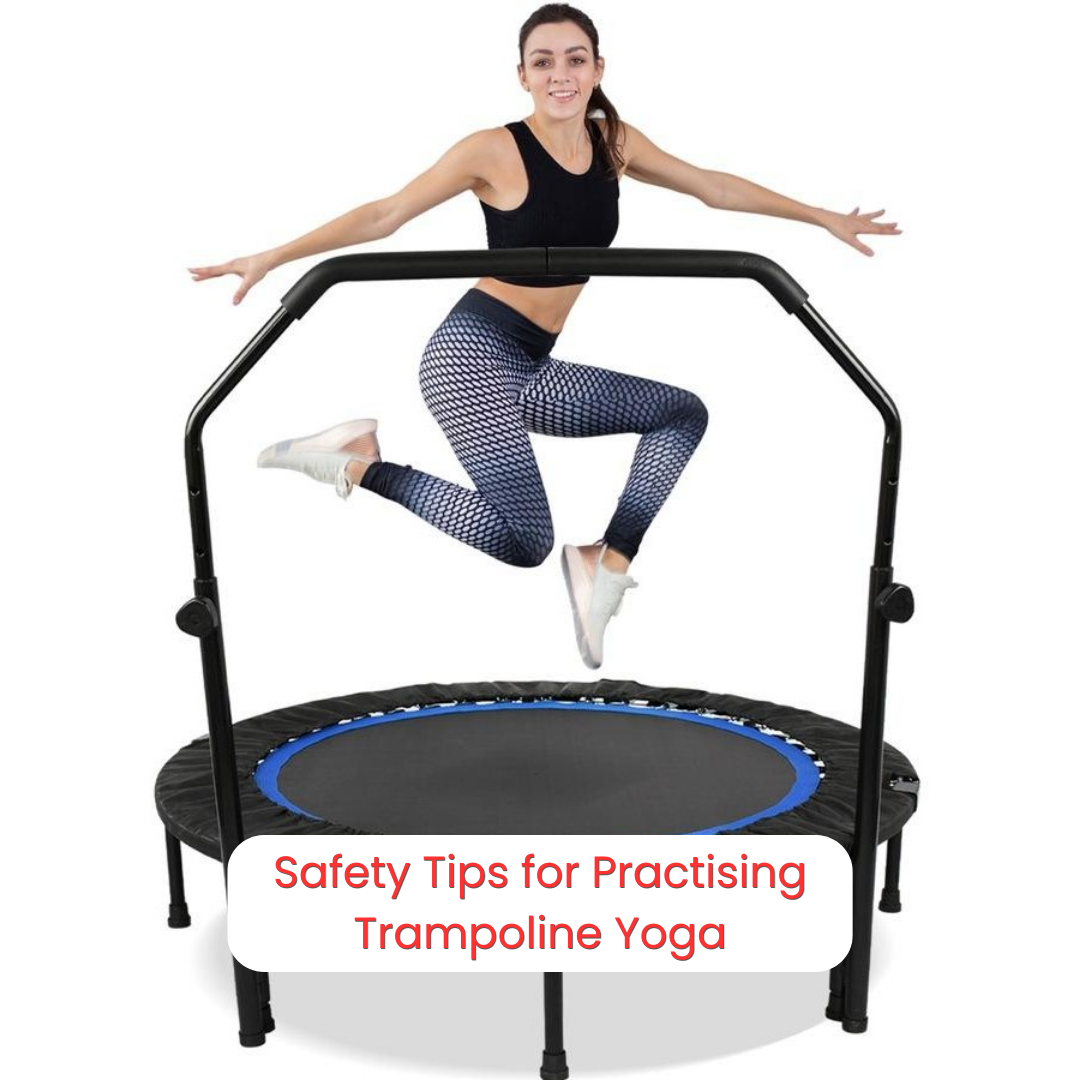
Before starting trampoline yoga, it helps to prepare your space and body properly. A few simple precautions make the workout safer and more comfortable, especially for beginners. The checklist below highlights practical steps that help you practise with better stability and confidence.
1. Use Safety Gear
If you are new to trampoline yoga, start with a mini trampoline that includes a stability trampoline handlebar. This support helps maintain balance while learning poses and reduces the chance of sudden slips.
2. Wear Grip Socks
Non-slip grip trampoline socks improve traction on the trampoline mat. They prevent the feet from sliding and allow better control when shifting weight during yoga poses.