A garden with a play area acts like a magnet not only for gadget-glued Minions (children), but for worn-out grown-ups too. It gives families a reason to step outside, put their screens aside for a while, and connect. It becomes the go-to spot for laughter, family chats, random games, and even a little peace when you need it most.
But not every garden is built to be playful. And not every play area keeps your children hooked for more than a week. That’s why you want something long-lasting, something that adds energy and charm to your outdoor space… something that grows with your family.
After over a decade of helping families transform their gardens, we’ve seen one thing do this better than anything else: Setting a trampoline in a garden. It’s fun, safe, and doubles up as fitness gear and an imagination booster. But more than that, it blends beautifully into almost any layout, making your garden look more alive, not cluttered.
So if you’ve been wondering how to build a garden with play area that works for your space, budget, and children, this blog is your starting point. We’ll walk you through the exact steps, from picking the right spot to turning it into a garden that’s not just child-friendly, but family-approved.
Step 1: Planning the Perfect Play Spot
Before you start buying anything, clarify the basics. Good planning means fewer regrets and mistakes, less waste of resources and time, and a garden with a play area that fits into your space and your family.
1. Pick the Right Spot in Your Garden
Look for a flat area, an open patch that’s easy to keep an eye on, has enough space, and ideally is visible from your house or kitchen window. Avoid corners with low branches or fences too close to the edge, and choose an area where proper sunlight comes.
2. Clear the Area Properly
Remove all rubbish from the garden, such as pebbles, fallen branches, weeds, and gardening tools. A clean base not only makes trampoline installation easier but also avoids injuries or maintenance headaches in future.
3. Design a Simple Layout
Map out the play area before placing anything. Pencils and sketches work fine, or use a free garden planning app. Try to keep things flexible: maybe a bounce soft play zone in the centre, flower beds along the fence, and a soft seating area to the side. This helps avoid overcrowding the area and makes future updates easier.

4. Prepare the Ground Level
Use soft soil or children’s play sand to level any uneven area. A level base keeps your trampoline stable and prevents wobbly bouncing, which can lead to damage or accidents.
Once you’ve planned and prepped the area, it’s time to bring your garden with a play area to life. Let’s move on to getting the right trampoline and add-ons to make it fun, safe, and exciting from day one.
Step 2: Organising Your Resources
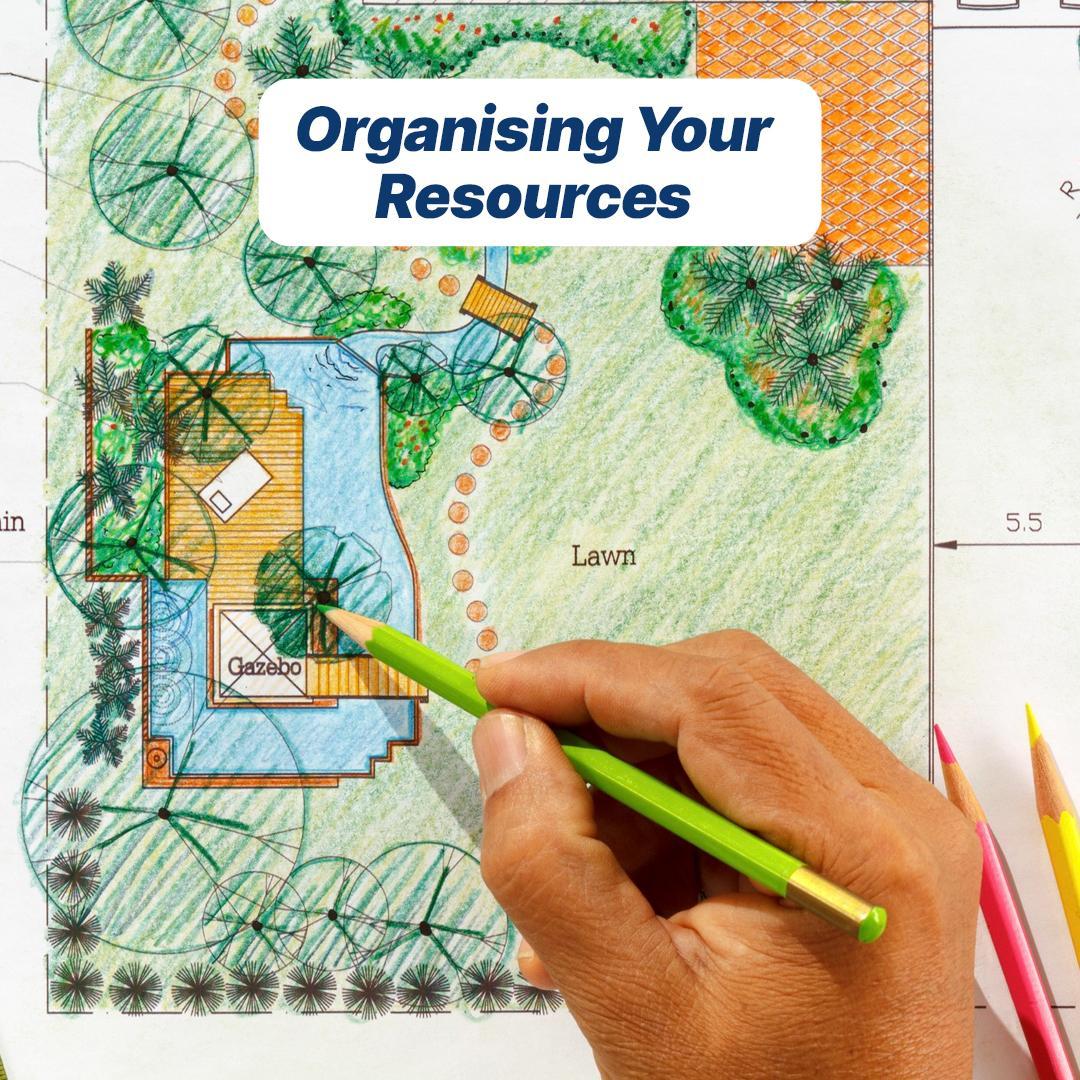
It’s time to bring in the appropriate equipment now that your space has been determined. Getting this part right ensures your garden with play area isn’t just functional, but safe and enjoyable every time your children step out.
1. Measure Your Garden, Then Order
Start by measuring your garden area properly. Use a measuring tape for that. Match those measurements to the trampoline size and select one that fits well without affecting the walkways, flower beds or any other element.
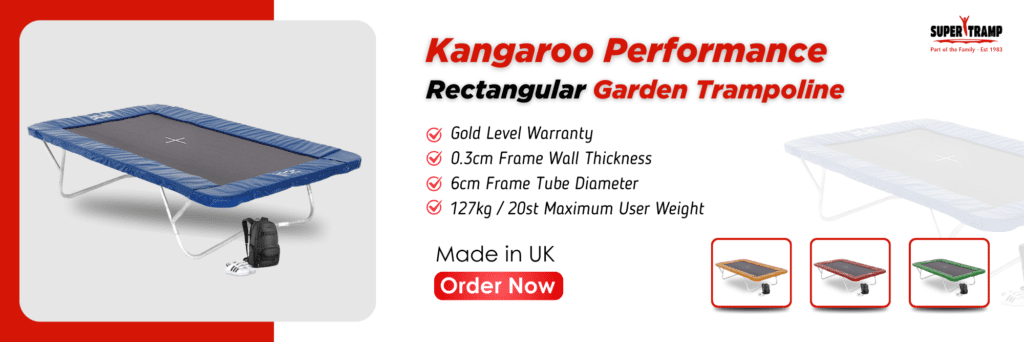
Being a specialist in the industry, we will prefer a round trampoline if you have a smaller garden. And if you have more space, rectangular ones will give more bounce.
2. Choose Add-ons That Upgrade Play
To keep the fun going, consider choosing add-ons practically. Here are some amazing add-on options you can consider:
- Basketball hoops and trampoline scooters provide a bounce exercise with some variation.
- For easy access to the trampoline, opt for a simple, sturdy trampoline ladder or consider adding a fun slide for an extra playful touch.
- For summer months, add water sprinklers for cool-down play.
- Use solar fairy lights to brighten up the space in the evenings.
Choose accessories that match your child’s interests and the space you’ve already laid out.
3. Read, Sort, and Build
Before beginning to install your chosen trampoline, spend some time reading the instruction handbook.
Every trampoline from Super Tramp Trampoline, whether it’s an in-ground or an above-ground rectangular trampoline, comes with an installation manual which clearly defines how to install the trampoline easily.
4. Don’t Skip the Safety Gear

Order all the must-have safety accessories at the same time as your trampoline to avoid delays. You’ll need:
- A trampoline safety net to avoid falls
- Trampoline socks with grip to prevent slips
- A weather cover to protect it from rain or sun damage
- And an anchor kit to secure it during strong winds
These essentials make the play area safer and protect your investment long-term.
Once your trampoline is up and ready, it’s time to shift your focus to keeping things safe, not just day one, but every day. Let’s look at the key safety checks that should never be missed.
Best Trampoline Which is Built for Your Garden With a Play Area
- 10ft Gallus Flat Playground Trampoline (inc VAT)
- Orbit Pro 10ft Trampoline
- Orbit 11ft x 8ft In-ground Trampoline
- Playground Trampoline – Walk 300
Step 4: How to Add the Magical Touches
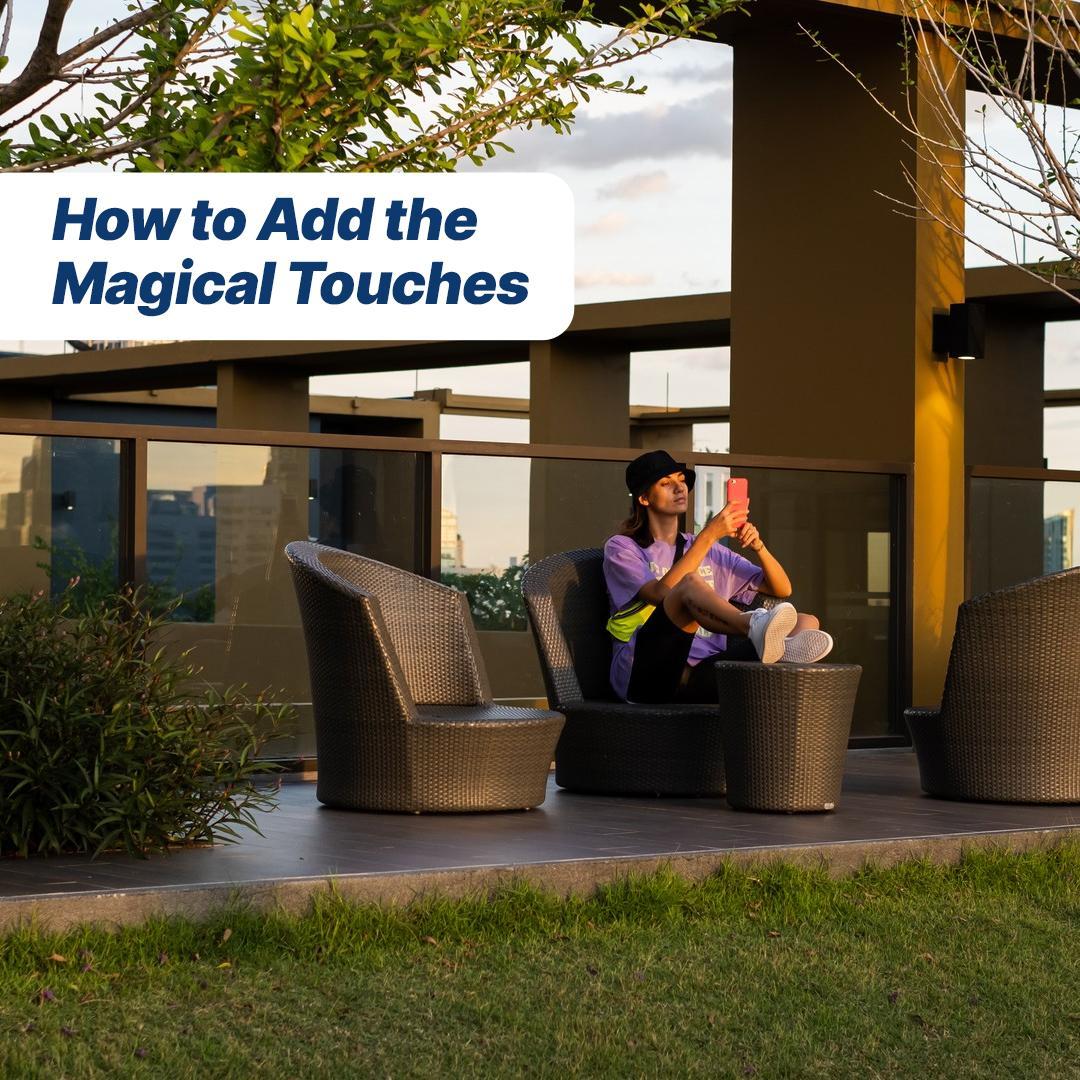
Now that we are done with the basic preparations, it’s time to add some finishing touches that bring life and energy to your garden with play zone.
1. Brighten Up Your Garden with Natural Colours
Plant flowers along the fence or near the trampoline area. Use low-maintenance shrubs, seasonal flowers, and fresh green grass to add colour and softness to the space. This helps the garden look playful without affecting the main play area.
2. Add a Rest Spot for You
Place a wooden bench or a small garden sofa near the trampoline. Choose a shaded spot if possible, or you can add a simple garden umbrella. This gives parents a comfortable place to sit and de-stress while keeping an eye on the children.
3. Leave Some Open Space for Flexible Play
Not every corner needs to be filled. Keep a small space open for activities like chalk art, a picnic blanket, or even football goals. Children often turn blank spaces into games of their own, and that’s where real play begins.
4. Use Soft Borders and Edging
Add natural borders around the play area using wood, stones, or rubber edging. It keeps things neat & clean and helps separate the trampoline zone from garden plants or furniture, reducing trip risks.
5. Keep Things Safe but Fun
Avoid using hard surfaces like concrete or stone under or around the trampoline. Stick to soft turf, rubber mats, artificial green grass, or mulch where needed. This makes the space safer without limiting how children use it.
With these finishing touches, your garden transforms into more than just a play space; it becomes a well-balanced area that invites fun, rest, and creativity.
Conclusion
Transforming your garden into a playful space is more than just an upgrade; it’s an investment in your child’s everyday joy. In this blog, we explored how to design a garden that’s fun, functional, and family-friendly. From planning the layout and placing your Super Tramp Trampoline, to adding safety elements and playful details, every step brings you closer to a garden your children will love.
By using a trampoline as the centrepiece, you create a high-energy zone that encourages movement, laughter, and outdoor time. It’s simple, practical, and a great way to make use of your outdoor space.
Ready to give your children the ultimate garden playground? Start with a Super Tramp Trampoline; the fun begins the moment you set it up. Let’s bounce into better play, one jump at a time.