

Ever jumped on an inground trampoline right after eating something heavy? The excitement fades quickly when your stomach feels full, slow, or uncomfortable. Trampolining demands energy, balance, and freedom of movement, yet many people overlook one simple factor that can make or break their experience: what they eat beforehand.
Whether you are visiting a trampoline park with friends, planning a family day out, or enjoying a fitness bounce session, the right food can transform how you feel while jumping. Light, energising meals help your body move freely, maintain stamina, and keep your mind focused on fun rather than discomfort.
This blog explains what to eat before bounce sessions and which foods to avoid. You will discover simple meal ideas that boost energy, support digestion, and help you enjoy every jump with confidence and comfort.
25 Tasty Pre-bounce Meals to Fuel Your Energy
Choosing the right pre-bounce meal can make a huge difference to how your body performs. Ideally, your food should be light, nutritious, and easy to digest while still giving you enough energy for physical activity. Below are meal categories that support stamina, hydration, and comfortable movement before jumping.
Hydrating Meals
Hydration is essential before any physical activity, including above ground trampoline bouncing. Meals with water-rich ingredients keep your body refreshed and help prevent fatigue during active play.

1. Fruit Salad
A colourful bowl of mixed fruits such as apples, bananas, berries, melon, and grapes creates a refreshing pre-bounce snack. These fruits provide natural sugars, hydration, and essential vitamins that offer light, quick energy without making the body feel heavy.
2. Coconut Water
A chilled glass of natural coconut water works as an excellent hydrating drink before physical activity. It contains natural electrolytes such as potassium and magnesium that help maintain stamina and keep the body refreshed during energetic trampoline yoga or bouncing sessions.
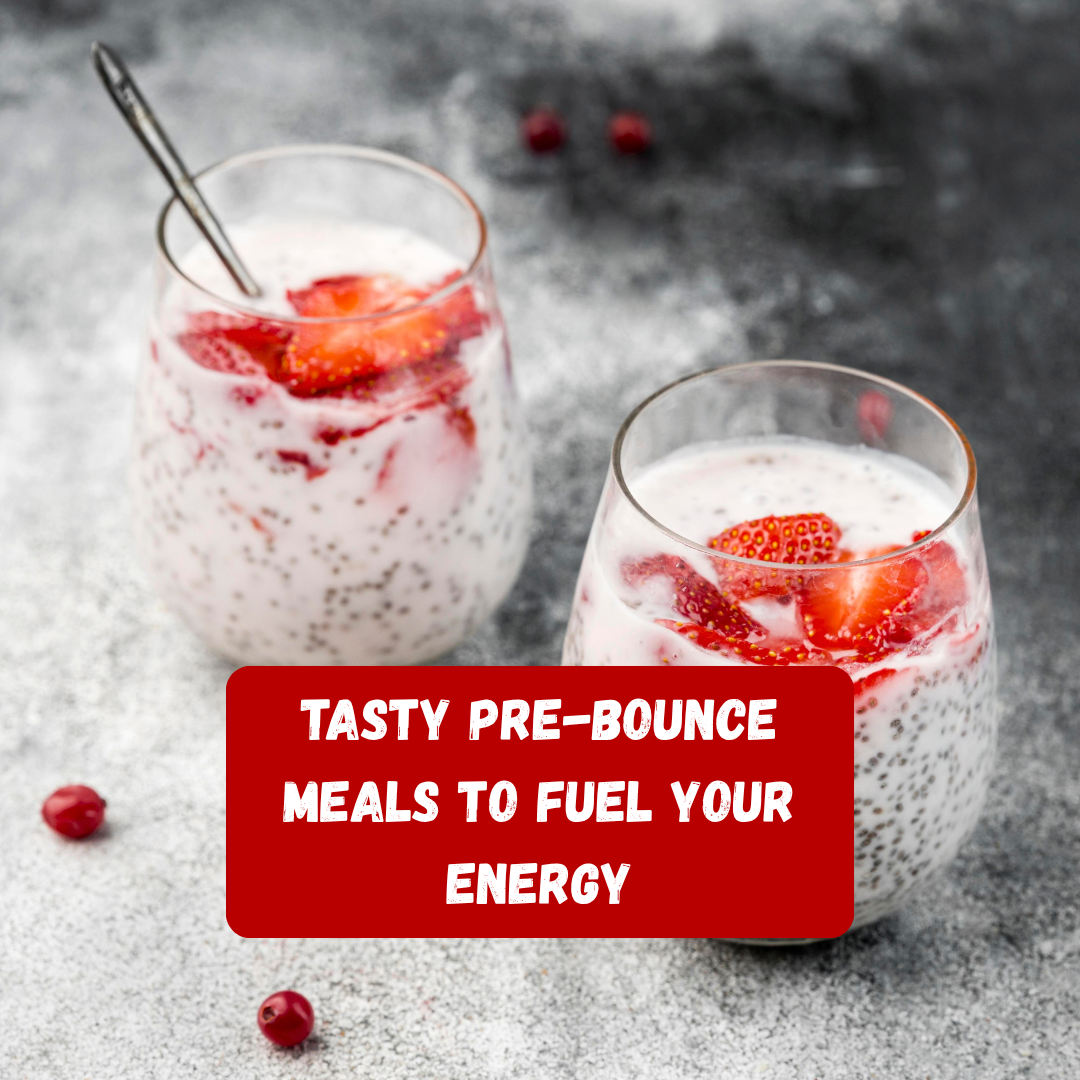
3. Strawberry Smoothie
A creamy strawberry smoothie prepared with fresh strawberries, yoghurt or milk, and a few oats or honey creates a nutritious drink. It provides hydration, natural sugars, and vitamins that help boost energy levels and mental alertness before activity.
4. Lemon Water with Honey
A glass of warm lemon water mixed with a spoon of honey offers simple yet effective pre-activity hydration. Lemon refreshes the body, while honey supplies natural glucose that gives the body a gentle and quick energy boost.
5. Almond Milk with Chia Seeds
A nutritious drink made with almond milk and soaked chia seeds offers hydration along with fibre, omega fatty acids, and essential nutrients. This combination supports balanced energy and keeps the body feeling light yet nourished.
Protein Meals
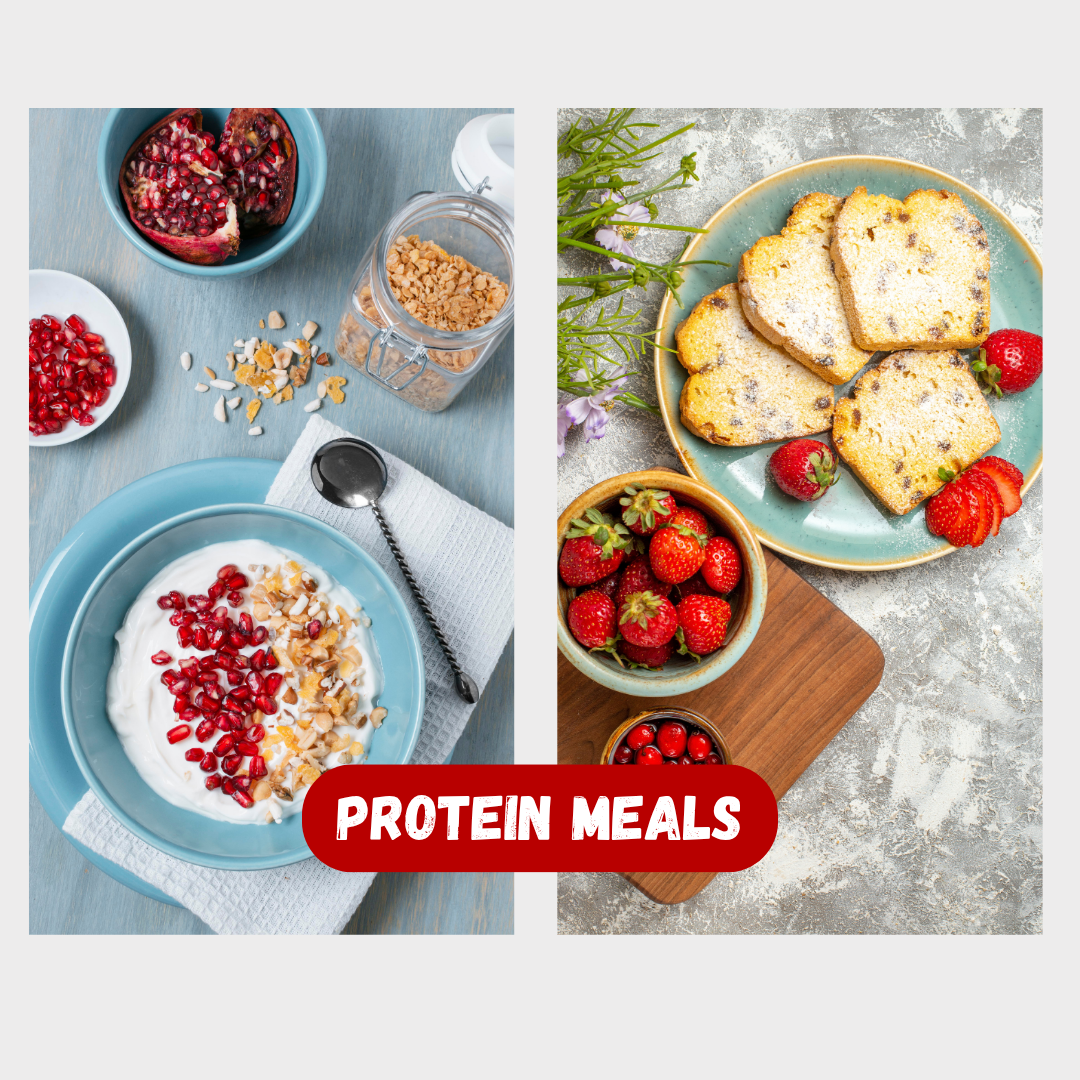
Protein supports muscle movement and helps maintain endurance during active bouncing. Light protein meals keep you energised without making you feel heavy.
6. Greek Yoghurt Bowl
A bowl of thick Greek yoghurt topped with oats, mixed berries, almonds, and a drizzle of honey creates a well-balanced snack. The yoghurt provides protein, the oats supply fibre and carbohydrates, and the berries add natural sweetness and vitamins.
7. Whole wheat Cottage Cheese Toast
Crispy whole wheat toast layered with creamy cottage cheese and topped with sliced fruits or vegetables forms a balanced meal. Cottage cheese offers protein, while whole grains provide complex carbohydrates that help maintain steady energy.
8. Egg Tortilla
A soft whole wheat tortilla filled with scrambled eggs, mashed avocado, and fresh vegetables such as spinach or tomatoes creates a satisfying pre-bounce meal. Eggs provide protein, avocado adds healthy fats, and the tortilla supplies slow-release carbohydrates.
9. Tofu stir-fry Rice
A bowl of tofu stir-fried with colourful vegetables such as bell peppers, broccoli, carrots, and beans, served with brown rice, makes a wholesome plant-based option. Tofu adds protein, while brown rice provides complex carbohydrates that support stamina.
10. Egg Vegetable Toast
A fluffy omelette made with eggs, onions, tomatoes, spinach, and peppers paired with whole-grain toast creates a nourishing meal. Eggs deliver protein, and vegetables provide vitamins that help the body stay energised.
Natural Energy Meals
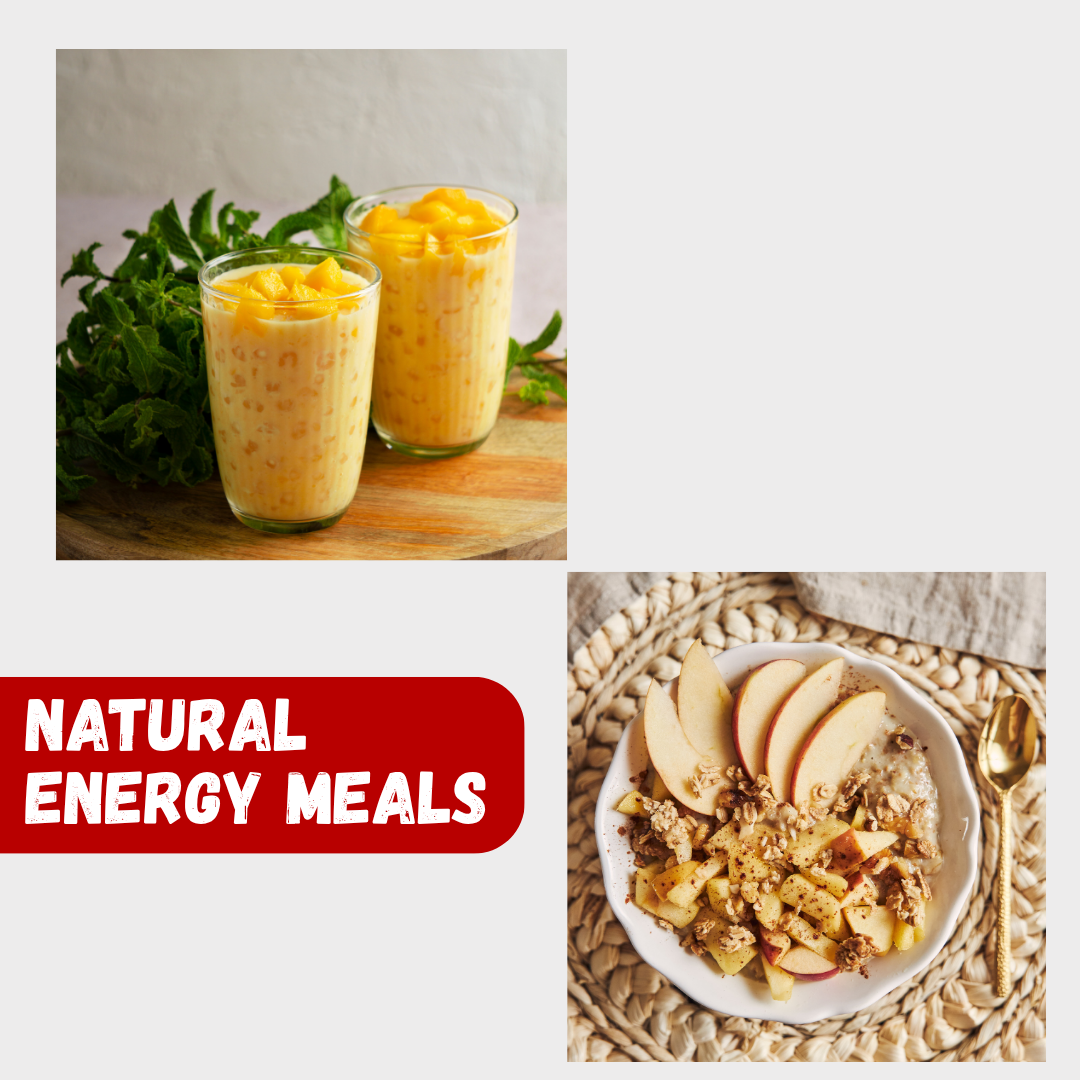
Natural sugars from fruits and whole foods provide quick yet stable energy that helps you stay active while bouncing.
11. Date and Almond Yoghurt Bowl
A creamy yoghurt bowl topped with chopped dates, roasted almonds, and a sprinkle of seeds offers a delicious balance of taste and nutrition. Dates supply quick natural sugars, while yoghurt and almonds add protein and healthy fats.
12. Honey Whole Wheat Pancakes
Soft pancakes prepared with whole wheat flour, eggs, and milk and lightly drizzled with honey make a comforting pre-activity meal. Whole grains provide complex carbohydrates, while honey delivers natural sweetness and quick fuel.
13. Apple Cinnamon Oatmeal
A warm bowl of oatmeal cooked with milk and topped with chopped apples, cinnamon, and a few nuts provides steady energy. Oats release carbohydrates slowly, while apples add natural sugars and flavour.
14. Mango Yoghurt Smoothie
A thick smoothie bowl made by blending ripe mango with yoghurt and topping it with granola, nuts, and seeds offers a refreshing yet nourishing option. The fruit provides vitamins, yoghurt adds protein, and granola brings fibre and crunch.
15. Raisin Granola with Milk
A bowl of crunchy granola mixed with raisins and served with milk creates a simple but nourishing pre-activity snack. Raisins provide natural sweetness, while granola and milk supply fibre, protein, and steady energy.
Slow-Release Energy Meals
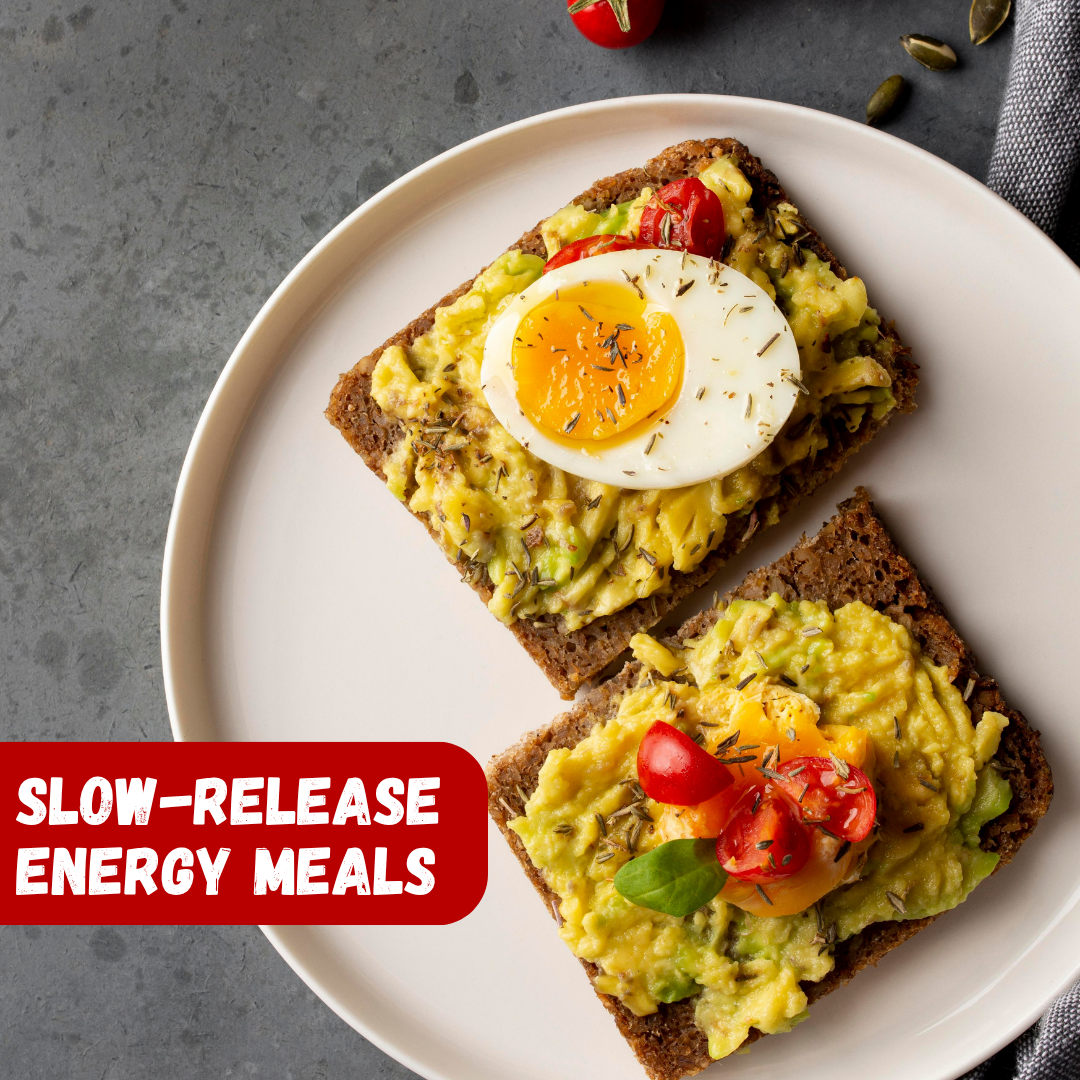
These meals contain complex carbohydrates that release energy gradually, helping you stay active throughout your trampoline jumping session.
16. Avocado and Egg Whole-grain Toast
Whole-grain toast topped with mashed avocado and sliced boiled or poached eggs creates a nutritious and filling meal. Whole grains provide slow-release energy, while eggs and avocado add protein and healthy fats.
17. Almond Butter Smoothie Bowl
A smoothie bowl blended with bananas, oats, milk, and almond butter and topped with seeds or berries offers a rich and satisfying option. Oats provide steady carbohydrates, while almond butter adds healthy fats and flavour.

18. Whole-grain Toast with Almond Butter
A slice of toasted whole-grain bread spread with creamy almond butter forms a quick and nutritious snack. The whole grains provide sustained carbohydrates, while almond butter supplies healthy fats and protein.
19. Avocado Vegetable Wrap
A whole grain wrap filled with avocado, lettuce, cucumber, grated carrots, and tomatoes served with a light yoghurt dip creates a balanced meal. It delivers carbohydrates, fibre, and nutrients without feeling overly heavy.
20. Nut Butter Granola Bowl with Yoghurt
A bowl of thick yoghurt topped with granola, a spoonful of peanut or almond butter, and sliced fruits offers a balanced mix of protein, fibre, and healthy fats that help maintain stable energy levels.
Healthy Fats Meals
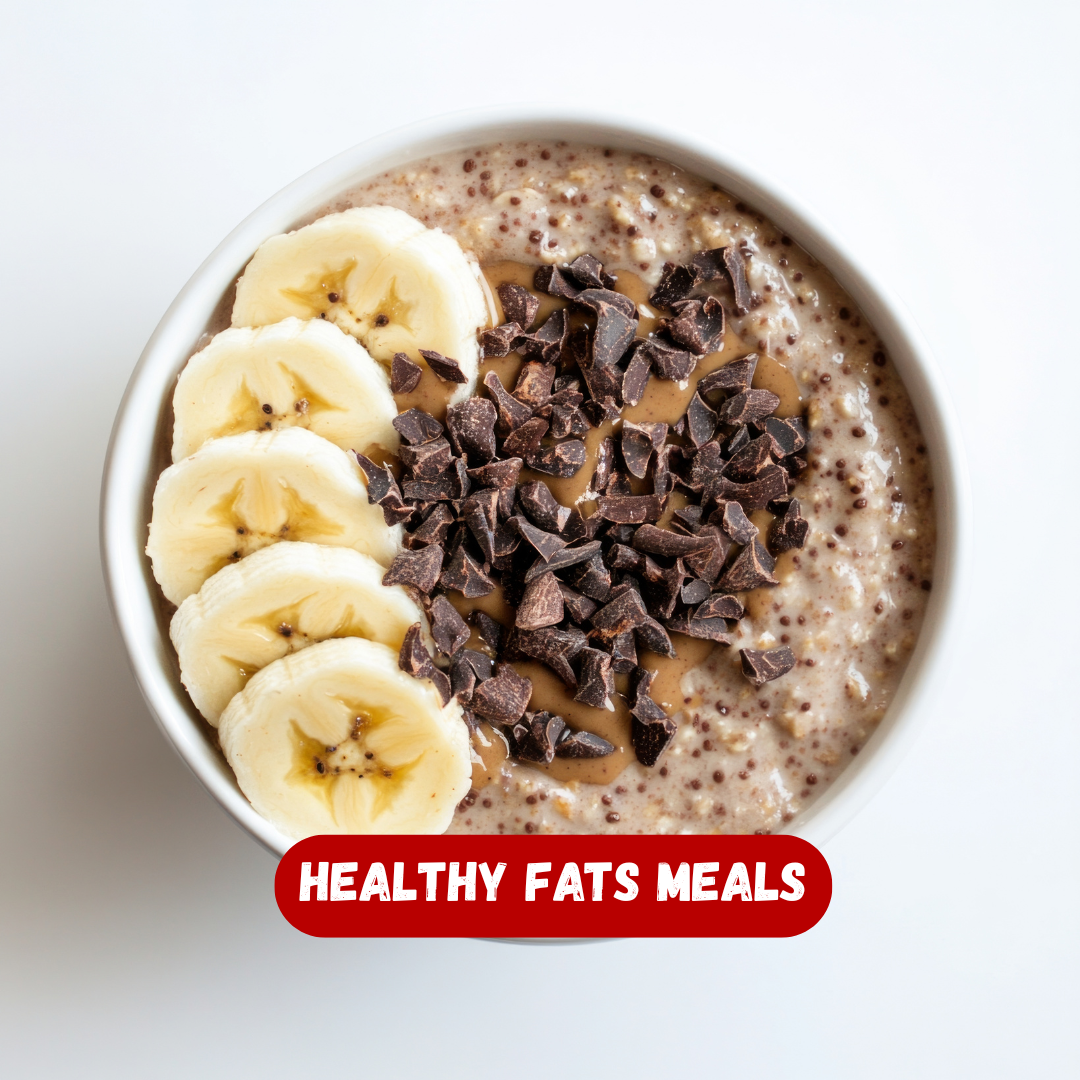
Healthy fats help sustain energy and support overall stamina during active play.
21. Sweet Potato and Egg Bowl
A hearty bowl made with roasted sweet potato cubes, scrambled or boiled eggs, and fresh greens provides both nutrition and flavour. Sweet potatoes supply complex carbohydrates, while eggs add protein.
22. Granola Yoghurt Bowl with Fruit
A layered bowl of creamy yoghurt, crunchy granola, and fresh fruits such as strawberries, bananas, or blueberries offers a refreshing and balanced snack rich in fibre and natural sugars.
23. Whole-grain Cereal with Kiwi
A bowl of whole-grain cereal served with milk, chopped nuts, and slices of kiwi creates a nutritious start. It provides carbohydrates, healthy fats, vitamins, and hydration.
24. Whole-grain Couscous Bowl
A Mediterranean-style bowl made with fluffy whole grain couscous, chickpeas, olives, cucumbers, tomatoes, and a drizzle of olive oil offers fibre, plant protein, and healthy fats.
25. Dark Chocolate Oatmeal Bowl
A warm bowl of oatmeal topped with small dark chocolate pieces, nuts, and banana slices creates a comforting yet energising snack. Oats provide slow-release energy, while dark chocolate adds antioxidants and a mild energy lift.
Energy-draining Foods You Should Avoid Before Bouncing
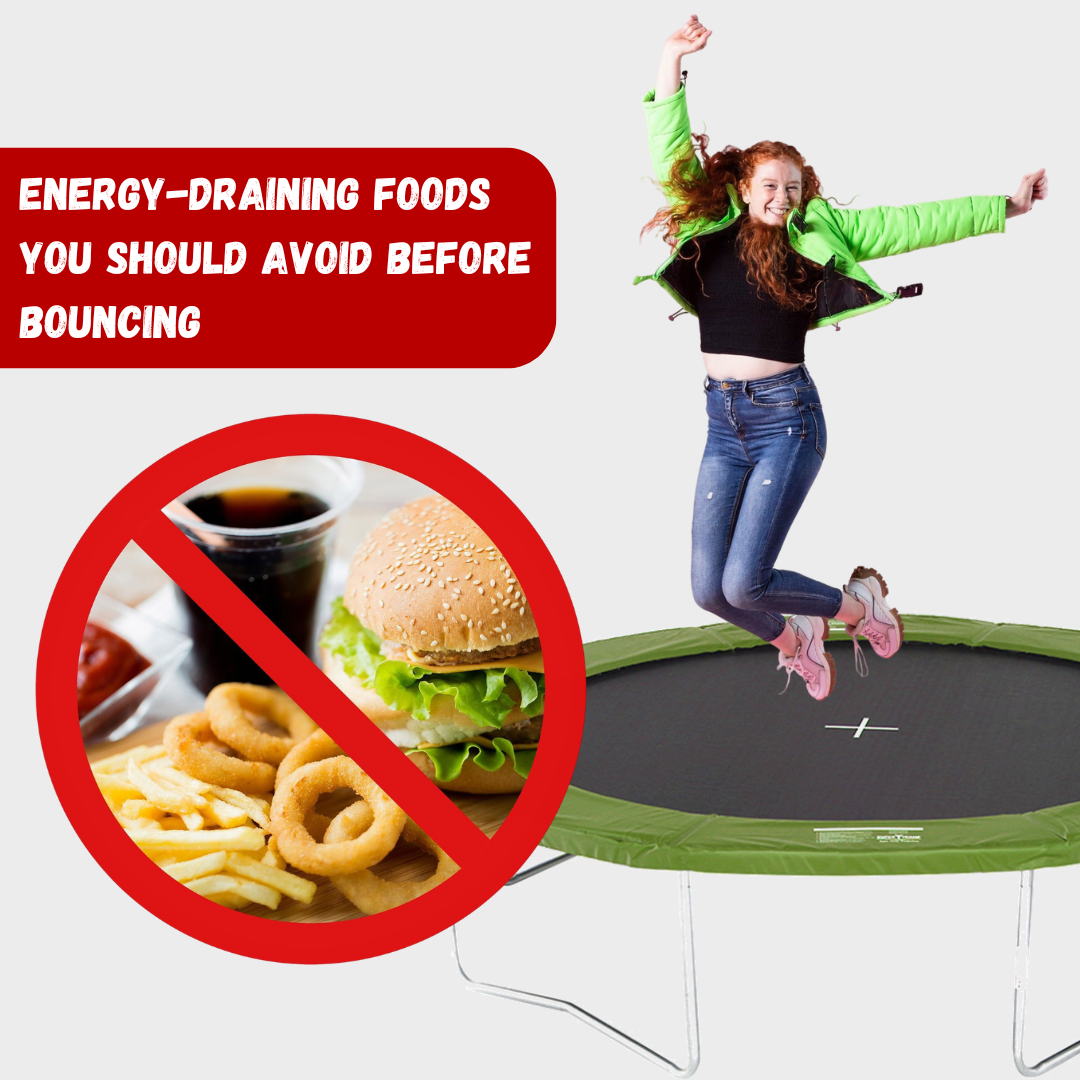
Some foods can make bouncing uncomfortable, slow digestion, or cause energy crashes. Avoiding them helps ensure a smooth and enjoyable rebounder session.
1. Greasy and Fried Foods
Greasy foods contain heavy oils and fats that slow digestion and can make physical movement uncomfortable.
- Fried chicken: Heavy oils slow digestion and make bouncing uncomfortable.
- French fries: Greasy foods can cause sluggishness and stomach discomfort.
- Deep-fried snacks: Excess oil can make the stomach feel sluggish.
- Bacon sandwiches: Fatty foods may lead to stomach discomfort during activity.
- Sausages: High-fat meats digest slowly before exercise.
- Butter-loaded popcorn: Greasy snacks can upset the stomach during movement.
- Packaged fast food meals: Heavy oils reduce energy efficiency for activity.
2. Heavy and Creamy Meals
Creamy foods often contain dense dairy and fats that digest slowly.
- Cream-filled pastries: Rich cream can create stomach heaviness.
- Creamy soups: Dense dairy soups may feel heavy during movement.
- Cheesecake: A Dense dairy dessert digests slowly before activity.
- Ice cream: Cold dairy and fat may upset the stomach while jumping.
- Creamy mashed potatoes: Dairy-rich foods slow digestion.
- Heavy lasagne: Layers of cheese and sauce can cause stomach fullness.
- Butter chicken with rice: Rich sauces may feel heavy during movement.
3. High-Sugar Foods
Too much sugar may give quick bursts of energy followed by sudden fatigue.
- Doughnuts: High sugar and oil create unstable energy levels.
- Candy bars: Excess sugar gives short bursts of energy only.
- Sugary breakfast cereals: Rapid sugar spikes can reduce endurance.
- Sugary biscuits: Refined sugars cause quick energy drops.
- Syrup-loaded pancakes: Too much sugar may cause fatigue during activity.
- Sugary soda floats: Sugar overload combined with gas causes discomfort.
- Large desserts: Heavy sugar content disrupts steady energy.
4. Carbonated and Sugary Drinks
Fizzy and sugary drinks may cause bloating, dehydration, or energy crashes.
- Carbonated soft drinks: Gas may cause bloating while jumping.
- Energy drinks: High caffeine and sugar may cause jitters.
- Sugary soda: Excess sugar can create energy fluctuations.
- Fizzy fruit drinks: Carbonation may cause stomach discomfort.
- Bottled lemonade: High sugar content may cause sudden energy spikes and crashes.
- Sweet bottled iced tea: High sugar may lead to sudden fatigue.
- Sugary sports drinks: Excess sugar may create unstable energy levels before activity.
5. Very Spicy Foods
Spicy meals can irritate the stomach or cause heartburn during movement.
- Spicy curry: Strong spices can lead to stomach irritation.
- Spicy noodles: Heat and oil may cause discomfort while bouncing.
- Chilli-loaded street food: Excess spice can cause heartburn during activity.
- Hot wings: Spicy fried foods may upset the stomach.
- Spicy chips: Seasonings may irritate the stomach before exercise.
- Large portions of rice meals with rich gravy: Heavy meals cause sluggishness.
- Spicy tacos with hot salsa: Hot peppers may cause digestive irritation during movement.
6. Large or Heavy Meals
Overeating before bouncing can make the body feel slow and uncomfortable.
- Large steak meals: Heavy protein takes longer to digest.
- Large bowls of pasta: Heavy carb meals slow movement comfort.
- Large cheese sandwiches: Too much cheese can cause heaviness.
- Heavy pizza with extra cheese: Fat-rich meals slow digestion.
- Big buffet-style meals: Overeating reduces comfort while bouncing.
- Big fast food meals: Large portions make physical activity difficult.
- Heavy multi-course meals: A Full stomach makes bouncing uncomfortable and tiring.
Conclusion
The right food before a bounce session can transform your entire experience. Light meals that combine hydration, protein, natural carbohydrates, and healthy fats prepare your body for movement, stamina, and comfort. Options like yoghurt bowls, oatmeal, fruit smoothies, and whole-grain meals provide balanced energy that supports active play.