When winter rolls in across the UK, most trampolines end up forgotten under layers of frost, like a summer memory tucked away too soon. But if you’re wondering what to do with trampoline in winter, then here we are to help you. Many families face the same question every year: should we pack it up, cover it, or can it still be used safely? After a decade in the trampoline industry, we’ve known what kind of winter mistakes people usually make and have analysed what truly works. So, in this blog, we’ll guide you through the smart, simple options and steps to keep your trampoline protected, ready, and full of fun all winter long.

Option 1 – Winter Trampoline Workouts
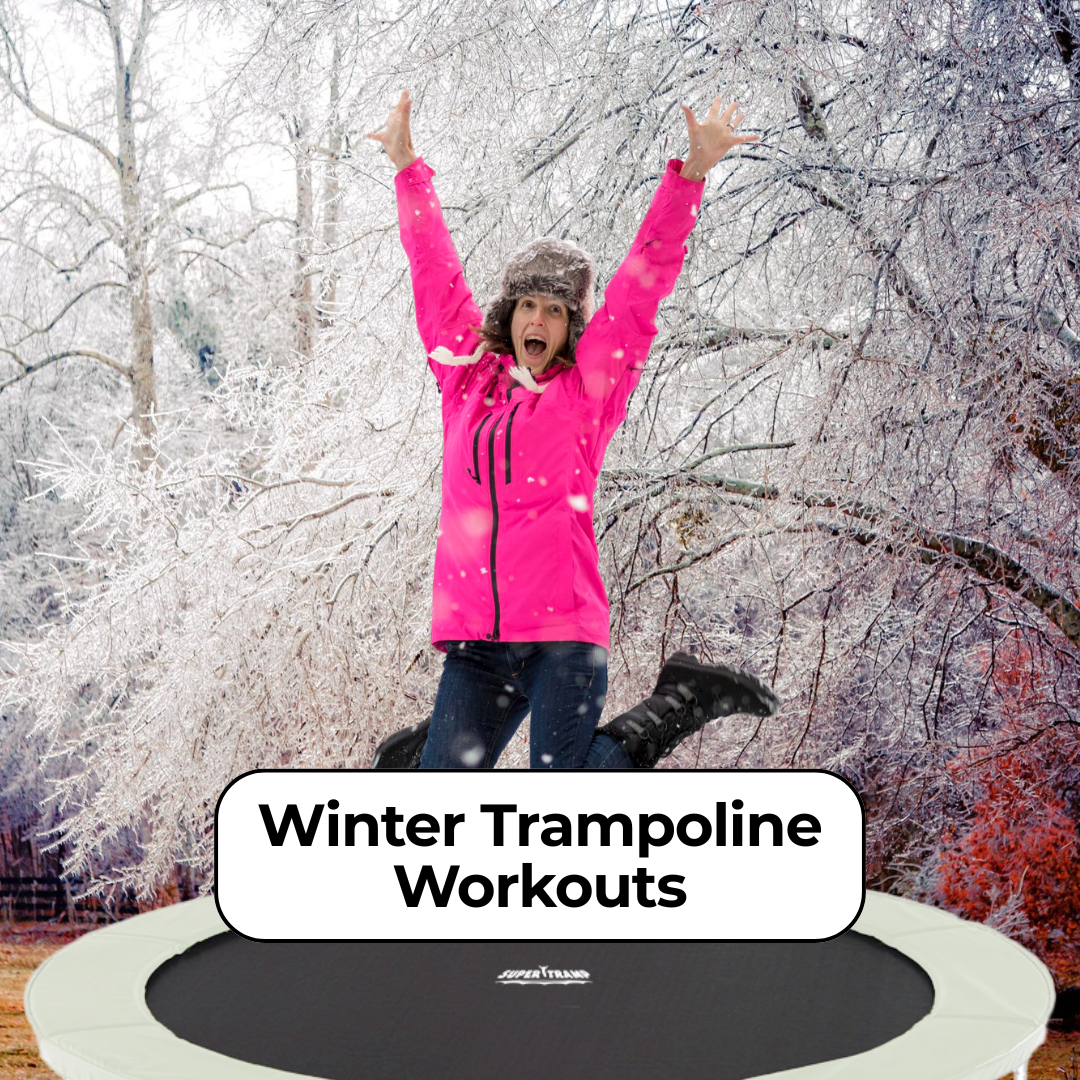
Winter coming never meant that now you have to pack your garden trampoline and wait until the summer comes to take it out. Winter can still be active if you know how to use the trampoline in the winter and how to use it safely. This option is for those who love trampoline workouts and want to continue that in winter also.
Benefits of Winter Workouts
- Winters bring shorter days, lots of food cravings and laziness. This usually slows us down, but when it comes to the trampoline, it can also help you keep in shape during the winter.
- Fitness trampoline winter workouts warm up the body, get children burning off some energy, and give families a reason to go outside, even for a few minutes.
Before you consider closing your trampoline for the next couple of months, always remember that knowing what to do with your trampoline during winter means knowing how to use the trampoline wisely too. Next, let’s explore how you can easily adapt that same trampoline into a festive and fun feature for Christmas.
Option 2 – Decorate It for Christmas Fun

Winter doesn’t necessarily mean your garden needs to look dull and boring. With a few creative touches, you will have your above-ground trampoline as cheerful Christmas garden decor rather than sitting empty, unused, and covered up. That is undoubtedly a wise thing to know about how to use a trampoline in the winter, and more significantly, it still gives it a place in your home’s joyful atmosphere.
Make it the focal point of a celebration.
Wrap some outdoor-safe LED fairy lights around the frame and poles, as well as some battery-operated LEDs, since they do not have cables that can intrude on the aesthetic. If you have some artificial garland, drape that lightly along the net or hang some lightweight ornaments to give some sparkle, welcoming the night glow.
Create a Christmas bounce zone.
If the weather is cooperating, throw some warm, waterproof blankets on the mat and plan a quick family “bounce around the tree”. Kids really enjoy this spin; it elevates the energy on cold winter evenings and keeps everyone active.
Keep it safe and steady.
- Just make sure to secure your trampoline using a tie-down kit so it doesn’t move due to stronger winter winds.
- Use a weather-resistant cover for your trampoline while out of action, covering the springs and mat.
- Adding frame pads for a little extra grip and warmth underfoot.
- Make sure any décor items are securely fastened and lightweight, leaving no sharp or heavy items on the trampoline.
Make decorating a family activity.
Make it a fun weekend project by giving everyone in your family a task. One to string the lights, another to set up the décor, and one to check for safety. It doesn’t take long, is fairly easy, and immediately makes your garden feel warm, festive, and inviting.
So, as you add sparkle and a little festivity, just like thinking about what to do with rectangle trampoline in winter, it is also about being safe from frost and wind. Let’s move to the next section and see how you can make use of those cold winter nights by transforming your trampoline area into a movie corner!
Option 3 – Movie Night Under the Stars

Wrapped in blankets and surrounded by gorgeous sparkling lights, there is nothing cosier than watching a movie beneath the clear winter sky. When you are thinking about what to do with trampoline in winter, turning it into a movie zone is simple but a brilliant way to utilise it without bouncing. Also, this idea is the best option for couples also for cosy date nights. But remember to avoid this idea during snowfall.
Set up your winter movie spot.
Clear the trampoline mat; completely remove frost, leaves, and moisture. Lay down thick waterproof blankets or floor cushions to make it comfortable. Use a few extra pillows for warmth and support.
Add that fire-pit feel.
If you have a fire pit, place it at a safe distance to create warmth and atmosphere. If not, use battery-powered lanterns or outdoor heaters to get that same cosy glow.
Keep comfort and safety first.
- Always check that the frame pads and springs are secure before sitting on the trampoline.
- Keep drinks or snacks off the mat to avoid spills that might freeze overnight.
- Avoid using glass or candles; opt for shatterproof cups and battery lights instead.
- Make sure everyone wears warm layers and non-slip socks.
So, once you’ve made the most of those clear nights, it’s time to prepare for the colder spells ahead. In the next section, let’s talk about how to store or partly disassemble your trampoline for winter protection.
Option 4 – Fully Disassemble and Store It

Sometimes, the smartest answer to what to do with trampoline in winter is to take it down completely. If your garden faces strong winds, heavy snow, or long freezing spells, full disassembly can save your trampoline from serious wear and tear.
Why disassembly matters
Leading brands like Super Tramp Trampoline highlight that storing your trampoline indoors during harsh winters can extend its lifespan by years. Moisture, frost, and strong winds are the main reasons frames rust and mats lose tension. However, you can even keep your high-end, galvanised steel trampoline outside if you have one from a company like Super Tramp Trampoline.
Step-by-step winter disassembly
- Clean the trampoline: Wipe the mat, springs, and frame pads with a mild soap solution. Dry them fully before storing.
- Remove the jump mat and springs: use a spring tool or gloves for safety, and keep all parts grouped together.
- Take off the frame pads and safety net: Roll them carefully to prevent bending or cracking in the cold.
- Disassemble the frame: Label each part or click a quick photo for easy reassembly later.
- Store everything indoors: keep parts in a dry shed, garage, or attic where moisture can’t reach.
So, if you’re planning a long break from jumping, packing it away is one of the most reliable ways to know exactly what to do with trampoline in winter. Next, let’s look at a middle-ground solution for those who still want to keep their trampoline outdoors safely.
Option 5 – Partially Disassemble
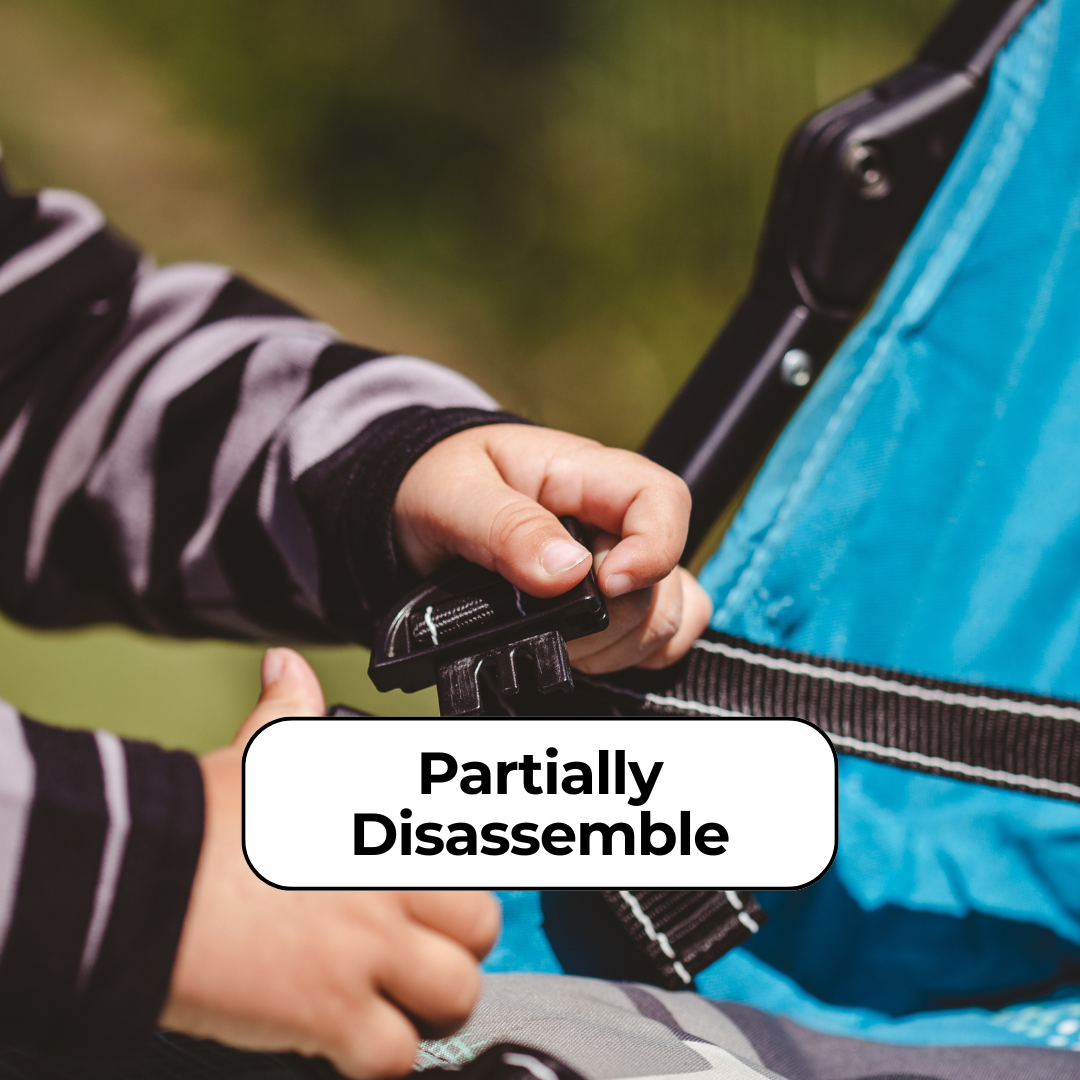
If you want to keep the frame outside but reduce risk, partial disassembly is the practical middle path for what to do with trampoline in winter.
Why choose this
Leaving the frame up saves time and keeps your garden tidy, while removing vulnerable parts reduces weather damage.
Step-by-step: what to remove first
- Take off the safety net and poles and store them dry indoors.
- Remove the frame pads and roll them up to avoid cracking.
- If heavy frost is expected, unhook the mat and springs and keep them under cover.
How to store the parts
- Put small items in labelled boxes so you find them in spring.
- Store fabric pieces and pads somewhere warm and dry, not on a cold garage floor.
Protect the remaining frame.
- Secure the frame with a tie-down kit to stop wind lift.
- Place a breathable cover over the frame to reduce moisture build-up.
- Check bolts and joints once a month for movement or rust.
Quick safety notes
Always use a spring pulling tool or gloves when handling springs, and never force parts back into place if they feel damaged.
Keep the Bounce Safe This Winter
So, now you know exactly what to do with trampoline in winter, whether you choose to keep bouncing, dress it up for festive fun, or pack it away safely. Each option comes down to your space, weather, and how much use your trampoline gets.
Over the past decade in the UK trampoline industry, we’ve seen families make every choice possible. The ones who care for their trampolines through winter always get longer life, safer play, and less hassle come spring. It’s all about smart care, not just storage.
At Super Tramp Trampoline, we’re here to help you keep your setup protected. Whether you need the right cover, an anchor kit, or just expert advice, our team can guide you step-by-step.