

Did you know that skipping proper warm-up exercises for football game can be the difference between stellar performance and sitting out due to injury? It’s a painful reality many players face, often unknowingly, when they rush into the game unprepared. Whether you’re a seasoned football player or a parent watching your child light up the field, understanding the importance of warming up is important.

Football demands speed, precision, and control, and without an intentional routine to prepare your body and mind, the risk of strains, poor focus, and missed opportunities skyrockets. Thankfully, there’s a better way to gear up for the game, and it’s more engaging than traditional stretches. Introducing the best trampoline: a fun, dynamic, and effective warm-up method that activates key muscle groups, boosts cardiovascular health, and sharpens focus, all while reducing the risk of injuries.
In this blog, we’ll uncover why warm-up exercises for football are a game-changer, explore how trampolining can take your warm-up routine to the next level, and share actionable exercises to help you or your young footballer step onto the pitch fully prepared. Let’s dive in because every game starts with the right warm-up.
Why Warm-Ups Are Necessary for Football

Warm-ups are the unacknowledged heroes of football success. Skipping a proper warm-up can lead to injuries that take you off the field completely. By gradually preparing your body and mind, warm-ups set the stage for sharper movements, better endurance, and reduced injury risks. Let’s break down why warm-up exercises for football matter and how they can transform your game.
1. Increase the Body’s Range of Motion
Football is all about quick, dynamic movements, whether it’s sprinting, dodging defenders, or making a sharp turn. Warm-ups loosen up muscles and joints, making these movements smoother, faster, and safer.
2. Increase Body Temperature
Just like a cold morning, we warm up our car so that it can perform better; your body needs to be prepped before going full throttle. Your body temperature rises when you warm up, increasing muscular flexibility and lowering the chance of strains.
3. Pump-Up Leg Muscles
In football, your legs are your power weapon; they control every shot, sprint, and defensive move. Warm-ups that engage your quads, calves, and hamstrings are essential for building power and coordination. Exercises like high knees or jump squats on a garden trampoline can activate these muscles, ensuring they’re ready for explosive movements during the match.

5. Improve Focus
Warm-ups provide the perfect opportunity to refocus your mind, leaving distractions behind. Think of structured warm-ups as a mental switch, helping you step into the competitive mindset necessary for peak performance.
6. Reduce the Risk of Injuries
Warming up primarily helps prevent injuries, as cold, rigid muscles are more likely to strain or tear. Research indicates that a proper warm-up can cut sports injuries by nearly 50%. Incorporating trampolining exercises further increases this protection by gently activating and stabilizing joints, ligaments, and muscles.
Warm-up exercises for football are your first step to an amazing goal, but how you warm up can make all the difference. Trampolining doesn’t just make warm-ups fun; it optimizes every aspect of preparation, from power and range to focus and injury prevention. Next, let’s explore how trampolines fit into a footballer’s warm-up routine and the exercises that elevate performance on the pitch.
Is Trampolining Good For Warm-Up Exercises for Football?

Football demands agility, strength, focus, and coordination, and a solid warm-up is the foundation for all these skills. And trampolining offers it all. Trampolining provides an enjoyable, efficient, and game-ready warm-up experience by utilising the RAMP Principle (Raise, Activate, Mobilise, Potentiate).
Raise
Warm-ups are meant to help your body and mind excel. Bouncing on a fitness trampoline increases your heart rate and body temperature quickly, energizing you more efficiently than common warm-up activities like jogging. It fully engages your core, legs, and respiratory system, getting your body ready for explosive football movements.

Activate & Mobilize
One of the unique benefits of trampolining is how it activates and mobilizes key muscle groups required for football. Jumping builds strength in your quads, hamstrings, calves, and core while mobilizing your joints, especially ankles and knees, which are essential for football agility. The low-impact nature of trampolining also protects players from stress injuries while ensuring an optimal range of motion for sudden turns, kicks, and sprints.
Potentiate
The final stage of any warm-up is potentiation, gradually increasing the intensity so your muscles, nerves, and reflexes are firing at peak capacity. Unlike jogging or static exercises, trampolining primes your body for game-specific power. Jumping exercises mimic the explosive movements that occur during football, such as sprinting, jumping for headers, or rapid accelerations during dribbling.
Trampolining enhances your football preparation by turning warm-ups into enjoyable, high-impact routines. Let’s explore specific warm-up exercises that blend rectangle trampoline drills with football movements for optimal training.
Best Warm-Up Exercises for Football

Incorporating trampolining into your football warm-up routine adds variety and creativity. These dynamic movements, paired with football drills, enhance performance and help prevent injuries, whether you’re preparing for a match or practicing.
Dynamic Trampoline Warm-Up
Here are some trampoline exercises for football players to get started with.
Best trampoline you can opt for: Orbit 11 x 8ft Rectangular Trampoline
1. Jumping Jacks
Jumping jacks on a trampoline are a simple yet effective way to activate your entire body. The soft surface adds an extra layer of balance, which engages your core while warming up your shoulders, legs, and arms.
2. High Knees
This classic exercise gets an upgrade on a trampoline. Driving your knees upward against the trampoline’s resistance activates your hip flexors and core, while the rebound builds faster coordination.
3. Basic Bounce
The basic bounce serves as a fundamental exercise to warm up your legs and core while keeping strain to a minimum. The trampoline’s elasticity helps loosen up stiff muscles while gently improving mobility.
4. Skipping Rope on Trampoline
Using a skipping rope on a trampoline not only drives your stamina but also refines your coordination. The added bounce introduces a low-impact but dynamic cardio component.
5. Single Leg Hop
Balancing on one leg while hopping on a trampoline activates stabilizer muscles in your knees and ankles, reducing the risk of football-related injuries.
6. Jump Squats
The explosive strength exhibited by football players while executing headers or sprinting can be mirrored by performing jump squats. The trampoline adds cushion and resistance, making each jump safer and more effective.
7. Butt Kickers
Kicking your heels toward your glutes on a trampoline minimizes strain while maximizing hamstring activation.
8. Resistance Band Training
Resistance bands paired with a trampoline amplify muscle activation. Focused movements like kicks or lunges against band tension enhance pre-match strength.
Football-Specific Drills

Once your muscles are warmed up, trampoline exercises can transition seamlessly into football-specific drills. These combine skill refinement with enhanced physical preparation.
1. Dribbling
Dribbling is a key football skill, and warming up enhances ball control. Use cones in a zigzag pattern to practice weaving through obstacles while keeping close control of the ball.
2. Passing
Passing drills are critical for building player coordination and teamwork. Pair up or use a rebound wall to practice one-touch passes. Focus on accuracy and timing to ensure effective movement of the ball.
3. Shots on Goal
Shooting drills warm up your core and legs while boosting confidence in scoring. Set up a goal and practice shots from various angles, straight-on, cross shots, or volleys.
4. Relay Races
Relay races provide an enjoyable method to enhance endurance and foster team camaraderie. Divide players into groups and set up cones for sprints with quick direction changes to simulate match dynamics.
5. Sprinting
Sprinting exercises improve rapid movement, swift beginnings, and abrupt halts that are crucial for fast-paced football. Utilize both diagonal and straight short dashes to enhance stride length and agility.
6. Obstacle Course
Create a fun agility course that combines performance trampoline hops with traditional football markers. Incorporate features such as cone weaving on trampolines or jumping headers.
Dynamic trampoline exercises and football-specific drills enhance game preparation. By using these effective warm-up strategies, players can step onto the pitch stronger and faster. Let’s explore key tips to optimize your warm-up routine for your individual needs.
Important Tips for Effective Warm-Ups
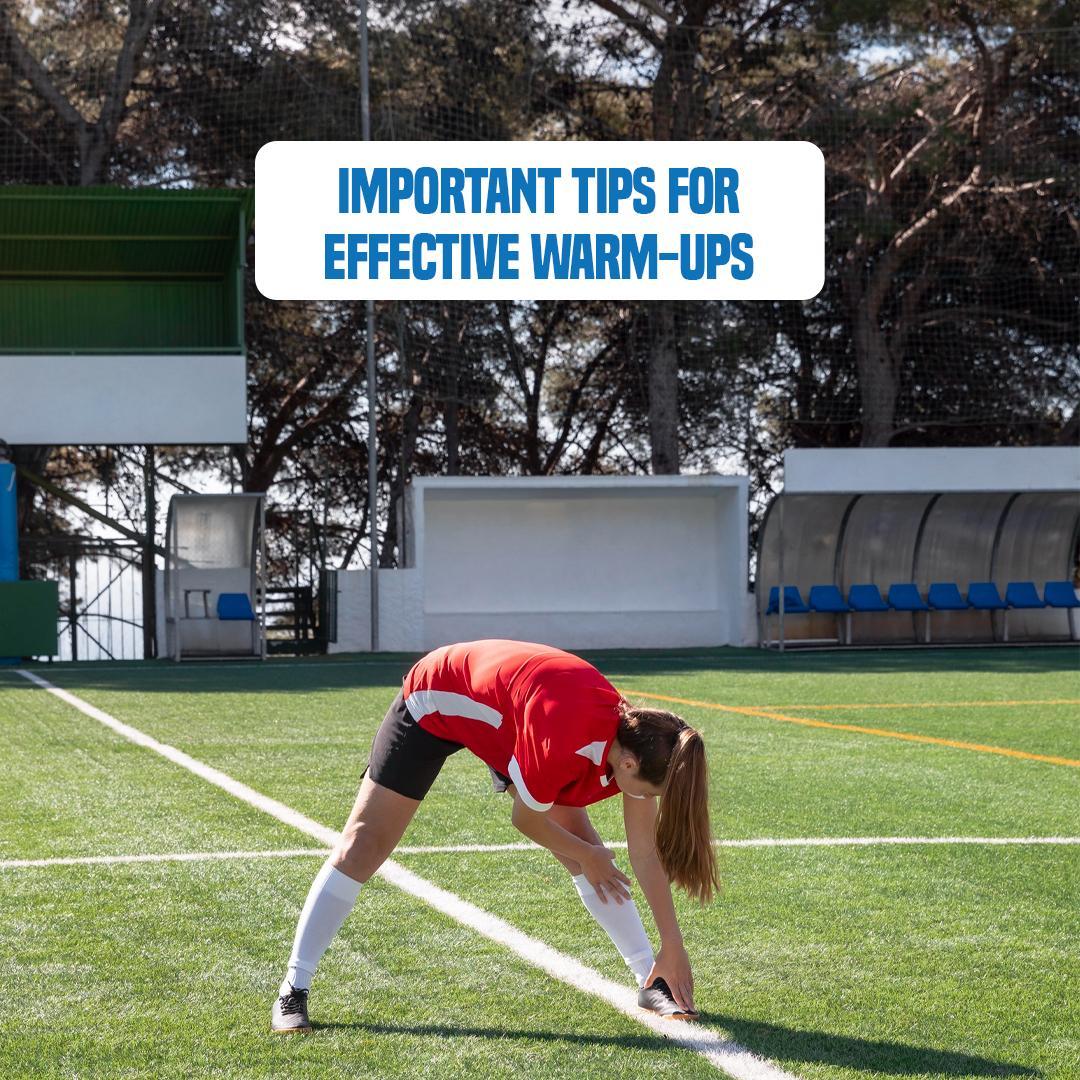
Below are actionable tips that ensure your warm-up routine is both effective and enjoyable.
Time It Right
Warm-ups should be 10–15 minutes long to maintain high energy and focus. Overdoing it can cause fatigue, while skipping essential exercises may leave your muscles unprepared.
Adapt for the Weather
The weather affects how your body responds to exercise. On cold days, add extra stretches to warm up stiff muscles. In warmer climates, do light movements and stay hydrated to avoid strain.
Use Trampoline Socks
Safety and grip are essential when using a trampoline, especially during dynamic movements. Trampoline socks enhance grip while jumping, minimizing the chance of slipping and assisting athletes in maintaining control during warm-up routines.