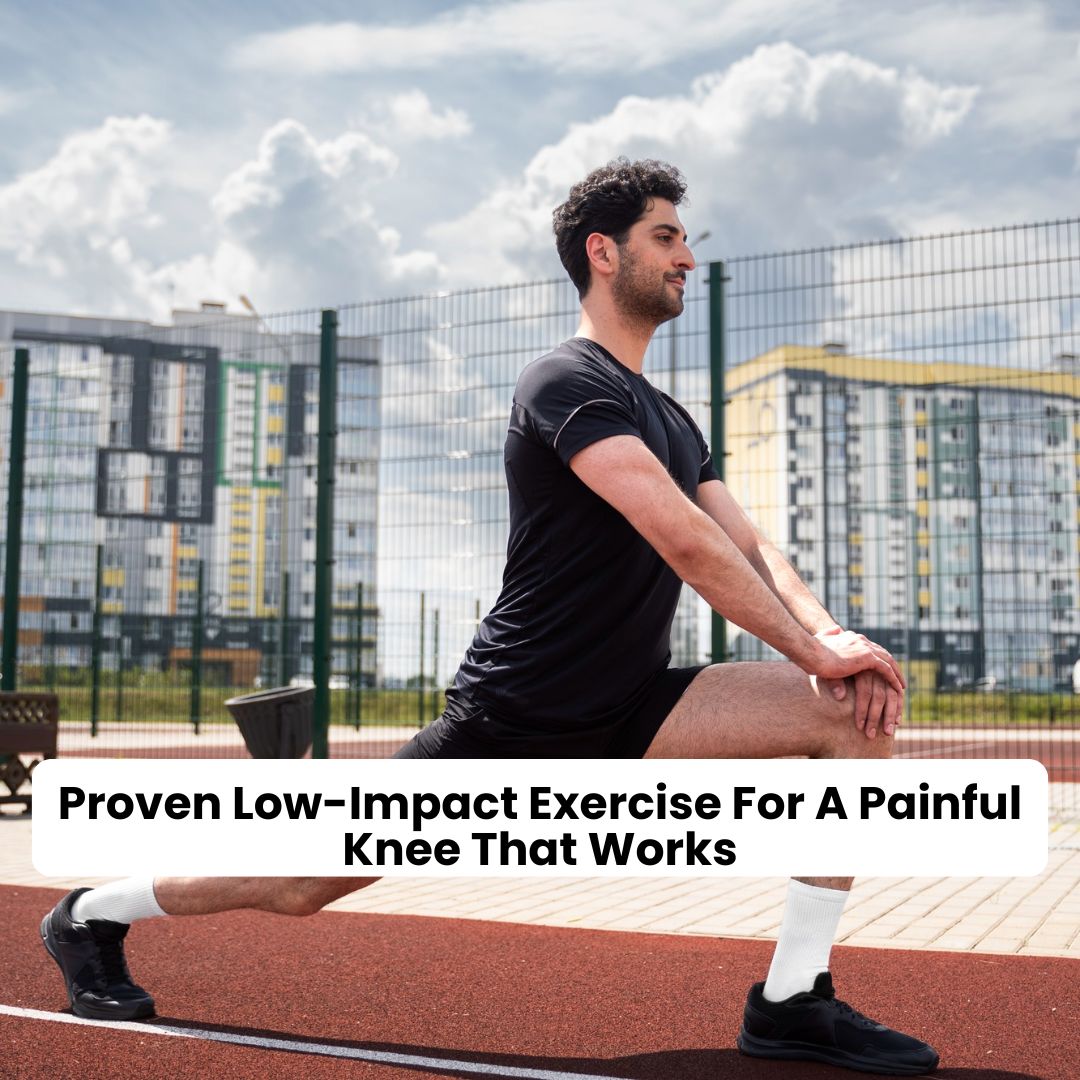
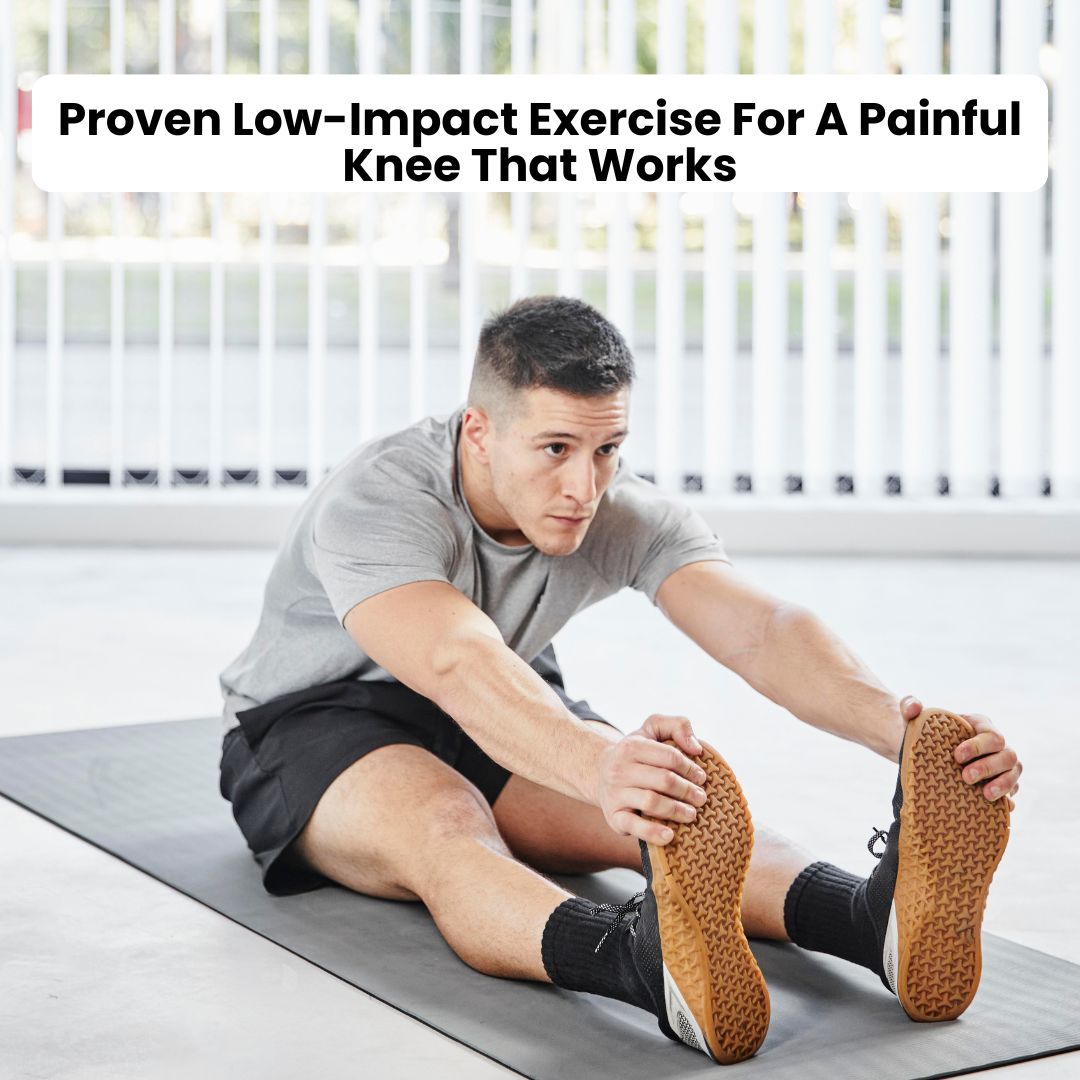
Even the easiest daily activities, such as taking the stairs, getting out of bed, walking to the shop, etc., can be weightier than they should be when all actions remind one of sore knees. Having a painful knee is no way to make you run slowly. It eats at your liberty and your freedom. The most common question that most people with a painful knee ask is, What is the safest exercise for a painful knee?
And the answer that we can be sure about is the fact that the correct movement can be as efficient as medicine.
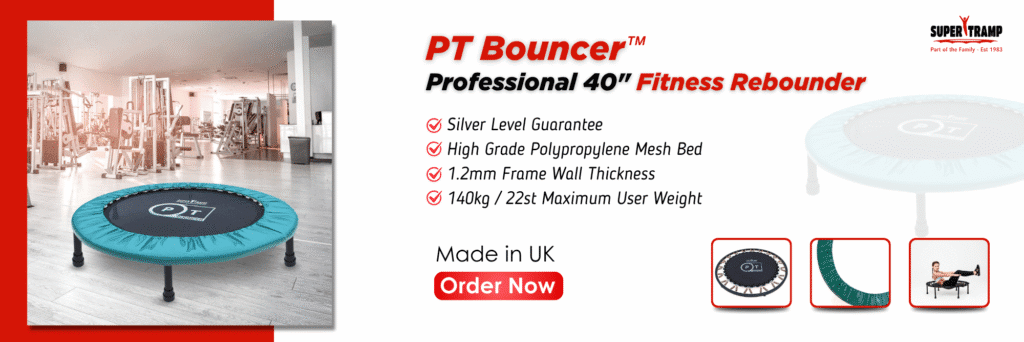
And we have experienced it for over 10 years. Out of all the solutions, low-impact exercises earn the most trust, and one in particular—rebounding—continues to deliver remarkable results for people who once believed they had no choice but to live in pain.
Here in our blog, we will demonstrate to you how the correct exercise for a painful knee has enabled you to change your day-to-day life, how rebounding assists your joints, and how other safe exercises you can begin today. It is not speculation or hypocrisy, but the years of patient treatment in the UK, in which the knees become stronger, the pain fades, along with the restoration of confidence.
What Causes a Painful Knee?
A painful knee can hardly happen without an apparent cause. In time, as we have witnessed, the majority of the problems have common factors. The understanding of these factors will be the initial stage in choosing appropriate exercise for a painful knee. Some of the major reasons that often cause painful knees are listed below:
1. Age
As we become older, our joints suffer more than we think. The cartilage becomes thin, and the shock-absorbing capability of the knee is reduced. This is why rating healing stiffness and aching dullness tend to be quite common in people in their 40s, 50 years, and so on without a new wound.
2. Excess weight and obesity
Caring heavier than the knee is structured to locations where the joint is always strident. Every additional pound is added pressure, depending on whether it is by climbing stairs or going up a hill. Even the slightest weight loss heard by the patients always results in an instant reprieve of the knee.
3. Previous injuries or surgeries
Weakness may be left behind by older football injuries, ligament ruptures, or any prior knee surgery. Months or years on, the scar tissue, lack of output, or unregained output may manifest itself as lingering pain. We have witnessed numerous patients not paying much attention to slight injuries, only to experience chronic pain.

4. Muscle imbalance or weakness
Failure of the muscles to work in unison around the knees, hips, or thighs places a heavier load on the joint than it is intended to sustain. Hamstring strain or weak quadriceps strains both strain the patella. Simple strengthening and stretching exercises can offer surprising improvements.
5. Arthritis and cartilage degeneration
Knee pains are most frequently caused by arthritis, osteoarthritis, or rheumatoid arthritis. The padding of a joint dies out and allows bones to grind upon one another. This causes movements to be painful and may result in swelling. It is one of the main reasons why patients refer to my clinic.
6. Job or lifestyle strain
Some of the occupations and habits expose the knees to ordeal. Builders, warehouse workers, and anyone standing on hard floors for long hours often develop knee pain over time. Repetitive activities like heavy lifting or long shifts on your feet also trigger it.
Usually, it is not one of these, instead of a combination of these causes that leads to the knee pain. The brighter side is that the low aspects of exercises that are specific may help ease pressure, make the joint stronger, and get you moving with a lot less pain. Later on, we will also take you through the safest and most effective exercises for a painful knee, as best we can prescribe to patients.
Which Exercise for a Painful Knee Works Best?
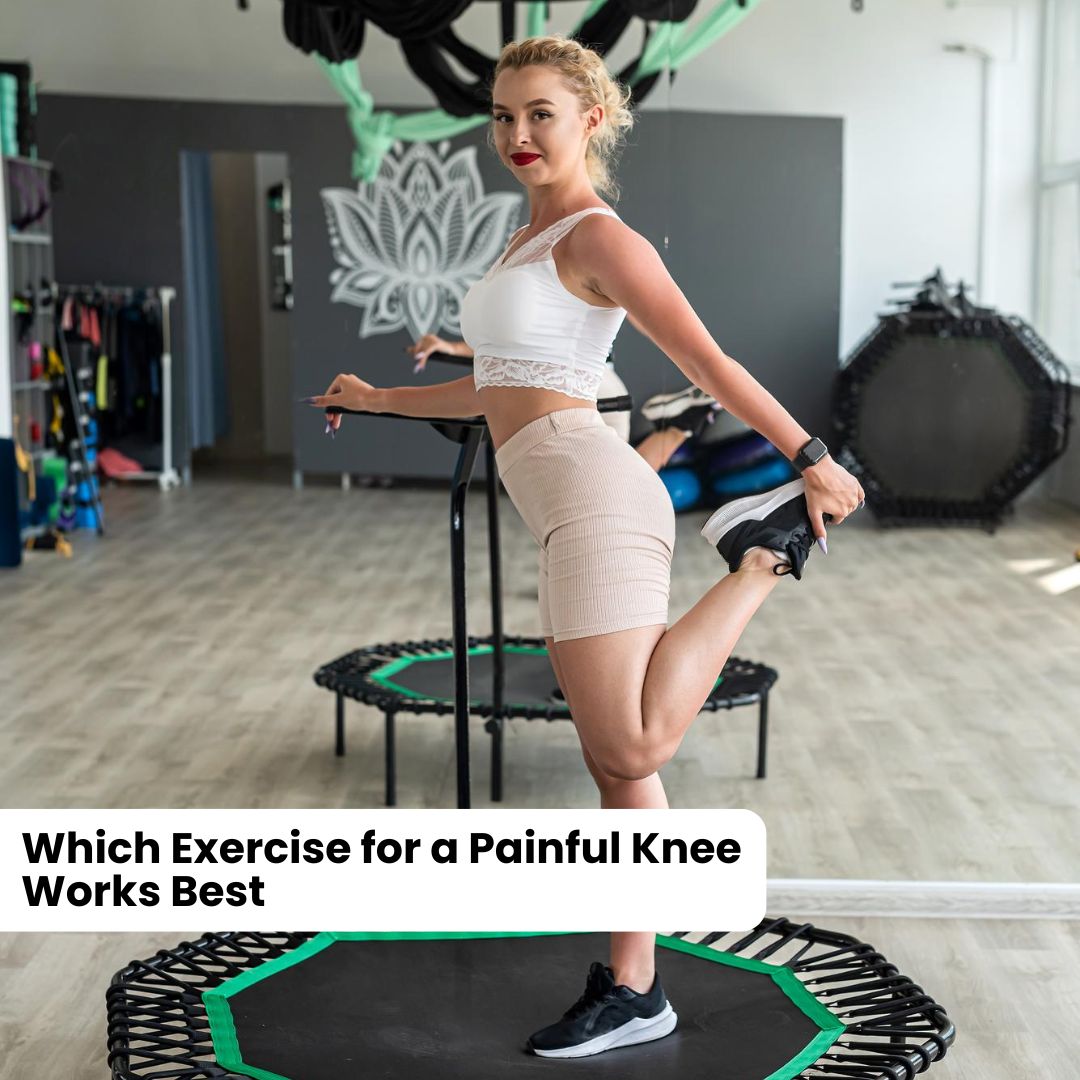
Most individuals seek to correct knee pain using incorrect exercises. The fact of the matter is that not all movement is curing. Others, instead, exacerbate the situation. The knowledge we have gained in the years since watching patients walk into my clinic in frustration and not being able to figure out why their knees are not getting better.
Running on hard pavements, jumping, or severe exercising at the gym all expose the knee joint to sharp stress. These movements cause further wear and tear rather than strengthening it.
Why Low-Impact Exercise Works
The best exercise for a painful knee is one that enhances the strength of the muscles without pounding the joint. Less intense moves, such as bicycle, swimming, or the uneasy stretches, provide the body with the equipment and dexterity without having to create additional pressure on the knees.Bouncing on a premium quality fitness trampoline provides mild, controlled movements that firmly stabilize the muscles of the knees with gentle strokes.

It is safe, non-aggressive, and efficient, as it makes patients feel good and get moving based on simple and pleasurable movements.
Benefits of Rebounding for a Painful Knee
Rebounding is more than mild bouncing- it exercises your knees and enhances the general joint health. This is how it works:
- In-ground trampoline exercises strengthen muscles and ligaments.
- Regular movement on a garden trampoline improves the circulation of synovial fluid.
- It promotes bone health.
- Rectangle trampoline with Enclosures exercises give cardiovascular benefits without pounding.
- Safe for older adults or vulnerable joints
Rebounding strengthens, enhances circulation, and keeps you safe to have a comprehensive technique of knee pain treatment. We will now discuss some other safe exercises that you can combine with rebounding to additional protect and strengthen your knees.
Other Safe & Effective Exercises You Can Try
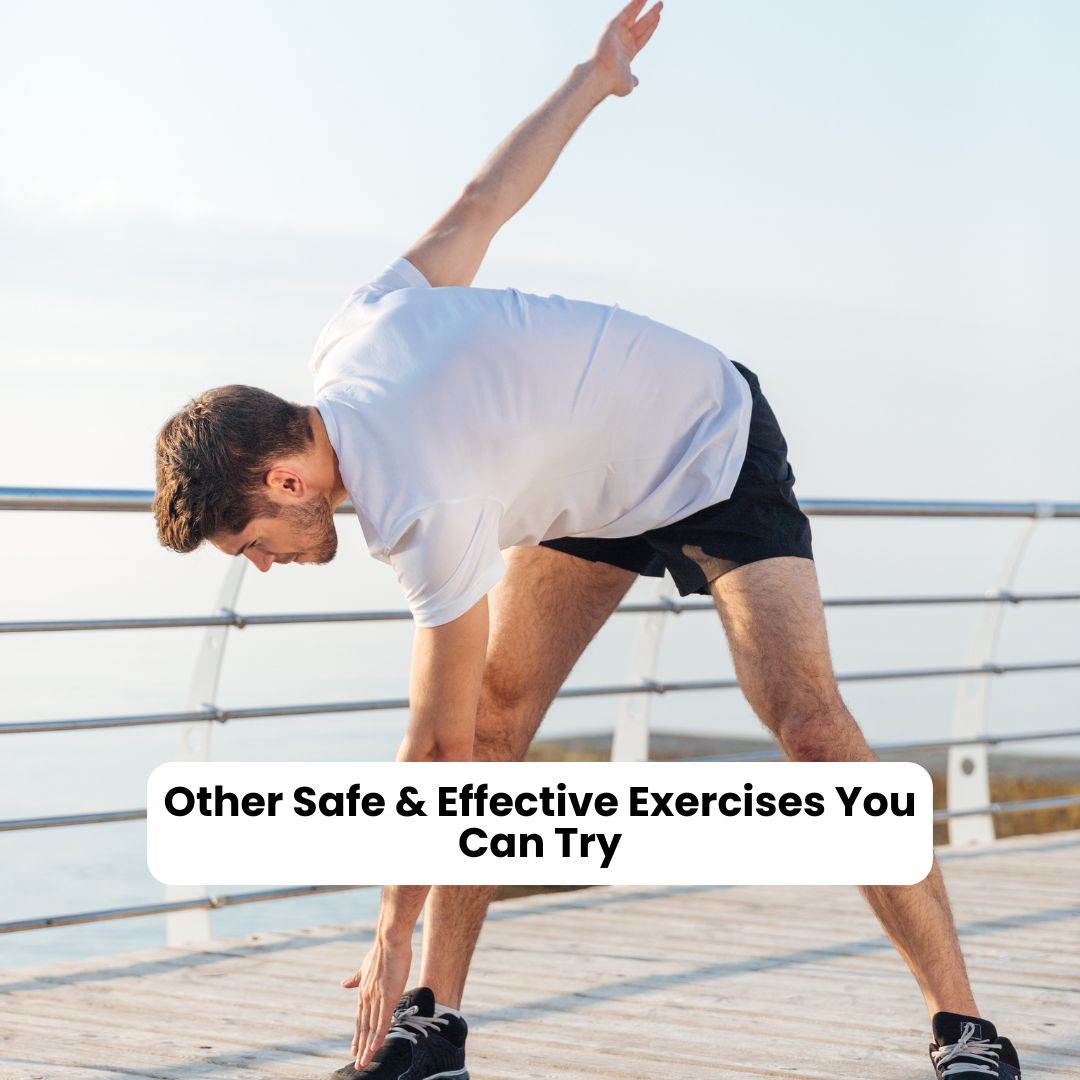
The addition of low-impact and trampoline exercises will not overload your knees; it will strengthen them and help increase mobility as well. Doing them regularly will result in observable changes in the long run.
1. Gentle Stretching
Stretching exercises help in keeping the muscles loose and relieve the area around the knee. Performing it on the day enhances motion and prevents stiffness, which increases knee pain.
2. Slow Walking
Slowing down the walking frequency strengthens the leg muscles but puts minimal pressure on the joints. It is one of the easiest ways of maintaining knee mobility and stamina.
3. Straight Leg Raises
Lie on your back with one leg elevated, one at a time, straight. It trains the quadriceps muscles, maintains knee stability, and decreases day-to-day pain.
4. Hamstring Curls
Sit or lie down, shrink your knee. Tightening the hamstring even supplants the muscles surrounding the knee, reducing strain and enhancing control of the joint.
5. Calf Raises
Stand on your toes to get the calf muscles working on the knee. This process will improve balance, stability and strength of lower legs when performed on a regular basis.
6. Half Squats
Shallow squats with a lack of going so deep. Such movements make bodies strong and build up glutes in a safe manner, as well as take the weight off the knees without overstraining them.

7. Leg Extensions
Stretch your legs in a regulated manner with the help of light weights or a resistance band. This targets the quadriceps and, towards the end, builds up knee support.
8. Prone Leg Raises
Lie on your back and bring your legs up, gradually. This works the hamstrings and glutes, making the knee action easier and the body stronger.
9. Hip/leg Crossover Stretch
Lying on the back, cross one leg over the other to stretch but the hip muscles and outer thigh muscles. It keeps the knee in line and prevents excessive injuries to the knee.
10. Clamshell
Take a position on your side, with the legs bent, and then make a slow lift with the top knee. This intensifies the muscles of the buttock and pelvis stabilises, stabilizing the burden on the knee joint is indirectly reduced.
To supplement this knee health, these exercises and heavy duty 12ft trampoline exercises add to your workout. We will then discuss the safety considerations that will ensure that the exercises can benefit you without putting an extra strain on you.
Safety Rules Before You Begin
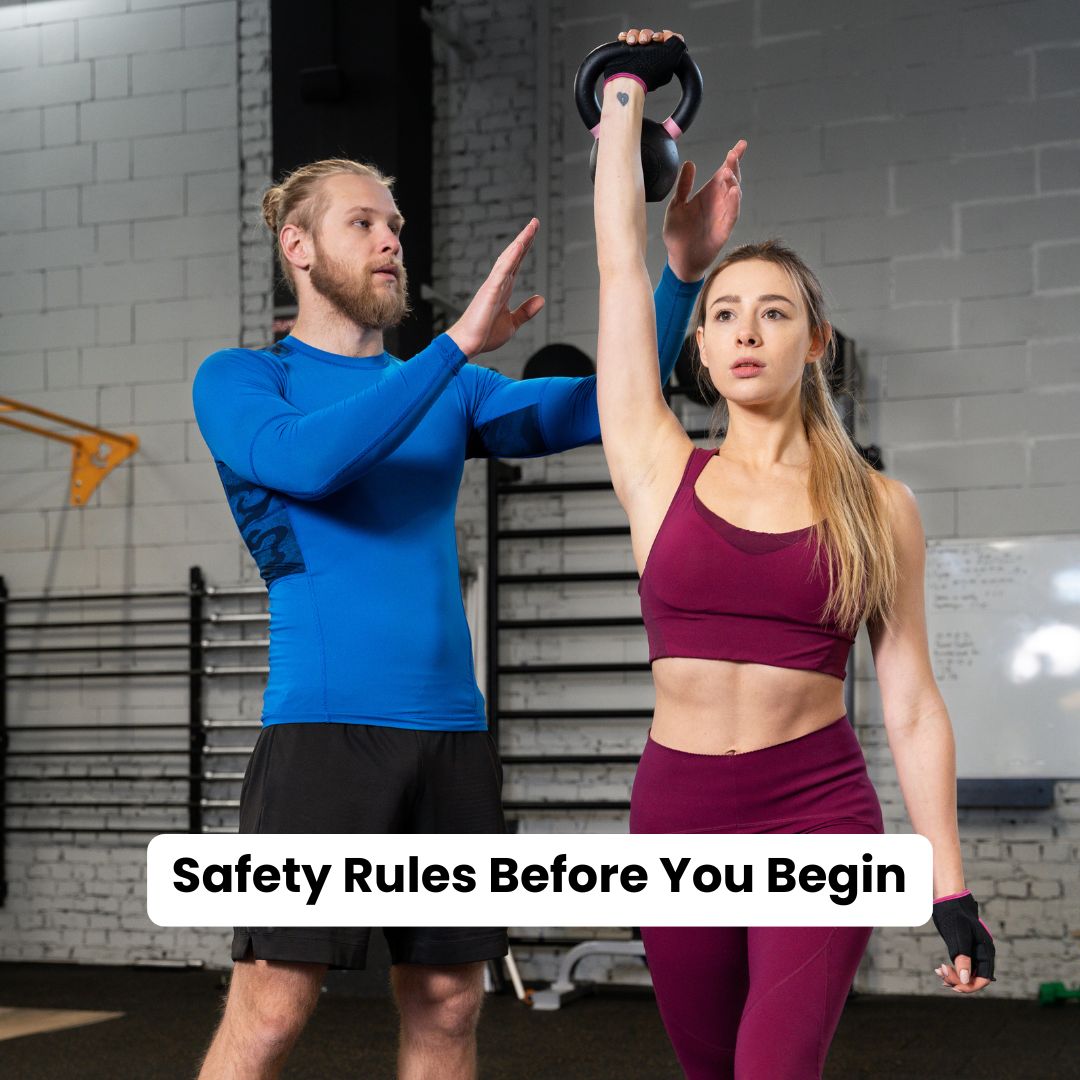
Before starting any exercise for a painful knee, safety comes first. Following simple guidelines ensures your knee benefits rather than suffers.
- Giving your knees time to recover between sessions prevents overuse and flare-ups.
- Always check with a healthcare professional before starting new exercises.
- Start each session with gentle warm-ups to loosen muscles and finish with stretching to prevent stiffness.
- Ease into exercises with small repetitions.
- Never force a movement that causes stabbing or intense discomfort.
- Use supports like chairs, rails, or resistance bands if needed to maintain control and safety.
- If you are going with rebounding, make sure to wear premium grip trampoline socks before starting exercise.
Following these safety rules makes your knee exercises more effective and sustainable. With precautions in place, you can confidently move on to strengthening exercises and low-impact routines like rebounding, maximising results while protecting your joint.
Final Words
Without any further ado, in this guide, we explored the reasons behind knee pain, why most exercises fail, and how the proper movements, particularly the low-impact type, like rebounding, can actually work. We also discussed other exercises that are safe and the main safety precautions that will help to keep your knees intact as you get stronger and more mobile.
Exercise for a painful knee isn’t optional; it’s a crucial part of healing. With consistent, guided practice, many of my patients regain function, reduce discomfort, and return to daily life with confidence. Small, controlled movements build lasting strength, improve circulation, and protect joints from further strain.
When you are willing to go to the next level, make a visit and have a consultation session to see how one can start out safely. Advice questions, personal guidance, and the exercises that really work with your knees. Through the proper approach, relief and increased mobility can be accessible.