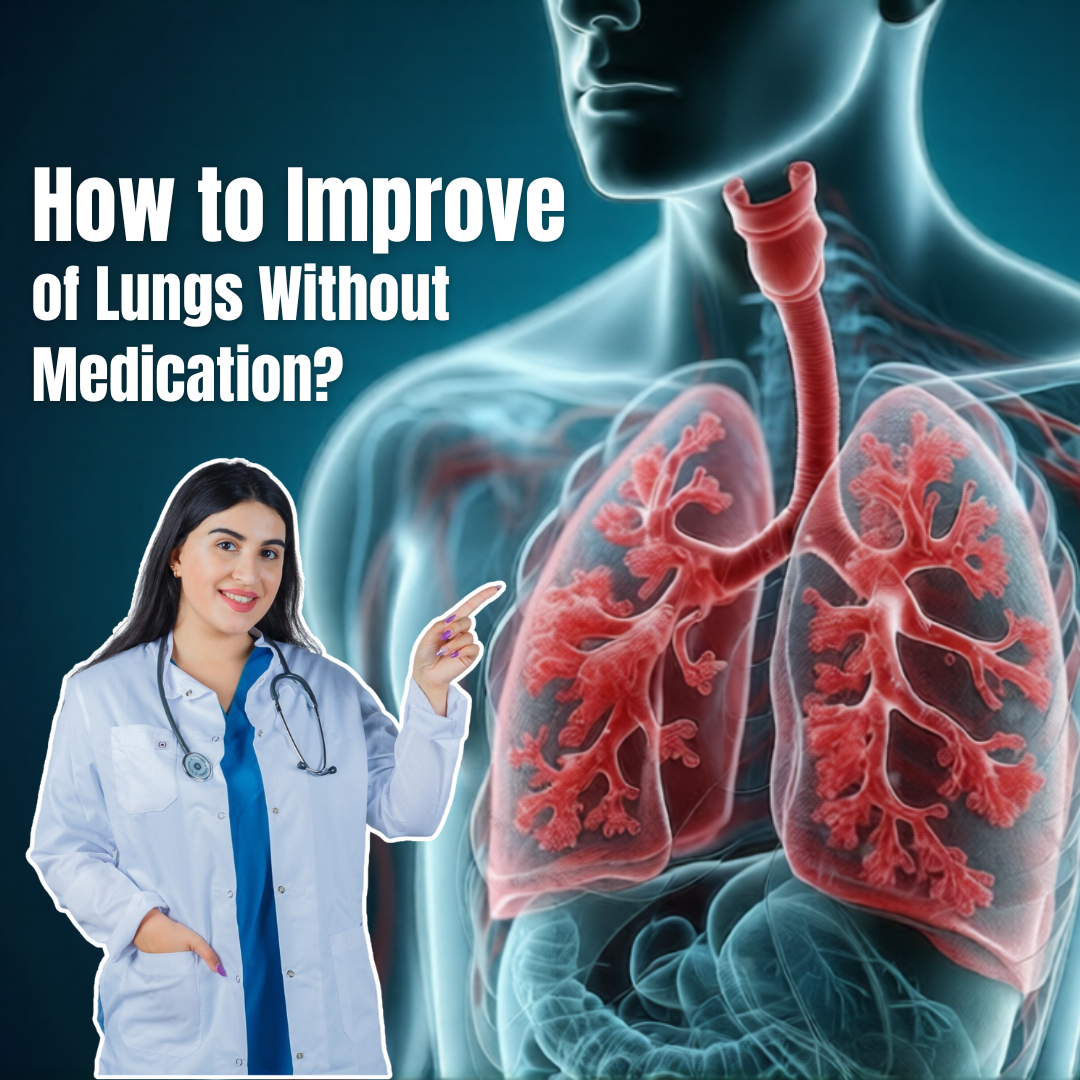

Breathing should feel easy, but for many, it doesn’t. If you find yourself stopping halfway up the stairs, waking up with a morning cough, or feeling short of breath sooner than you used to, we are here to help. People often want an answer to the question of how to improve health of lungs after noticing that everyday tasks feel harder than they should. Changing weather, long work hours, rising stress, and unhealthy routines slowly take a toll, especially when health slips down the priority list.
This blog speaks to two kinds of readers: those already dealing with lung concerns and those who want to protect their own breathing and their family’s long-term health. The good news is that lungs respond well to the right daily habits, staying active, and cleaner environments. You don’t need extreme changes or extra hours in your day. What you need is practical guidance that fits real life. Before we look at solutions, it helps to understand what’s holding lung health back in the first place.
Key Reasons Behind Weak Lungs
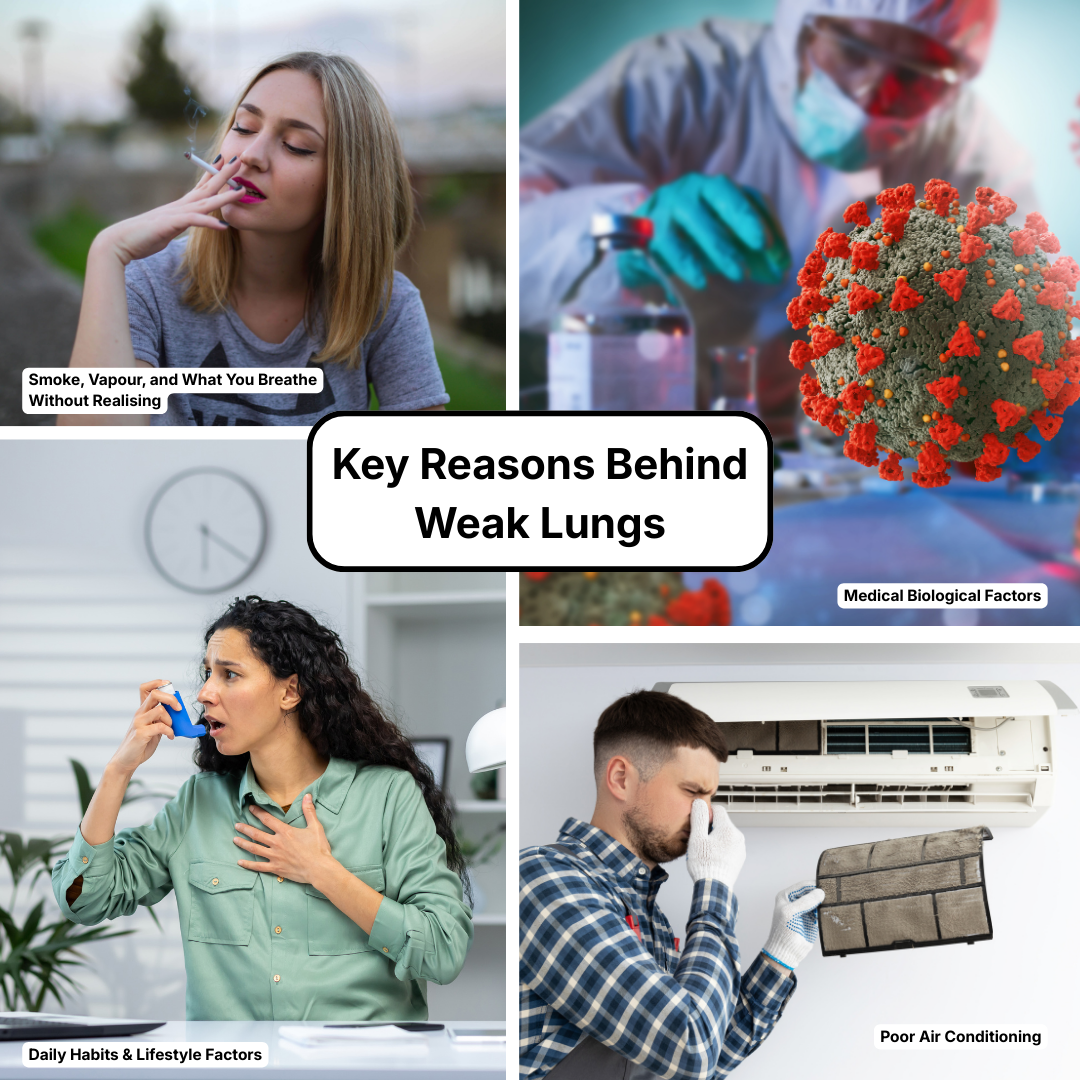
Lung health never weakens overnight. In most cases, it weakens slowly due to a mix of daily exposure, habits, and health factors. To understand how to improve health of lungs, it helps to first look at what puts pressure on them in the first place.
1. Smoke, Vapour, and What You Breathe Without Realising
Primary irritants are one of the most common reasons lungs struggle to work at full strength.
- Tobacco smoke damages lung tissue over time and reduces the lungs’ ability to absorb oxygen properly. Long-term smokers often notice breathlessness before any clear diagnosis.
- Passive smoking still affects the lungs, especially in homes and cars. Breathing secondhand smoke daily irritates the airways even if you have never smoked.
- Vaping and e-cigarettes may feel lighter, but the vapour still inflames air passages and disrupts natural lung function.
These irritants cause swelling inside the lungs, making breathing less efficient. In the UK, where indoor exposure is common during colder months, this impact builds quietly.
2. Poor Air Conditioning
Even clean-looking spaces can carry risks for your lungs.
- Outdoor air pollution from traffic and construction affects people living or working in busy towns and cities.
- Indoor pollutants from gas stoves, cleaning sprays, damp walls, and poor ventilation trap harmful particles inside homes.
Workplace exposure also matters. Builders, factory workers, and cleaners often breathe in dust or chemicals daily, which can slowly reduce lung strength if protection is inconsistent.
3. Medical Biological Factors
Some lung issues start with factors outside your control, but management makes a real difference.
- Genetics and family history can increase the risk of asthma or chronic lung conditions.
- Existing conditions like asthma or COPD require daily care to prevent worsening symptoms.
- Childhood lung infections can leave lasting effects if the lungs never fully recover.
The focus here is control, not perfection. Consistent care helps lungs work better even with long-term conditions.
4. Daily Habits & Lifestyle Factors
Lifestyle choices shape lung health more than most people realise.
- Physical inactivity weakens breathing muscles and reduces lung capacity.
- Poor posture limits how much air the lungs can hold, especially during long desk hours.
- Dehydration thickens mucus, making breathing harder.
- Low-quality diets fail to support lung repair.
- Long sitting hours restrict chest movement, and shallow breathing becomes routine.
Once these causes are clear, improving lung health becomes practical and achievable. The next section breaks down exactly what you can do each day to support stronger, healthier lungs.
10 Practical Tips to Improve Lung Health Safely and Naturally
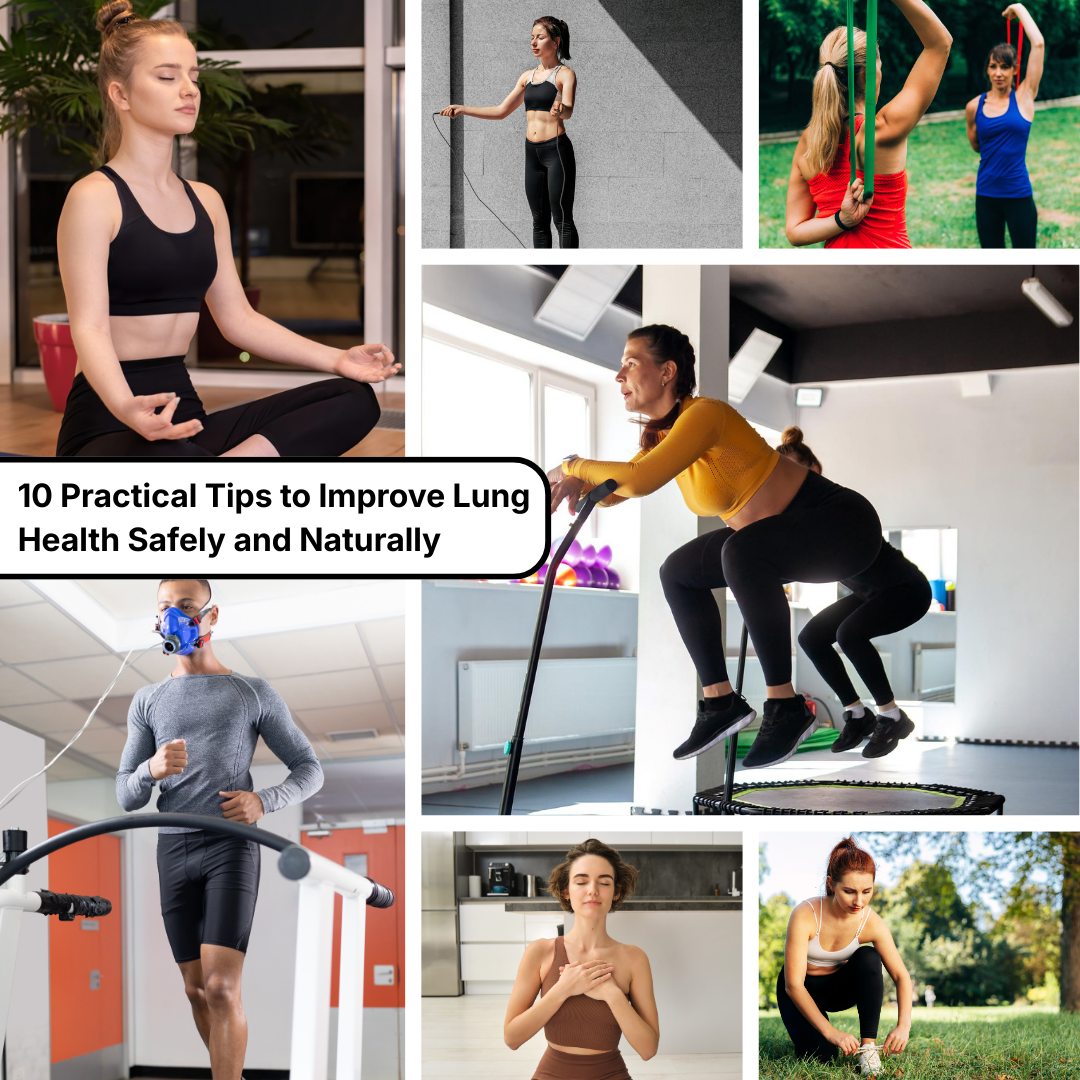
Once you understand what strains your lungs, the next step is clear action. The most reliable way to learn how to improve health of lungs is through steady movement and everyday habits that support breathing, not overwhelm it. Small, repeatable steps create lasting change.
1. Exercise That Teaches Your Lungs to Work Better
Movement trains your lungs to take in more oxygen and release carbon dioxide efficiently. You do not need intense workouts. You need regular, controlled activity that challenges breathing at a comfortable pace.
Cardio-Based Movement
- Walking, cycling, rebounding, and swimming improve breathing rhythm and stamina.
- A brisk walk around the neighbourhood or a short cycle ride helps lungs adapt to steady oxygen demand.


Deep Breathing Exercises
- Diaphragmatic breathing improves lung expansion when practised daily.
- Pursed-lip breathing helps slow breathing during breathlessness.
- Practise in a seated position for a few minutes, once or twice a day.
Small Lifestyle Changes That Make a Big Difference

Lifestyle habits form the base of long-term lung care. This is where how to improve health of lungs becomes sustainable.
- Say no to smoking: Quit smoking and avoid second-hand smoke whenever possible.
- Stay active: Staying active throughout the day, even with short movement breaks at work.
- Avoid pollutants: Reduce exposure to traffic-heavy routes and poorly ventilated spaces.
- Keep windows open daily to improve indoor air quality.
- Stay hydrated: Drink enough water to keep airways clear and mucus thin.
- Eat well-balanced meals with fruits, vegetables, and whole foods.
- Improve posture: Sit and stand tall to allow full lung expansion. Regular bouncing on a round trampoline naturally improves posture by engaging the core, back, and hip muscles with every bounce.
- Attend routine check-ups, especially if breathlessness persists.
- Maintain good hygiene: Clean hands and well-ventilated living spaces reduce the risk of infections that strain the lungs. Simple habits like regular handwashing and keeping shared areas clean support healthier breathing.
These steps work best when combined. In the final section, we’ll bring everything together and show how to maintain healthy lungs for the long run.
Quick Lung Health Checklist
By now, the steps to protect your breathing should feel practical. If you are serious about learning how to improve health of lungs, this checklist brings everything together in a way that fits real UK routines. Save it, screenshot it, and use it as a daily reminder.
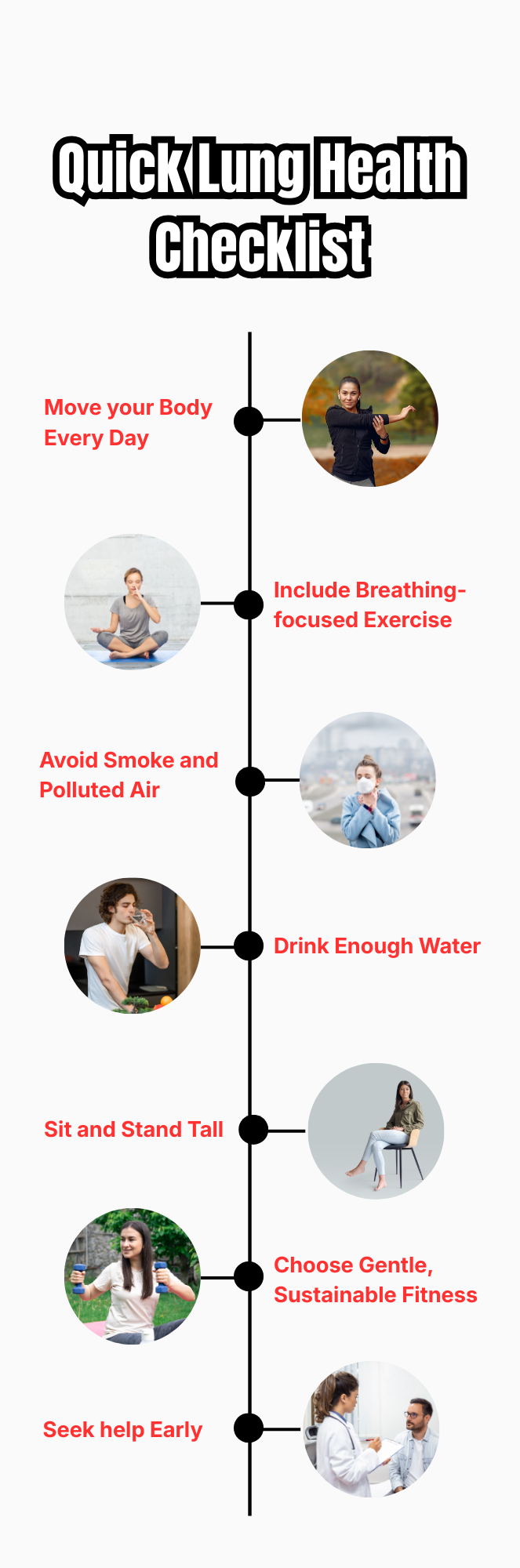
Move your Body Every Day
All forms of movement support lung health, whether it’s walking, stretching, or light cardio. However, bouncing on a rectangular trampoline stands out because it keeps the body upright, raises breathing naturally and encourages deeper oxygen intake without heavy strain. Even a few minutes of gentle bouncing each day keeps the lungs active and working efficiently.
Include Breathing-focused Exercise
Exercises that slightly raise your breathing rate teach the lungs to work more efficiently. Trampolining supports slow, deep breaths in a steady rhythm, helping the lungs expand fully without feeling rushed or uncomfortable.