Why do fitness promises feel strong in January and disappear by February, even when you genuinely want to change? If you are searching for how to get fitter quickly, chances are motivation is not your problem. Time is. Long workdays, family responsibilities, and mental fatigue quietly push workouts to the bottom of the list. The result is not failure. It is a system that does not fit real life.
That is why home-based fitness works when gym plans fall apart. It removes travel, pressure, and excuses, replacing them with consistency. At Super Tramp, we have spent over ten years working closely with trampoline fitness, watching how people actually move, get physical discipline, quit, restart, and finally stick with routines that fit their schedules. This guide shares a realistic way to get fitter quickly at home, without guilt, force, or unrealistic rules. Stay with us. The approach ahead is practical, proven, and designed for real lives.
Why Do Most People Fail?
Discipline isn’t broken; it’s just been taught in the wrong direction.
Most people don’t fail at fitness because they lack effort or are lazy. They fail because effort gets wasted. Popular advice pushes early alarms, packed routines, and endless habit lists. On paper or a vision board, it looks productive. In real life, it drains focus and leaves no room for progress that actually sticks.
Here’s what Happens
- Busy work feels like progress: waking up early, planning workouts, tracking steps, and watching fitness videos. All of it feels useful, yet none of it builds fitness on its own.
- Meaningful work feels heavier: moving your body, sweating, and repeating simple exercises consistently. These actions don’t offer instant reward, which is why they get avoided.
Emails feel urgent, and scrolling feels relaxing. Rearranging plans feels productive, and fitness gets postponed.
From experience, real discipline only forms when busywork is replaced with meaningful work. Once pointless effort drops away, mental space opens up. That’s when routines start working, results appear, and staying consistent becomes possible.
Next, let’s break down how to tell busywork apart from actions that actually move fitness forward.
Separating Busy Work From Meaningful Work
If you want to get fitter quickly, you first need clarity, not a list of advice. Not more effort, not more plans, just clarity about what actually moves your body forward and what only fills your day. Here are two simple tests you can take that can help you change everything:
1. The 30-Day Impact Test
Run every daily action through one question. If you repeat this for the next 30 days, will your health, strength, or confidence visibly improve?
Planning workouts, checking apps, or saving routines feels productive, but without movement, results never show. Fitness only responds to actions that leave a mark on your body.
2. The Discomfort Test
Meaningful fitness work always carries mild discomfort. A short garden trampoline session, a few solid jumps, or controlled breathing raises effort without instant reward.
Easy tasks that give quick relief, like scrolling or rearranging schedules, keep you stuck.
Simple Action Step
Take a sheet of paper and create two columns.
- Busy work: tasks that keep you occupied
- Meaningful work: actions that improve fitness
This clarity frees time, focus, and energy. With fewer distractions, your body finally gets the attention it needs. Next, let’s apply this focus to practical ways to get fitter quickly at home.
How to Get Fitter Quickly at Home?
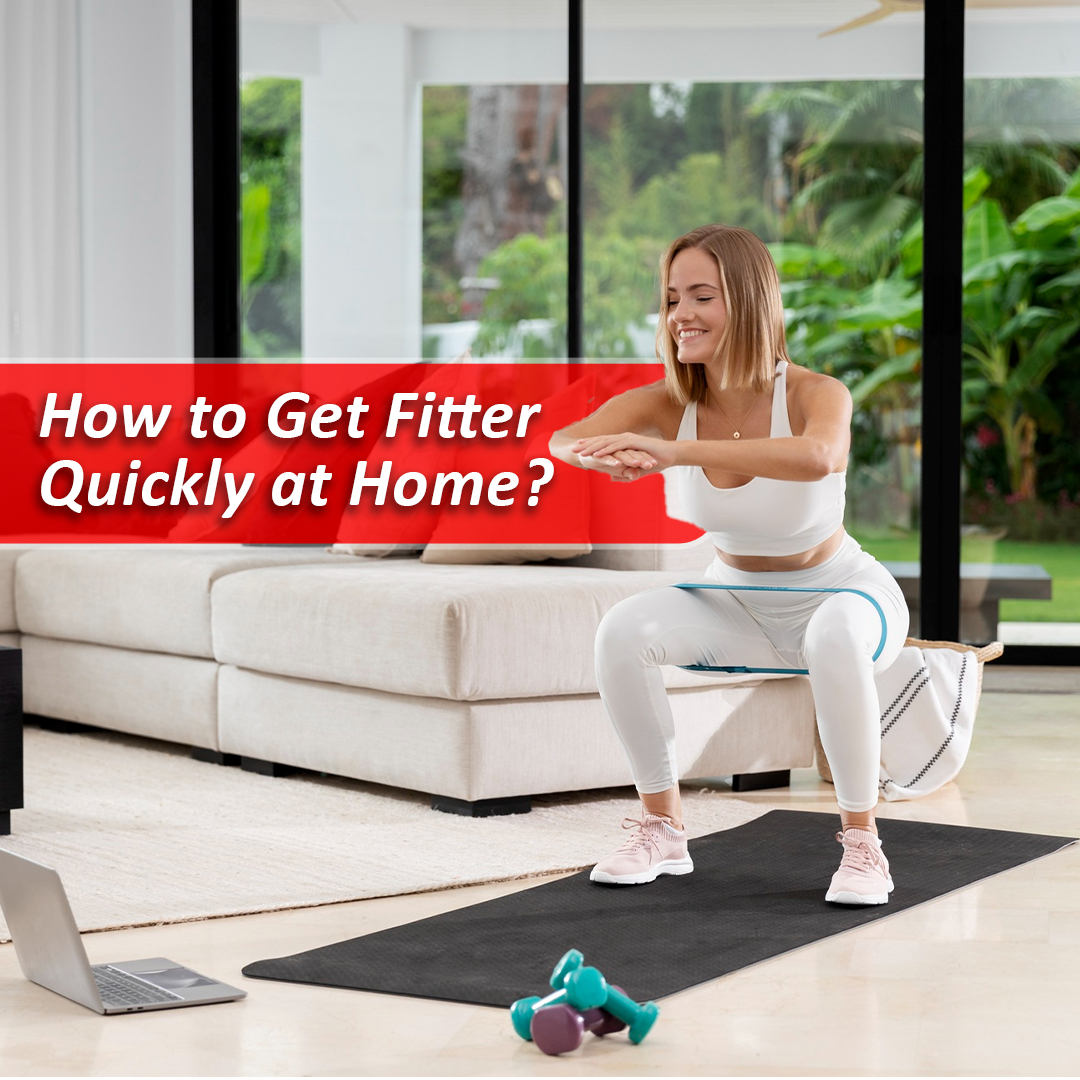
Getting fit at home works because it fits into real life, not the other way around. When routines feel easy to start and simple to repeat, consistency automatically comes. That consistency is the fastest way to get fitter quickly without burning out or giving up.
Why Home Fitness Works for Everyone?
Exercising at home eliminates common blockers such as time constraints, responsibility, and the distance to the gym. You don’t move because of a schedule; you move when your day permits it.
- You save time by starting instantly.
- You avoid crowds and pressure.
- You exercise in short, repeatable sessions.
Most importantly, regular movement beats intense workouts done once a week. Ten to twenty minutes daily builds strength faster, improves confidence, and makes you feel more productive than skipping gym sessions.
The One Equipment That Multiplies Results
A fitness trampoline turns simple movement into full-body work. With its versatility and advantages that no other piece of equipment can match, a trampoline workout is like the king of fitness equipment. Below you will see some of the benefits you will have after starting your fitness journey with a trampoline:
- Every bounce activates legs, core, and arms.
- Joints stay protected through low-impact motion.
- Heart rate rises quickly, increasing calorie burn.
- Balance and coordination improve with repetition.
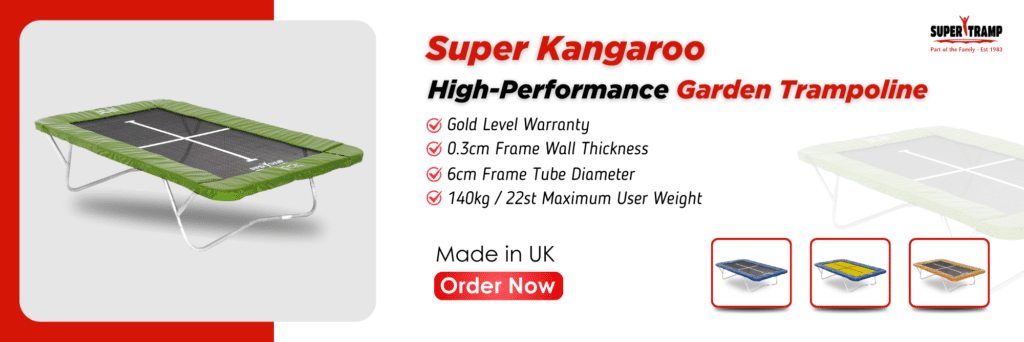
The PT Bouncer™ Professional 40″ Fitness Rebounder exercise challenges muscles while reducing strain. The best aspect is that even elderly people and postpartum mothers can benefit from rebounding exercises. This makes it safe to repeat often, which is key when you want to get fitter quickly at home.
Super Tramp trampolines are designed for controlled bounce, stability, and durability. They support fitness routines, not casual play. That difference shows in comfort, confidence, and results.
Real-Life Example
A working parent fits a 20-minute trampoline session between morning tasks and evening meals. No travel. No setup. Just consistent movement. Over weeks, stamina improves, energy stays steady, and missed workouts stop happening.
That is how fitness is built at home. Next, let’s look at specific trampoline workouts that deliver results without wasting time.
Best At-Home Trampoline Workout
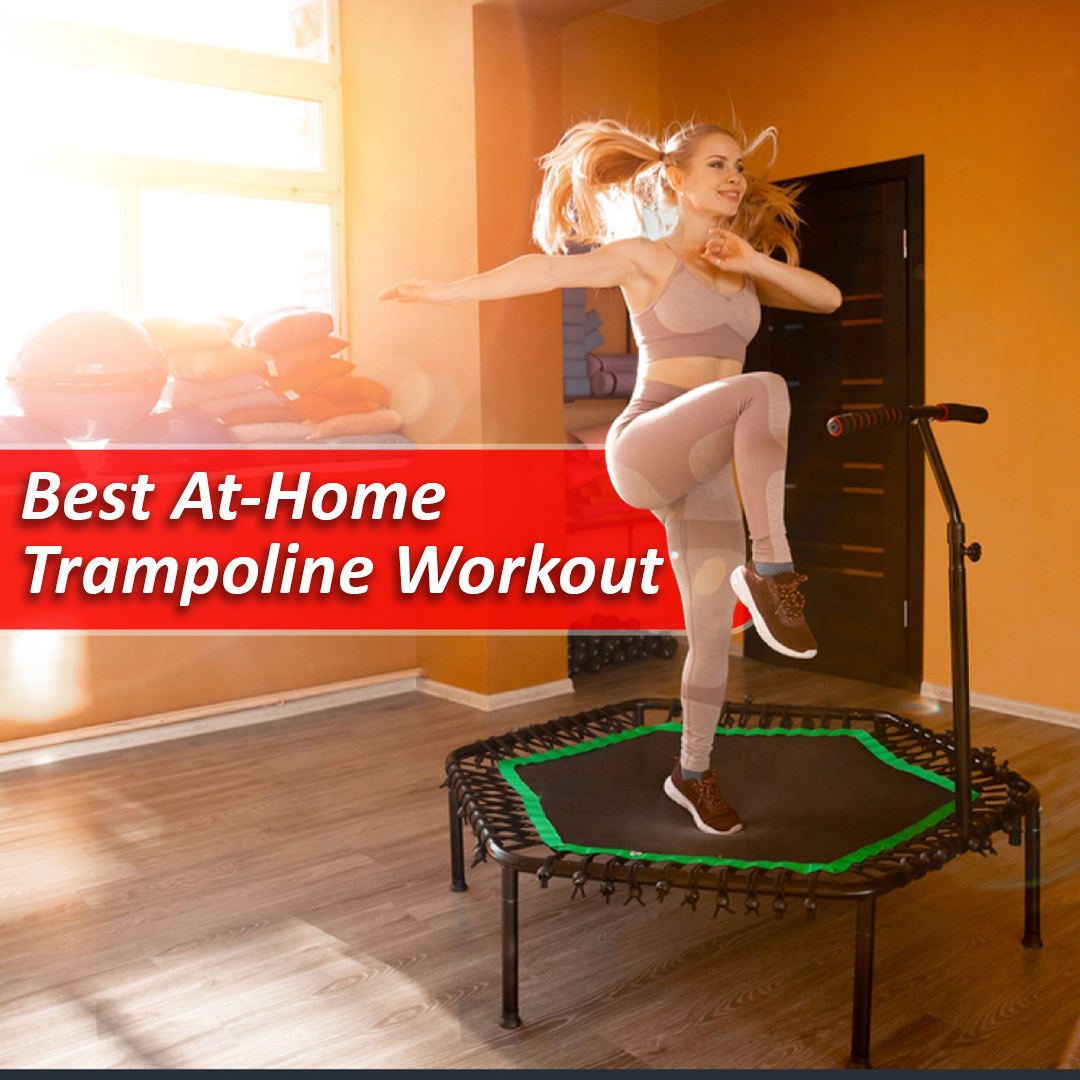
Simple moves deliver real results when you follow a clear structure. This routine is the answer to how to get fitter quickly and keeps the body active, focused, and consistent, which is exactly what you need if you want to get fitter quickly at home.
Warm-Up
Start with a basic bounce for two to three minutes. Keep your posture upright and let your feet stay light. This warms the joints, raises the heart rate, and prepares muscles without strain.
Fat-Burning and Strength Moves
Move through each exercise for 30 to 45 seconds, resting briefly between sets.
- Jumping jacks: Build rhythm, improve coordination, and activate the full body.
- Bicycle crunches: Engage the core while improving balance and control.
- High jumps: Increase power and boost cardiovascular strength.
- Skipping rope: Improve timing, foot speed, and stamina without actual rope impact.
- Jump squats: Strengthen legs and glutes while training joint stability.
- Tuck jumps: Develop explosive strength and body awareness.
- Jump and clap overhead: Improve posture, shoulder movement, and breathing control.
Core and Stability
- Planks on a stable surface: Hold for 20 to 40 seconds to build deep core strength and balance.
Cool-Down
Finish with gentle stretches for calves, hips, back, and shoulders. Slow breathing helps muscles relax and recover.
Next, let’s look at the changes you will notice when this routine becomes part of your week.
Changes You’ll Notice Faster Than Expected
Once this routine settles into your week, results start showing in everyday life, not just in how your body feels. These changes build quietly, yet they stay noticeable and lasting.
Fitness Without Pressure
Short 10ft trampoline sessions remove mental stress and tensions. You move without forcing yourself, which keeps workouts steady instead of stressful.
Sharper Focus and Productivity
Regular movement improves blood flow and alertness. Daily tasks feel clearer, and decision-making becomes quicker during the day.
Higher Energy Levels
Bouncing activates circulation and muscle engagement together. Energy stays stable instead of dropping mid-afternoon and feeling lazy.
Stronger Discipline
When workouts feel easy to start, resistance and procrastination drop. Discipline develops naturally because the routine does not feel heavy or demanding. You show up because it fits, not because you push yourself.
More Fun
Enjoyable movement changes how the body responds to exercise. Instead of avoiding workouts, you approach them with ease. This mental shift makes daily activity more sustainable.
Better Consistency
Short sessions reduce skipped days. Even on busy schedules, movement remains possible, which strengthens long-term habits. Consistency replaces stop-start routines.
Healthier Lifestyle Patterns
Regular activity improves posture, sleep quality, and overall mobility. Small physical improvements encourage better daily choices without effort.
Reduced Health Risks
Consistent movement supports heart health, joint strength, and metabolic balance. Over time, this lowers strain on the body.
More Confidence, Less Self-Doubt
Visible progress builds trust in your routine. Confidence grows as results match effort, reducing hesitation and uncertainty.
Next, let’s bring everything together and lock in a sustainable fitness approach.
Conclusion
Throughout this guide, we have broken down why most fitness plans fail and what actually works when life feels busy. We looked at removing busywork, choosing meaningful movement, and building routines that fit real schedules. Most importantly, we showed how to get fitter quickly is not about punishment or extreme effort. It comes from smart structure, simple tools, and consistent action.
Trampoline-based workouts stand out because they support the body while saving time. They allow regular movement without strain, making fitness easier to repeat and harder to quit. When you start small and stay steady, results build naturally and last longer.
If you are serious about learning how to get fitter quickly at home, begin with routines that work around your life, not against it. Explore Super Tramp trampolines and expert-backed guidance to build a fitness habit that feels practical, enjoyable, and sustainable.