Why does staying active feel easy for a week and then quietly slip off your routine the next? Many people across the UK start with good intentions, only to lose interest when exercise feels repetitive or time-consuming. That’s where fun things to do make all the difference. Movement doesn’t need gym rules or rigid plans. It works best when it fits naturally into your day, whether you’re at home, outdoors, alone, or spending time with family and friends.

This guide focuses on activities that feel light, enjoyable, and realistic for everyday UK life. Think living rooms, local parks, short breaks between work, and weekends that don’t need overplanning. With minimal equipment and flexible options for every season, staying active becomes something you look forward to, not something you avoid. Drawing on real experience, this blog shows how movements can feel simple, social, and genuinely enjoyable. Keep reading; you may find your new favourite way to stay active.
Fun Things to Do to Stay Active at Home
Staying active indoors works best when movement blends into your day instead of interrupting it. These ideas fit real UK homes, limited space, busy schedules, and those moments when stepping outside just isn’t practical.
1. Dance Party
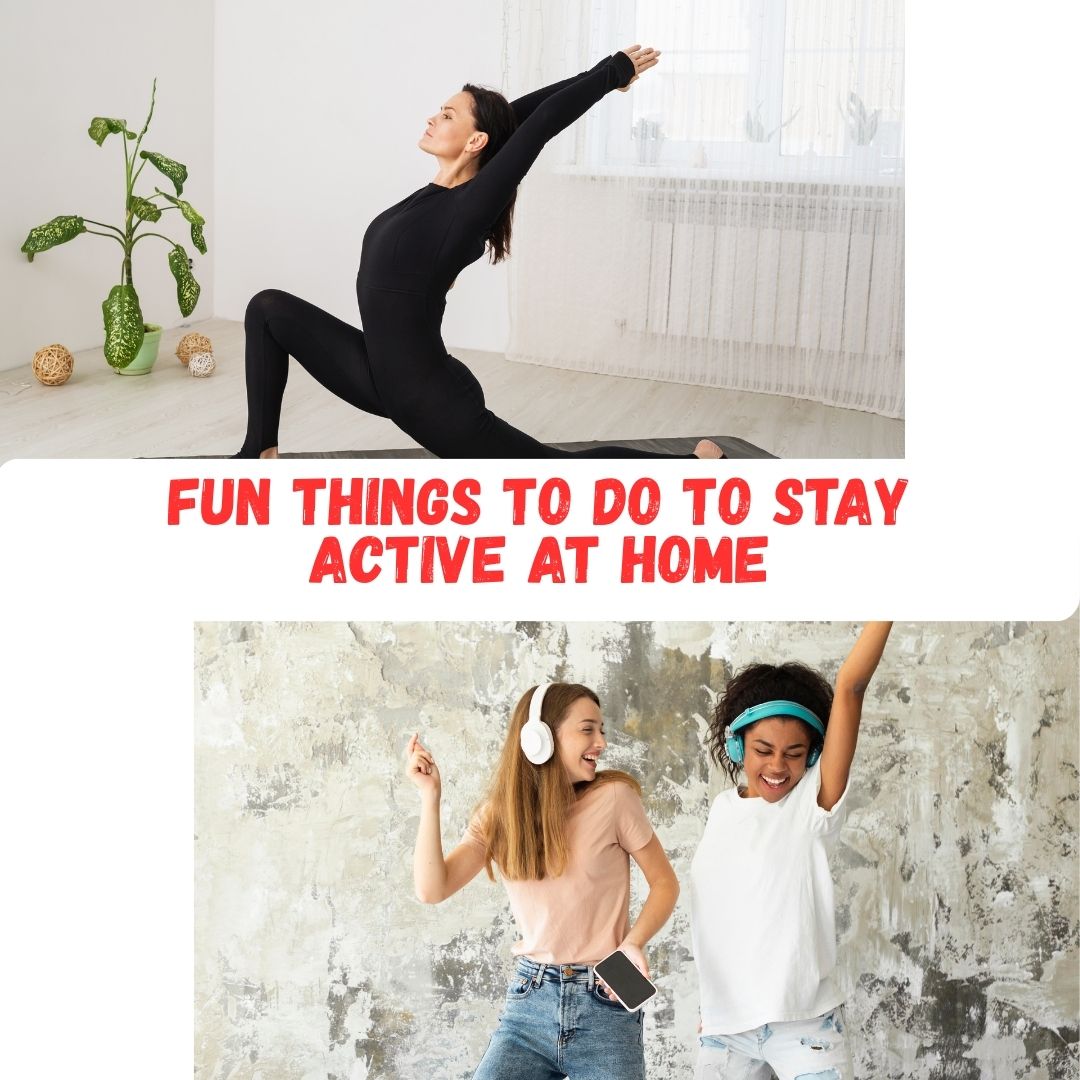
A dance party is a simple movement driven by music you already enjoy. All you need is a speaker, a phone, and a bit of floor space.
- Put on upbeat music and move freely for one song at a time.
- Follow short dance videos if you prefer a structured approach.
- Dance raises your heart rate without feeling like a workout.
Why it works: it improves stamina, coordination, and mood in minutes.
Bonus tip: solo dancing helps you unwind, while family dance-offs turn movement into shared fun and laughter.
2. Indoor Obstacle Course
An indoor obstacle course uses everyday items to create movement challenges.
- Use cushions for stepping zones, chairs for weaving, and blankets for crawling.
- Keep pathways clear and secure furniture before starting.
- Move slowly at first, then increase pace.
This improves balance, coordination, and body awareness. It works well for children and adults because you control the difficulty.
3. Active Chores
Housework already involves movement. Doing things with purpose is crucial.
- For each task, set a timer for ten minutes.
- Play music to keep pace.
- Add extra squats while tidying or lunges while hoovering.
This approach increases calorie burn while keeping your home organised. It’s practical and easy to repeat daily.
4. Yoga or Stretching Breaks
Short stretching sessions fit naturally around office tea breaks or TV time.
- Follow beginner-friendly yoga or mobility videos.
- Focus on the hips, back, and shoulders.
- Keep sessions under 15 minutes.
Regular stretching helps reduce stiffness, improve posture, and aid in managing stress, particularly after prolonged periods of indoor activity.
5. Burn some Calories

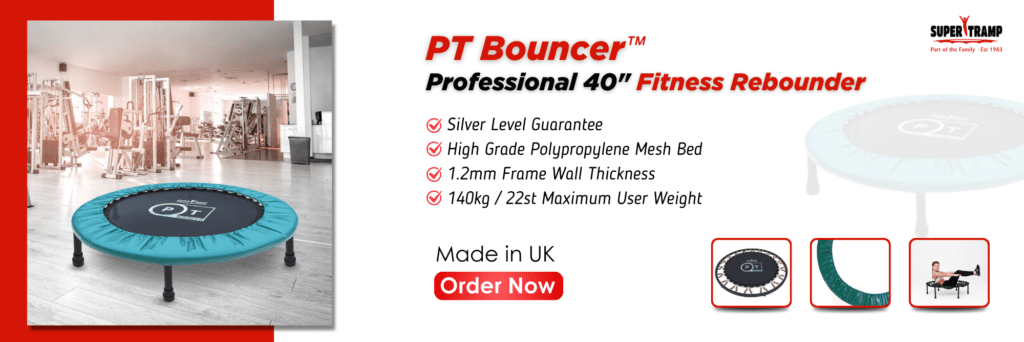
A rebounder is a small indoor fitness trampoline.
- Step on for 5 to 10 minutes between tasks.
- Use gentle bouncing rather than high jumps.
- Hold a support bar if balance feels uncertain.
Rebounding is low impact, joint-friendly, and suitable for flats because it needs little space. Brands like Super Tramp Trampoline design PT Bouncer™ Professional 40″ Fitness Rebounder specifically for safe, controlled indoor movement.
6. Game Time at Home
Games remove the pressure often linked to exercise.
- Play balloon volleyball across a sofa.
- Toss rolled socks into a laundry basket.
- Set timed bounce-style challenges using safe indoor equipment.
Games keep movement light and repeatable. You stay active without tracking reps or worrying about form, which helps consistency.
These indoor options show how fun things to do can fit naturally into daily routines without planning or pressure. Next, we’ll step outside and explore outdoor and social activities that keep movement fresh while enjoying fresh air and company.
Outdoors & Social Fun Things to do
Getting outside changes how movement feels. Fresh air, open space, and familiar places across the UK make staying active easier to repeat and easier to enjoy. These outdoor ideas focus on consistency, not intensity, and they work well for individuals and groups alike.
7. Walk and Talk

Walking becomes effortless when paired with conversation and your favourite person.
- Grab a coffee to go and walk instead of sitting.
- Keep the pace natural, so talking feels easy.
- Use regular routes to build a habit.
This is one of the most reliable fun things to do because it fits neatly into daily routines and supports both physical and social wellbeing.
8. Outdoor Games in the Park
Parks remove barriers that often stop people from moving.
- Bring a Frisbee, a badminton set, or a softball.
- Keep rules loose and sessions short.
- Choose open spaces without fixed time limits.
Movement feels lighter in parks because there’s room to pause, restart, and play without pressure.
9. Cycling and Local Hikes
The UK offers endless secure paths, canals, and countryside trails.
- Start with flat routes and short distances.
- Ride or walk solo for flexibility.
- Join local groups for motivation and safety.
This approach improves endurance while letting you explore familiar places in a new way.
10. Trampoline Park Sessions
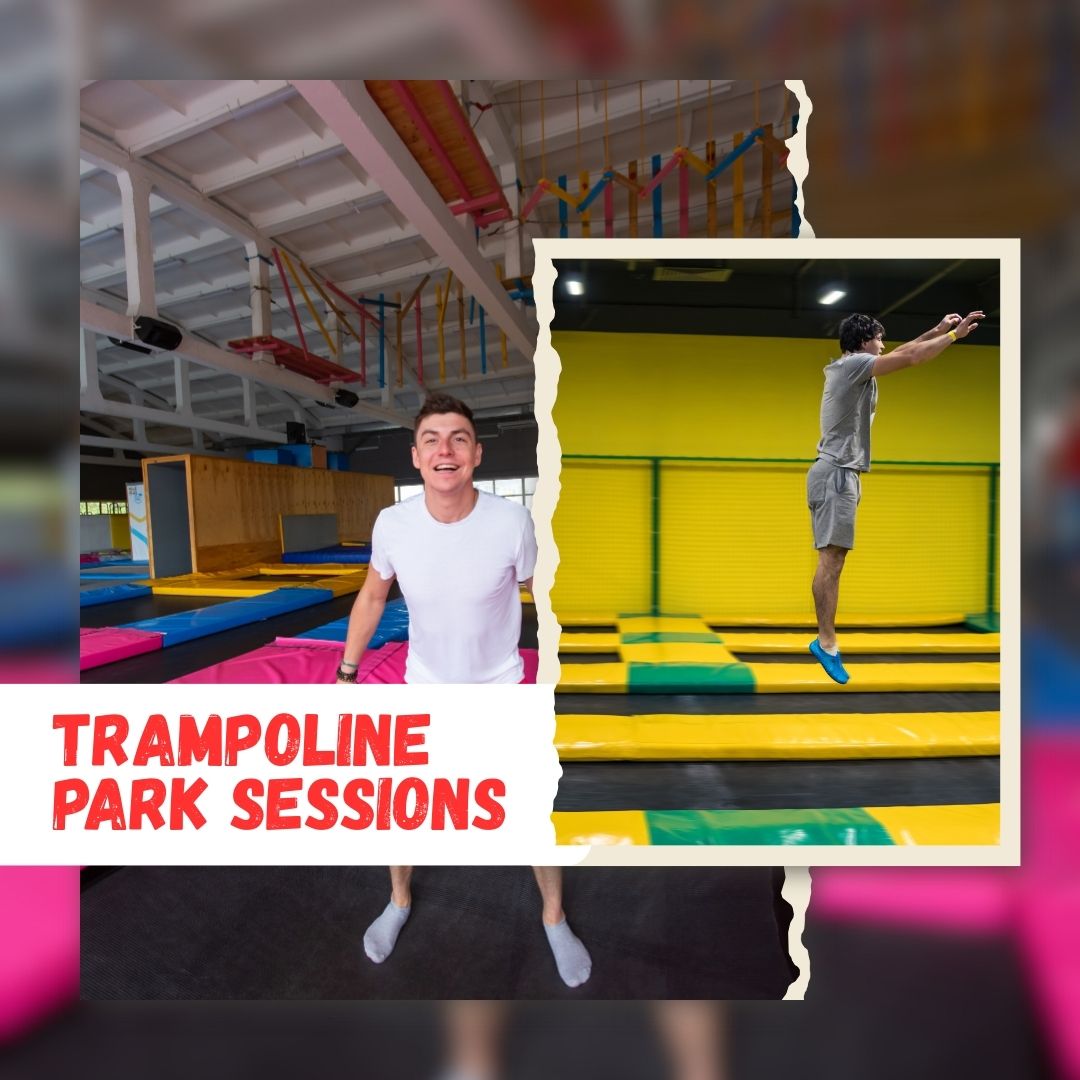
Rectangle trampoline parks offer structured movement without routine workouts.
- Expect guided areas and open jump zones.
- Suitable for adults, teens, and mixed groups.
- Always wear grip trampoline socks and follow the rules.
- Sessions improve cardio, balance, and coordination.
Short sessions feel intense but pass quickly, which helps people return regularly.

11. Adventure Parks
Adventure parks combine movement with problem-solving.
- Rope courses and climbing frames build strength.
- Group visits improve confidence through shared challenges.
- Ideal for weekends or planned outings.
These parks encourage full-body movement while keeping engagement high.
12. Parkrun
Parkrun offers free weekly 5k events across the UK.
- Walking is fully welcomed.
- No time targets or pressure.
- Strong community support.
It suits beginners who want structure without judgement and consistency without commitment fees.
13. Active Shopping Trips
Shopping already involves walking. The key is to lean into it.
- Choose high streets over short car trips.
- Walk between shops instead of rushing.
- Visit local markets for longer routes.
This adds steady movement without planning separate activity time.
14. Kayaking or Paddle Activities

Many UK locations offer calm water options.
- Start with guided beginner sessions.
- Focus on controlled strokes, not speed.
- Wear proper safety gear.
Kayaking strengthens the core and upper body while improving coordination.
15. Training Towards a Marathon
Marathon training doesn’t start with running long distances.
- Begin with walking plans.
- Add short jogging intervals gradually.
- Focus on routine, not pace.
This builds mental resilience and long-term discipline, even for those who never plan to race.
Outdoor and social activities show how movement fits naturally into everyday life without strict rules. Next, we’ll look at creative and skill-based activities that turn simple actions into engaging challenges, even when routines start to feel repetitive.
Creative & Skill-Based Fun Things to do
When routine starts to feel flat, skill-based movement brings curiosity back. These activities focus on learning, coordination, and small wins, which keep effort interesting and easy to repeat.
16. Hula Hooping
Hula hooping looks simple, yet it works the core steadily.
- Start with short sets of one to two minutes.
- Keep feet shoulder-width apart and move from the waist.
- Add daily practice after work or before dinner.
This builds core strength and rhythm without putting pressure on joints.
17. Boxing With Household Items

You don’t need equipment to box at home.
- Use a cushion or pillow as a target.
- Throw controlled punches in short bursts.
- Rest between rounds.
These quick sessions raise the heart rate and help release tension, making them one of the more practical and fun things to do indoors.
18. Flying a Kite
Flying a kite involves more movement than most expect.
- Walk while adjusting the string.
- Shift weight to stay balanced.
- Keep arms active to control direction.
It improves coordination and works well on breezy UK days without structured effort.
19. Stair Climbing Challenges
Stairs offer fast, effective cardio.
- Use stairs at home or in public spaces.
- Set time goals rather than step counts.
- Walk down slowly for recovery.
Just five minutes can improve stamina and leg strength.
20. Create Your Own Games
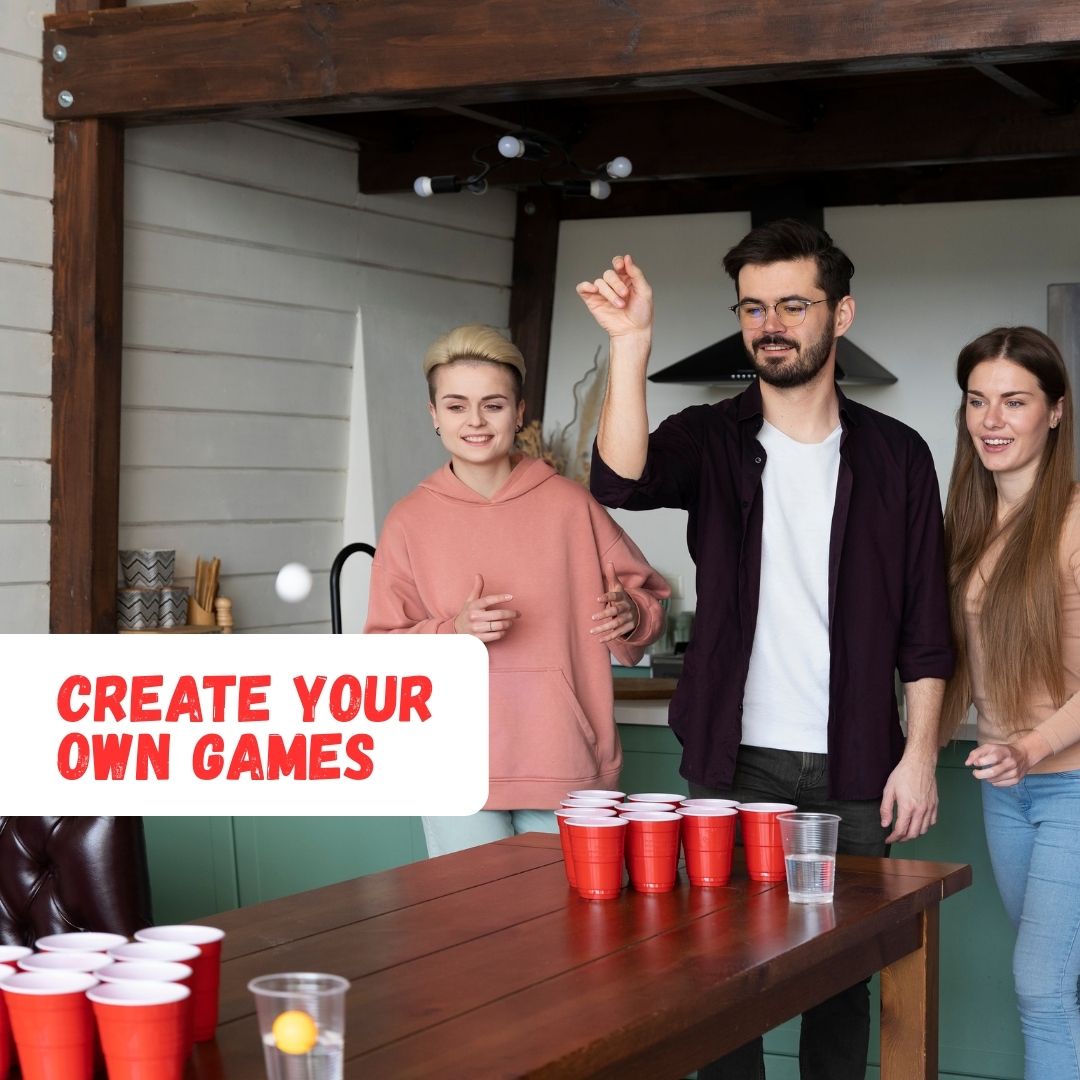
Custom games keep motivation high because they feel personal.
- Use bottles, cushions, or balls.
- Play solo or involve family.
- Change rules often to avoid boredom.
Creating your own structure makes movement flexible and sustainable.
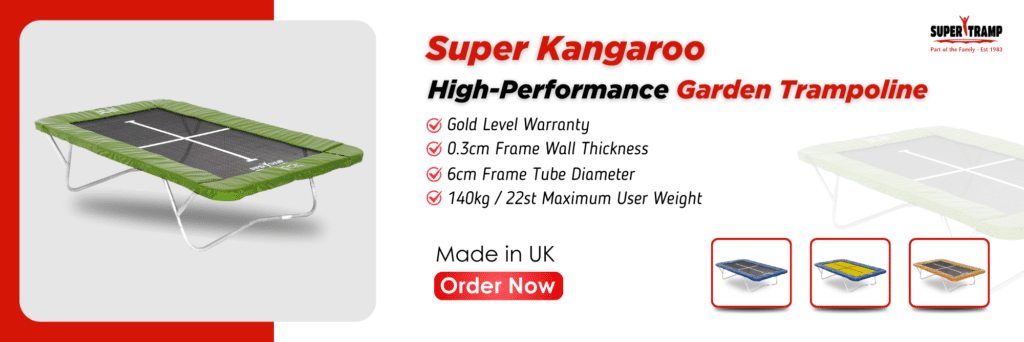
21. Bonus Spotlight
Trampolining always remains one of the most engaging full-body activities.
- Compact garden trampoline designs suit gardens and indoor spaces.
- Short sessions deliver strong cardio benefits.
- Balance and coordination improve naturally.
Brands like Super Tramp Trampoline focus on safe, durable designs that support regular movement at home without complexity.
Creative movement keeps activity fresh and personal. Up next, we’ll explore simple daily habits that quietly add movement into your routine without needing extra time or planning.
Simple Daily Habits that Make You Stay Active
Staying active often comes down to what you do without planning. These small, repeatable habits add steady movement to your day and support long-term consistency without effort.
22. Take the Stairs
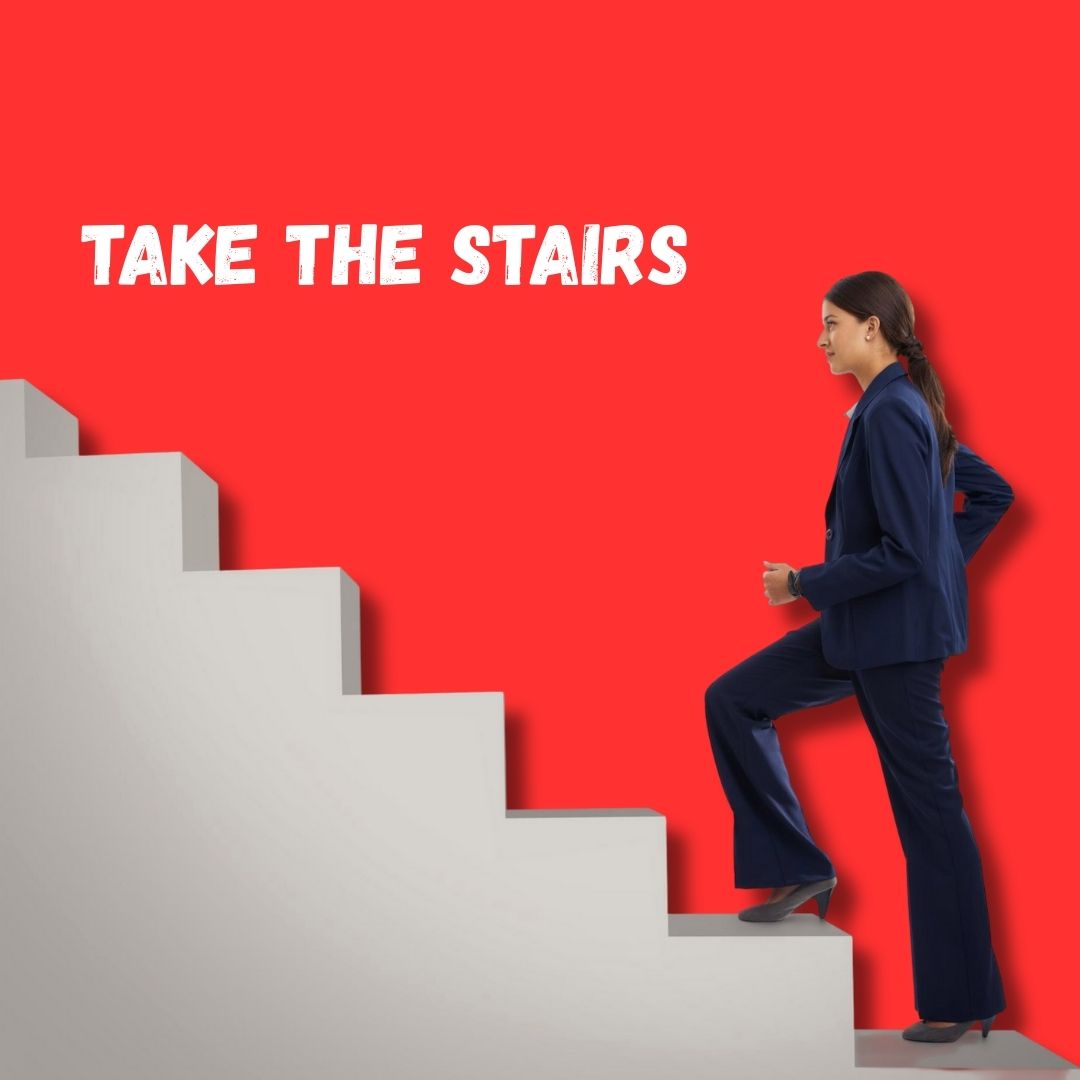
Choose stairs at stations, offices, or shopping centres. Even short climbs improve leg strength and keep joints moving.
23. Parks for Extra Steps
Add distance on purpose when parking near shops or schools. Those extra steps build daily activity without changing your routine.
24. Gardening
Digging, planting, and pruning work the arms, legs, and core. Short sessions still count and support flexibility.
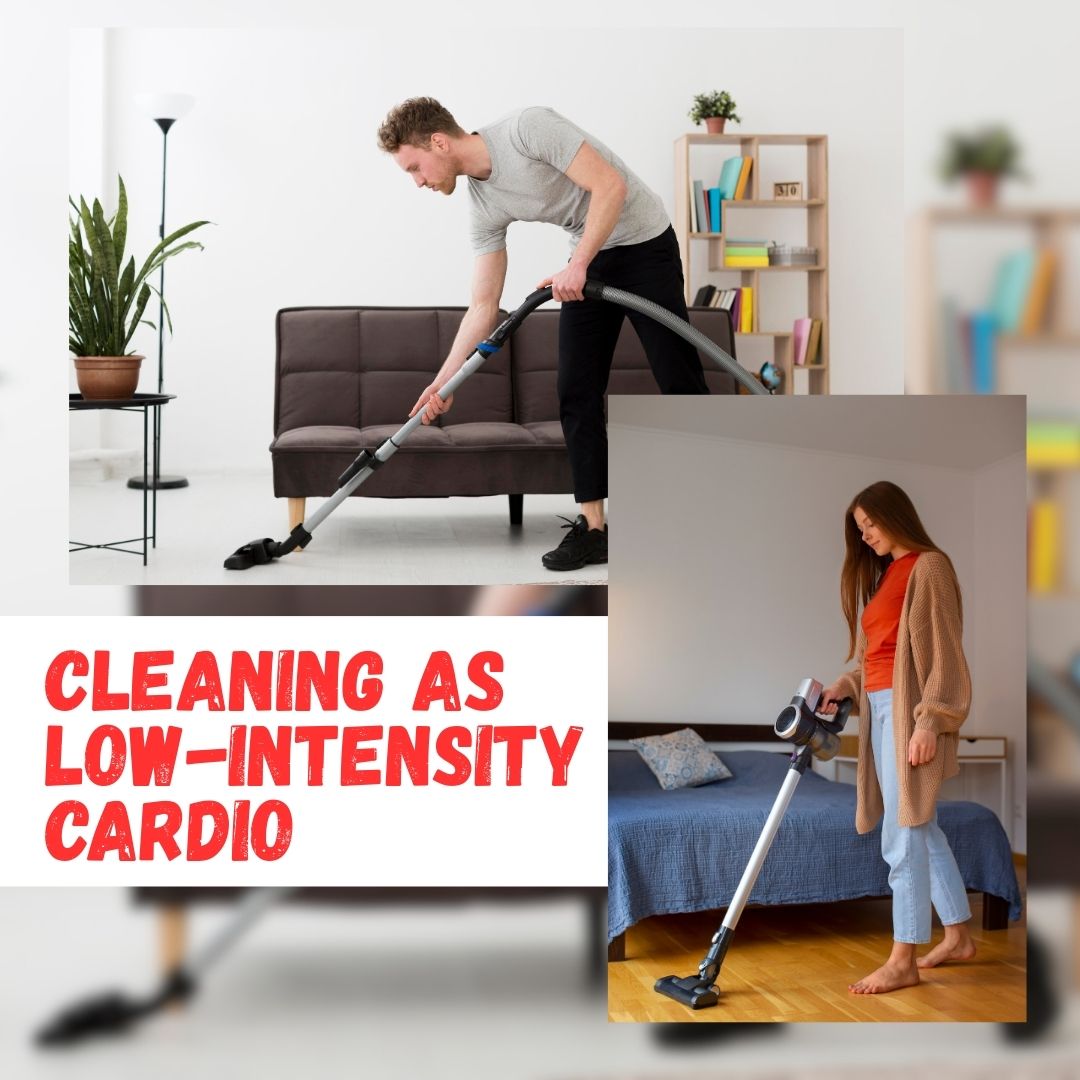
25. Cleaning as Low-intensity Cardio
26. Cooking
Shift weight, stretch calves, and move between tasks. Small motions keep the body active during long kitchen sessions.
These habits prove that fun things to do don’t always look like exercise.
Conclusion
As we’ve seen, staying active doesn’t need fixed routines, special gear, or strict plans. Simple indoor movement, outdoor time, creative play, and daily habits all prove the same point. When movement feels natural, you return to it without forcing yourself. That’s why fun things to do matter. They fit real moods, real weather, and real schedules, which makes them easier to keep up with over time.
Most importantly, progress comes from consistency, not perfection. Some days you move more, some days less, and both still count. Mix activities based on how you feel and what your day allows. If you’re looking to add active play that stays enjoyable at home, explore trampolining solutions from Super Tramp Trampoline and keep movement part of everyday life.