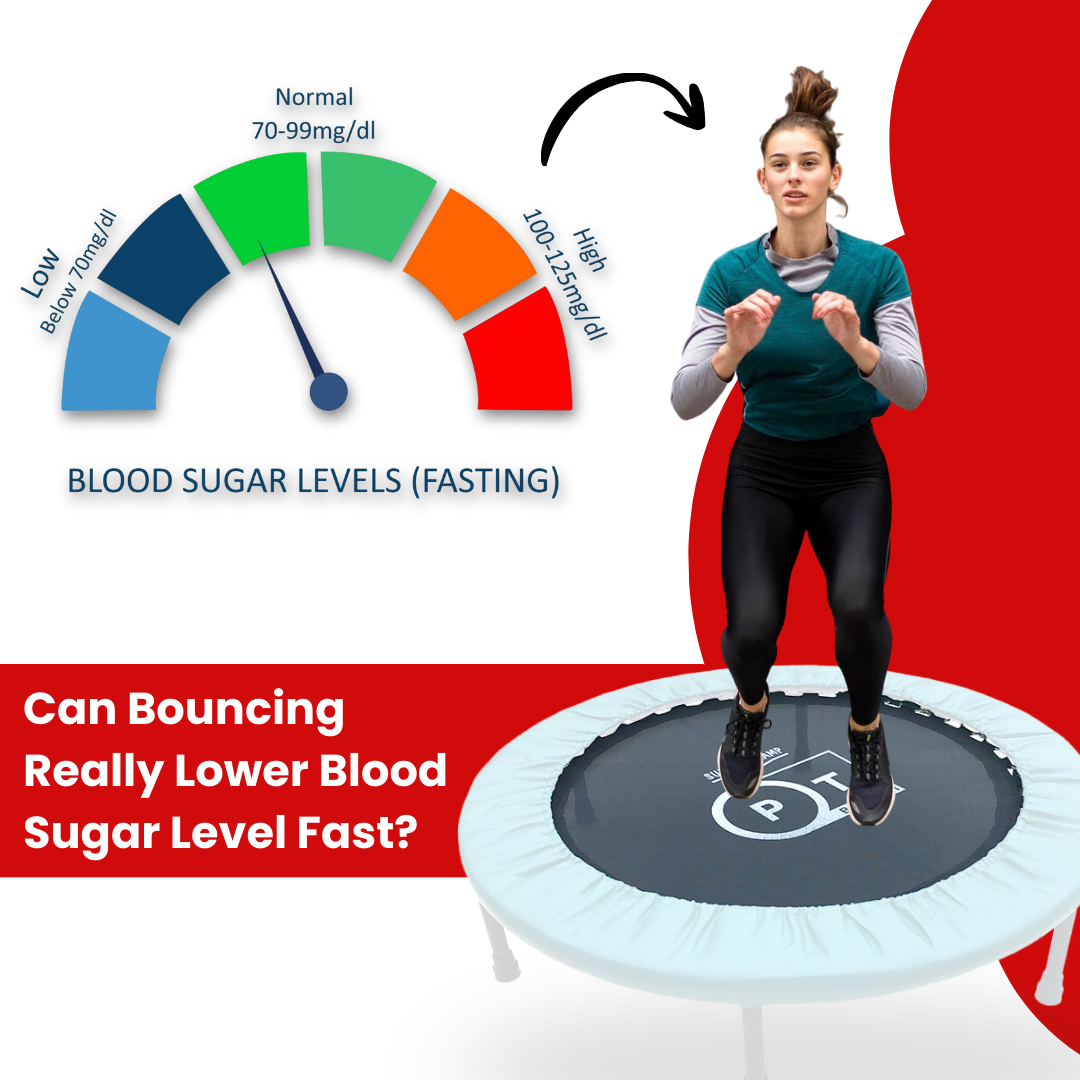

Blood sugar spikes that drain your energy, constant food monitoring, and workouts that feel more like punishment than something progressive and fun – it’s exhausting, isn’t it? If you’re trying to lower your blood sugar level fast but find yourself stuck between strict routines and low motivation, you’re not alone. Many adults managing prediabetes, diabetes, or weight concerns quietly struggle to stay consistent because most fitness plans simply don’t fit real life.

Here’s the shift. Moments and exercising don’t have to feel forced to be effective. A fitness trampoline offers a simple, low-impact way to support glucose control while keeping your body active and engaged. In this guide, you’ll understand how it works inside your body, why it helps regulate sugar levels, and how you can start with practical routines that suit your day. It’s not about doing more; it’s about doing what works and actually sticking to it.
What Actually Affects Your Blood Sugar Daily?
Managing sugar levels isn’t only about cutting sweets. Your body responds to small daily habits, and many of them quietly push your levels up or down without you realising. There are many everyday activities and circumstances that influence blood sugar levels; some of the most prevalent ones are described here.

1. Food and Drinks
- What you eat shapes how quickly glucose enters your bloodstream. Refined carbs like white bread or sugary drinks raise levels fast, while balanced meals with fibre, protein, and healthy fats slow that rise.
- Even “healthy” foods like fruit juices or granola can contain hidden sugars. A simple shift to whole foods and portion control helps support efforts to lower blood sugar levels fast.
2. Physical Activity
- When you sit for long hours, your muscles don’t use much glucose. As a result, sugar stays in your bloodstream instead of being used for energy.
- Even light movement, such as walking or stretching, helps your body absorb glucose better. Consistent activity plays a direct role in efforts to lower blood sugar level fast.
3. Insulin / Medication
- Insulin facilitates the entry of blood sugar into cells. If your body doesn’t produce enough glucose or doesn’t use it well, it builds up.
- Medication supports this process, but daily habits like movement and food choices still decide how effective it is.
4. Stress
- The hormone cortisol, which boosts blood sugar levels, is released in response to stress. Even if your diet doesn’t change, this still occurs.
- Simple habits like deep breathing or light activity can help control this response and support stable sugar levels.
5. Sleep
- Poor sleep affects how your body responds to insulin. Even one or two nights of disturbed sleep can make your body less efficient at managing glucose.
- A steady sleep routine improves overall control and supports long-term efforts to lower blood sugar level fast.
6. Hydration
- Your blood becomes more concentrated with sugar when you don’t drink enough water. This makes levels appear higher than they should be.
- Drinking enough water helps your kidneys flush out excess glucose and keeps your system balanced.
7. Hormonal Changes
- Hormonal shifts, especially during midlife, can affect how your body processes sugar. This is common in both men and women as metabolism changes.
- Being aware of these shifts helps you adjust your routine early and stay in control.
All these factors matter, but one daily habit can influence almost all of them at once…
Let’s look at how trampolining works inside your body and why it can help you lower your blood sugar level fast in a simple, practical way.
Benefits of Trampolining for Lowering Blood Sugar Level Fast

Trampolining is not just light play. It pushes your muscles to work continuously, which directly affects how your body handles glucose throughout the day.
1. Increases Insulin Sensitivity
When you bounce regularly on the best garden trampoline, your cells become more responsive to insulin. This means your body uses insulin more effectively instead of letting sugar build up. Over time, this helps lower blood sugar levels fast, especially after meals when glucose levels tend to rise quickly.

5. Supports Weight Management
Extra weight, especially around the abdomen, affects how your body uses insulin. Trampolining burns calories without putting pressure on your joints. It gives you a manageable way to stay active daily, which plays a key role in efforts to lower blood sugar levels fast and prevent further complications.
This is why many people use it to lower their blood sugar level fast without intense workouts. Let’s break down simple, effective trampoline workouts you can start right away to see real, measurable results.
Best Trampoline Workouts to Lower Blood Sugar Level Fast

You don’t need complex routines or long sessions. Simple, steady movements on a trampoline can activate your muscles and help your body use glucose more efficiently.
1. Basic Bounce
- Start with a gentle, controlled bounce on an in-ground trampoline where your feet stay in contact with the mat. Keep your posture upright and movements steady.
- This simple motion improves circulation and helps your muscles begin using glucose gradually, making it ideal if you’re just starting out to lower blood sugar level fast.
2. Trampoline Jogging
- Lift your feet slightly, as if jogging on the spot. Keep a light rhythm and use your arms naturally for balance.
- This movement mimics walking or jogging but with less strain on joints. It keeps your body active and supports continuous glucose use, which is especially useful during short breaks in your day.
3. Jumping Jacks
- Move your legs out and in while raising your arms overhead, just like a standard jumping jack but on the trampoline.
- This quickly increases your heart rate and engages multiple muscle groups at once, helping your body draw more glucose from the bloodstream to lower blood sugar level fast.
4. Torso Twists
- Turn your torso from side to side while you gently bounce on PT Bouncer™ Professional 40″ Fitness Rebounder. Maintain control over your motions and an active core.
- This exercise improves blood flow and activates your midsection, which supports better metabolic response and steady glucose control.
5. Squat Jumps
- Lower into a light squat and push up into a gentle jump. Keep it controlled and avoid going too deep if you’re new.
- This builds strength in larger muscle groups like legs and glutes, which require more glucose to function, helping you lower your blood sugar level fast and more effectively.
Quick Routine You Can Follow
- 2 minutes basic bounce
- 3 minutes of jogging
- 2 minutes jumping jacks
- 2 minutes torso twists
- 1–2 minutes squat jumps
This 10–15 minute routine fits easily into your day and keeps your body actively using glucose without feeling like a heavy workout.
Start simple, stay consistent, and focus on controlled movement rather than intensity. Now, let’s look at what kind of real, measurable changes you can expect when you stay consistent with rebound exercises.
What Changes After 12 Weeks of Rebounding?

When you stay consistent with a simple routine, your body starts responding in measurable ways. Studies on rebound exercise show clear improvements in how the body manages weight and blood sugar over time.
Key Improvements Observed
- Weight Reduction: Regular bouncing increases daily energy use. Over weeks, this leads to steady weight loss, which directly supports better blood sugar control.
- Significant Drop in Fasting Glucose (FPG): Participants showed lower fasting sugar levels. This means the body became more efficient at managing glucose even without recent activity, helping to lower blood sugar level fast and keep it stable.
- Improved BMI: A reduction in body mass index reflects better overall metabolic health. Even small changes here improve how your body responds to insulin.
- Lower Triglycerides (TG): Rebounding helps reduce fat levels in the blood. Lower triglycerides support smoother glucose processing and reduce metabolic strain.
- Reduced Insulin Resistance (IR Score): This is a key shift. The body starts using insulin more effectively, which means less sugar stays in the bloodstream for longer periods.
What This Means in Practical Terms
These changes show that consistent rebound exercise doesn’t just help you lower blood sugar level fast; it improves how your body handles sugar long term.
You may notice better energy levels, fewer sudden drops or spikes, and more stable readings throughout the day.
These results clearly show the potential, but the next question is practical.
Next, let’s look at how you can follow these routines safely and make them part of your daily life without any risk.
How to Start Safely and Stay Consistent
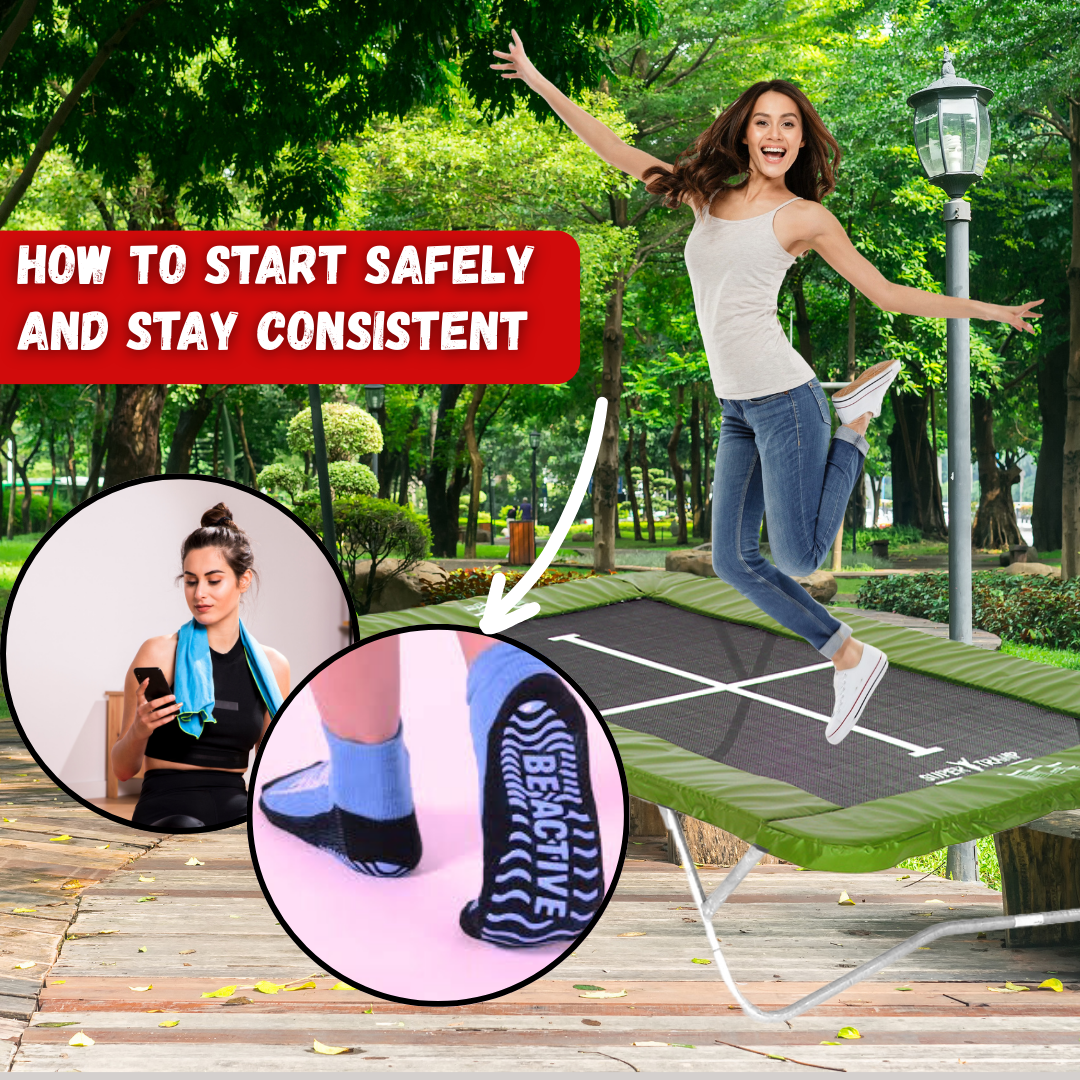
Starting right makes a real difference. Keep it simple, safe, and easy to follow so you stay consistent.
- Frequency & Duration: Begin with 10 minutes daily. As your stamina improves, extend it to 20–30 minutes to steadily lower your blood sugar level fast without strain.
- Choose Stability Features: Use a handlebar if you’re new. An anti-slip surface adds control and reduces the risk of imbalance.
- Monitor Your Progress: Check your blood sugar before and after sessions. Also note small changes like better energy and steadier focus.
- Safety First: Wear proper trampoline socks, keep the area clear, and check your equipment regularly to avoid interruptions.
Stay consistent with these basics, and you’ll build a routine that lasts.
Conclusion
It becomes evident when you consider the entire picture. Managing blood sugar is not about one strict rule but about daily habits that actually fit into your life. From understanding what affects your levels to using movement in a smarter way, each step plays a role. Trampolining stands out because it is simple, effective, and easy to stick with.
More importantly, it helps you lower your blood sugar level fast while supporting your overall health without adding pressure to your routine. Instead of working against your body, it works in tandem with it.
So start small. Stay consistent. Keep it enjoyable. That’s where real change happens.
If you’re ready to take control in a practical way, consider investing in a safe, high-quality trampoline for your home. It’s a small step that can help you lower your blood sugar level fast and build a routine you won’t give up on.