If you’re dealing with PCOS, you know how stubborn that belly fat can be. No matter how many diets you try or workouts you start, it feels like nothing works. And it’s not just because of how you look and how it’s affecting body postures, but how it affects your confidence, energy, and even your mood. Many women around the world today face the same challenge every single day, and keep on wondering what they can do to manage PCOS belly.
The truth is, PCOS isn’t just a weight issue. It’s a hormonal condition that makes your body work, look, and feel differently. Quick repairs don’t work because of this. But there are specific and effective exercises for PCOS that actually help balance hormones, burn belly fat, and make you feel better from inside and out.

In this blog, we’ll break it all down. You’ll understand what PCOS belly really means, why exercise plays such a big role in managing it, and which workouts are proven to make a difference. Plus, we’ll show you how using the right equipment, like a trampoline, can turn your routine into something you’ll look forward to every day. Let’s take it step by step and find the solution that truly works for you.
What is PCOS and Why Does It Cause Belly Fat?
Understanding PCOS is the first step to managing it effectively. Many women assume weight gain happens because of lifestyle choices, but PCOS works differently. It’s a hormonal imbalance that changes how your body stores fat and uses energy. Let’s break it down in simple terms.
The Meaning of PCOS
Polycystic Ovary Syndrome, or PCOS, is a common hormonal condition that affects how your ovaries work. Here’s what you need to know:
- It’s a Hormonal Imbalance
PCOS causes your body to produce higher levels of androgens, often called male hormones, while lowering certain female hormones that control ovulation. This imbalance affects the entire system, not just your reproductive health. - It Impacts Metabolism
Because of their sometimes slower metabolisms, women with PCOS have a harder time burning calories and gaining weight. This is why standard diet plans don’t always give expected results. - It’s More Than a Period Problem
PCOS is often linked to irregular periods, but it also influences insulin levels, fat storage, mood, and skin health. So if you’ve been trying to lose weight without success, PCOS might be the reason behind it.
Why PCOS Belly Happens
If you’ve noticed fat collecting around your midsection and nothing seems to shift it, here’s why:
- Insulin Resistance Plays a Big Role
PCOS often causes insulin resistance, meaning your body struggles to use insulin effectively. As a result, your body is encouraged to store more fat, especially around the abdomen. - Hormonal Changes Trigger Fat Storage
High androgen levels combined with insulin resistance change how your body distributes fat. Most of it settles in the abdominal region, creating what’s commonly called a “PCOS belly.” - It’s Not About Eating More
Many women blame themselves for weight gain, but PCOS weight gain is hormonal, not just lifestyle-related. It’s your body chemistry making it harder to burn fat.
PCOS belly is caused by your hormones and metabolism working against you, not just by the number of calories you consume and expend. The good news? Exercise can help rebalance this system. In the next section, we’ll see why regular exercises make such a difference for PCOS management and overall health.
Importance of Exercises for PCOS Management
Exercising daily is much more than just burning calories; it’s the best way to bring your body into balance. For women with PCOS, it can make a real difference in how your body works and how you can manage PCOS belly. Here are several reasons to prioritise being active:
Balance Hormones Naturally
Regular exercise helps regulate the hormones that drive PCOS symptoms.
- It reduces insulin resistance, so your body uses sugar for energy instead of storing it as fat.
- Lower insulin levels help control androgen production, which affects weight, skin, and hair.
- Over time, this balance can support better ovulation and overall metabolic health.
Improve Your Mood
Exercise does more than work your muscles; it helps boost your mind, too.
- It reduces cortisol, the stress hormone that often worsens PCOS symptoms.
- Movement releases endorphins, which improve mood and help fight anxiety and depression.
- Even a short daily workout can create a sense of calm and control.
Fight Inflammation
PCOS often leads to chronic low-grade inflammation, which can affect weight and overall health.
- Exercise improves autonomic function, which supports your body’s ability to manage stress.
- It lowers inflammatory markers, reducing long-term health risks linked to PCOS.
- Simple movements like walking or bouncing on a garden trampoline can make a difference.
Shrink Belly Fat
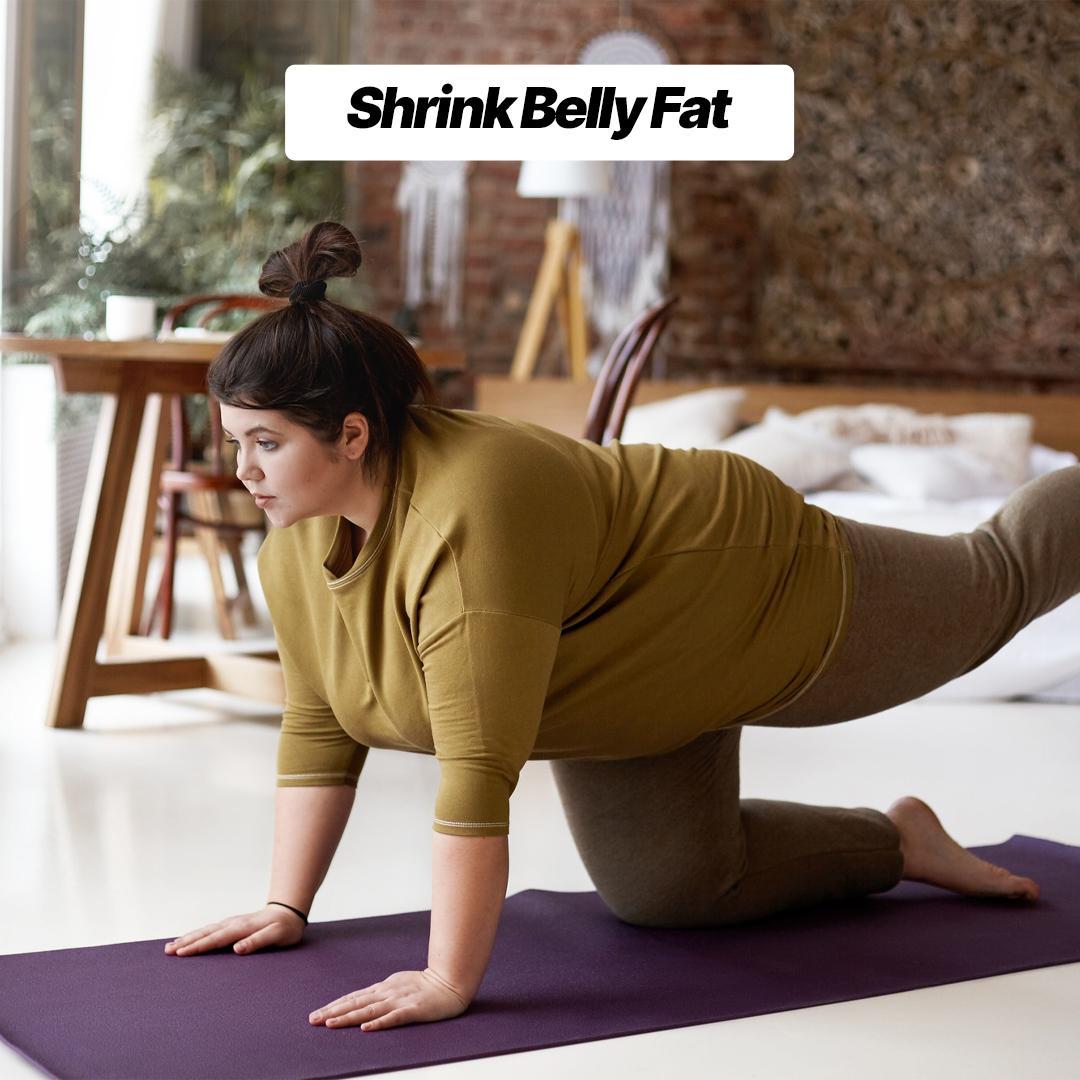
One of the toughest challenges with PCOS is abdominal fat, but exercise can target it effectively.
- Frequent exercise increases the body’s ability to metabolise fat and use it as fuel.
- Combining cardio with strength training gives better results for reducing belly fat.
- Consistency matters more than intensity, so aim for sustainable routines.
Better Sleep Quality
Sleep issues are common with PCOS, and exercise helps you rest better.
- Physical activity reduces stress levels, making it easier to fall asleep.
- Quality sleep supports hormonal balance, which is essential for managing symptoms.
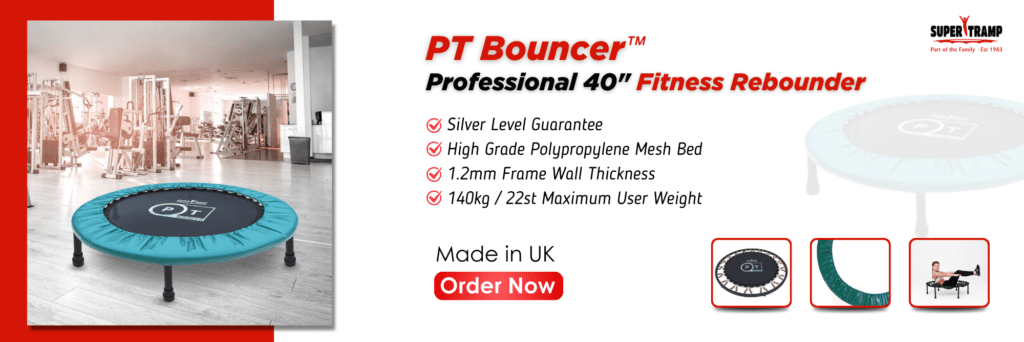
- Relaxation is encouraged by even mild evening exercise, such as mild rebounding on a fitness trampoline.
Lower Diabetes Risk
Because PCOS increases the chance of type 2 diabetes, exercise is your best defence.
- It helps control blood sugar levels by improving insulin sensitivity.
- Active muscles use glucose efficiently, reducing the need for excess insulin.
- Regular movement creates long-term protection against diabetes.
Manage Cholesterol Levels
PCOS can cause cholesterol levels to rise, putting your heart at risk.
- Exercise reduces bad cholesterol (LDL) and increases good cholesterol (HDL).
- This balance keeps arteries clear and supports cardiovascular health.
- Cardio-based activities like trampolining are excellent for maintaining healthy cholesterol.
Lower Cardiovascular Risk
Heart health matters for every woman with PCOS, and staying active lowers the risk.
- Workouts improve blood circulation, keeping your heart strong.
- They prevent plaque buildup, reducing the chances of heart disease.
- Regular activity combined with a balanced diet offers the best protection.
Support Regular Periods
Exercise influences hormonal activity, which can help restore menstrual cycles.
- Lower insulin and androgen levels promote more regular ovulation.
- Consistency in workouts is linked to improved cycle patterns over time.
- Light to moderate activities like trampolining are ideal for building a habit without overstraining.
Clear Skin and Confidence Boost
PCOS often causes acne due to hormonal imbalance, but exercise helps improve skin health.
- Reduced androgen activity means fewer acne triggers.
- Better blood flow nourishes the skin, giving it a natural glow.
- Combine exercise with proper hydration for visible results.
These benefits show why exercise is non-negotiable for PCOS management. But not every workout works the same way. In the next section, we’ll look at the best exercises for PCOS belly and why certain routines deliver better results than others.
Expert-Recommended Exercises for PCOS Belly
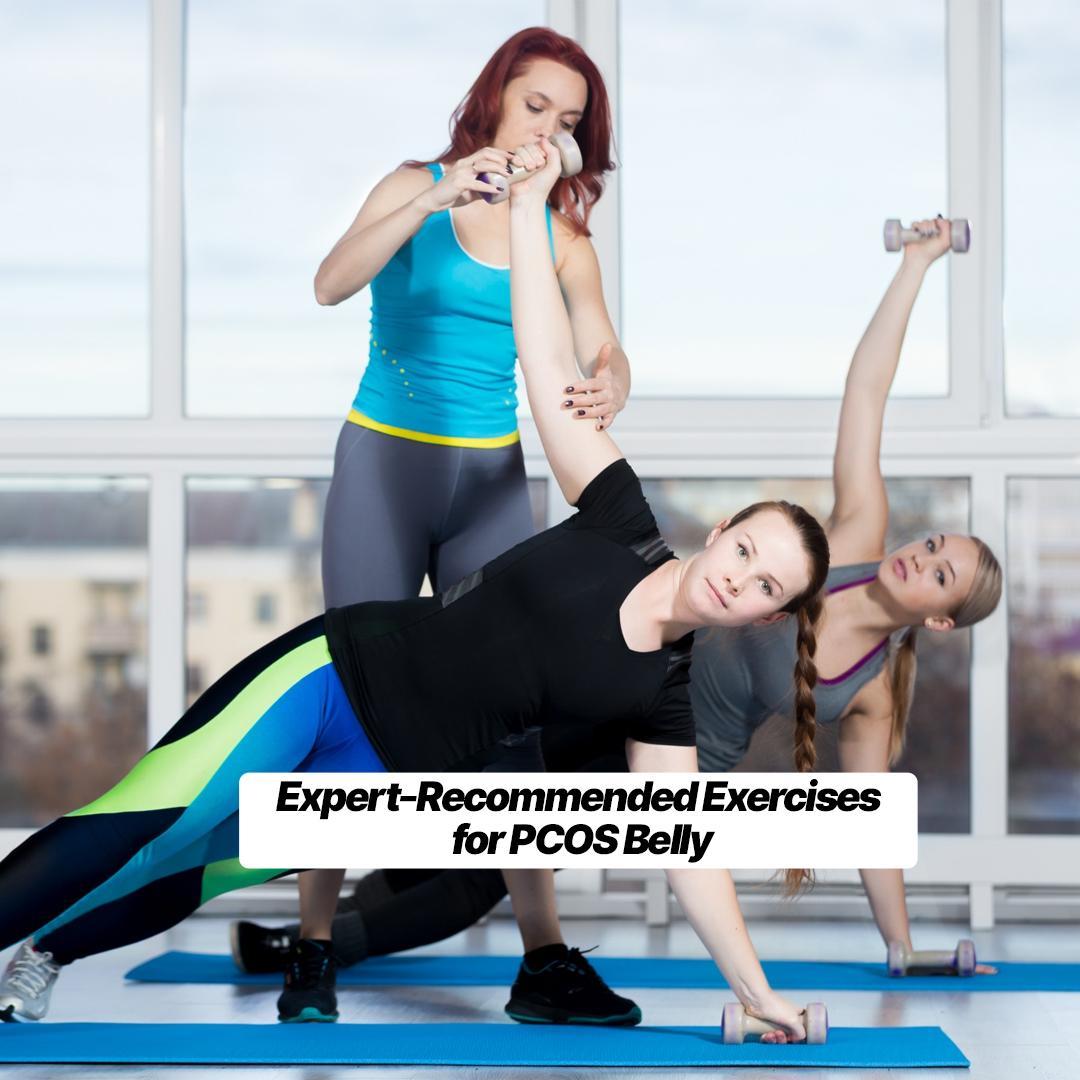
Not every workout gives the same result when you have PCOS. Some routines work better because they target insulin resistance, hormonal imbalance, and stubborn belly fat more effectively. Here are the exercises experts recommend for real results:
1. Low-Impact Cardio
Helps improve insulin sensitivity and supports weight management without overloading joints.
- Swimming – Builds endurance and cools the body while reducing stress.
- Trampoline Jogging (Rebounding) – A mini trampoline or rectangle trampoline workout that enhances lymphatic drainage, improves metabolism, and is easier on joints than running on hard surfaces.
2. Strength Training
Boosts metabolism and helps combat muscle loss often associated with hormonal imbalances.
- Bodyweight Squats – Tones the lower body and improves insulin response.
- Resistance Band Rows – Strengthens the upper body and improves posture.
- Trampoline Squat Jumps – Performed on a trampoline to add resistance and fun, reducing joint stress while activating major muscle groups.
3. High-Intensity Interval Training (HIIT)
Short bursts of effort, followed by recovery, help regulate hormones and burn fat effectively.
- Jumping Jacks on a Trampoline – Low-impact alternative to floor jumping jacks.
- Burpees – Combine strength and cardio for fat burning.
- Sprints (Alternate with Trampoline Bounce) – Alternate between a 20-second sprint and 20 seconds of fast bouncing on the trampoline for a joint-friendly HIIT routine.
4. Flexibility & Core Workouts
Improves mobility, reduces stress, and balances hormones naturally.
- Yoga – Calms the mind and reduces cortisol levels.
- Seated Bounces or Core Twists on a Trampoline – Strengthens the core muscles while adding an element of balance and stability training.
Why Experts Recommend Trampolines for PCOS Workouts
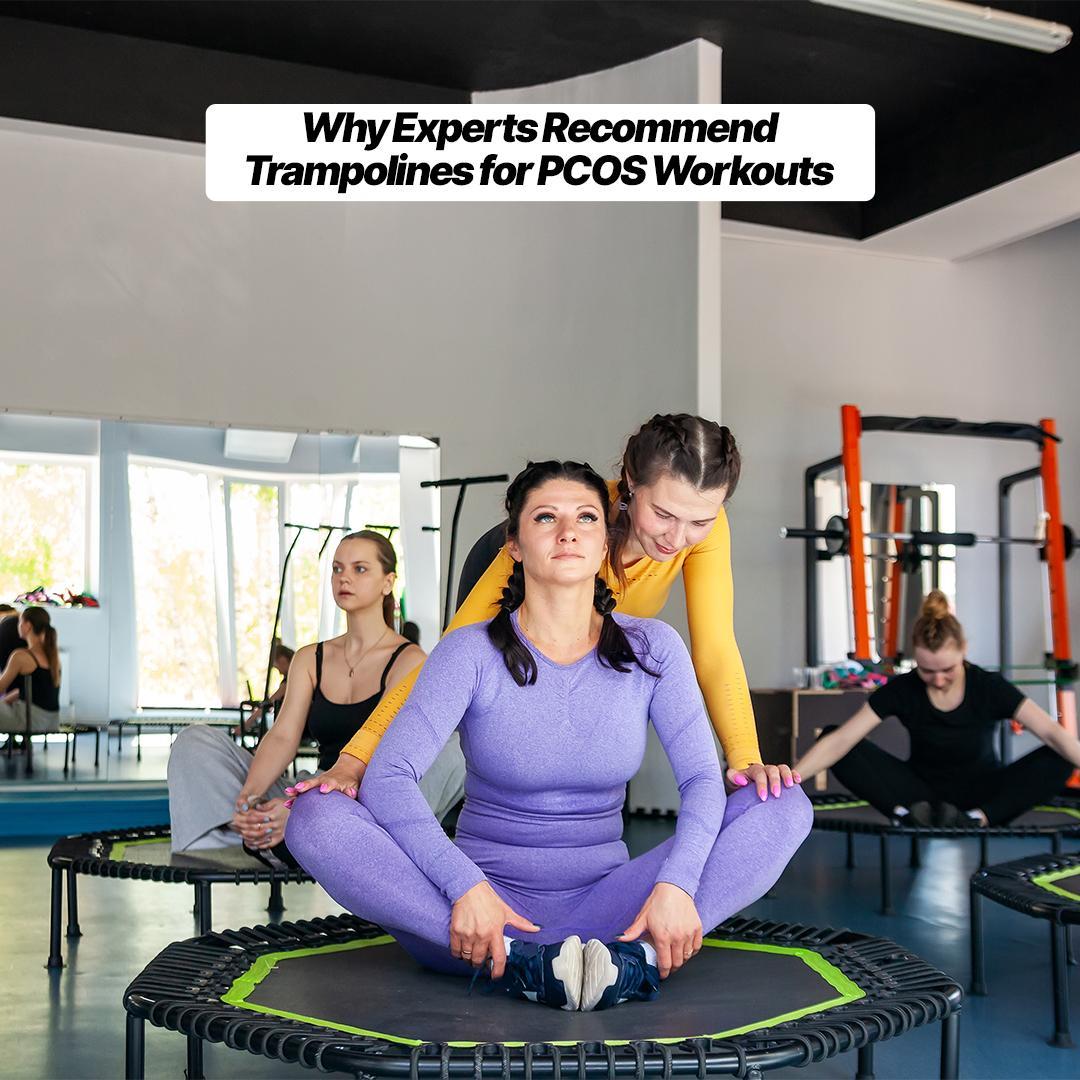
You don’t need an expensive gym membership to tackle PCOS belly. With the right tools at home, you can create an effective routine that supports hormone balance and fat loss without overwhelming your body. Here are the essential equipments every woman managing PCOS should consider:
1. Trampoline
A performance trampoline is more than just fun; it’s a highly effective fitness tool for PCOS. Here’s why it works:
- Low Impact with High Burn
- Boosts Lymphatic Flow
- Supports Heart and Hormone Health
- Keeps Workouts Fun and Stress-Free
Expert Pick: Super Tramp is a trusted UK brand known for its durability, safety, and comfort. Their trampolines are designed for home workouts, giving you the confidence to train safely every day. Always use trampoline socks for your safety.