
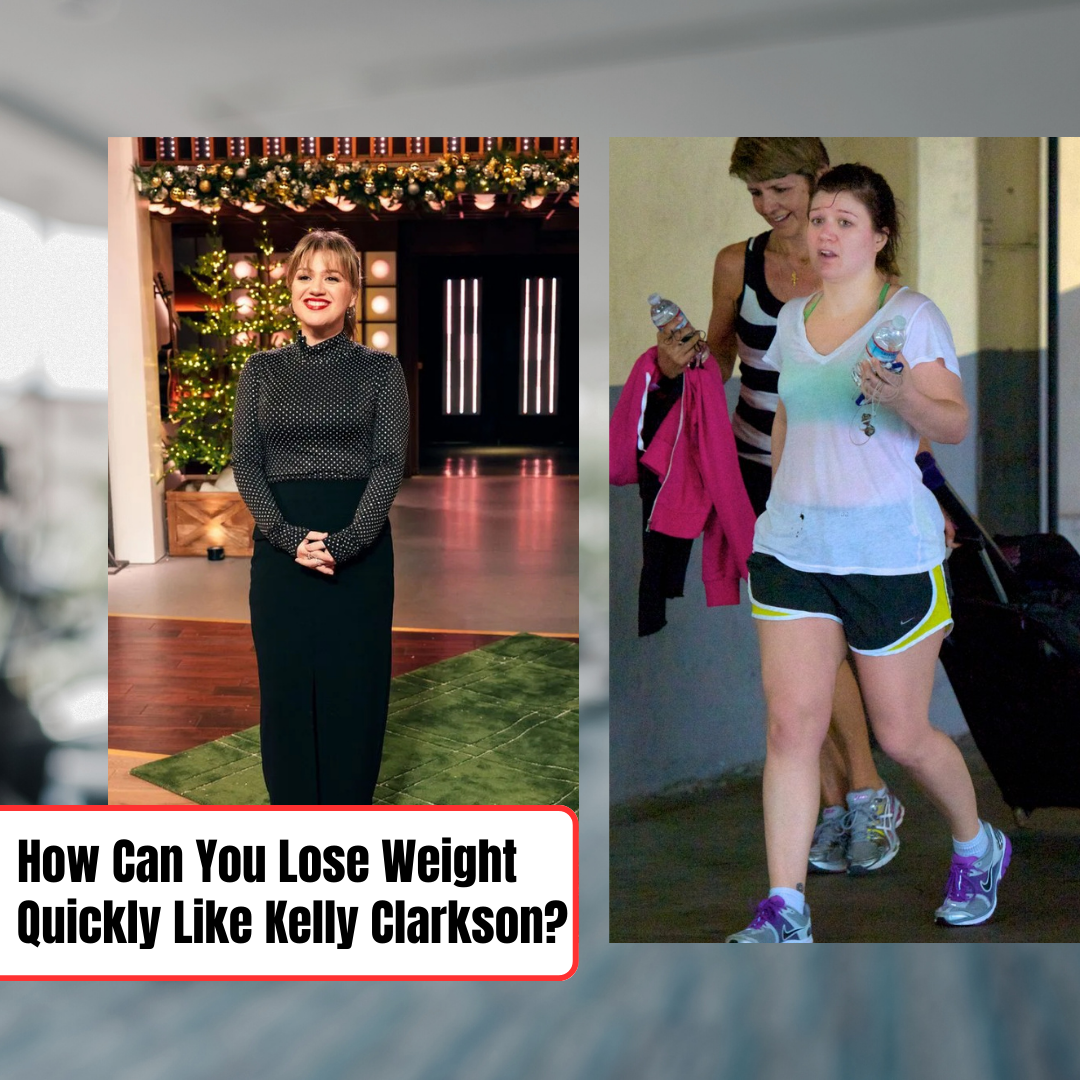
Watching the Kelly Clarkson transformation can stir up a mix of hope and quiet frustration. You want to change too, yet every new diet, every fresh routine, seems to circle back to the same question: why does losing weight feel so difficult when you are genuinely trying? If that thought has crossed your mind, you are not alone, and more importantly, you are not failing. Weight gain rarely comes from one simple cause, so lasting progress rarely comes from one quick fix.
This article steps away from headlines and focuses on what actually helps. We will look at the practical lessons behind visible success, then translate them into realistic actions you can apply in everyday life. Quick results can occur, but they must still prioritise your health, energy, and consistency. Stay with us, and let’s unpack this in a clear, honest way that makes sense.
How Did Kelly Clarkson Lose Weight?
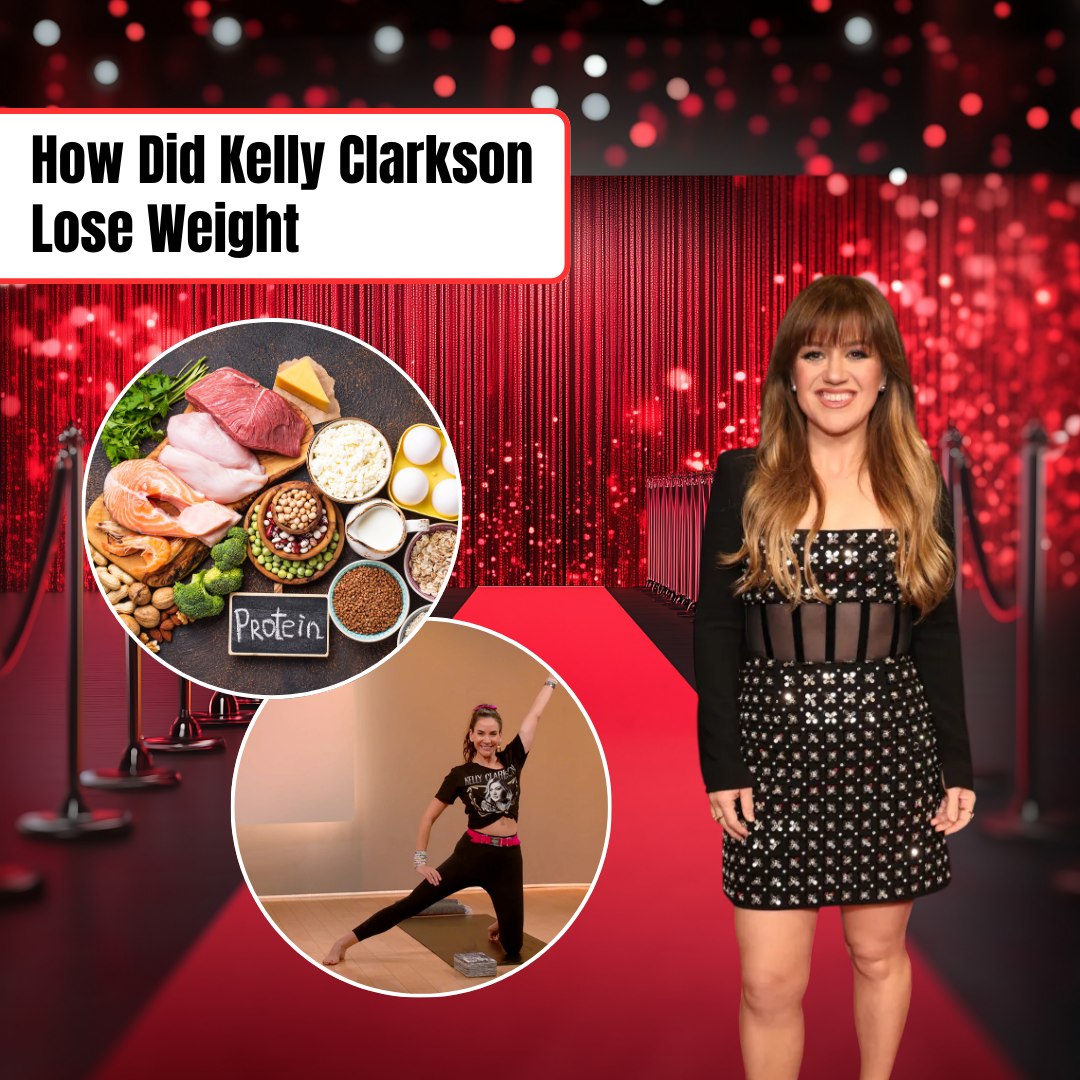
Visible transformations often look sudden from the outside. In reality, the shift usually comes from several steady changes working together. Kelly Clarkson did not rely on one dramatic tactic. Her progress reflected a combination of medical support, dietary choices, and daily habits that aligned with better health.
More importantly, the focus centred on improving internal health markers rather than chasing a visual target. That distinction changes how weight loss behaves and how long results tend to last.
What this means for you:
- Sustainable progress rarely comes from a single trick.
- Health-driven changes often produce more stable outcomes.
- Long-term habits matter more than short bursts of effort.
1. Health Challenges That Changed the Game
Kelly Clarkson openly discussed health factors that influenced her weight. These were not cosmetic concerns but metabolic and hormonal hurdles.
Prediabetes created an urgent reason to stabilise blood sugar. Thyroid imbalance and autoimmune issues added another layer of complexity, often linked to fatigue, inflammation, and unpredictable weight patterns.
Insulin resistance further complicated the picture. When the body struggles to process sugar efficiently, fat loss becomes harder despite disciplined eating or exercise.
Why these conditions affect weight:
- Hormonal shifts can slow calorie use.
- Blood sugar swings increase cravings and hunger.
- Inflammation may encourage fluid retention and energy dips.
Why medical supervision matters:
- Proper diagnosis prevents random, ineffective dieting.
- Plans for treatment focus on the underlying reasons rather than the symptoms.
- Progress tracking becomes safer and more precise.
2. The Medical Strategy Explained Simply
Medical guidance played a clear role in Kelly Clarkson’s approach. Under professional care, she used prescription support aimed at improving how her body handled blood sugar.
This step was not positioned as a shortcut. Instead, the goal focused on restoring metabolic balance, which often makes other lifestyle efforts more effective.
3. Dietary Changes That Supported Her Progress
Food adjustments formed another core element. Kelly Clarkson leaned toward protein-rich meals and nutrient-dense whole foods while reducing processed sugars.
This style of eating typically supports appetite control and steadier energy. Fewer blood sugar spikes often translate into fewer cravings and more predictable hunger signals.
She also referenced principles from The Plant Paradox, which emphasises food awareness and sensitivity to ingredients that may trigger inflammation for some individuals.
4. Movement and Lifestyle Habits
Daily movement quietly strengthened the overall strategy. Living in New York naturally increased walking, which adds consistent calorie burn without structured workouts.
This pattern highlights an often-missed truth. Regular low-effort activity across the day can rival occasional intense gym sessions.
Clarkson also spoke about lifestyle practices like infrared sauna use and listening to her body’s needs. While not weight loss tools on their own, such routines can support recovery and stress management.

Actionable movement insights:
- Increase natural movement like jumping jacks on a trampoline before chasing complex routines.
- Walking remains one of the most reliable fat loss supports.
- Consistency usually beats intensity for long-term adherence.
Kelly Clarkson’s results emerged from aligned, practical adjustments rather than a single dramatic move. Medical care, food quality, and daily activity reinforced one another.
There is no universal formula to copy. However, the underlying principles remain widely applicable: address health barriers, simplify nutrition, and move more throughout the day.
Up next, let’s look at a tool that supports these same principles while fitting easily into busy routines.
How a Trampoline Can Support Faster, Safer Weight Loss
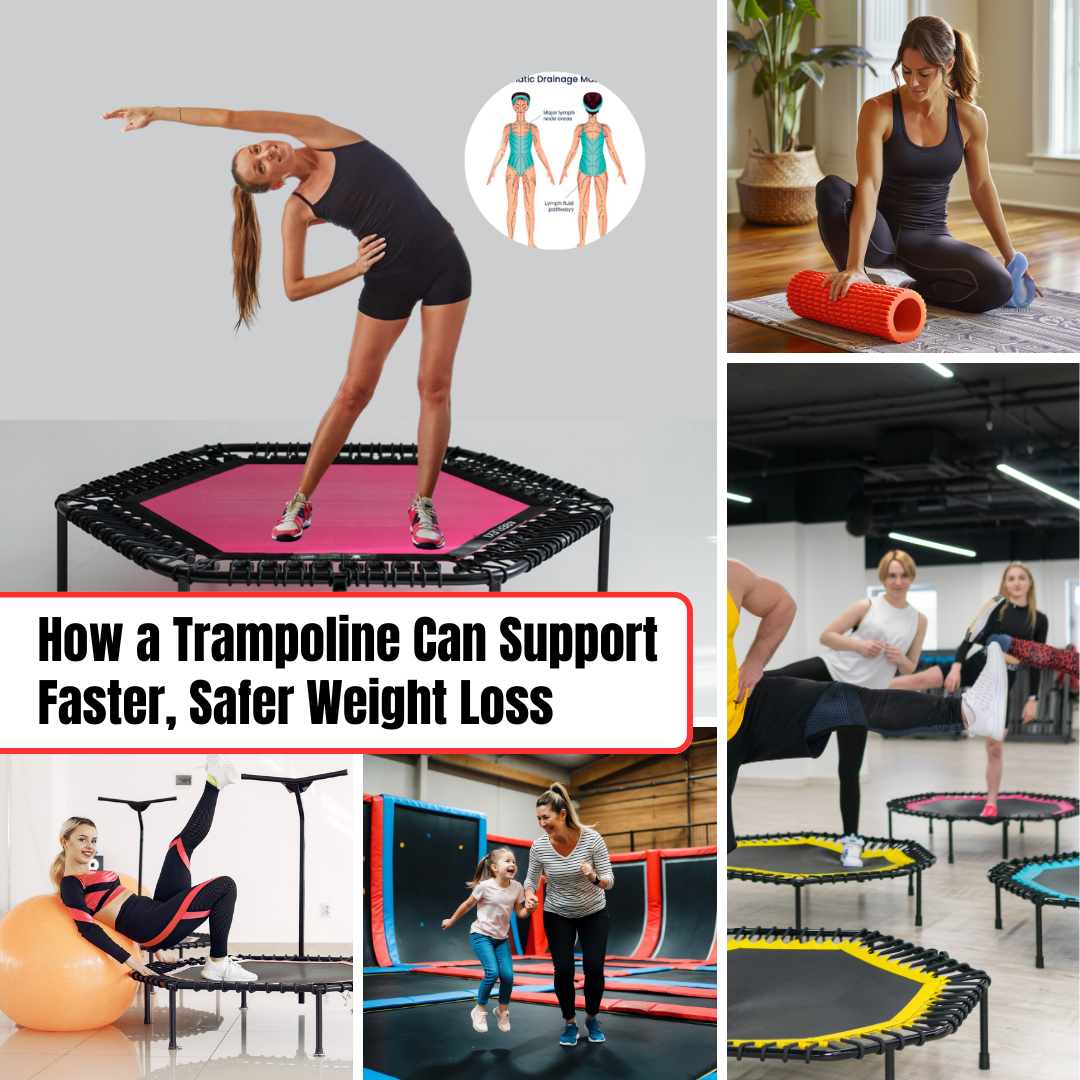
When workouts start feeling like a task & challenge, consistency takes a back seat. A garden trampoline changes how movement feels while still delivering serious physical benefits.
1. High Calorie Burn Without Long Workouts
Rebounding demands constant control against gravity. Each bounce activates stabilising muscles, which increases energy use even during short sessions.
Fitness research often highlights a simple comparison known as the 10 for 30 concept. Around ten minutes of steady jumping can rival the calorie burn of a much longer jog, depending on intensity.
Even longer workouts also feel easier to commit to. Most people can fit ten or fifteen minutes into a busy day without the mental resistance linked to lengthy routines.
Practical pointers:
- Short sessions reduce excuses and scheduling stress.
- Intensity can be adjusted without complex planning.
- Consistent effort matters more than workout length.
2. Full Body Engagement That Boosts Metabolism
Unlike many traditional exercises, a rectangular trampoline challenges balance with every movement. The body responds by recruiting multiple muscle groups at once.
Core muscles remain active throughout the session. Legs, hips, and even upper body muscles contribute to control and stability, especially when you vary movements.
This broader muscle involvement supports what trainers often call the afterburn effect. The body continues using extra energy after exercise as it restores normal function.

Improved circulation may help reduce temporary fluid retention. Many people report feeling less heavy or bloated when regular movement becomes part of their routine.
While not a fat loss mechanism, this effect can influence how the body feels during early fitness changes.
Helpful context:
- Supports natural fluid movement within the body.
- May reduce sensations of puffiness or stagnation.
- Complements broader lifestyle adjustments.
5. Most Fun Workout
Rebounding tends to feel playful rather than rigid. That shift can positively influence adherence, which remains the strongest predictor of visible progress.
Enjoyable movement also encourages stress relief. Reduced tension can indirectly support healthier routines around sleep, food choices, and daily activity.
Consistency benefits:
- Pleasant workouts increase repeat behaviour.
- Lower mental resistance improves habit formation.
- Sustainable routines drive long-term outcomes.
Practical Routine Example
A trampoline routine does not require complex programming. Simple intervals work well and adapt easily to different fitness levels.
Start with gentle bouncing to establish rhythm and balance. Then alternate brief periods of higher energy movement with slower recovery phases.
Beginner-friendly structure:
- 2 minutes of light bouncing.
- 1 minute of faster jumps or high knees.
- 1 minute of relaxed recovery bounce.
- Repeat for 10 to 15 minutes.
Maintain control rather than speed. Gradually increase intensity as coordination and comfort improve.
A trampoline alone does not replace nutrition or health awareness. However, it can make regular movement easier to sustain, which plays a central role in weight management.
Next, let’s look at common mistakes that often slow progress, even when effort feels consistent.
Common Mistakes to Avoid

Progress often slows not from lack of effort, but from common missteps that quietly work against the body.
- Overrestricting calories: Eating too little can reduce energy, increase cravings, and slow metabolic function. Balance always works better than extremes.
- Chasing quick fixes: Short-lived tactics rarely hold. Stable habits produce steadier, safer outcomes.
- Ignoring health signals: Unusual fatigue or weight shifts deserve attention. Medical guidance prevents wasted effort.
- Not using proper accessories and spares: avoiding using grip trampoline socks and not checking spares can result in injuries.
- Dieting without movement: Food choices alone rarely deliver optimal results. Regular activity supports fat metabolism.
- Expecting instant change: Visible progress needs repetition. Consistency shapes reliable results.
Next, let’s bring everything together into a practical action plan.
Quick Start Checklist for Readers
Lasting progress usually begins with simple, repeatable actions rather than dramatic changes.
- Prioritise protein-rich meals to support satiety and muscle maintenance.
- Stay aware of sugar intake, especially from drinks and packaged snacks.
- Commit to daily movement; even light activity counts.
- Add short trampoline sessions to increase energy use efficiently.
- Protect sleep and recovery to stabilise hunger and energy.
- Seek medical advice when needed to address hidden barriers.
Now, let’s wrap everything into a clear closing perspective.
Conclusion
Quick weight loss often sounds appealing, yet lasting change rarely depends on speed alone. Efficient progress grows from choices you can repeat comfortably, not from extreme routines that quickly fade.
Kelly Clarkson’s journey reflects this clearly. Her results followed structured adjustments, health awareness, and consistent daily actions rather than a dramatic, short term fix.
For anyone pursuing weight loss, the practical focus should remain simple. Choose forms of movement that feel enjoyable, manageable, and easy to sustain within normal life.
This is where trampoline workouts naturally fit. They encourage regular activity, minimise strain, and make consistency far easier to maintain, which ultimately drives real, visible progress over time.