The days blur together, sleep feels broken, your body feels different, and somewhere between feeding, soothing, and simply getting through the day, a familiar worry often appears. And if you are someone who has gained a lot of weight during pregnancy, we will tell you how you can lose weight while breastfeeding, when your body already feels stretched in every direction. Many new mothers carry this thought silently. Alongside the joy of welcoming a baby come unexpected changes. Hair shedding, shifting hormones, stubborn weight, and a feeling that your old self is just out of reach.
Nothing about this phase is simple, yet nothing about it is a failure either. Your body has done something extraordinary. Like a house rebuilding after a beautiful storm, it needs the right kind of care, not harsh correction. This guide walks you through safe, realistic ways to approach weight loss while protecting your energy, recovery, and milk supply. Stay with us, because small adjustments can make a remarkable difference.
Safe and Efficient Weight Loss Techniques for Nursing Mothers
Can you lose weight while breastfeeding? Yes, you can, but the approach must support recovery, energy levels, and steady milk production rather than push rapid results.
Here are some safe yet most effective ways to help you lose weight while breastfeeding:

1. Wait for the Right Time
Starting a weight loss journey just after giving birth should never be the first priority. Your body needs time to heal, while your milk supply needs time to stabilise. That’s why health professionals advise waiting roughly 6 to 8 weeks before intentionally reducing weight. This window allows physical recovery and lowers the risk of disrupting feeding patterns.
A quick chat and checkup with your GP or midwife helps you start your journey with confidence.
2. Manage Calories Without Harming Milk Supply
Breastfeeding naturally increases your daily energy needs. Cutting food too sharply for weight loss often leads to fatigue, low mood, and reduced milk output. Crash dieting places unnecessary stress on a body already working hard. A moderate calorie adjustment works far better and feels more sustainable.
Many nutrition experts recommend staying above a safe minimum intake. A gentle calorie deficit typically supports gradual fat loss without shock to the system.
3. Focus on Foods That Support Fat Loss and Energy
Food quality plays a direct role in managing hunger, sustaining energy, and supporting physical recovery after childbirth. Balanced meals help regulate appetite without forcing strict or uncomfortable dieting patterns. Prioritising protein-rich foods can make a noticeable difference, as options like eggs, yoghurt, lentils, fish, and lean meats help you stay fuller for longer and reduce unnecessary snacking.
Alongside protein, slow-release carbohydrates such as oats, whole grains, and fibre-rich vegetables provide steady energy throughout the day. Including moderate portions of healthy fats, such as nuts, seeds, and avocados, further supports hormone balance and overall satiety.
4. Hydration is Key
Breastfeeding places higher demands on your body’s fluid levels, often more than many new mothers realise. Even mild dehydration can increase feelings of tiredness and sometimes lead to unnecessary snacking, as thirst is easily mistaken for hunger. A practical and easy habit is to drink water each time you sit down to feed, which helps maintain hydration without requiring extra effort or reminders.
At the same time, it is worth paying attention to liquid calories that can quietly affect overall intake. Sugary drinks and packaged juices tend to add excess calories without providing lasting fullness or nutritional value. In contrast, water, milk, and lower-sugar alternatives typically support better energy balance throughout the day.
5. Gentle Movement Over Intense Workouts
Postpartum bodies typically respond more positively to gradual, low-impact movement rather than intense workouts. Starting too aggressively can often result in discomfort, excessive fatigue, or loss of motivation, which makes consistency harder to maintain.
Gentle activities such as light trampoline sessions, light stretching, and controlled home-based exercises offer a practical and sustainable starting point while also helping improve circulation and rebuild physical stamina. Moderate exercise does not usually interfere with milk production, and many women notice improvements in energy levels and mental clarity once regular movement becomes part of their routine.

6. Lifestyle Factors That Quietly Affect Weight
Sleep disruption has a direct effect on hunger regulation and energy balance, which can make weight management feel more difficult than expected. When sleep becomes inconsistent, the body often responds with increased cravings and reduced metabolic efficiency, creating a cycle that feels hard to control. Resting whenever the opportunity arises helps support hormonal balance and reduces unnecessary fatigue.
Stress also plays an important role in how the body stores and releases weight, as elevated stress hormones can slow fat loss and increase feelings of exhaustion.
Healthy weight loss while breastfeeding relies on patience, nourishment, and realistic habits rather than extreme measures. With these foundations in place, the next question naturally follows: which forms of exercise work best during this phase?
Can Trampolining Help You Lose Weight While Breastfeeding?
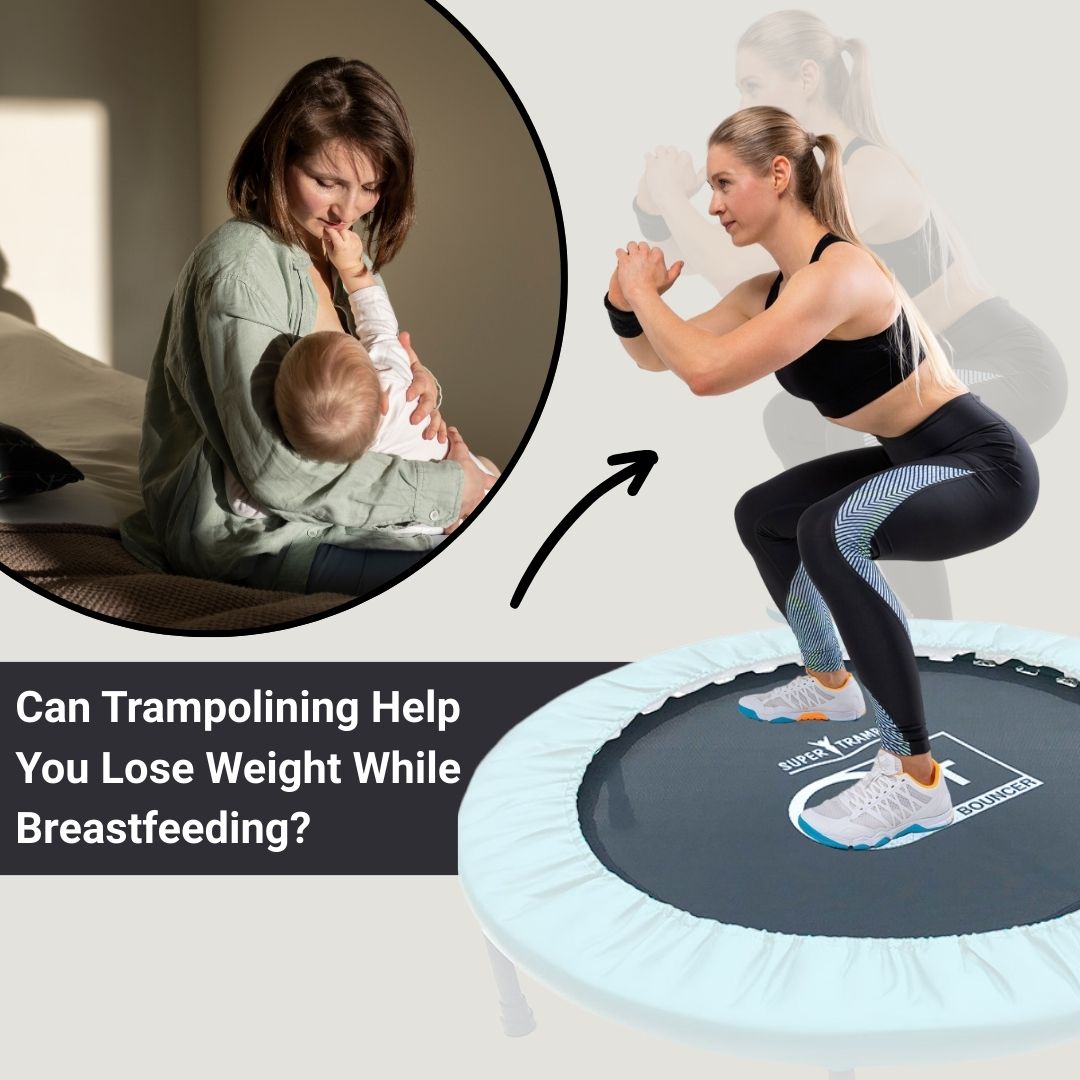
Many new mothers look for exercise that feels manageable, effective, and safe during breastfeeding. Rebounding offers a practical option because it combines noticeable calorie burn with controlled, low-impact movement. Unlike high-strain workouts, in-ground trampolines place less stress on joints while still engaging multiple muscle groups.
Let’s look at why this works.
Benefits of Rebounding for Breastfeeding Mothers
Fitness trampoline stands out as a realistic form of movement during the breastfeeding phase. It supports weight management, physical comfort, and daily practicality without demanding long or exhausting sessions.
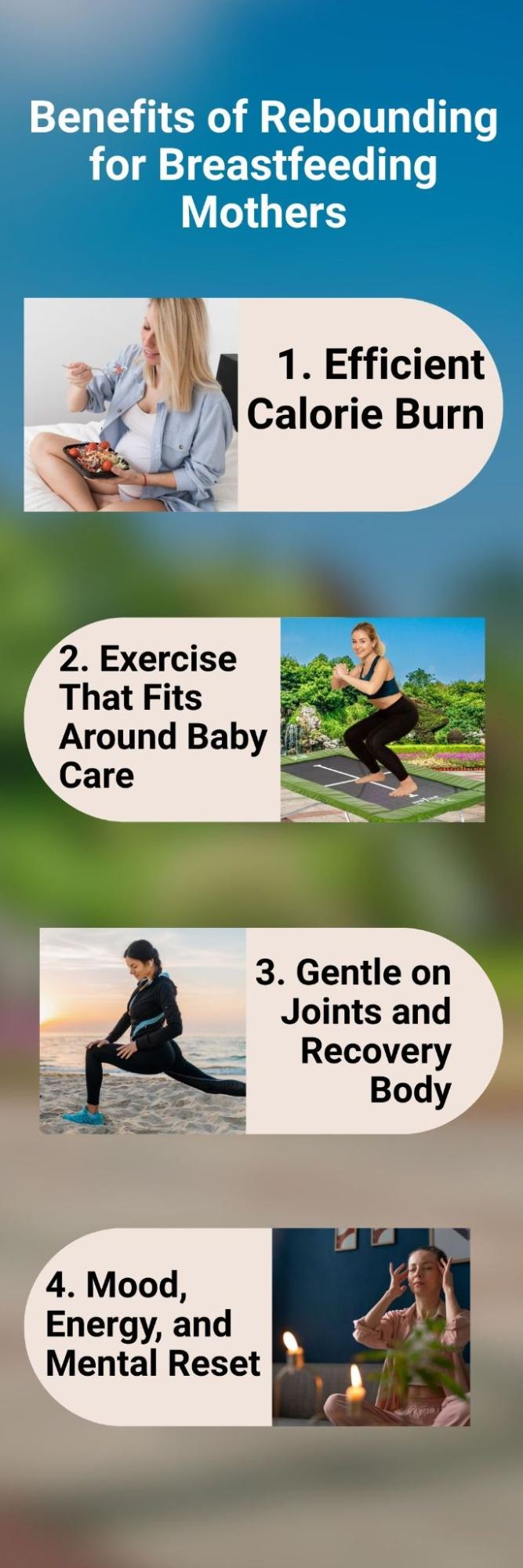
1. Efficient Calorie Burn
- The PT Bouncer™ Professional 40″ Fitness Rebounder activates multiple muscle groups at the same time, which increases energy use compared with slower activities.
- In simple terms, short sessions can match or even exceed the effort of longer walks.
- For busy mothers, this time efficiency matters. A brief, consistent routine often fits more easily into unpredictable schedules than extended workouts.
2. Exercise That Fits Around Baby Care
- Home-based workouts remove common barriers such as travel time and childcare arrangements.
- A garden trampoline makes regular movement more realistic during early motherhood.
- Even a few minutes of rebounding can be done without disrupting daily responsibilities.

3. Gentle on Joints and Recovery Body
- Postpartum bodies often experience temporary joint sensitivity and reduced core stability.
- Low-impact movement helps minimise unnecessary strain during recovery.
- Trampolines can also help you if you have PCOS belly fat.
- Rebounding absorbs much of the landing force through the mat.
- This provides a more forgiving experience than many hard surface exercises.
4. Mood, Energy, and Mental Reset
- Physical movement influences more than just calorie expenditure.
- Many women report improved alertness and mental clarity after light activity.
- Rhythmic, controlled bouncing can also help release built-up tension.
- This makes rebounding feel refreshing rather than physically draining.
Rebounding’s benefits extend beyond convenience and calorie burn, yet safe practice remains essential.
Before starting, it is important to understand the key safety considerations for breastfeeding and postpartum exercise.
Safety Tips Mothers Must Know Before Starting
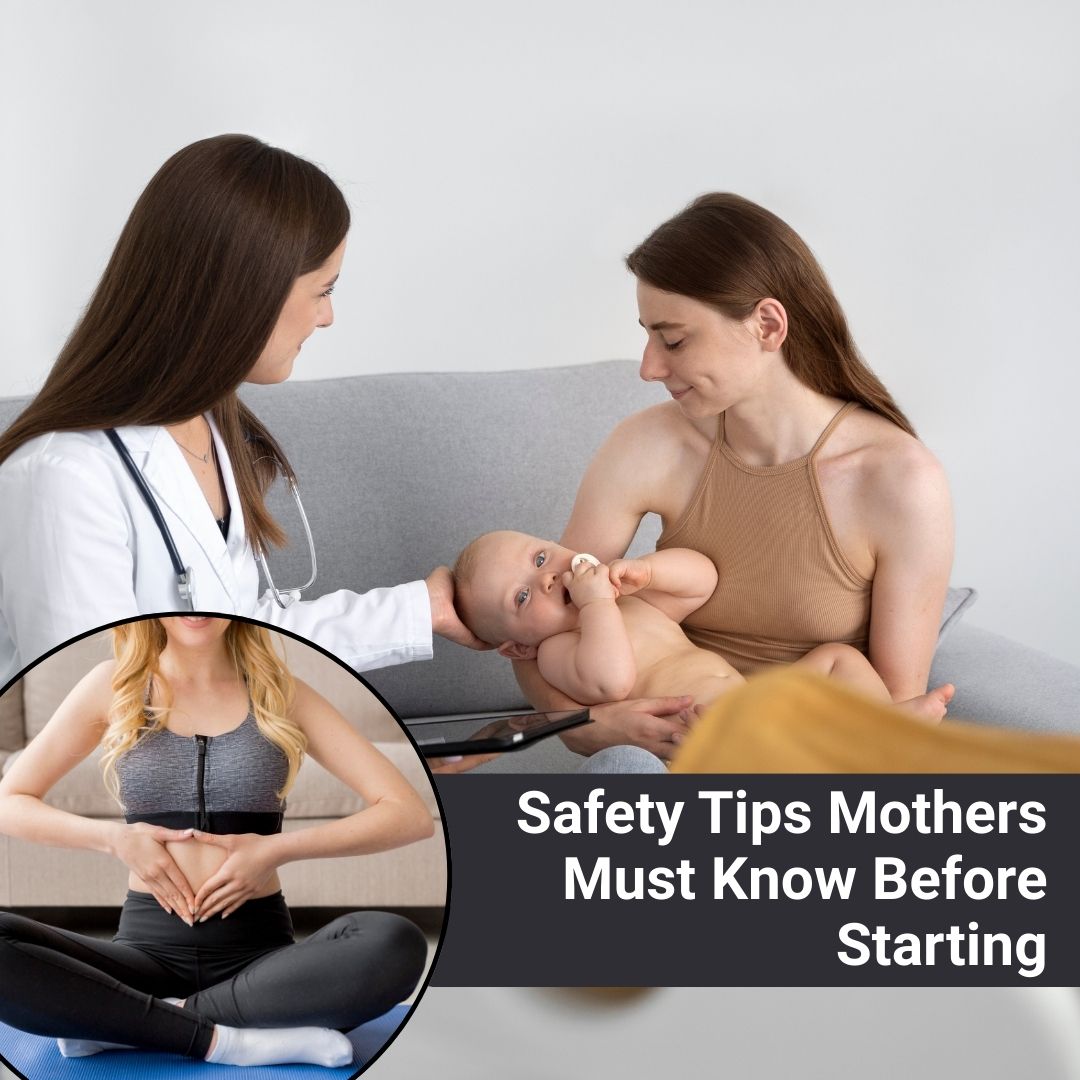
Rebounding can feel simple, yet your postpartum body follows its own recovery timeline. Understanding a few safety basics helps you exercise with confidence and avoid unnecessary setbacks.
1. Timing and Medical Clearance
Most health professionals advise waiting around 6 to 8 weeks after delivery before starting structured exercise. This recovery window becomes even more important after a C-section, where healing requires extra care. So listen to the expert and your body and start when both of them allow.
2. Protecting Pelvic Floor Health
Pregnancy and childbirth commonly weaken the pelvic floor muscles. High-impact movement too soon may increase the risk of leakage or discomfort. Gradual progression allows these muscles to rebuild strength safely. Controlled, low-intensity bouncing typically offers a more suitable starting point.
3. Comfort Considerations for Nursing Mothers
Breast comfort directly affects workout experience. Feeding or pumping before exercise often reduces heaviness or sensitivity. A well-fitted, supportive sports bra improves comfort and stability during movement.
4. Exercise Intensity and Milk Quality
Moderate exercise does not harm milk quality or feeding safety. Research consistently shows no meaningful changes under normal workout intensity. Extremely intense sessions, however, may temporarily influence comfort for some women. Balanced effort levels remain the practical approach.

5. Smart Starting Advice
Begin with gentle “health bounces”, where feet stay in light contact with the trampoline mat. This encourages circulation and muscle engagement without unnecessary strain. Focus on posture and controlled rhythm rather than height. Stable, deliberate movement supports safer progression.
For added grip and hygiene, trampoline socks provide a practical layer of comfort and control.
With safety principles clearly in place, the next step involves understanding how to progress rebounding gradually and effectively.
A Simple Progression Plan New Mothers Can Follow
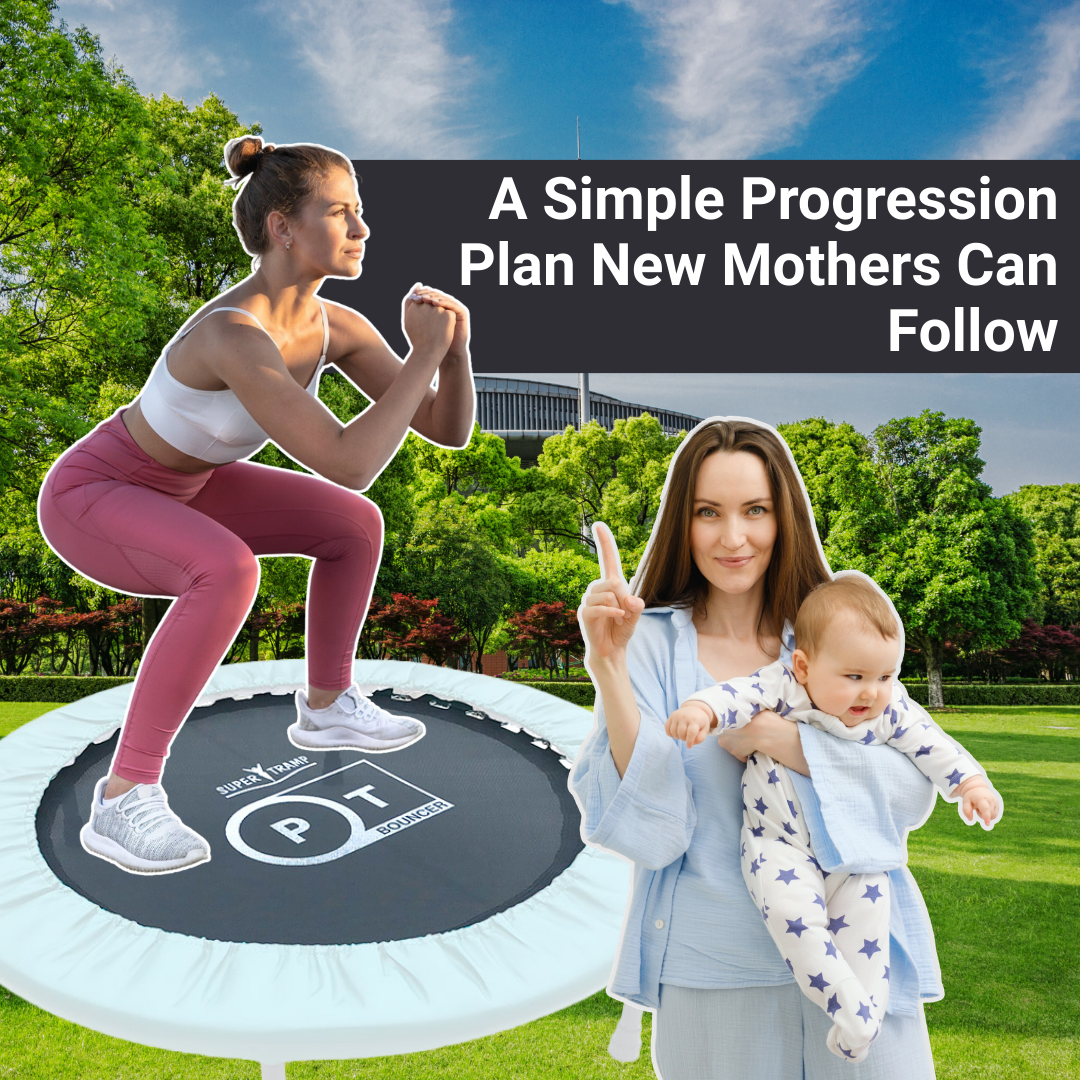
Rebounding delivers the best results when you increase intensity gradually. A phased approach allows your body to adapt safely while maintaining comfort and control.
Phase 1. Reintroducing Gentle Movement (Weeks 6 to 12)
- Start with low-impact health bounces where your feet barely leave the mat.
- Short sessions of 10 to 15 minutes help your body adjust without unnecessary fatigue.
- Focus on upright posture and relaxed breathing.
- Controlled movement builds stability more effectively than speed or height.
Phase 2. Building Control and Variety (Months 3 to 6)
- Gradually introduce light variations such as side steps or gentle marching.
- These movements engage additional muscle groups while keeping impact manageable.
- Maintain a steady, comfortable rhythm throughout the session.
- Consistency remains more beneficial than intensity spikes.
Phase 3. Increasing Intensity Carefully (After 6 Months)
- Progress to higher energy bouncing only when your body feels fully comfortable.
- Strength, balance, and control should guide this transition.
- Pay close attention to physical signals during and after exercise.
- Any discomfort, pressure, or leakage signals the need to reduce intensity.
This structured progression supports safer adaptation and sustainable results.
Conclusion
Losing weight during the breastfeeding phase remains both possible and practical when you follow a balanced, steady approach. Sustainable progress depends on managing calories sensibly, choosing nourishing foods, staying hydrated, and keeping movement gentle yet consistent. These habits support recovery and energy without placing unnecessary pressure on your body.
Consistency, particularly during postpartum recovery, often proves more effective than intense or irregular efforts. Rebounding, when introduced gradually and performed with control, offers low-impact, time-efficient activity that easily fits into home routines. Most importantly, steady results come from patience, realistic expectations, and small actions repeated daily.