That heavy, uncomfortable feeling in your stomach is more than just an inconvenience. For many people, bloating, sluggish digestion, and stress-related gut issues quietly shape everyday life. You eat carefully and walk regularly, yet your gut still feels out of sync. That’s usually the moment people start asking whether they are missing the right kind of movement. This is where exercise for gut health stops being a trend and starts becoming a real solution.
Trampolining often surprises people, yet it offers a gentle, controlled way to support digestion without strain. The steady up-and-down motion encourages natural gut movement, improves circulation, and helps calm a stressed digestive system. In this blog, we’ll walk you through how trampolining supports gut health, what actually happens inside your body, and how to use it safely and effectively. If your gut has been holding you back, this guide shows you a smarter way forward.

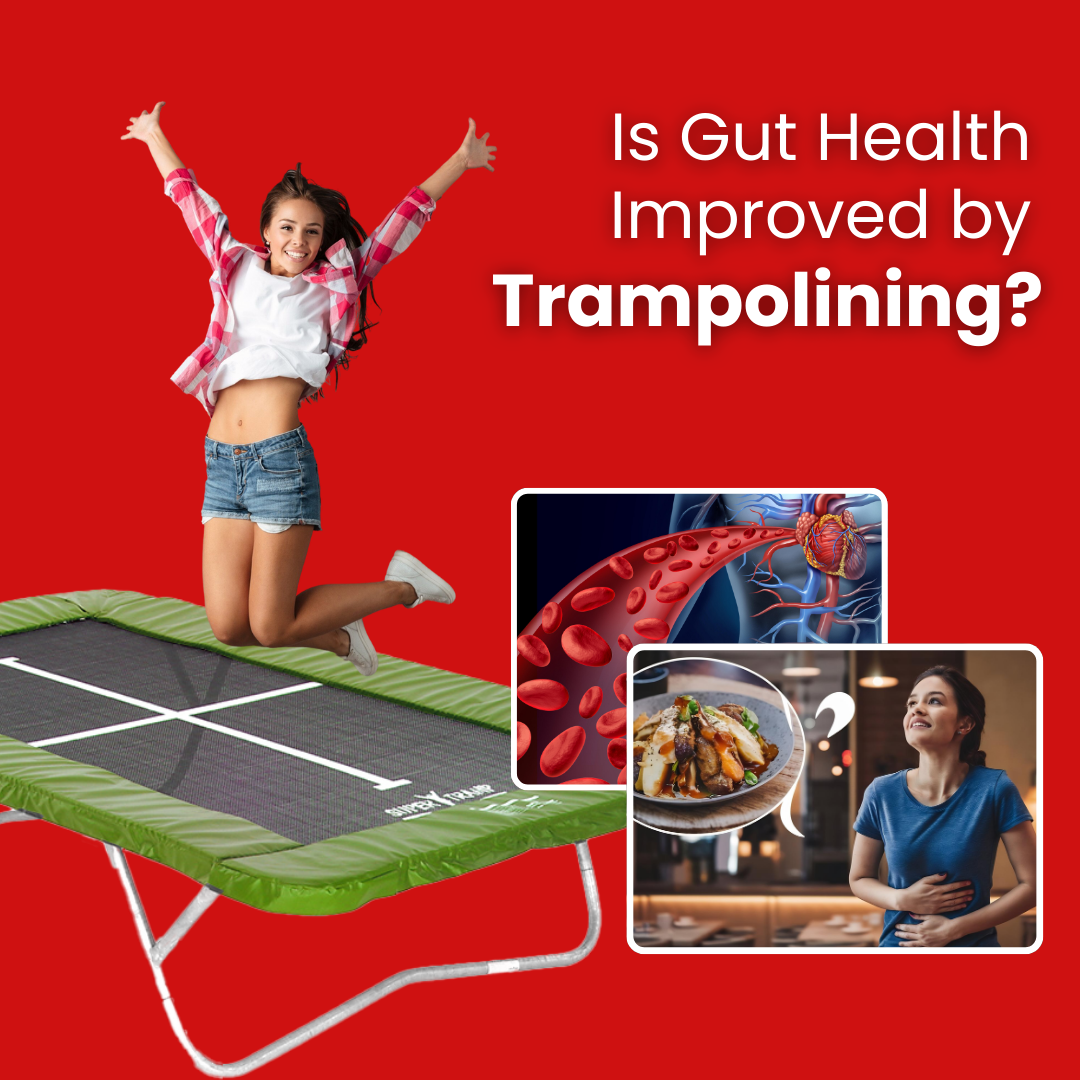
Is Gut Health Improved by Trampolining?
The short, clear answer is yes. Bouncing on a trampoline is a highly effective exercise for gut health, especially when digestion feels slow or uncomfortable. It works with your body rather than pushing it, which is why so many people notice changes without feeling exhausted or sore. Below are the key benefits of trampolining for gut health:
The Internal Massage Your Gut Actually Needs
When you bounce gently on a garden trampoline, your body moves up and down in a controlled rhythm. This movement creates a natural internal massage for your digestive organs.
Each bounce lightly compresses and releases the abdomen, helping the intestines stay active and responsive. Over time, this supports smoother digestion and more regular bowel movements.

Bloating and Constipation
Many people experience bloating because the gut simply is not moving enough.
Regular, gentle bouncing encourages intestinal muscle movement, helping trapped gas shift naturally and reducing that tight, uncomfortable feeling in the stomach.
Strengthens Abdominal and Core Muscles
Every bounce engages the core. Stronger abdominal muscles support the digestive organs and help maintain healthy pressure within the gut.
Reduces Stress that Disrupts Digestion
Gentle, rhythmic movement helps calm the nervous system. Lower stress levels allow the gut to work naturally instead of staying tense and reactive.
As a regular exercise for gut health, trampolining works best when it fits easily into daily life. In the next section, we’ll look at specific trampoline exercises that target digestion and show you how to get the most benefit from every bounce.
Best Trampoline Exercises for Better Gut Health
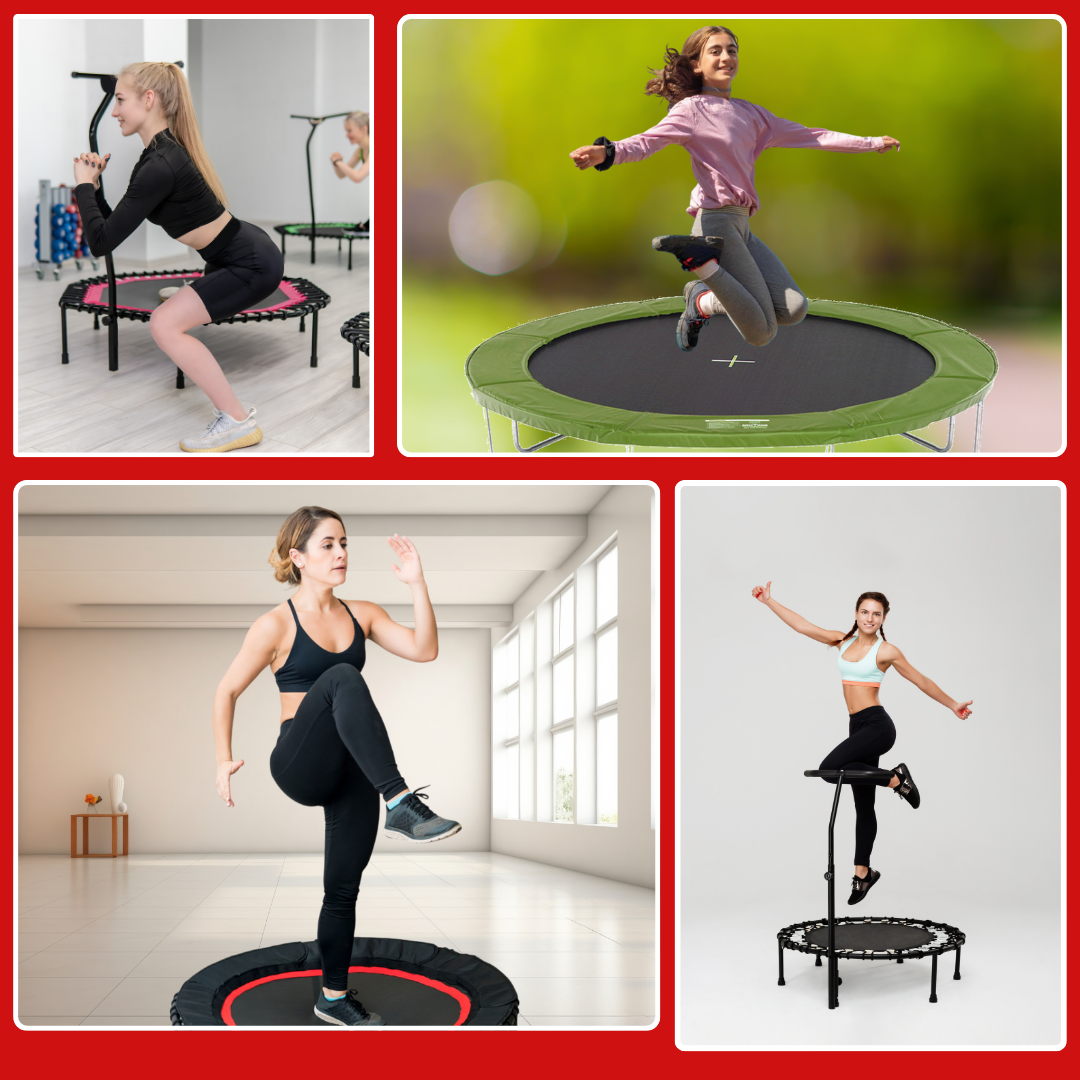
Once you understand how trampolining supports digestion, the next step is using the right movements. These exercises are simple, safe, and proven to support gut function when done regularly as part of a trampoline exercise for gut health routine.
Health Bounce (daily warm-up)
Stand upright and bounce lightly without leaving the mat. This movement gently stimulates the digestive organs and wakes up intestinal muscles without pressure.
High Knees or Gentle Jog
Lifting the knees increases abdominal engagement. This helps the gut push food forward, which is useful for people who feel heavy or blocked after meals.
Controlled Twists for Bloating Relief
Slow twists while bouncing activate the sides of the abdomen. This movement encourages trapped gas to shift naturally and eases abdominal tightness.
Bounce Squats
Light squats on the mat strengthen deep abdominal muscles. Stronger support around the gut improves digestion and bowel control over time.
Pelvic Floor-Focused Jumps
Gentle jumps with controlled muscle engagement support the pelvic floor. This improves coordination between abdominal muscles and bowel movement.
Small Adjustments That Make a Big Difference

Technique matters as much as movement. These small changes help turn trampolining into a reliable exercise for gut health.
Use Deep Belly Breathing
Breathe in through the nose and let the stomach expand. This relaxes the digestive tract and reduces tension that slows digestion.
Choose Consistency
Ten to fifteen minutes daily works better than long sessions. Regular movement keeps the gut active without overloading the system.
Pick the Right Time
Morning or early evening sessions suit digestion best. The body responds better when it is not tired or overly full.
Avoid Bouncing after Meals
Wait at least two hours after eating. This prevents discomfort and allows digestion to begin naturally.
These movements and techniques form the practical side of using a trampoline as an exercise for gut health. In the next section, we’ll look at how often to trampoline and what kind of results people typically notice with regular practice.
How Often Should You Trampoline for Gut Health?

People often assume more exercise means better digestion, but gut health works differently. When using a round trampoline as an exercise for gut health, the body responds best to steady, gentle movement rather than long or demanding sessions.
The Ideal Daily Duration
Ten to fifteen minutes a day is enough to support digestion. This short window keeps intestinal muscles active without tiring the body or irritating a sensitive stomach.
Why Short Sessions Work Better
Daily movement trains the gut to stay regular. Long workouts can tighten abdominal muscles, while brief sessions keep digestion smooth and natural.
What Changes You May Notice in 2–4 Weeks
With regular practice, many people notice less bloating, easier bowel movements, and a lighter feeling in the stomach. These changes come from improved gut movement and circulation, not intensity.
Reassurance for Beginners and Sensitive Guts
If your digestion feels delicate, start slow and stay consistent. Trampolining allows full control over pace, making it a safe exercise for gut health, even for beginners.
- Begin with light bouncing only.
- Always wear grip trampoline socks.
- Choose the right trampoline pads.
- Stop if the stomach feels tight.
- Focus on comfort, not speed.
Once the routine feels natural, the next step is understanding who benefits most from this approach and how to tailor it to everyday life.
Who Benefits Most from Trampolining for Gut Health?

Trampolining suits more people than most expect. As a practical exercise for gut health, it fits easily into everyday routines, especially for those whose digestion struggles with modern lifestyles.
- Desk workers with sluggish digestion.
- Adults with stress-related gut issues.
- People are avoiding high-impact workouts.
- Those restarting fitness gently.
If any of these situations sound familiar, trampolining may fit naturally into your routine.
Conclusion
Throughout this blog, we’ve looked at how gentle, regular movement supports digestion, circulation, and bowel regularity. Trampolining stands out because it works with the body, not against it. From improving intestinal movement to easing bloating and reducing stress, it proves itself as a reliable exercise for gut health when done safely and consistently.
What makes the difference is how you approach it. Short daily sessions, controlled movement, and a well-built trampoline allow the gut to respond naturally over time. Quality equipment matters because stability and safety keep the body relaxed, which is essential for digestion to work properly.
At Super Tramp, we focus on trampolines designed for real homes, real bodies, and real health goals. If you’re ready to support your digestion in a simple, practical way, choosing the right trampoline is the first step. Start with a safe, secure setup and turn trampolining into your everyday exercise for gut health.