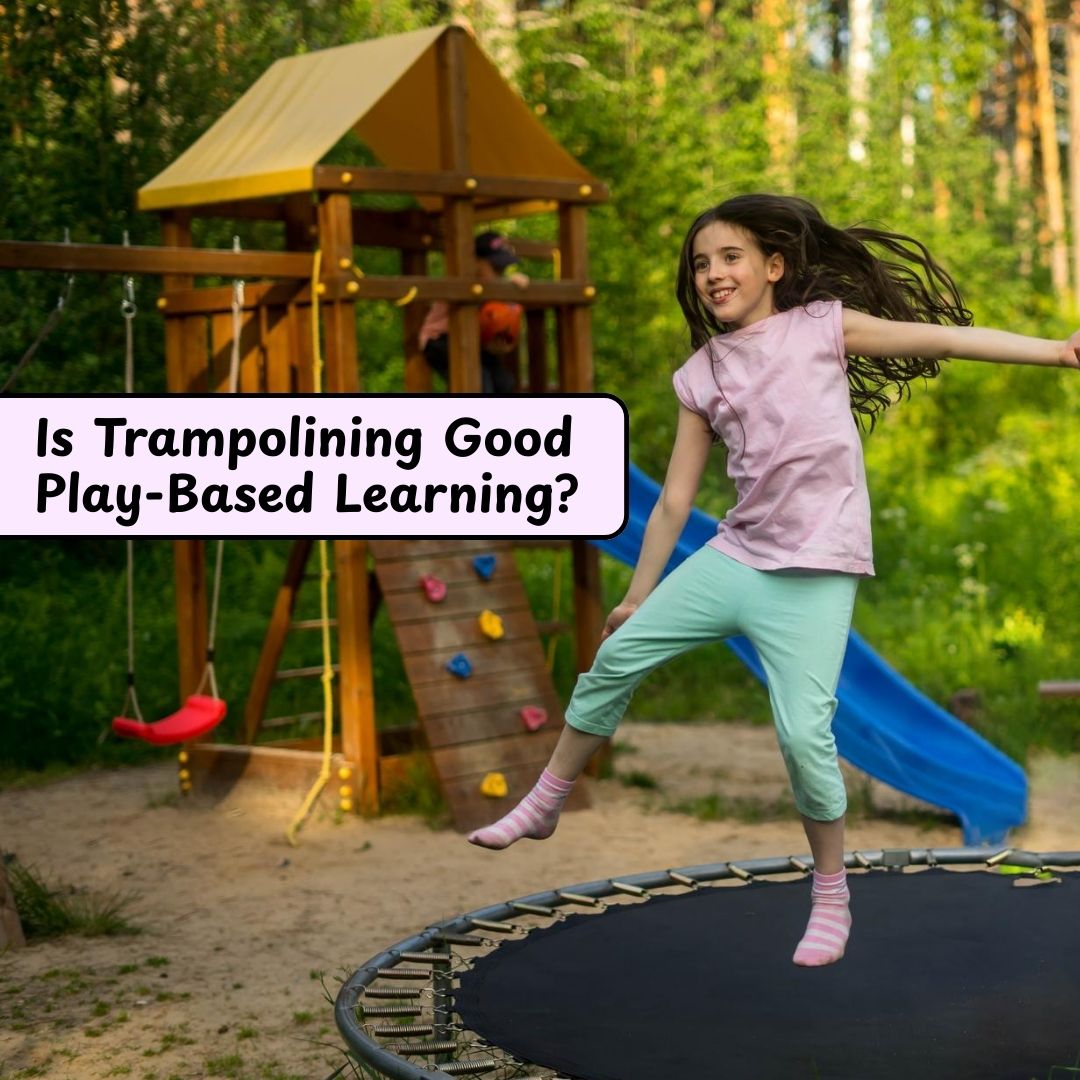
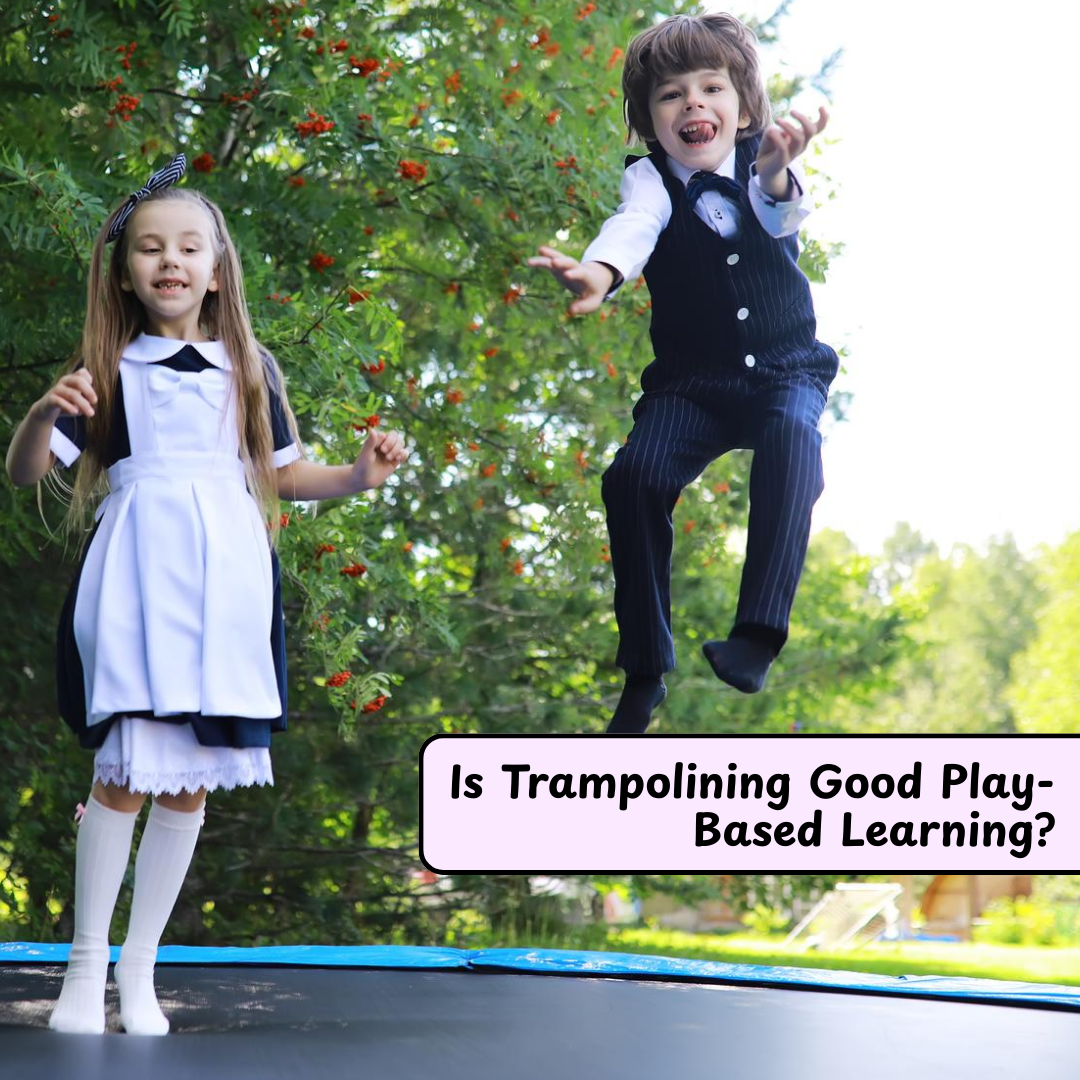
Yes, trampolining is one of the strongest forms of play-based learning, and we’ve seen it unfold across the UK. The moment anyone steps onto a trampoline, whether it’s a child, a teen, an adult, or even a senior, they’re not just bouncing. They’re activating a style of learning and body awareness that no worksheet or routine task can offer. You can see it when someone tries a new move, feels a slight wobble, adjusts, and tries again. That tiny moment teaches focus, balance, control, and problem-solving all at once.

Parents want healthy, enjoyable activities for their families. Coaches look for tools that build skill without overwhelming learners. Adults want engaging ways to stay active, and seniors appreciate activities that support mobility without strain. Trampolining supports all these needs. It keeps the body active, the mind sharp, and the experience enjoyable for every age group. Additionally, because play-based learning is most effective when it feels organic, the trampoline turns into a communal area where enjoyment and development coexist.
This blog breaks everything down clearly so you understand how trampolining supports development and wellbeing across all ages and why it continues to be one of the most trusted tools for active, real-world learning.
What Researchers Say About Play-based Learning

It is scientifically proven that people learn better when their bodies move, and this isn’t just something we notice in daily life. Researchers keep proving that active play helps the brain process information faster and more clearly. When we link our findings to play-based learning, trampolining fits in naturally because it brings movement, focus, and sensory input together in one space.
Here is what research and real experience show:
- Simple bouncing movements boost brain activity.
- The up-and-down motion sensory input sharpens attention.
- Active play builds stronger memory.
- Balance and rhythm support classroom skills.
- Bouncing improves mood and reduces seasonal sadness.
Now that we understand the science behind it, let’s move into how trampolining turns these findings into real, everyday growth for children.
Proven Benefits of Play-Based Learning
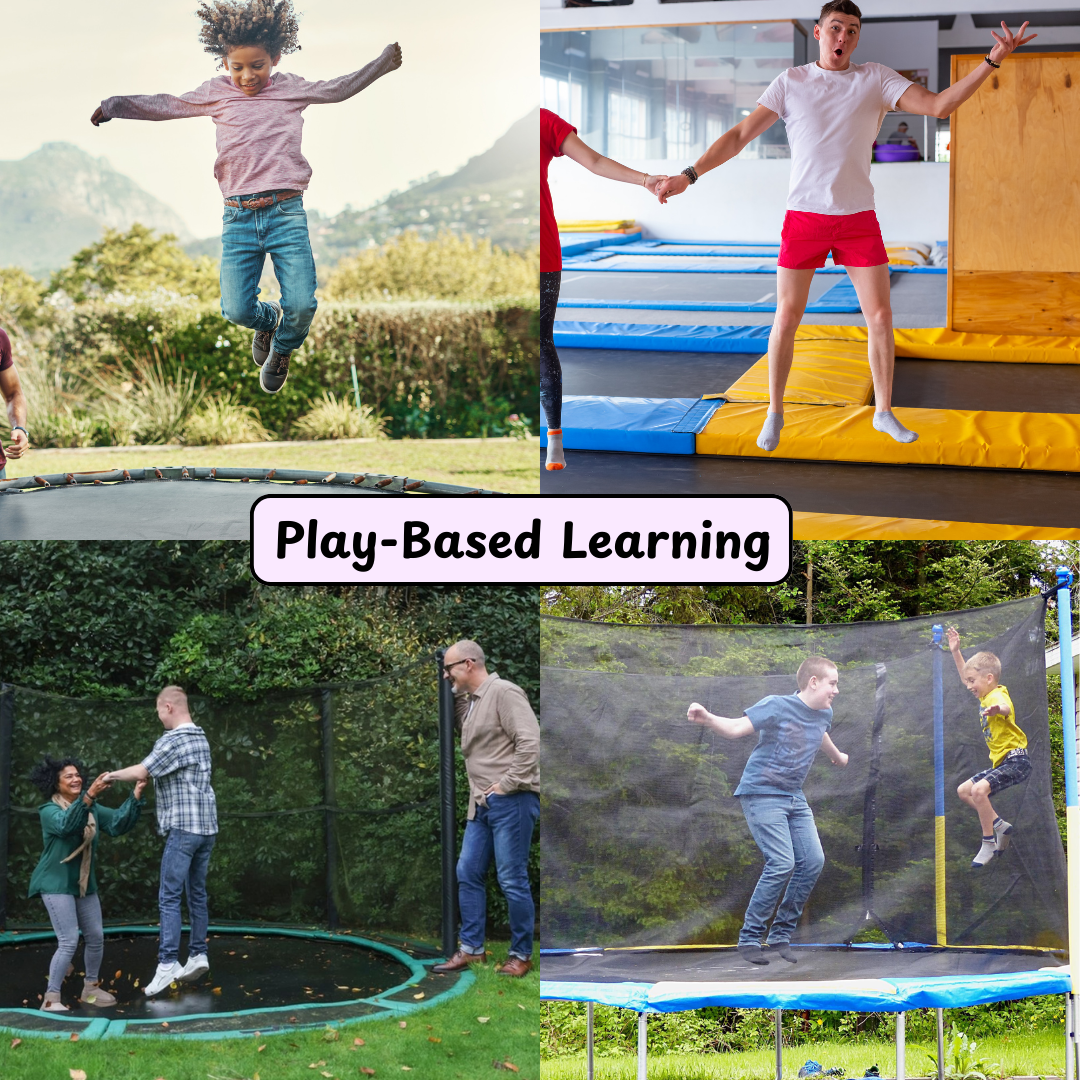
Trampolining fits play-based learning so naturally because children learn best when their minds and bodies stay active together. They can move, think, react, and have fun all at once on a garden trampoline. Here are some proven benefits of play-based learning, not just for children but for everyone:
1. Cognitive Development
The bounce keeps the brain awake, which supports memory, focus, and clear thinking. People respond to the steady rhythm beneath their feet, and this rhythm helps them stay attentive for longer. We once worked with a family in Leeds where an adult used a short bounce routine before studying, and it helped them settle, think clearly, and absorb information more easily.
Why it works:
- Boosts alertness
- Sharpens focus
- Helps the mind process instructions
- Encourages quick, confident decisions
2. Physical Development
A rectangle trampoline engages more muscles than most people realise. Every jump activates the legs, core, back, and arms, while the soft landing reduces strain. Within a month, adults who bounced twice a week at one of the community centres we visited reported having better balance and more endurance. They felt lighter on their feet and more prepared for daily movement.

Why it works:
- Strengthens the whole body
- Builds stamina gently
- Supports posture
- Releases built-up energy in a healthy way.
3. Motor Skills Development
Trampolining improves timing, rhythm, and body control because each bounce teaches you how to move with intention. Whether it’s a child adjusting a landing or a senior maintaining a steady pace, the body learns to coordinate smoothly. These small adjustments build everyday confidence in running, lifting, climbing stairs, or even carrying out fine-motor tasks.
Why it works:
- Refines coordination
- Improves balance
- Sharpens timing
- Builds strong body awareness
4. Social Skills Development
When people bounce together, they naturally learn how to share space and respect each other’s rhythm.
Why it works:
- Encourages positive interaction
- Builds teamwork
- Teaches turn-taking
- Supports friendly group behaviour
5. Confidence Building
Every small achievement on a trampoline lasts a lifetime. We remember an older beginner in a Manchester fitness group who started with slow, careful steps. After a few sessions, they were bouncing higher, smiling more, and leading warm-ups for new members. These little wins build confidence in people of any age.
Why it works:
- Creates a safe space to try new skills
- Shows visible, steady progress
- Encourages independence
- Strengthens emotional resilience
Trampolining supports play-based learning in a natural, uncomplicated way. Now that we’ve covered the individual benefits, let’s look at who gains the most from this kind of active learning.
Who Benefits Most from Trampoline Play-Based Learning
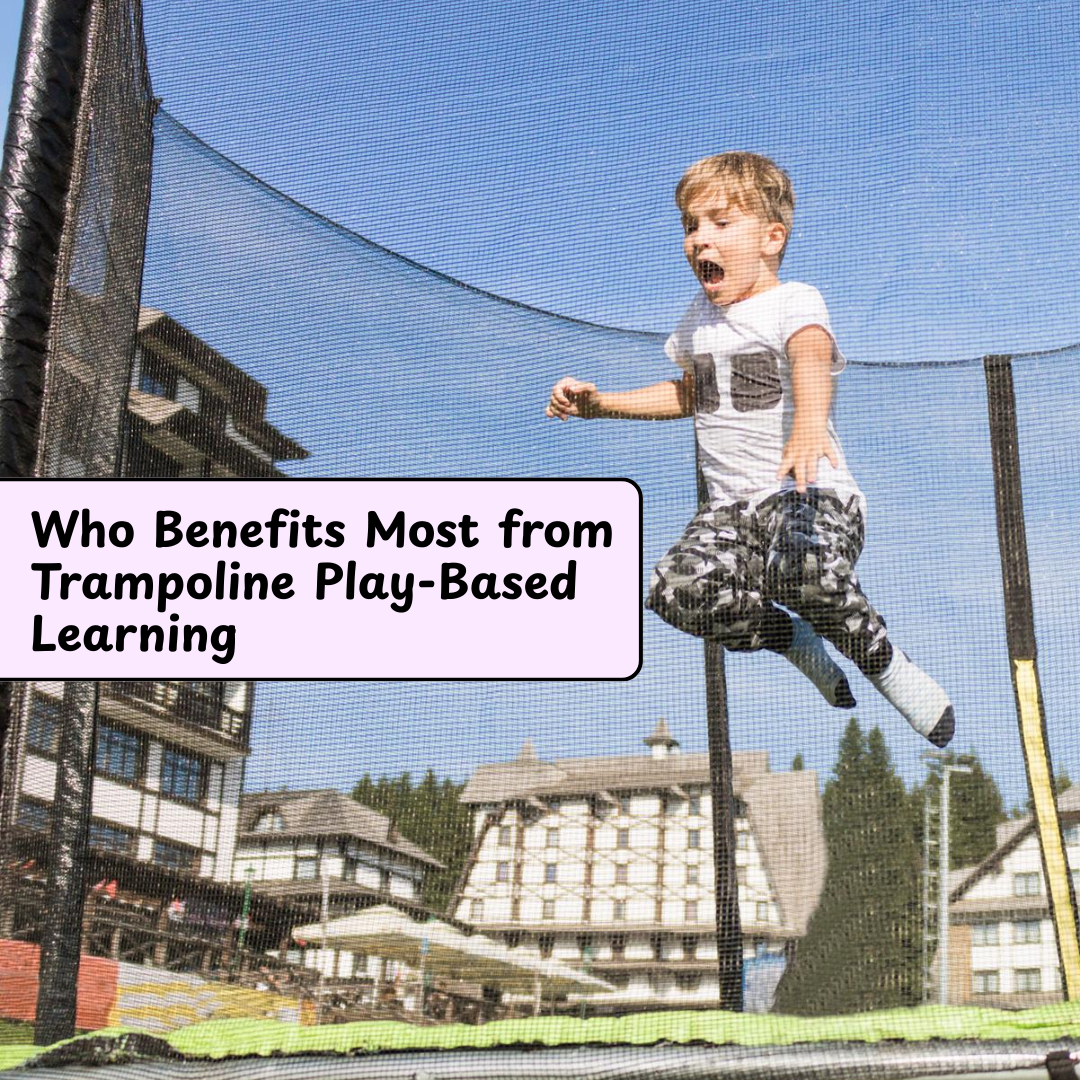
Play-based learning on a trampoline supports every age group because movement makes learning clearer, quicker, and more enjoyable. Each group gains something different, yet equally valuable.
1. Children (Age 3+)
Children learn best when their bodies stay active. Trampolining gives them a natural way to practice skills while still enjoying their playtime.
How it helps children
- Bouncing on a round trampoline gives children a safe way to let out energy. After a short session, they usually settle better and show improved focus.
- Simple tasks like counting jumps, copying a bounce pattern, or adjusting balance strengthen coordination and memory. These small actions support everyday learning in a fun, natural way.
- The rhythm of jumping helps children manage excitement or frustration. They learn to regulate speed, follow cues, and handle small mistakes calmly.
2. Gymnasts
Gymnasts rely on controlled movement, body awareness, and consistent practice. A 14 ft rectangular trampoline becomes a training space where skills grow through repetition and steady flow.
How it helps gymnasts
- Gymnasts refine posture, landing technique, and mid-air adjustments with each bounce. This strengthens the foundation needed for flips, turns, and routines.
- The constant push and lift help develop core strength, leg power, and balance. These improvements translate directly into floor and beam work.
- Gymnasts often repeat patterns to perfect timing and form. Trampolining supports this by giving them a stable and responsive surface to train safely.
3. Adults
Trampolining helps adults keep active, relieve stress, and easily incorporate movement into their daily routines.
How it helps adults
- While being gentle on joints, brief bouncing exercises improve a variety of muscles. This helps adults stick to their exercise objectives.
- The steady bounce pattern relaxes the mind and body, helping adults unwind after a long day.
- Adults often join fun challenges, light games, or guided moves, which build connection and make movement enjoyable.
4. Seniors
Seniors benefit from light bouncing on a fitness trampoline that supports mobility, balance, and comfortable exercise without strain.
How it helps seniors
- Each bounce encourages the body to stabilise slightly. This supports safer movement during daily tasks.
- The soft landing surface absorbs pressure, making activity easier for seniors with sensitive joints.
- Simple patterns, gentle step routines, or guided moves help maintain focus, coordination, and calm breathing.
Now that you know how each age group benefits, the next step is understanding which trampoline is best for whom, from children to gymnasts to seniors.
What Kind of Trampolines Work Best?
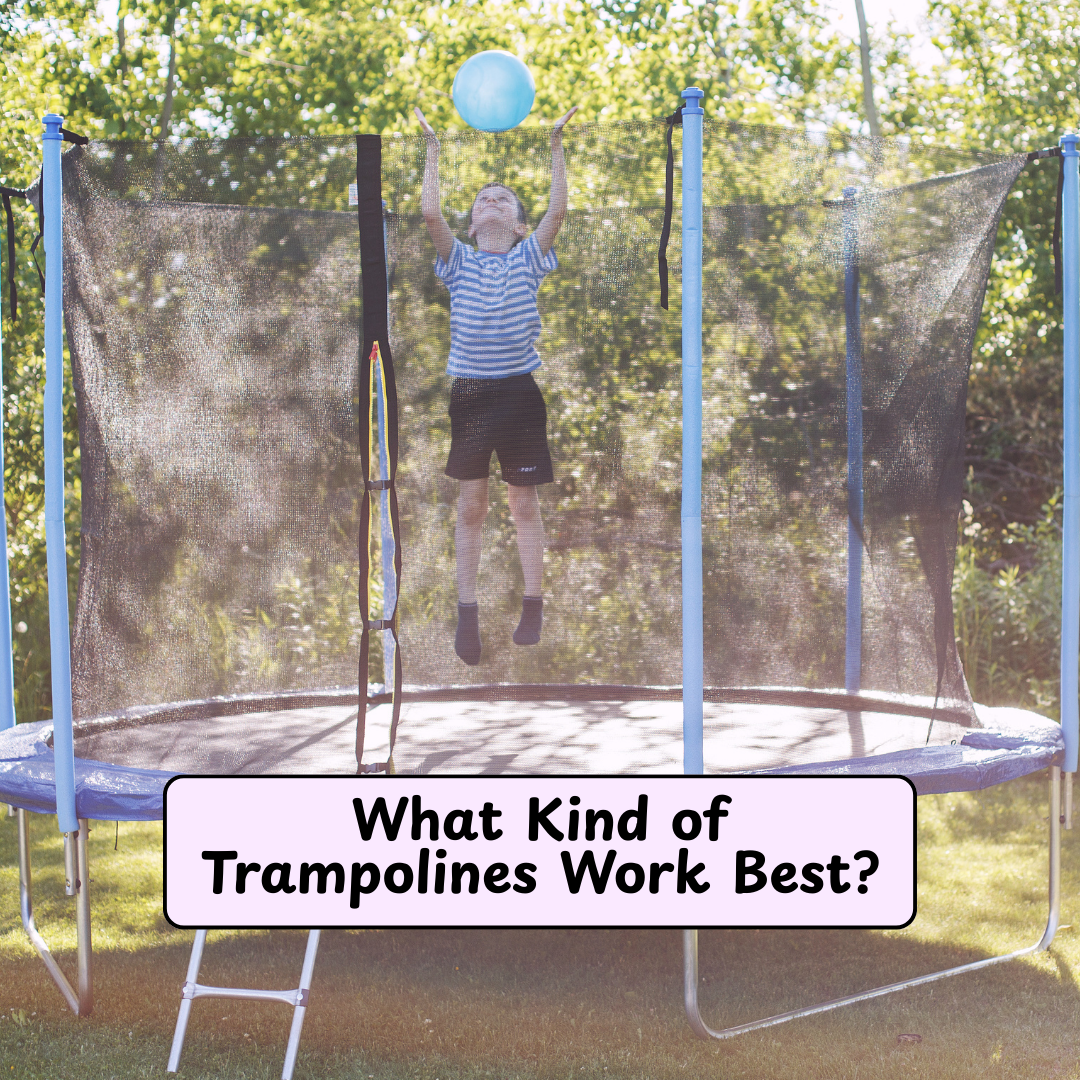
Choosing the right trampoline matters a lot; it can make the difference between fun with benefits and a bouncy setup that doesn’t support learning or safety. In the UK, where weather, space, and safety standards vary widely, it becomes even more important to pick a trampoline that matches your needs. Whether you’re outfitting a family garden, a school gym, or a playzone space, the right trampoline will last longer, bounce reliably, and keep everyone safe.
Garden Trampolines
- For home play zones, go for sturdy round or rectangular trampolines (size fits your area).
- Look for strong steel frames and UV-resistant mats – they last through seasons of bouncing.
- A sturdy safety net enclosure is a must.
- These are perfect for parents who want outdoor learning games.
Most recommended
Fitness Trampolines
- Indoors or in small garden areas, a rebounder can be ideal.
- Even 3–4 feet wide is enough for gentle bounce games (counting jumps, letter-hopping grids).
- They’re easy to store and budget-friendly.
Most recommended
In-Ground Trampolines
- If landscape and budget allow, putting an in-ground trampoline flush with the ground looks neat and is very safe (no climbing needed).
- Playgrounds and schools love these. Imagine a classroom that blends into the garden; children bounce right out of doors!
Playground Trampolines
- Commercial trampolines work well when you want a steady bounce, long-term use, and a setup that stays safe even with repeated footfall.
- These trampolines sit level with the ground, so people of all ages step on without climbing or wobbling.
- Schools and playzones prefer them because they handle constant movement and still keep the bounce controlled.
- The surface stays firm, the frame stays stable, and everyone gets a space that feels safe and open.
Most recommended
Safety First: Whichever trampoline you pick, add padding on all edges and always use a net. For play-based learning, safety gear (like grip socks and handlebars for beginners) makes parents feel better, and kids can focus on the fun lessons, not a tumble.