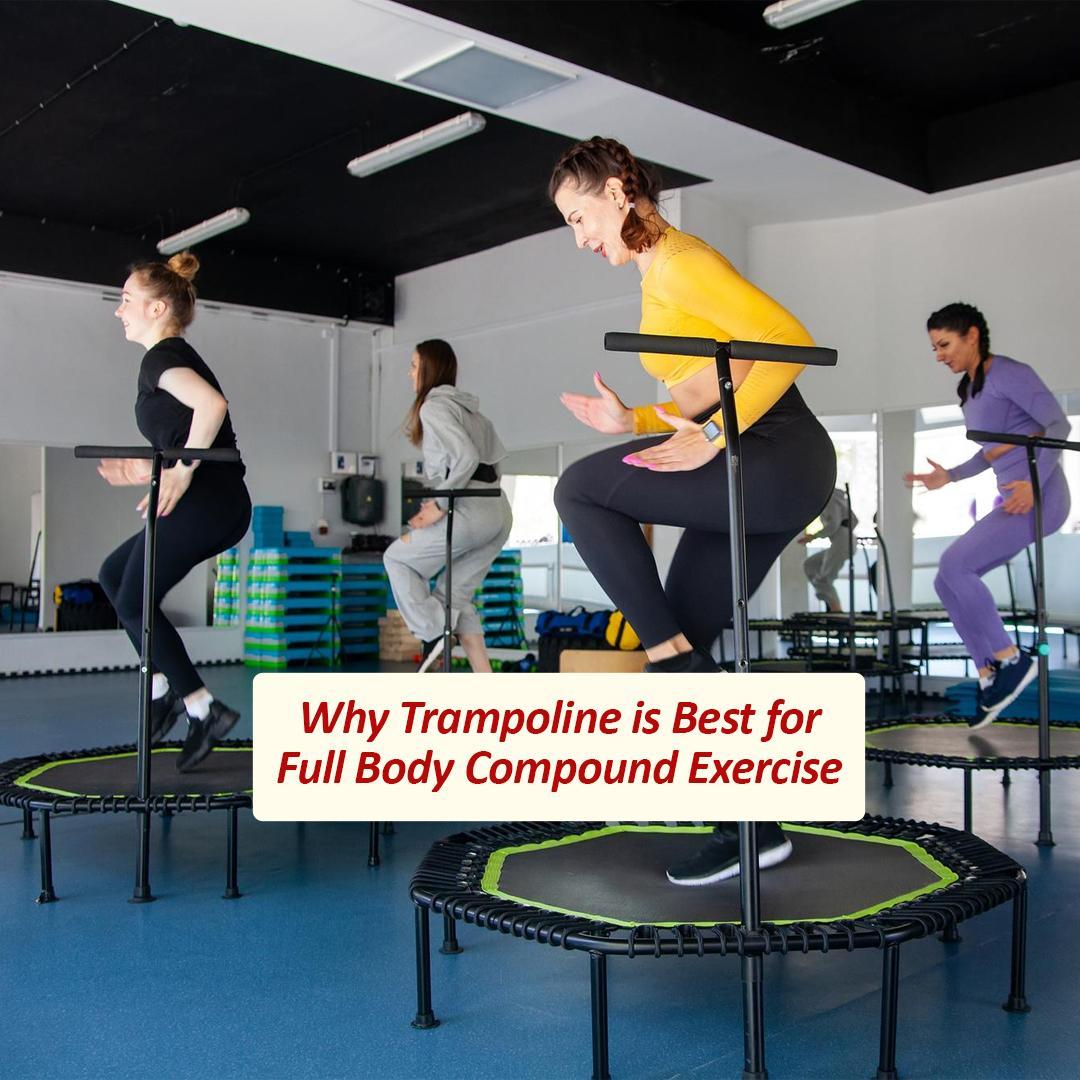
Feeling drained after a long day and skipping the gym again? You’re not alone. Finding time for a proper workout can feel impossible, and even when you do, traditional exercises like squats or push-ups can get repetitive and boring. That’s where the best affordable trampolines comes in, a surprisingly fun way to get a full body compound exercise at home.
After more than 10 years helping people across the UK improve their fitness, we’ve seen firsthand how trampolines engage every muscle, boost heart health, and make workouts something you actually look forward to and be consistent with. Trampolines not only work on your legs, core, and arms at the same time, but they also turn your garden or living space into a wellness zone.
So, if you are thinking, can a trampoline really replace or enhance your full-body workout routine? In this blog, we’ll break down why trampolines are more than just fun; they’re a practical, effective solution for anyone looking to combine fitness + family fun + space-saving convenience.
What is a Full Body Compound Exercise?
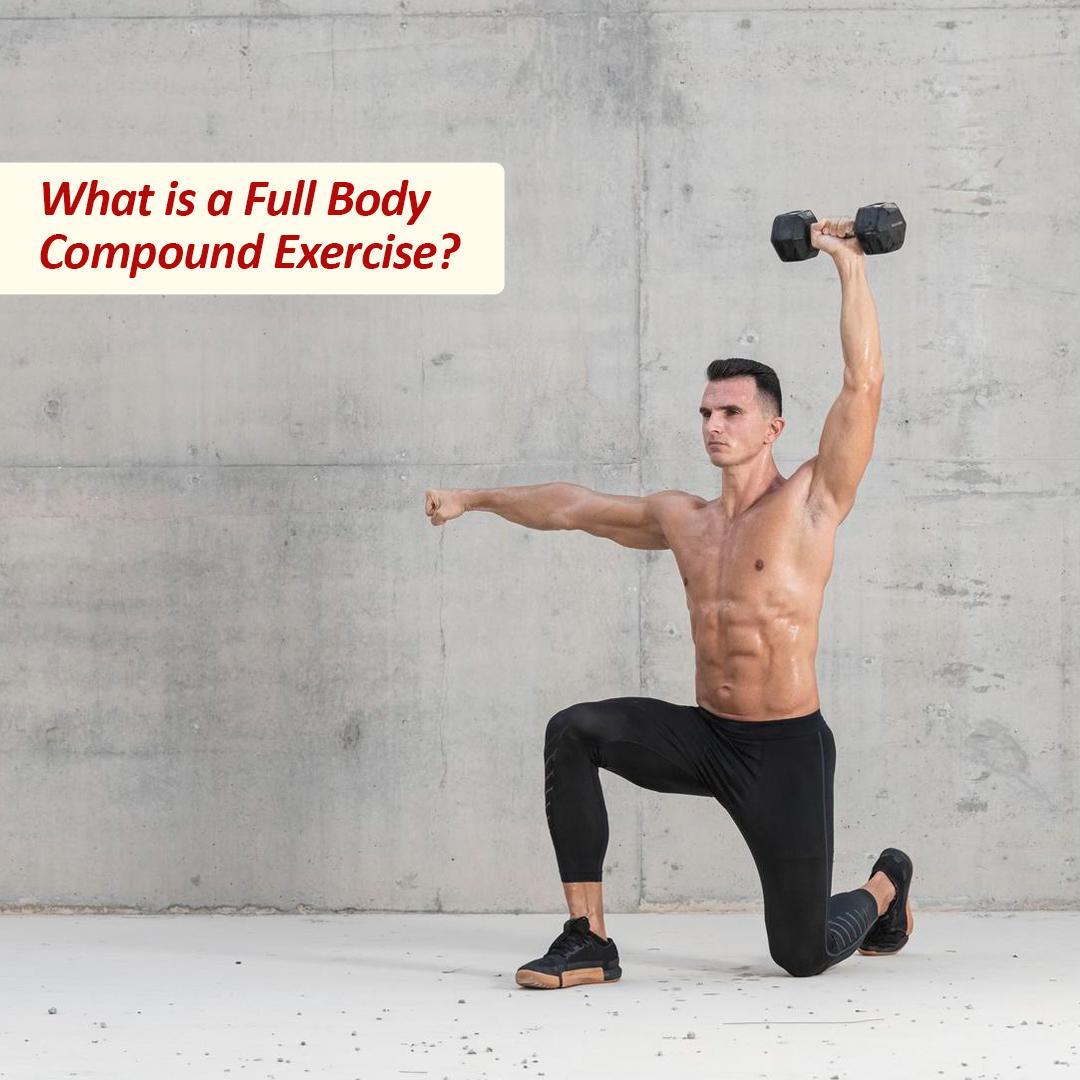
Any exercise that targets several muscle groups simultaneously rather than just one is referred to as a full body compound exercise. These workouts are perfect for busy UK lifestyles with little time for the gym because they increase strength, enhance coordination, and effectively burn calories.
Although they work many muscles, traditional compound exercises like burpees, lunges, and squats can cause joint strain and become monotonous. For example, burpees engage the arms, core, and legs, while squats primarily target the legs and glutes. However, if performed improperly on a daily basis, both exercises can be taxing on the knees and shoulders.
Here’s a quick snapshot of what compound exercises offer:
- Muscle groups engaged: Legs, glutes, core, arms, shoulders
- Cardiovascular benefit: Raises heart rate, improves stamina
- Joint impact: Can be moderate to high depending on form and frequency
However, trampolines offer a low-impact substitute that lessens joint stress while still engaging these same muscles. In the next section, we’ll explore exactly how trampolines deliver this full body compound exercise in a way that fits both fitness goals and home or garden spaces in the UK.
How Trampolines Deliver a Full Body Compound Workout
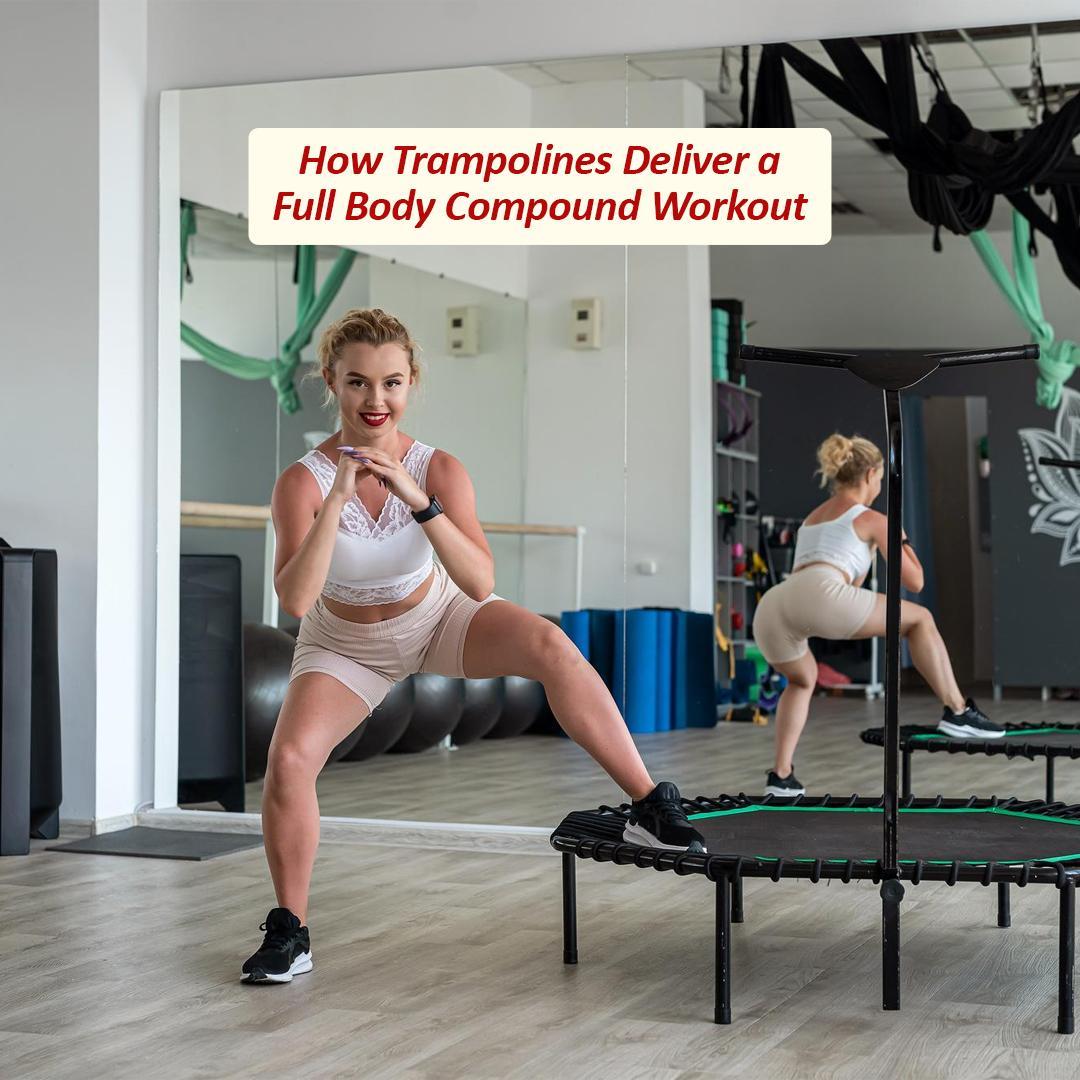
A rectangular trampoline works several muscle groups simultaneously, in contrast to most exercise equipment that concentrates on just one. Jumping is a true full body compound exercise because each one calls for strength, stability, and coordination.
1. Activation of the Core
Your core muscles must stabilise your body with each bounce. In addition to strengthening your lower back and abs, this also helps with posture and balance, which are issues that many UK office workers face.
2. Glutes and Legs
Power is transferred from your legs when you jump on a trampoline. The constant jumping strengthens the glutes, hamstrings, and calves without putting as much strain on them as weighted lunges or squats.

3. Upper Body and Arms
Push-offs, arm lifts, and trampoline balancing holds are basic workouts that work the arms and shoulders. The continuous engagement keeps your upper body working alongside your legs, even though you might not notice it at first.
4. Coordination and Equilibrium
Every landing tests your ability to stay stable. Trampolines gradually improve coordination, sharpen reflexes, and teach your body to move more effectively in everyday situations.
Muscles Worked: Trampoline vs Traditional Exercises
Exercise Type | Fun Factor | Muscles Targeted | Joint Impact |
Squats | Low | Legs, glutes | High |
Burpees | Low | Legs, arms, core | High |
Jump Rope | Medium | Legs, arms, stamina | Moderate |
Trampoline Workout | High | Core, legs, glutes, arms, balance | Low |
Real-Life Perspective
Based on my personal coaching experience in the UK, I’ve observed that clients increase their cardio endurance more quickly on trampolines than they do on treadmills. What’s the difference? They are laughing and moving freely; they are not fearing the impending workout.
Now let’s examine how various trampoline varieties and exercise equipment work so you can choose the one that best suits your goals and lifestyle.
Which Trampoline or Fitness Tool Gives the Best Results?
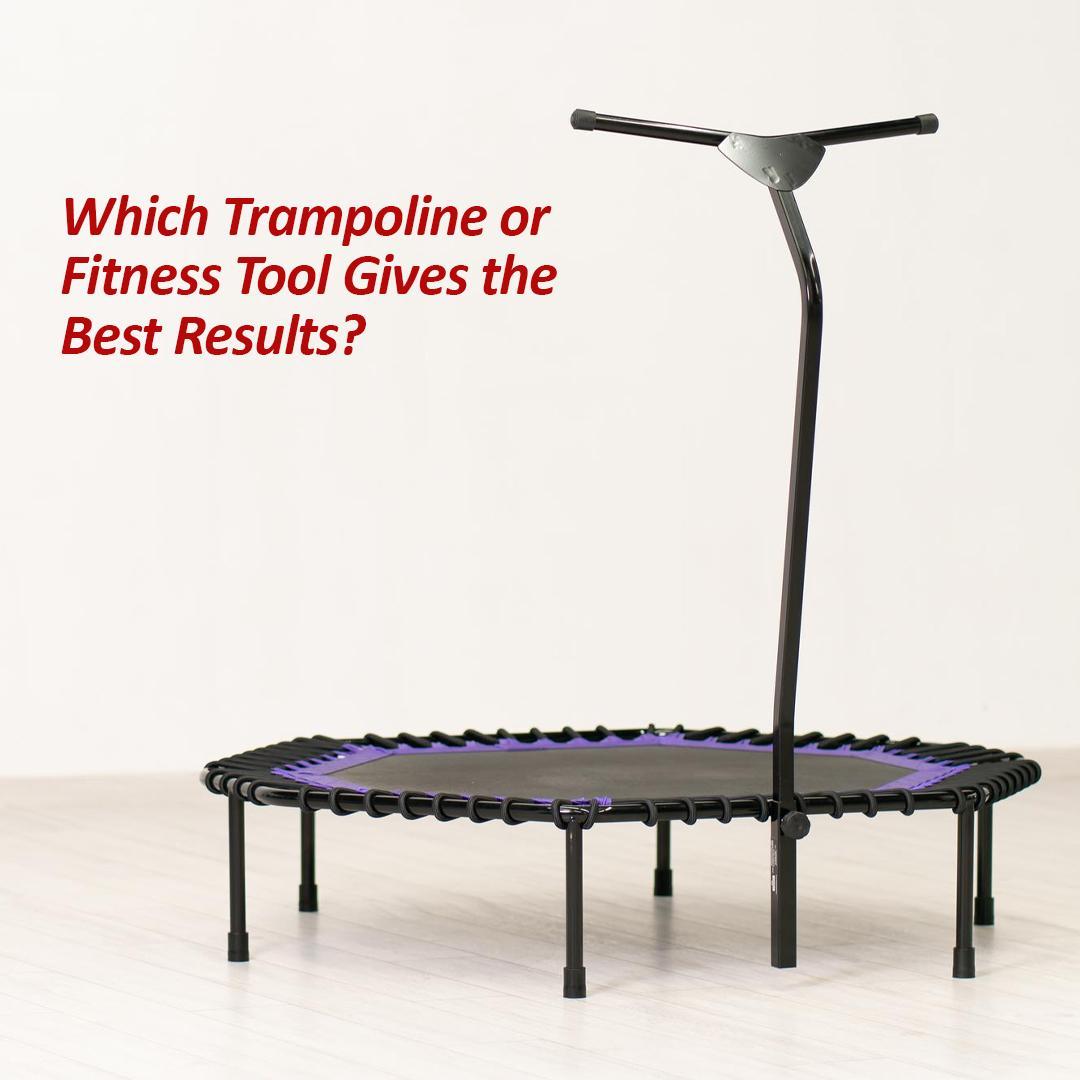
When it comes to choosing the best between the best, a mini rebounder and a full-size garden trampoline, the decision depends on your space, budget, and fitness goals. Both of the trampolines offer solid benefits, but the level of workout intensity and usability is different. If you’re like me, stuck with family responsibility, no time to prioritize fitness, and garden space, this section will save your hours of comparison.
Mini Rebounders
Fitness trampolines are compact and easy to store; rebounders are ideal for a small space or indoor use. They are best for cardio, balance, and light strength training. However, they don’t quite deliver the full body compound exercise intensity of a larger trampoline.
Full-Size Garden Trampolines
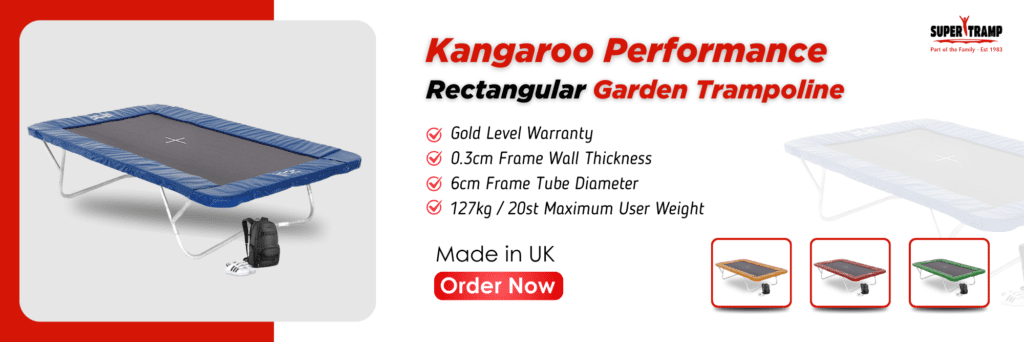
These garden trampolines are designed for more dynamic workouts and double up as a play area for children. They engage multiple muscle groups, offer variety in exercises, and burn higher calories. The only thing is they require more garden space and a slightly higher upfront cost, but the return in fitness and family use is often worth paying the price.
Quick Comparison Table
Feature | Mini Rebounder | Full-Size Garden Trampoline |
Space Requirement | Small, fits indoors | Needs outdoor garden space |
Fitness Benefit | Light cardio, balance training | Full body compound exercise, high calorie burn |
Safety Features | Limited (low height) | Safety nets, padding, stable frame |
Price (UK Market) | £70–£150 | £250–£700+ |
Family/Play Use | Adults only | Adults and children |
Both tools have their place, but if your aim is a clear, full body compound workout and family-friendly fitness solution, the garden trampoline usually offers more long-term value.
Now that you know which trampoline or PT rebounder suits your lifestyle and space, the next step is learning how to actually use it for maximum results. The way you bounce, move, and mix workouts is what really makes trampolining a full-body complex workout; selecting the correct equipment is only half the story.
Step-by-Step Guide to Using a Trampoline for Full Body Compound Exercise
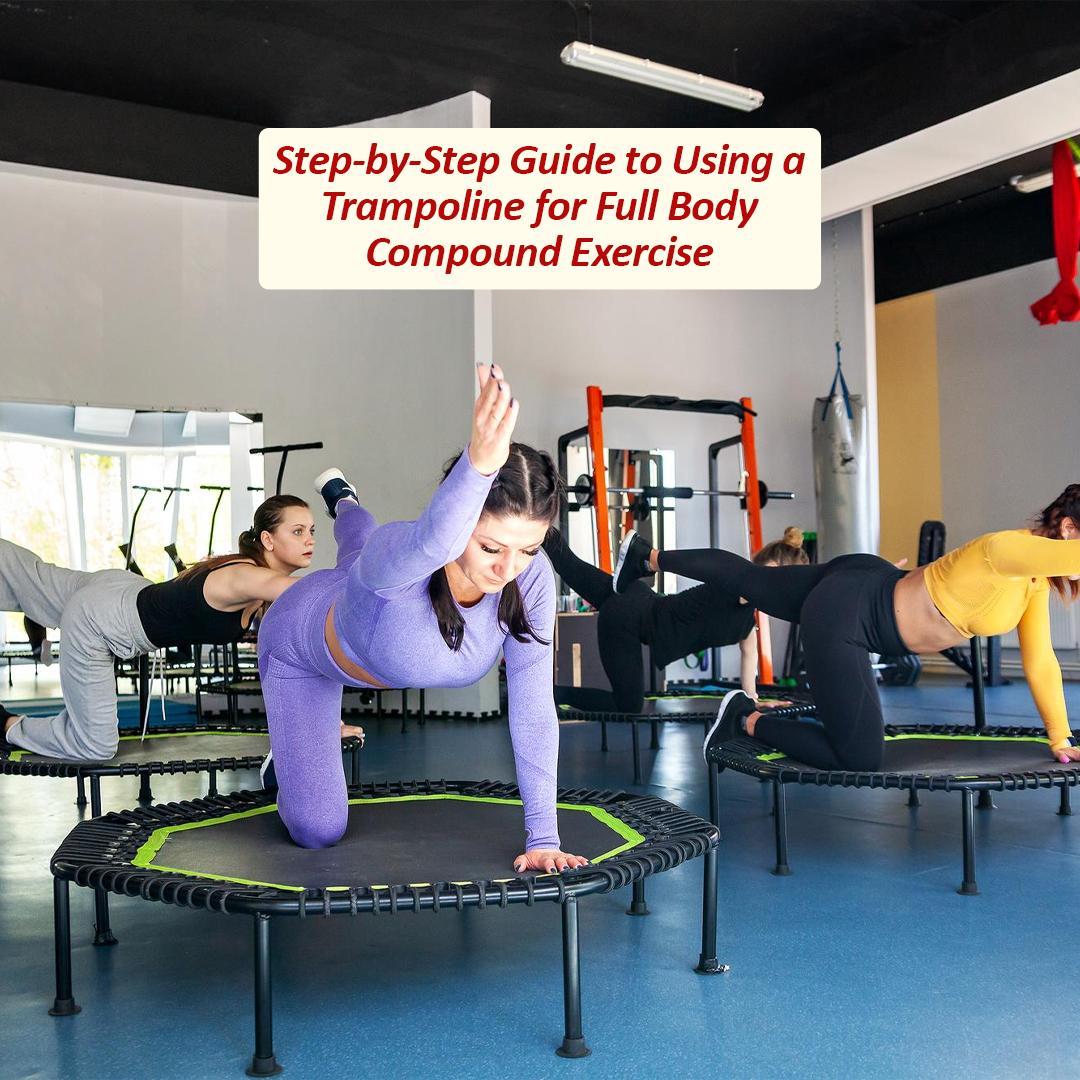
Getting started with trampolining doesn’t need to be complicated. Once you’ve chosen the right trampoline, the key is learning safe techniques and following a simple structure. With the right equipment, you’ll turn every bounce into a full-body workout without overloading your joints.
1. Warm-Up First
Start with 2–3 minutes of gentle bouncing or light jogging on the spot to loosen your muscles. Keep your knees slightly bent and your core tight. Always check your trampoline mat and springs before use.
Tip: Keep a water bottle nearby and wear grip socks to reduce slips.
2. Jump Squats
Jump squats on a 10ft trampoline hit your quads, glutes, and calves while reducing joint impact compared to hard surfaces. Squat low, stand with your feet shoulder-width apart, and then leap upward for a controlled bounce. Do 10–12 reps per set.
Over time, this move strengthens your lower body for everyday activities like climbing stairs or carrying shopping bags.
3. Tuck Jumps
Tuck jumps train your hip flexors and abs while quickly increasing your heart rate. Start with a basic bounce, then bring your knees towards your chest mid-air, keeping your back straight. Land softly with knees bent. Aim for 8–10 jumps per round.
Great for improving coordination and stamina—ideal if you want a short but intense cardio boost.
4. Lateral Bounces
Move side to side across the trampoline with small, controlled bounces. This engages your obliques, inner thighs, and stabiliser muscles, which often get ignored in standard workouts. Do this for 30–45 seconds per round.
Perfect for building balance and strengthening ankles and knees, especially useful if you enjoy outdoor sports like football or hiking.
5. Duration and Frequency
If you are new to exercising, try to get in 15 to 20 minutes three times a week. As your level of fitness improves, you can raise to 30 minutes four or five times a week.
Quick Recap:
- Warm up before every session.
- Jump squats for lower body power.
- Tuck jumps for cardio and core.
- Lateral bounces for balance and stability.
- Keep it 15–20 minutes to start with, and progress gradually.
“With the step-by-step routine in place, you now have the foundation to use trampolining as a true full-body compound workout. Next, let’s look at how to track your progress and keep your sessions challenging, so the results keep coming.”
Maintenance, Safety & Longevity Tips
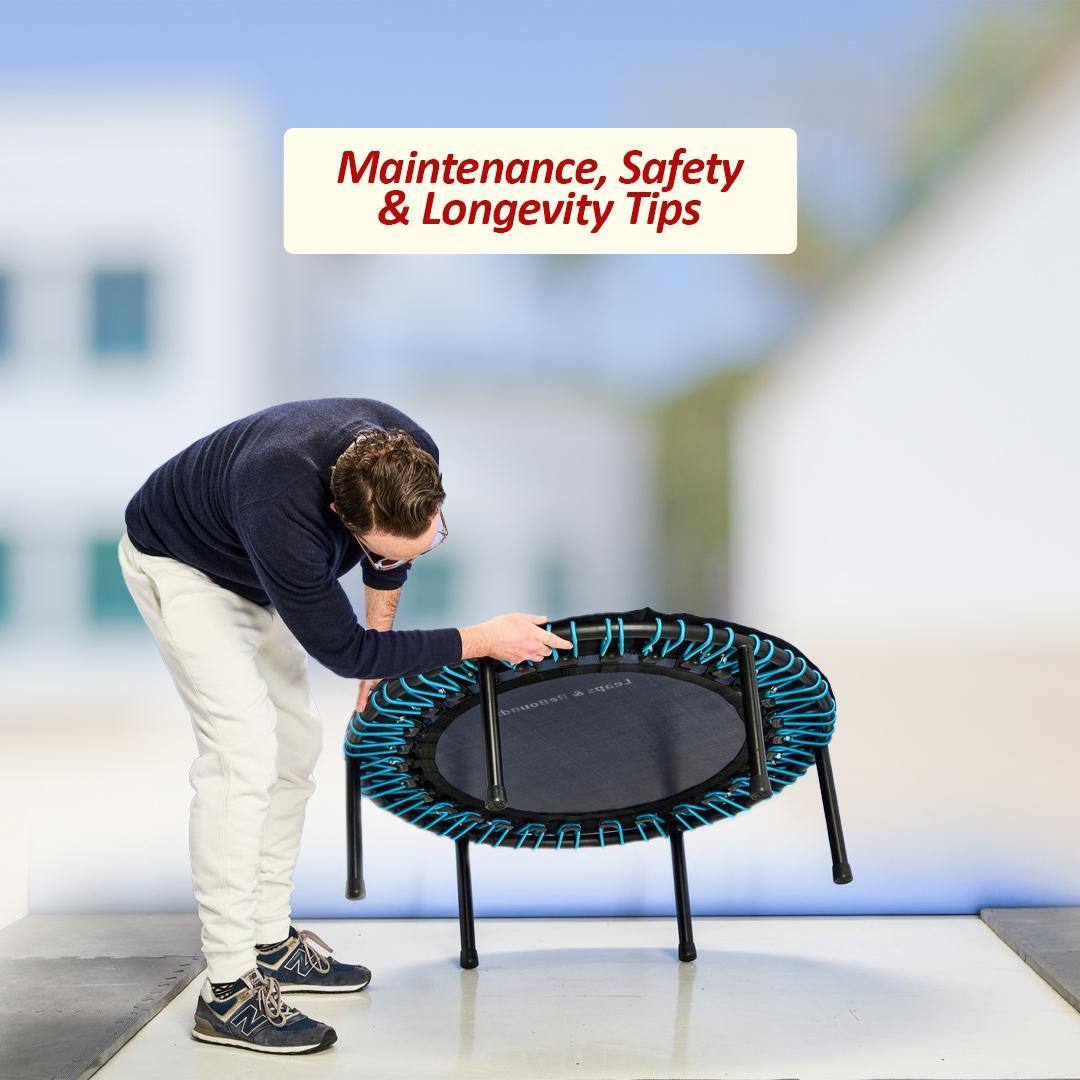
If you maintain a trampoline well, it can last for years and give you far more value than paying a monthly gym fee. Here are simple, effective ways to keep your trampoline safe and durable.
Wear Trampoline Socks
Using trampoline socks reduces wear on the mat and keeps your jumps safer. They give you grip, protect your feet from friction burns, and lower the chances of slips. It’s a small step that makes a big difference for safety and longevity.