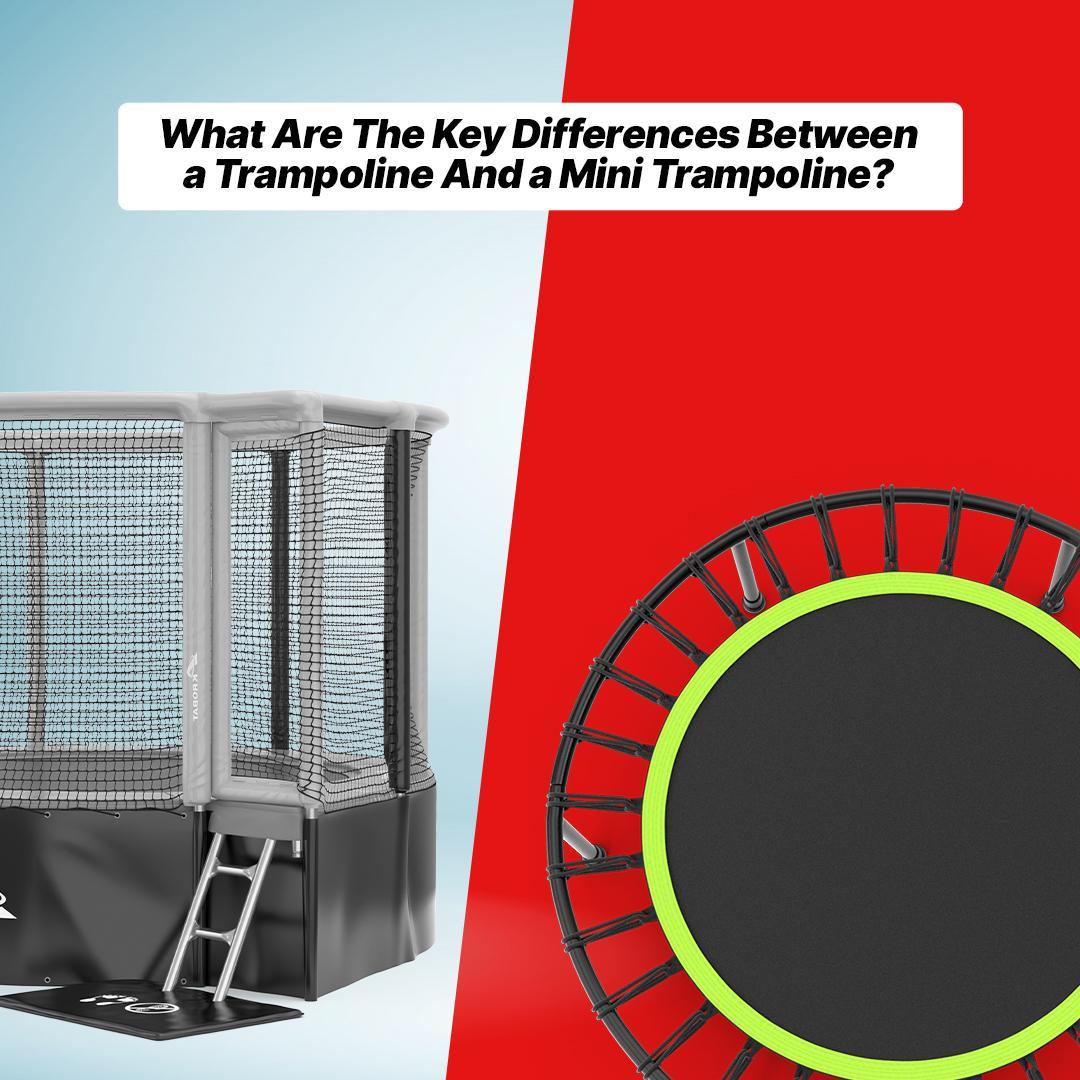
Looking at a dozen trampoline options, continuously scroll online through 1000 choices, including mini, big, round, and square trampolines.
It is completely normal.
The trampoline market offers a wide range of options, varying in size, shape, features, and price. It can all feel a bit confusing and make it a bit difficult to make the right choice. When you’re spending a good amount of money, nobody will ever want to spend their earnings by taking the wrong.
If you’re planning to surprise your children with a garden trampoline… or maybe you’re looking to burn calories in your compact room with a mini solution. But knowing the difference between a trampoline and a mini trampoline will help you make the right choice.
As a provider and manufacturer for decades, we have created this blog to make things easier for you all. Whether you’re decking out your garden or setting up your home gym, you’ll leave with a better idea of what works and what doesn’t.
Where It All Started
Before trampolines became garden legends or fitness hacks, they had a whole journey of their own. Let’s take a closer look:
What Is a Trampoline?
A garden trampoline, in its classic form, first emerged around 1936, originally built for training acrobats and astronauts. It’s more than simply amusement. Over time, they have been introduced into parks, schools, and family gardens, and are quickly becoming a go-to for children’s play zones, birthday parties, and big garden fun and challenges. It is designed for full-body movement; they’re ideal for larger spaces and family-sized energy levels.
What is a Mini Trampoline?
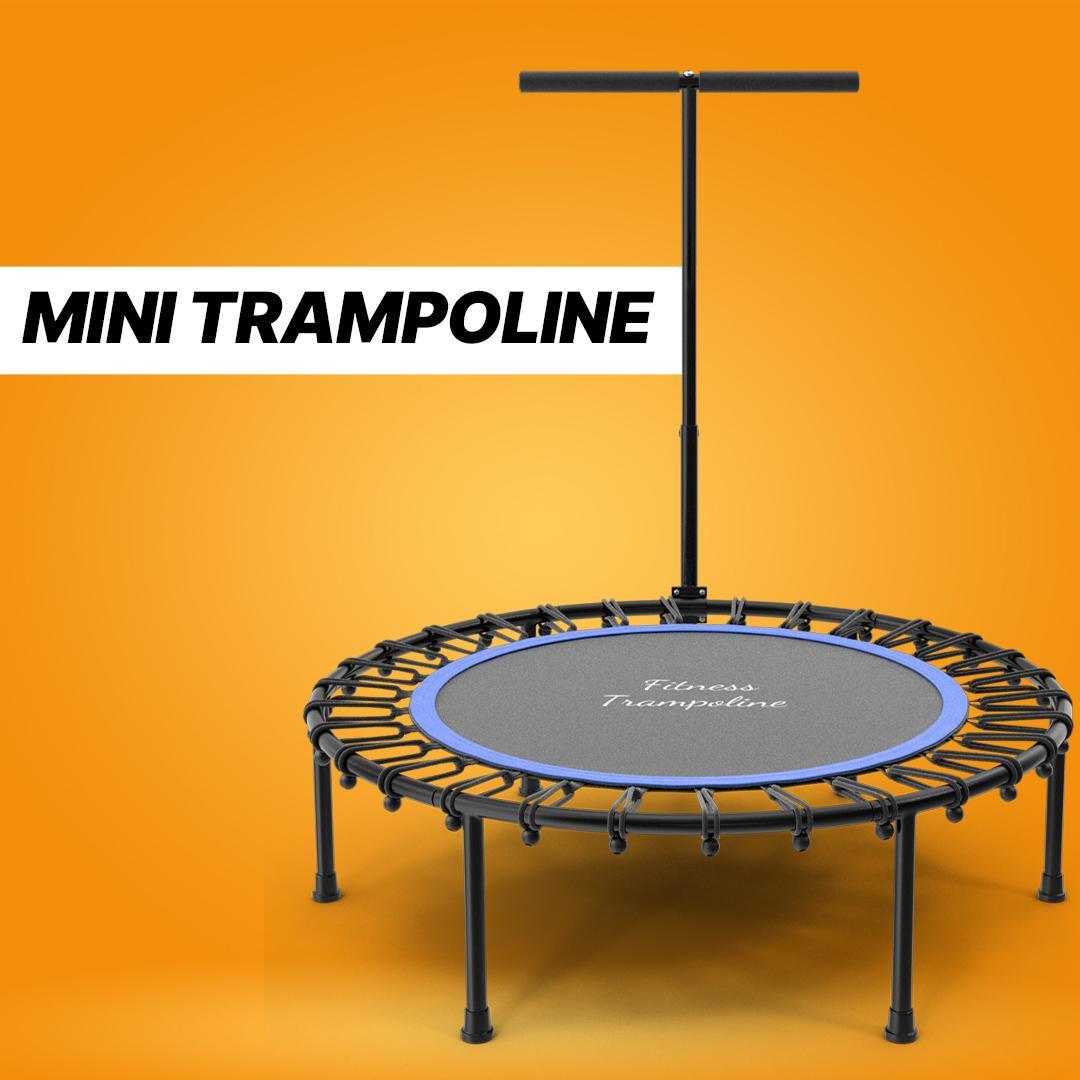
In the 1970s and 80s, the mini trampoline, often referred to as a fitness trampoline, was launched. This one was introduced to fulfil the requirement of those customers who have compact space and want a solution which can help them with home workouts, physio sessions, and low-impact fitness. It gives cardio without joint strain.
Let’s break down their core differences, from shape and size to determining who should use what.
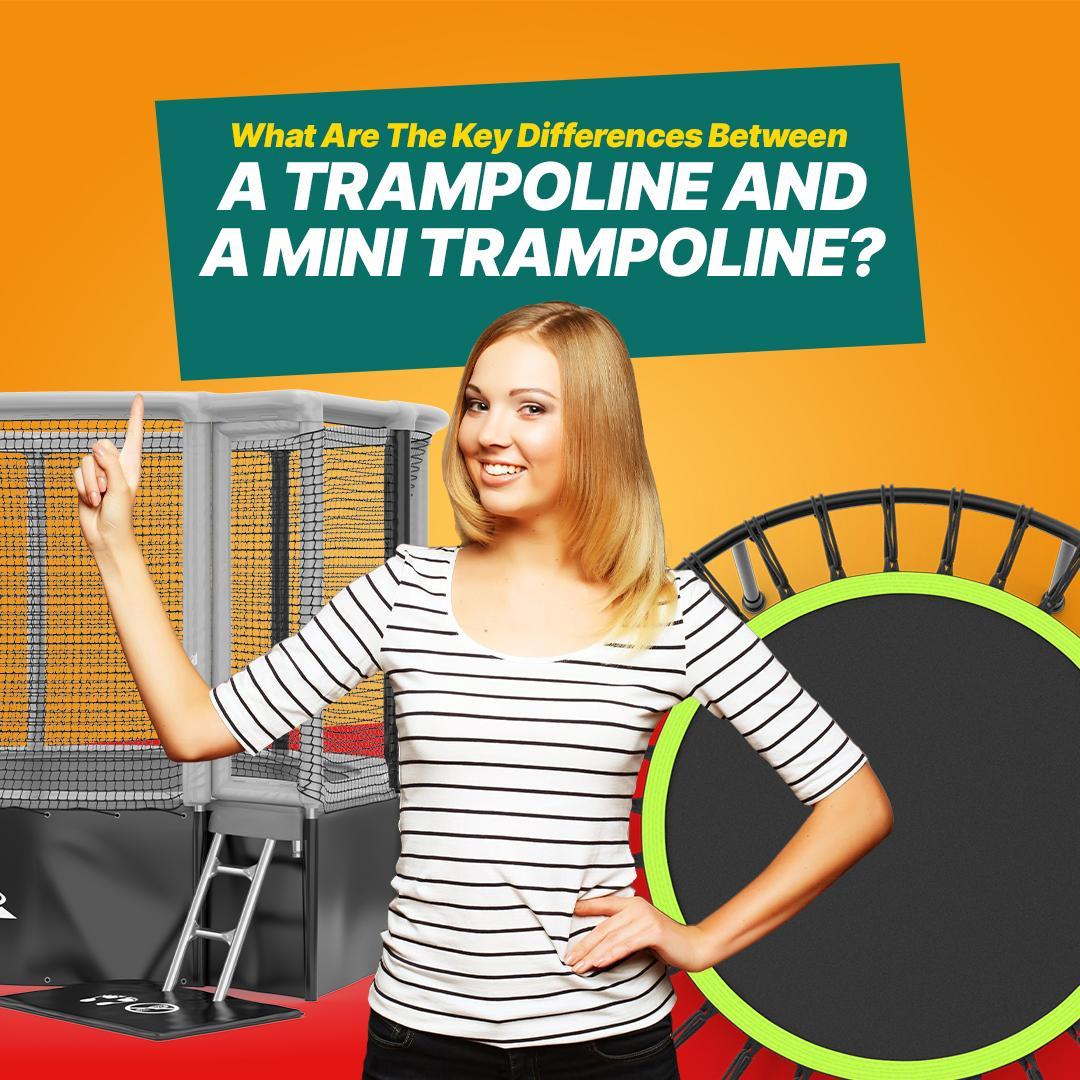
Key Differences between A Trampoline and A Mini Trampoline?
Both trampolines give you a bounce, but differently. Let’s break it down and make things simple for you so that you can make the right decision.
Basis | Big Trampoline | Mini Trampoline |
Size | Standard trampolines are often bigger | mini ones are perfect for compact spaces and a home gym |
Spring | Large trampolines utilise traditional metal springs that provide a crisp and exciting bounce. | Mini rebounders use silent bungee cords, easier on joints and your neighbours’ ears. |
Jumping Surface Area | Full-sized trampolines have more surface area. | Mini ones use tighter, more responsive surfaces designed for steady cardio bounce. |
Weight Limit & Users | Big trampolines can handle children, teens, and even adults, often together. | Rebounders, though, are single-user only, and some models cap out under 100kg. |
Purpose + Use Case | If you’re after long garden weekends with the children, go for big ones. | But if you want a consistent, joint-friendly workout indoors, go for mini ones. |
USP’s | They’re perfect for families, playdates, and outdoor energy burnouts. | Mini trampolines are ideal for exercising indoors, rehabilitation, and individual fitness routines. Compact, reliable, and ready to go. |
Up next, we’ll dive into what they can do for your health and how each one delivers more than just a fun jump.
Health Benefits They Offer

Finding the best equipment which can help you feel energised for the whole day in a few minutes is difficult. Whether you’re looking for fun ways to get your children outside or trying to stay fit without pounding the pavement, trampolines offer more than just a playful bounce. Here’s how each one works its magic on your mind and body.
Mini Trampoline
- A mini trampoline fits right in. Just 10 minutes of gentle bouncing helps boost circulation, improve lymphatic drainage, and burn calories.
- Unlike jogging or HIIT, rebounding keeps your knees, ankles, and back happy. It’s often recommended by UK physios for post-surgery recovery and older adults wanting a safe, steady workout.
- A gentle session can reset your mood, improve focus, and get those feel-good endorphins going.
Big Trampolines
- When it comes to full-size trampolines, it’s like getting children moving without them even realising it.
- A rectangle trampoline makes your family bond stronger by making all of you bounce together.
- They are a brilliant way to keep bodies moving, especially on days when motivation’s in short supply.
- It helps gymnasts sharpen their moves and enhance their tricks and flips, which leads to better performance.
- It also benefits those who enjoy experimenting, such as trying flips and tricks on a trampoline scooter, by providing them with great space.
- You can try variations of exercises like: callisthenics, plyometrics, HIIT, cardio, and much more.
Now that you know what each type can do for your health, let’s move on to the next most important thing: safety. Because feeling good only matters if you’re keeping it safe.
Safety
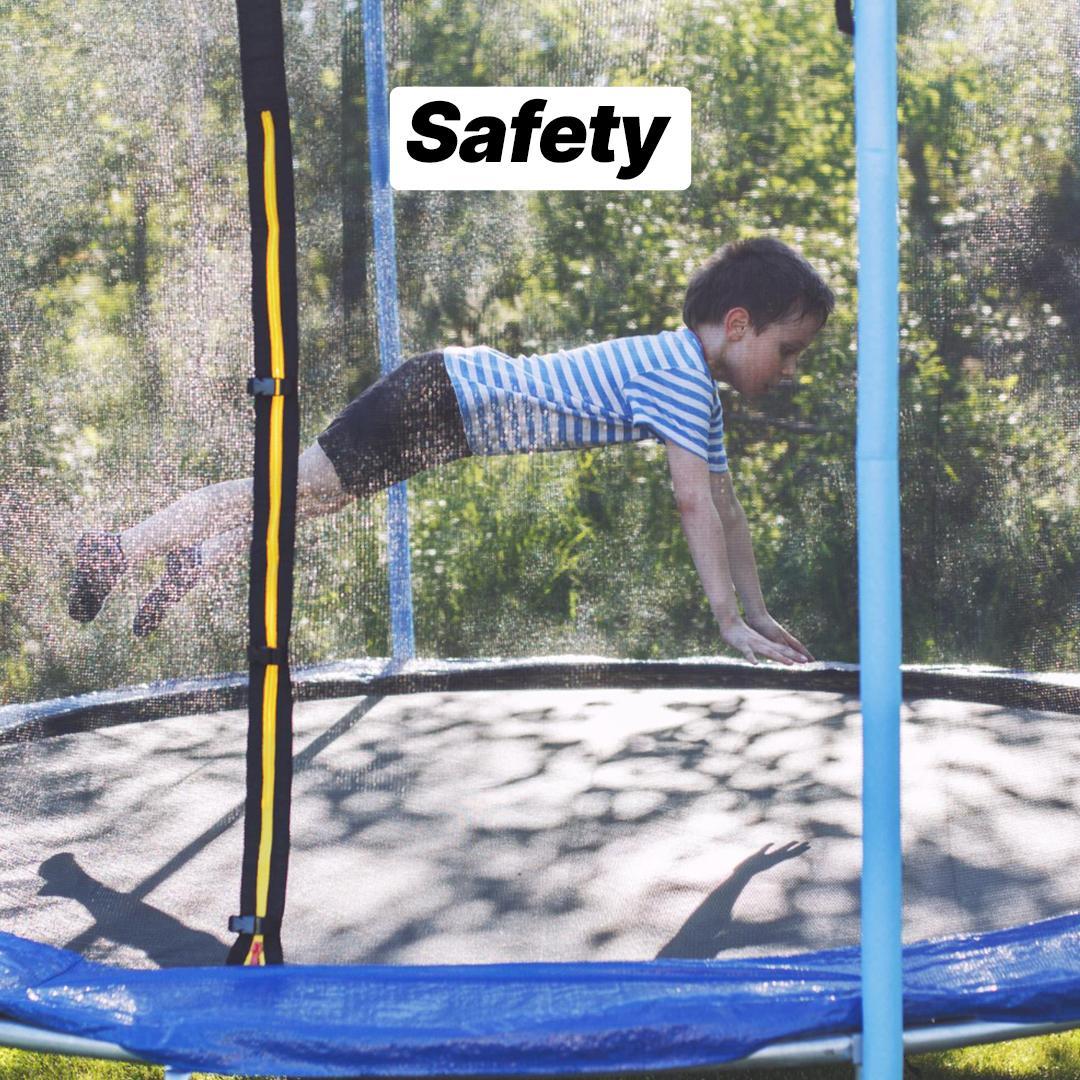
Choosing between a big performance trampoline and a mini one isn’t just about size or bounce. No one wants to invest in a bit of kit only to find it’s more trouble than it’s worth. So here’s the lowdown on what safety looks like, whether you’re setting up in the garden or your living room.
Need for Supervision
- Full-sized trampolines demand eyes on the children, especially the little ones. Even if there’s a net, children can get carried away. You’ll want an adult nearby.
- Mini trampolines? These are usually solo-use and often used by adults or older teens. That said, if someone’s got balance issues or is using one for rehab, a wall, rail, or spotter nearby won’t hurt.
What’s the Maintenance?
- Outdoor trampolines take a bit more TLC. UK weather is unpredictable, sometimes it’s raining, then the sun and sometimes strong winds hit. That means regular mat checks, drying after downpours, using weather covers, and keeping an eye on rust on springs.
- Mini rebounders are easier to manage. Wipe them down, keep them indoors, and you’re good. If yours uses bungee cords, they’ll wear over time, but replacing them isn’t rocket science; just make sure you buy from a brand that offers spares.
Footwear or Barefoot?
- For garden trampolines, using trampoline socks or bare feet is best.
- For mini rebounders, it depends on your balance. Some prefer trainers for extra support, others swear by barefoot for control.
Let’s look at what models work best in real homes, whether you’ve got a tiny terrace or a full-on family garden. These aren’t just “top picks”, they’re what we trust from years of bouncing, fixing, and hearing what real users love.
The Best Picks
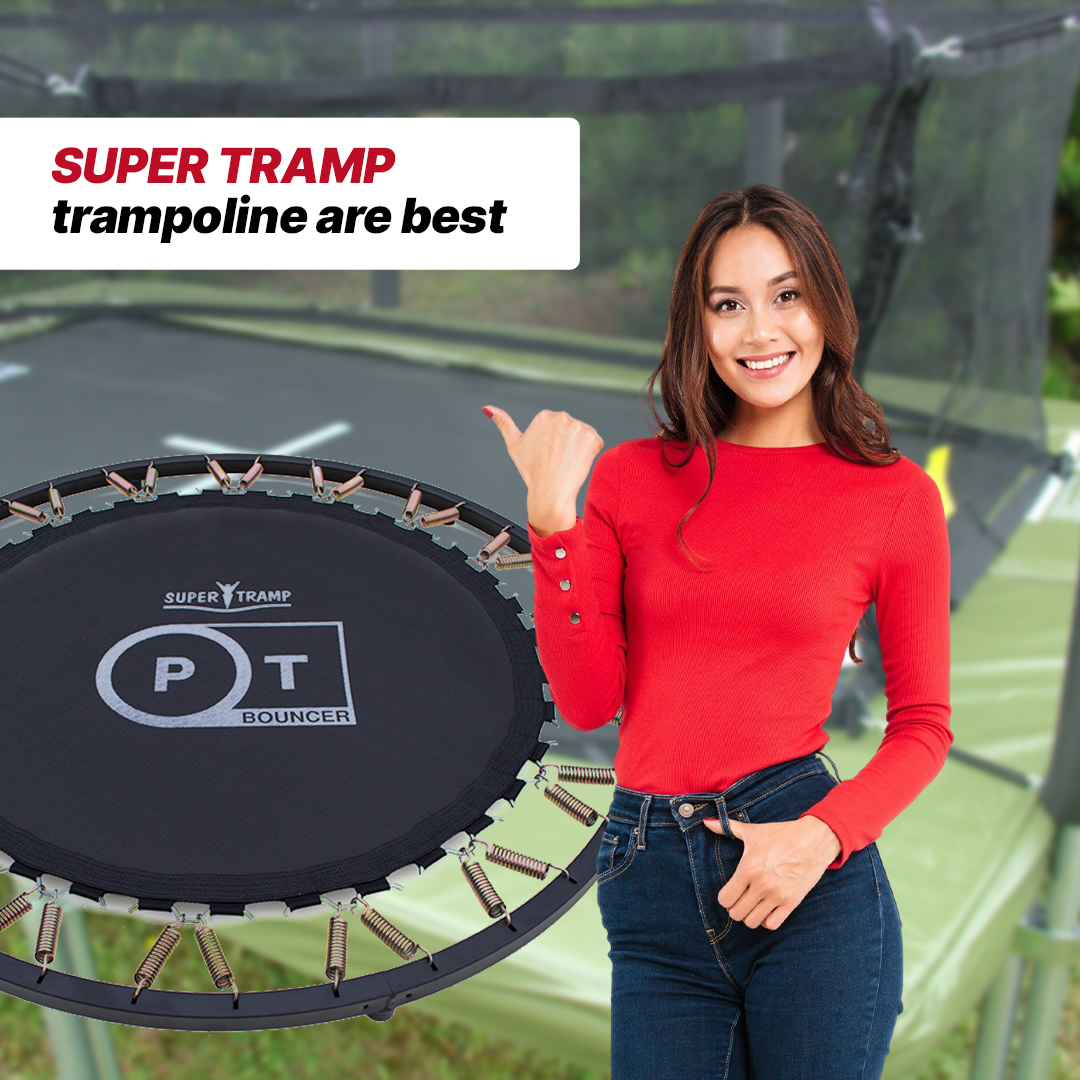
At Super Tramp, we don’t just sell trampolines; we’ve spent over a decade living, learning, testing, and refining what makes a trampoline truly great for British homes, families, and lifestyles. Every product we offer is picked with care, backed by experience, and loved by real people across the UK.
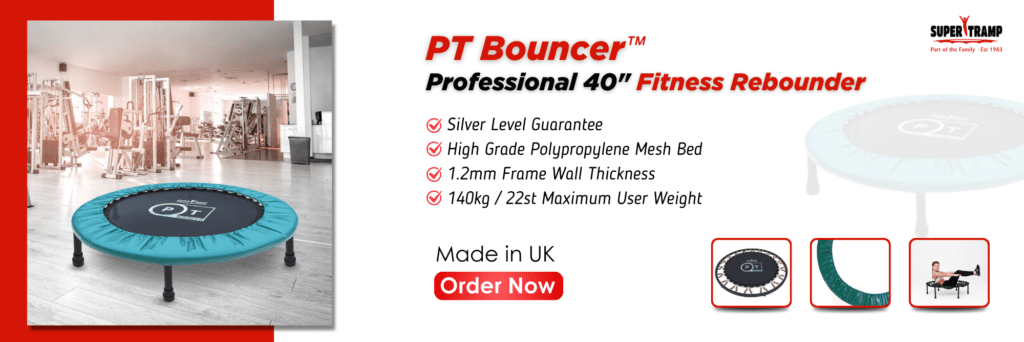
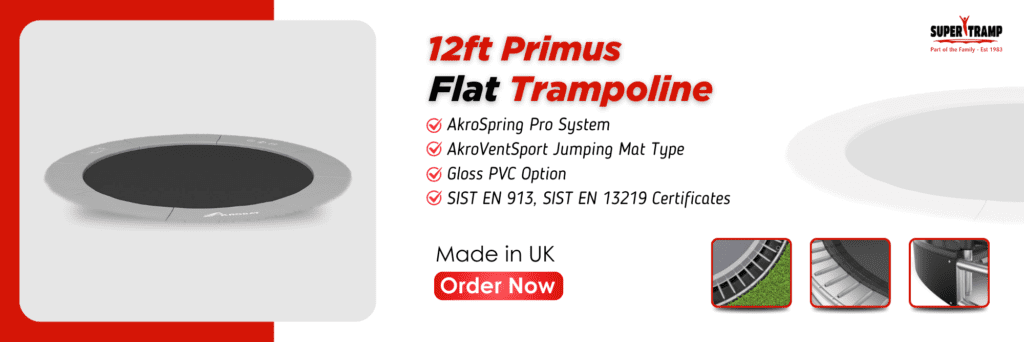
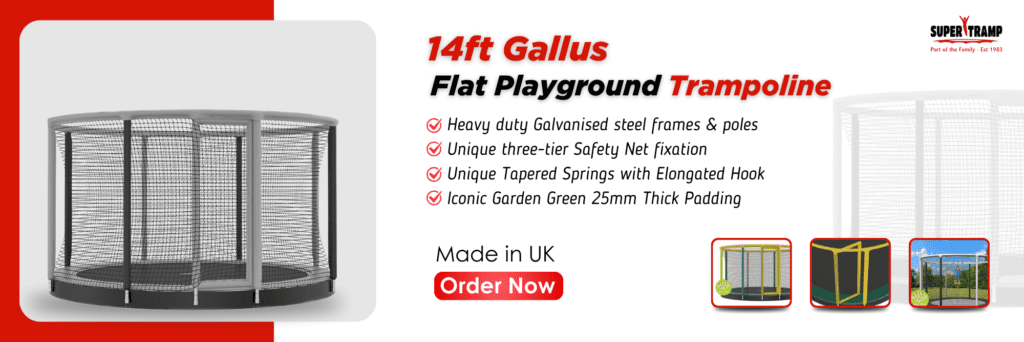
So, whether you’re tight on indoor space or planning a full-blown garden revamp, here are our most-loved, most-used picks tested by time, trusted by customers.
Best for Indoor Fitness