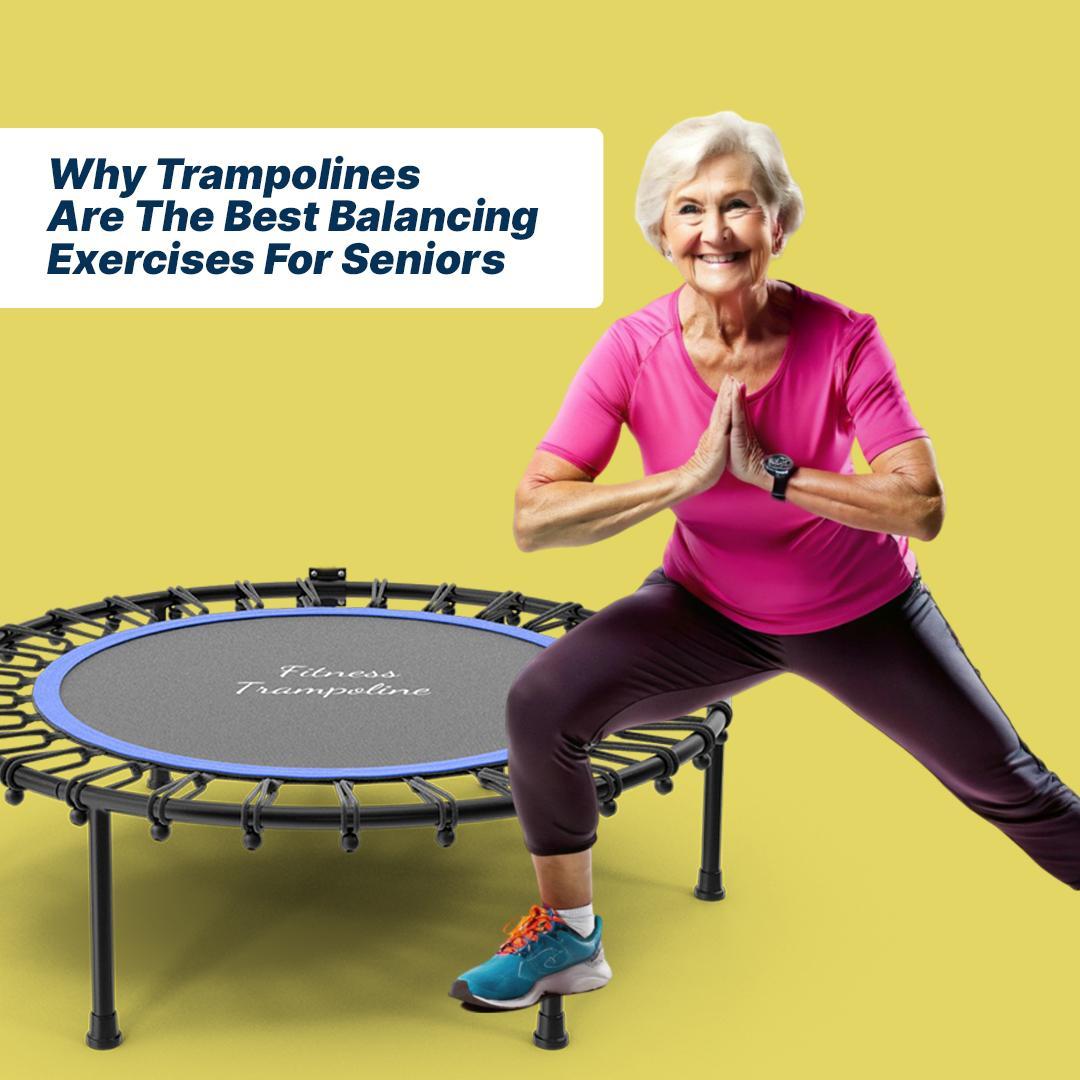
Imagine watching a loved one take confident steps again, moving with ease and grace, not held back by the fear of falling or losing their independence. For many families across the UK, finding effective exercises for seniors has become a top priority, especially when it comes to improving balance and stability. Balance exercises for seniors are more than just physical activity; they are a lifeline to safety, confidence, and freedom in daily life.
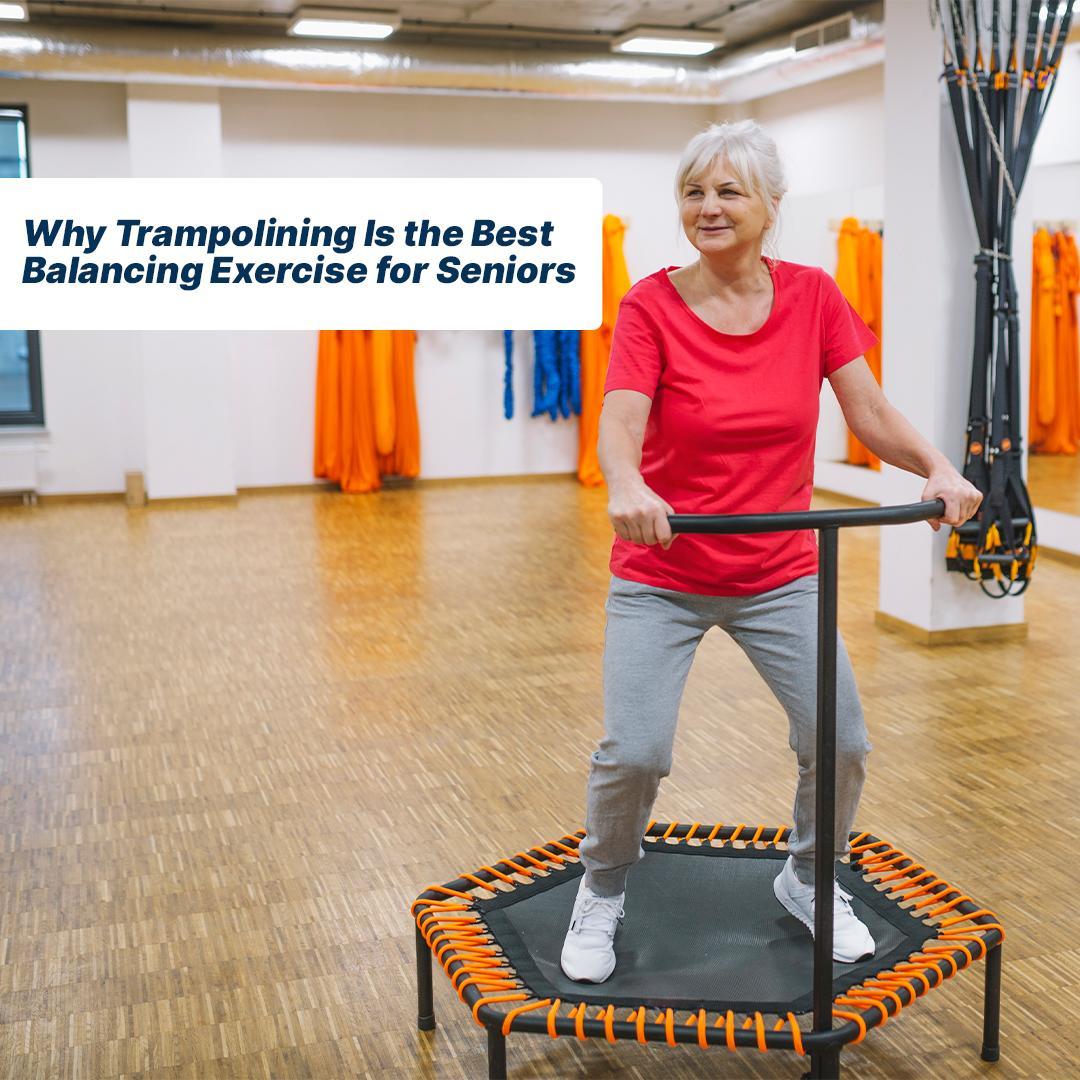
In this busy world, trampolines might not be the first thing that comes to mind. Yet, they offer a surprisingly simple and affordable way to boost balance, coordination, and bone health all from the comfort of home. This blog will explain why trampolines are excellent balancing exercises for seniors, how to select the right one, and which movements provide the greatest benefits. If you want your loved ones to stay steady on their feet and enjoy a fuller, safer life, this guide is made just for you.
Why Good Balance Exercises Matter for Seniors

Keeping steady on your feet isn’t just about avoiding a stumble. It’s about preserving freedom and confidence in every step your loved one takes. Good balance exercises for seniors can make all the difference in turning daily challenges into smooth, worry-free moments.
1. Prevent Falls
Every year, falls lead to countless injuries and cost the NHS millions. The right balance exercises act like a safety net, reducing the risk of trips and slips. Helping seniors stay steady means fewer emergency visits and less time worrying about what’s around the corner.
2. Boost Stability
A wobble here or a shaky step there can shake confidence. When balance improves, so does stability bringing fewer stumbles and more assurance in movement. Seniors feel braver, ready to take on the day without fear holding them back.
3. Stay Independent
With better balance, seniors can continue living life on their terms whether that’s gardening, walking to the shops, or playing with a grandchild. This independence is priceless, keeping spirits high and relationships strong.
4. Stronger Joints & Bones
Balance exercises don’t just sharpen coordination they strengthen bones and joints too. This means fewer fractures, less pain, and avoiding expensive treatments that come with falls and injuries.
5. Improve Posture
Good posture supports every movement, preventing aches and long-term pain. It is a quiet yet effective way to keep seniors comfortable and active, thereby reducing the risk of expensive medical care in the future.
6. Lower Fracture Risk
Each fall avoided is not just a physical win but a financial one. Fewer fractures mean fewer hospital stays, less rehabilitation, and more peace of mind for families. Balance exercises for seniors can truly save money and pain.
So, with the importance of good balance clear, how exactly do garden trampolines fit into this vital picture? Let’s bounce right into it.
Why Trampolining Is the Best Balancing Exercise for Seniors
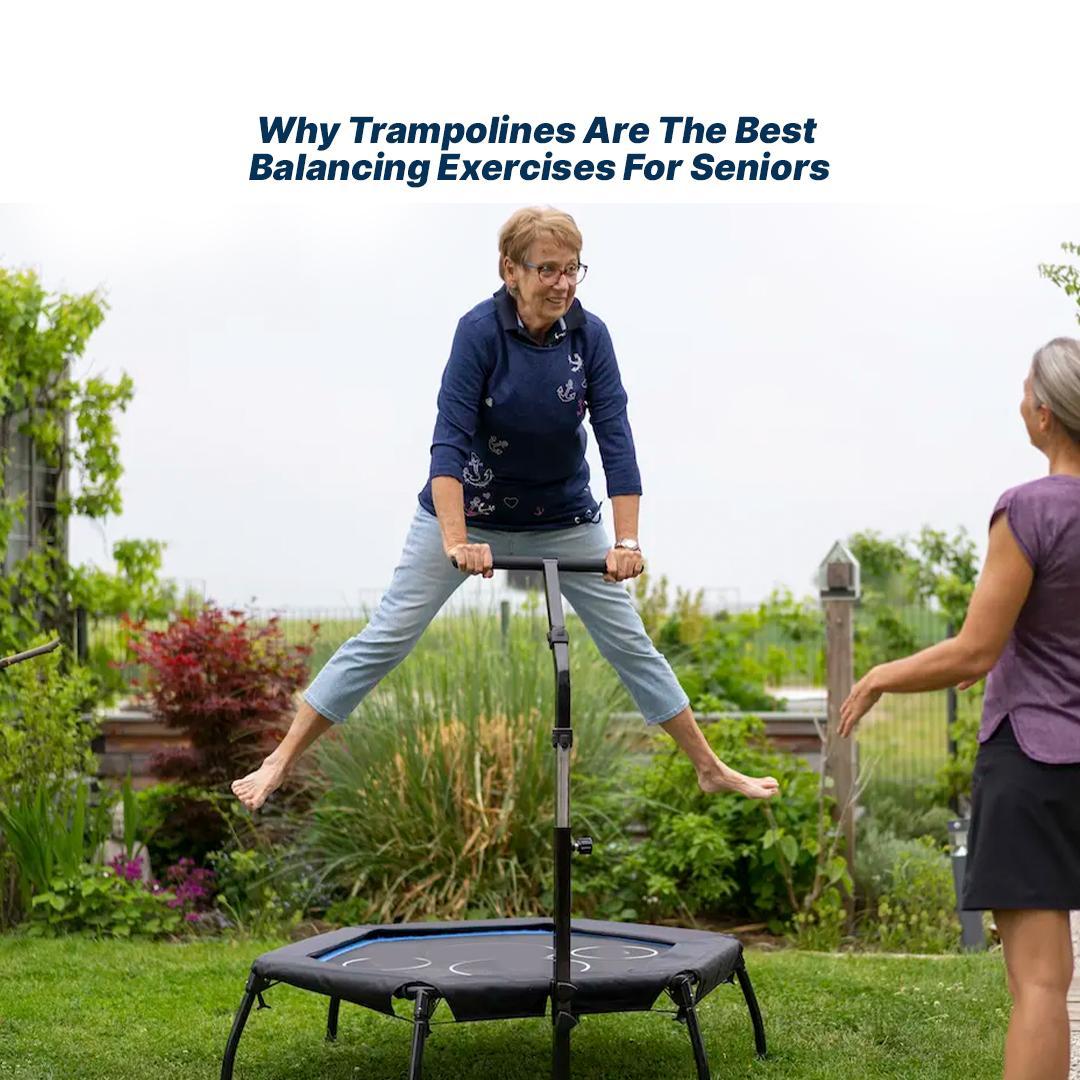
Finding an exercise that’s both gentle on the body and effective can feel like searching for a needle in a haystack. That’s where trampolining shines: it offers a low-impact workout that respects delicate joints while delivering powerful benefits for seniors.
Low Impact & Gentle
- Unlike some pricey gym machines or intense fitness classes, fitness trampolines cushion every bounce, reducing stress on knees and hips.
- This gentle springy movement means seniors can get a solid workout without worrying about painful joints or injuries saving both aches and costly treatments.

Enhances Posture, Balance & Coordination
- Every bounce is a mini workout for muscles and the brain alike.
- The rhythmic up-and-down movement awakens muscle groups and sharpens coordination, helping seniors stand taller, move steadier, and feel more balanced in daily life.
No Need for Trainers
- Trampolining doesn’t demand pricey personal trainers or complicated routines.
- Seniors can enjoy exercises at their own pace, right at home, which saves money and fits easily into busy schedules.
- This freedom encourages regular activity without pressure or hassle.
Supports Bone Health
- The gentle impact of trampolining stimulates bone density, helping to fight the natural thinning that comes with age.
- It’s a smart, natural way to protect against osteoporosis, a key concern for many seniors.
With these benefits clear, the next step is choosing the right trampoline with right spares. So, which types are best suited to seniors and their unique needs? Let’s bounce into the options.
Top Trampoline Types Supporting Senior Exercises

Not every trampoline suits every need especially when safety and comfort matter most. Let’s look at the best types that support gentle, effective exercises for seniors, without overwhelming them with choices.
Round Trampolines
Round trampolines are a great all-rounder. Their circular shape naturally pulls users toward the center, which helps with balance and stability during light exercise. They offer plenty of space for slow, controlled movements without feeling confined or risky.
Most recommended: Orbit Pro 14ft Trampoline
Rebounders
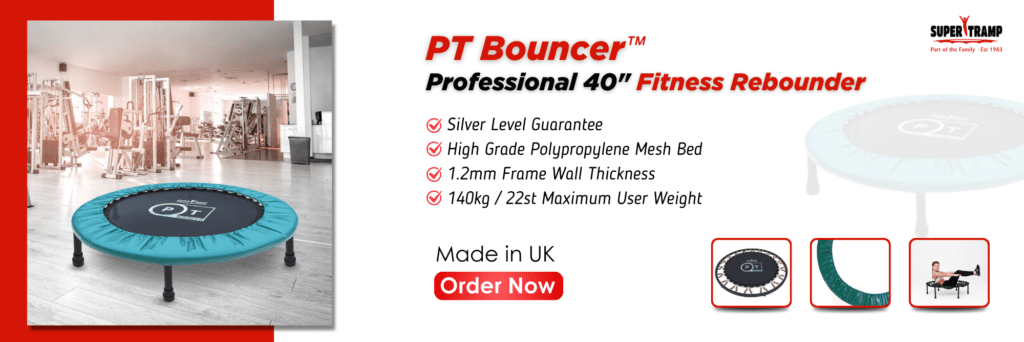
Small but mighty, rebounders are made for indoor use and smaller homes. They’re budget-friendly, easy to store, and perfect for short sessions that still pack a punch. Seniors can bounce at their own pace right in the living room.
Most recommended: PT Bouncer™ Professional 40″ Fitness Rebounder
In-Ground Trampolines
These in-ground trampolines sit flat on the ground, making them easier and safer to step on and off. For seniors who feel uneasy about height or losing balance, this option removes that fear while blending beautifully into the garden. It’s exercise and elegance in one.
Most recommended: 14ft Primus Flat Trampoline.
Once you’ve picked the right trampoline, the next question is—what exercises should seniors start with to make the most of it? Let’s break that down next.
Best Trampoline Exercises for Seniors
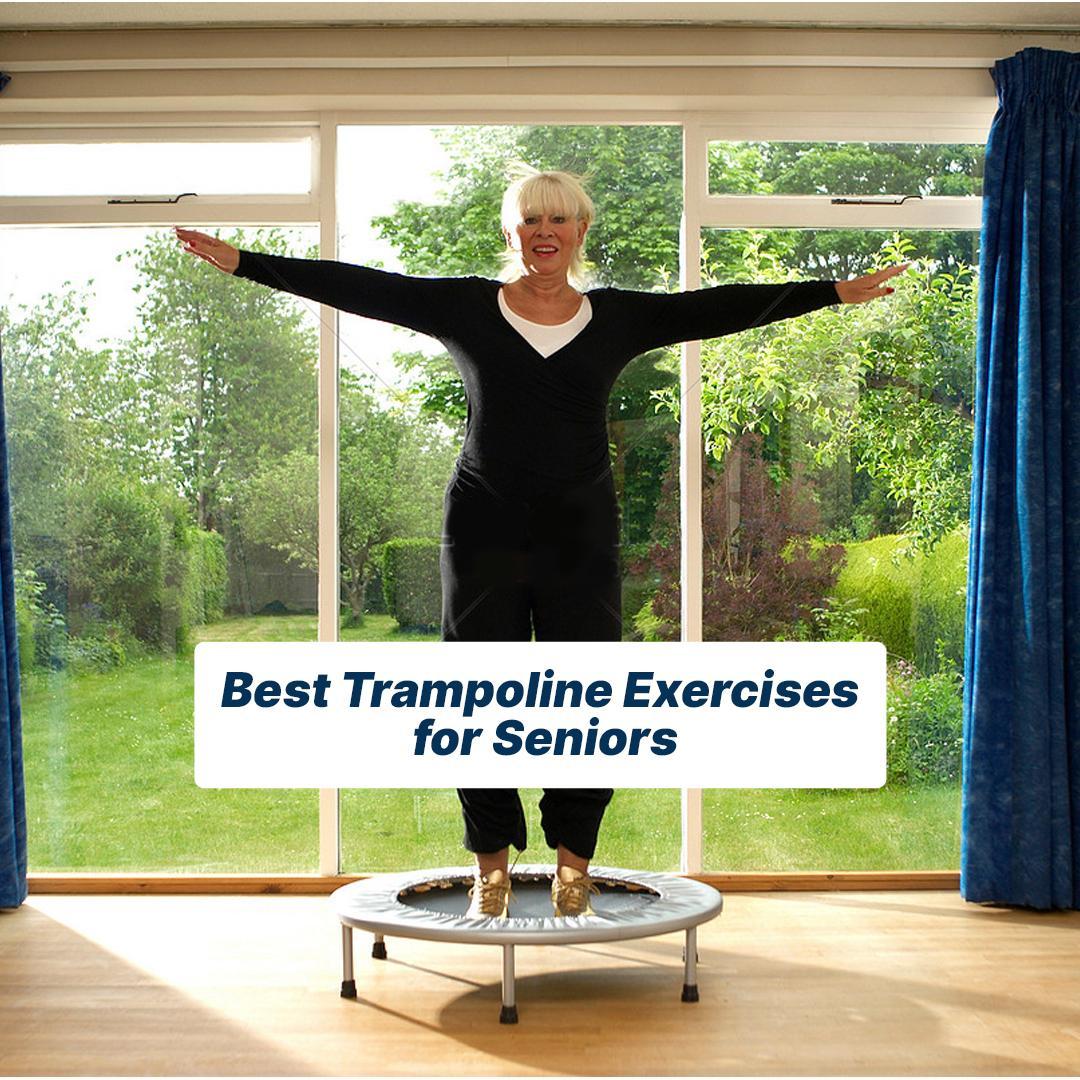
Once the right trampoline is in place, it’s time to gently bring movement back into the body. These beginner-friendly exercises help seniors build strength, coordination, and confidence without pressure or pain.
Weight Shift
- Stand upright and gently shift your weight from one foot to the other.
- This subtle side-to-side motion improves lateral balance and supports better control during everyday movements.
Single Leg Balance Bounce
- Lift one foot slightly off the surface while maintaining balance.
- This simple hold builds core stability and sharpens focus.
- Alternate legs for a full-body benefit without intense effort.
Basic Bounce
- A light, steady bounce with feet barely leaving the trampoline.
- It’s easy on the joints and gets blood flowing perfect for warming up the body and lifting the mood.
Light Jumping Jacks
- Keep the arms moving while performing small, controlled leg jacks.
- It’s a safe way to get the heart rate up and mix light cardio with coordination practice all without leaving home.
Knee Lift
- Raise one knee at a time while standing or bouncing gently.
- This move strengthens core and thigh muscles, which are vital for walking, climbing stairs, and getting up from chairs.
Every movement counts when it’s tailored to safety and strength. Speaking of which, let’s now explore the safety steps that make all the difference when trampolining at home.
Safety Precautions for Seniors
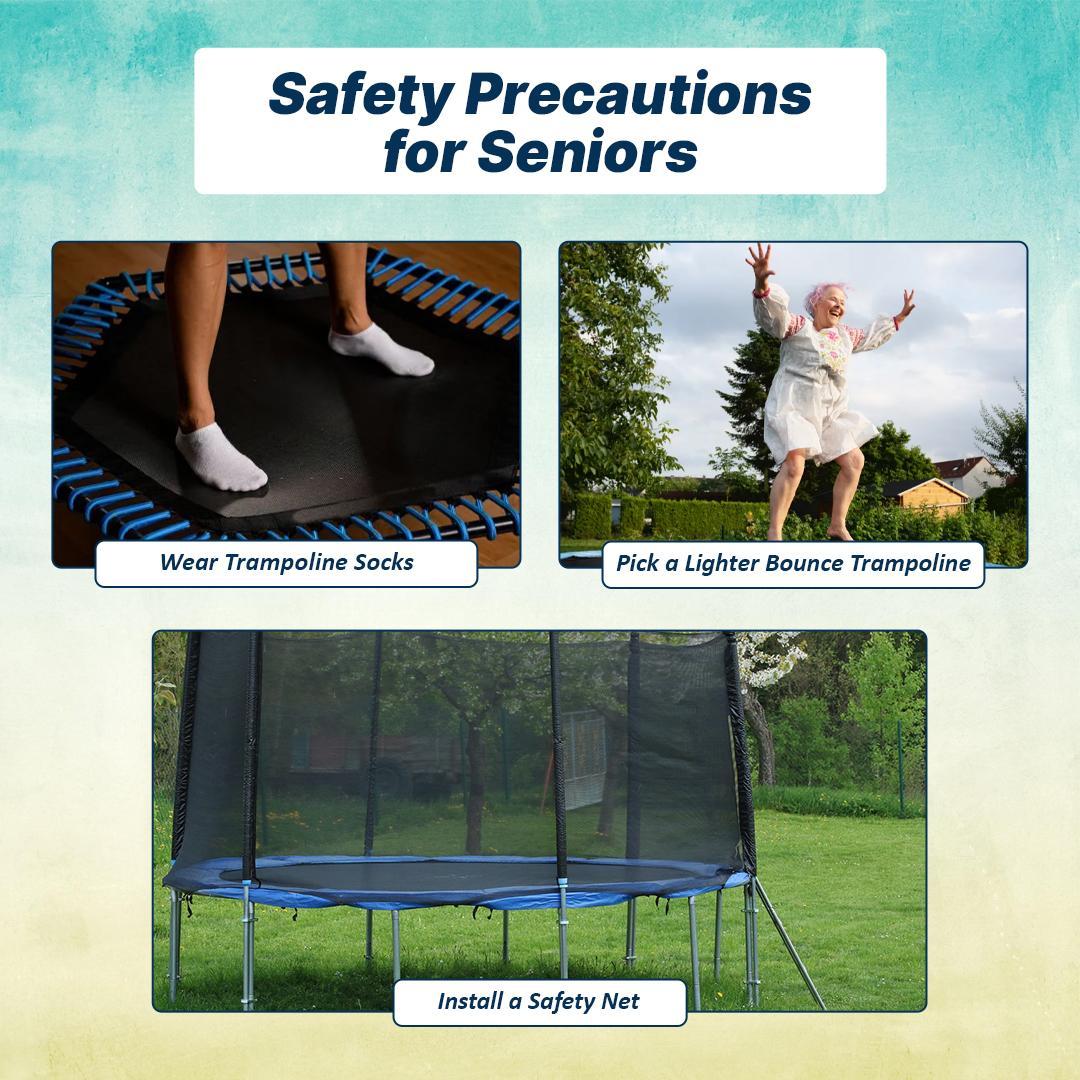
Staying active is empowering, but staying safe is non-negotiable especially when bouncing is involved. These small safety steps go a long way in building confidence and preventing slips or sprains.
Wear Trampoline Socks
Trampoline Grip socks are a smart add-on. Their non-slip soles keep their feet firmly planted, reducing the risk of slipping even during the gentlest bounce sessions.